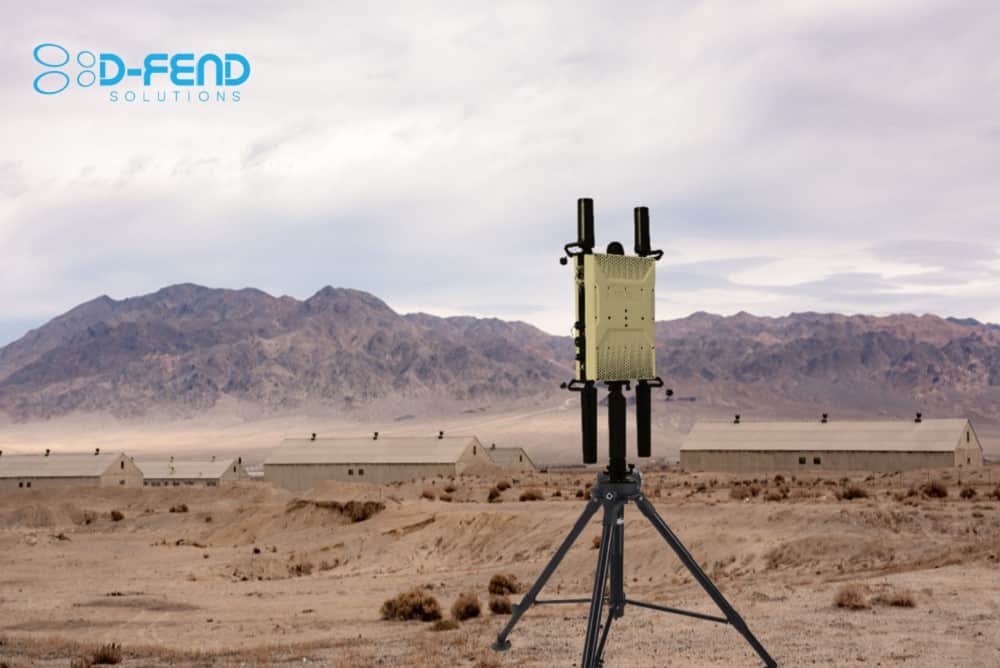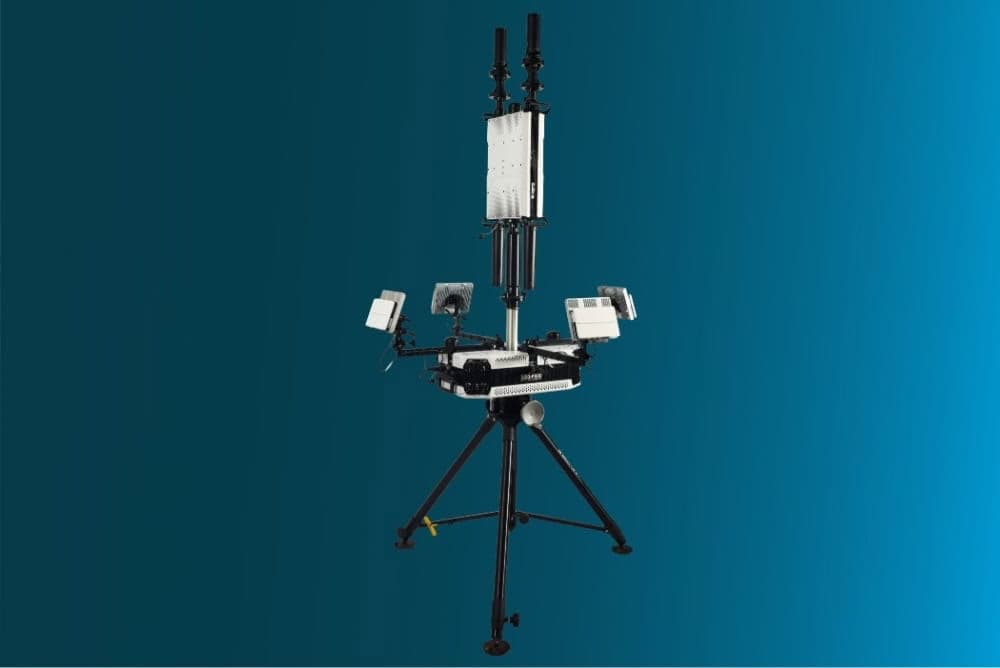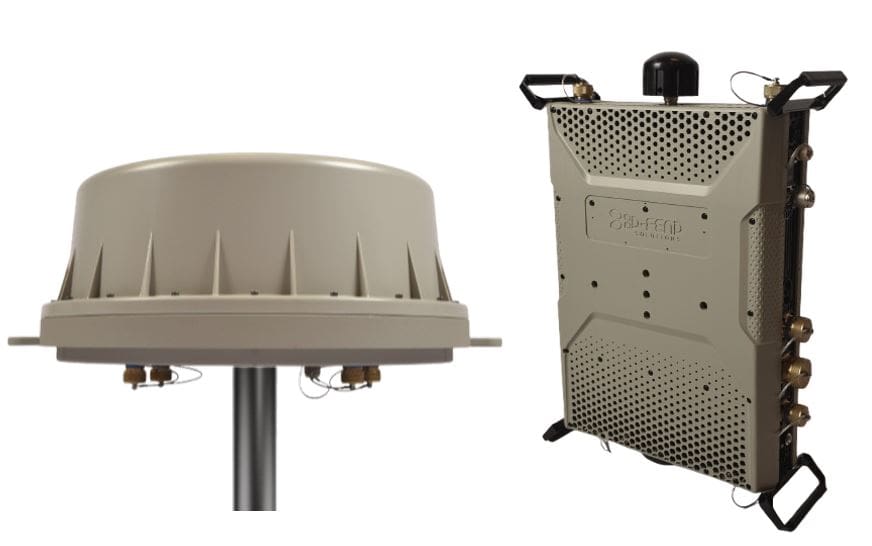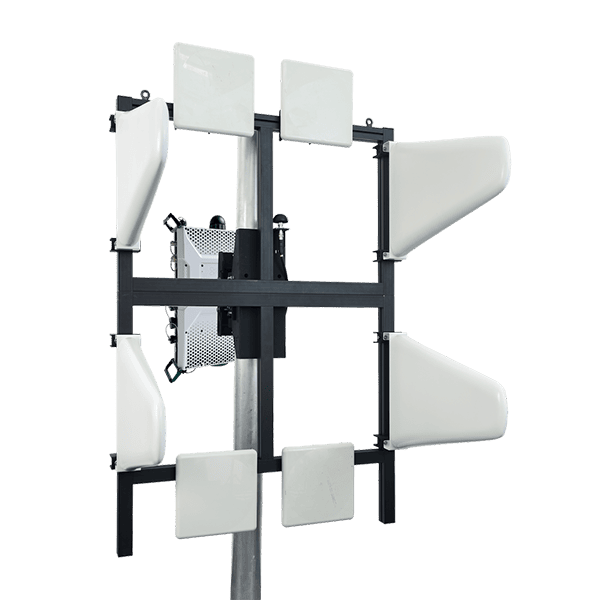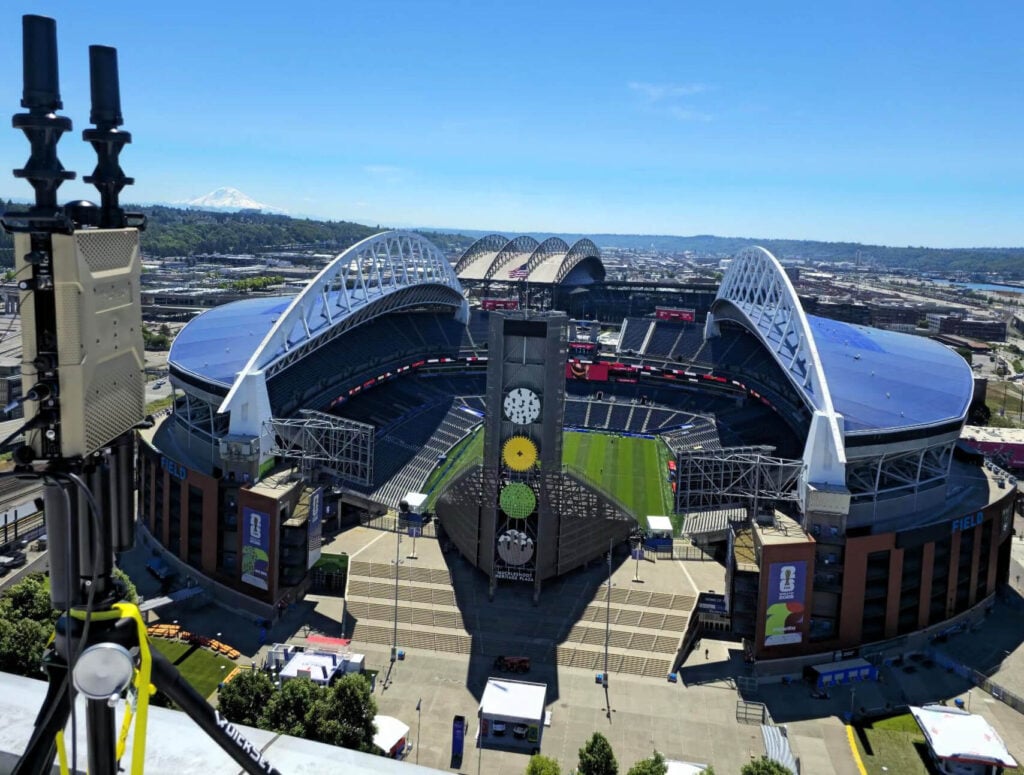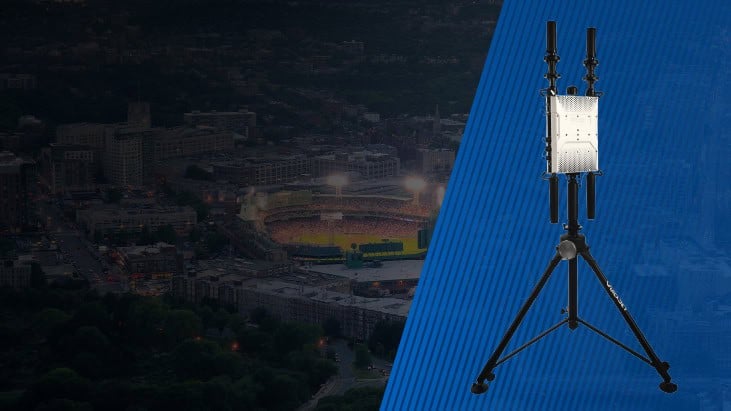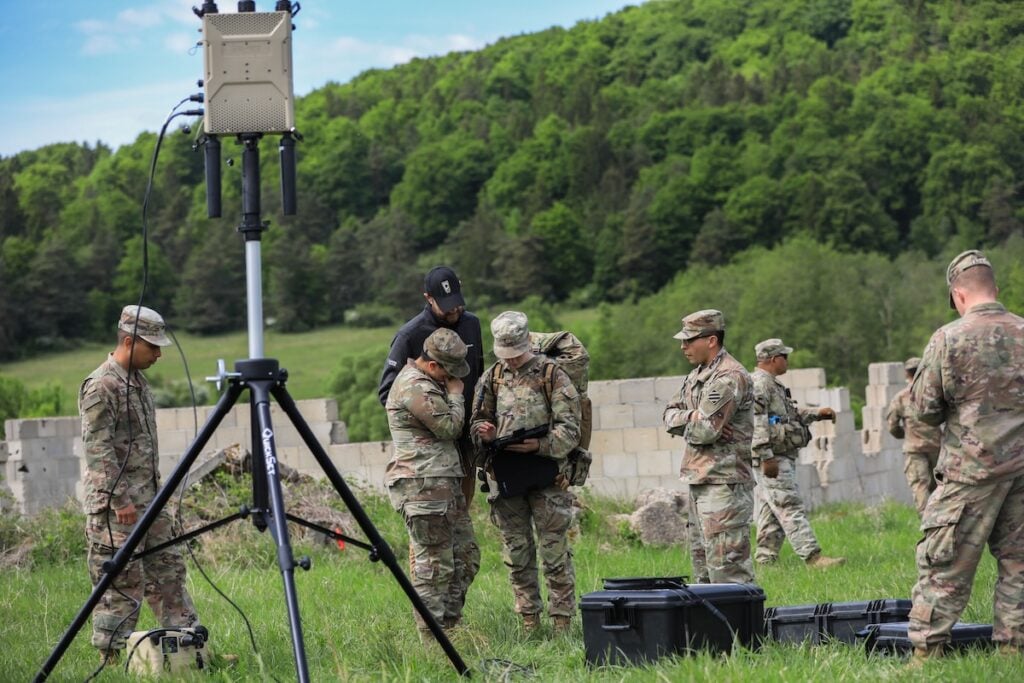



D-Fend Solutions highlights how its EnforceAir Radio Frequency (RF) cyber-takeover technology can support counter-drone protection for critical energy infrastructure, alongside partnerships with authorized law enforcement agencies.
Energy and petrochemical facilities face potential drone-related risks ranging from espionage and reconnaissance to potential payload delivery, operational disruption, and environmental and safety hazards. Drone attacks on refineries and petrochemical facilities abroad have demonstrated the potential consequences for fuel production and exports. Modern UAS also present low-cost, scalable threats that can create disproportionate impacts, drawing comparisons with cyber threats.
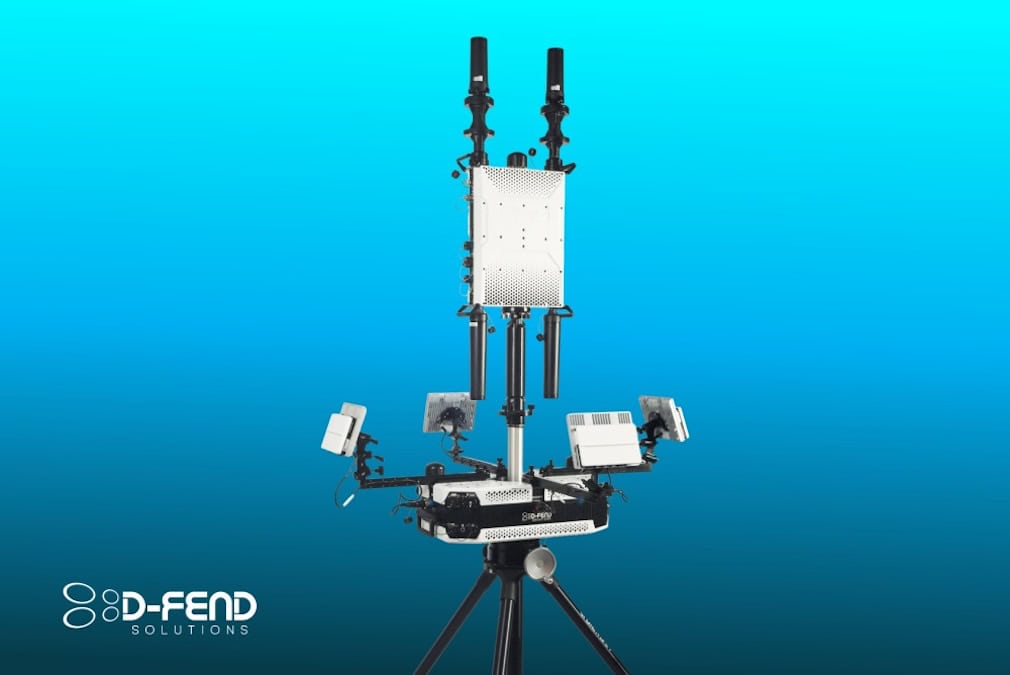
Counter-Unmanned Aircraft System (C-UAS) technology based on RF cyber-takeover can operate mainly passively, continuously monitoring nearby airspace while supporting continuity of operations and communications. D-Fend Solutions’ EnforceAir technology is designed to detect, identify, track, and take control of rogue drones without relying on broad-spectrum jamming or kinetic measures. The RF cyber-takeover approach can also enable controlled landings in predefined safe zones and is intended to allow legitimate communications and authorized UAS operations to continue.
Critical infrastructure operators outside the U.S. already use EnforceAir to help protect airports, energy assets, and other high-value facilities against drone-related threats. U.S. and international homeland security and law enforcement agencies have also employed this model of non-kinetic counter-drone protection at high-risk events. While upstream and downstream oil and gas facilities maintain strict controls over potentially hazardous or prohibited items entering their sites, comparable, widely standardized protection for the airspace above these facilities has historically been lacking.
The SAFER SKIES Act, included in the FY26 National Defense Authorization Act, provides a pathway for U.S. critical infrastructure operators to work with authorized agencies that can legally mitigate qualifying drone threats near their facilities, subject to applicable requirements. Combining these public-private partnerships with specialized C-UAS technology can help energy operators strengthen airspace risk management and move beyond detection-only security measures.
D-Fend Solutions encourages energy operators and public safety agencies to translate new statutory authorities and technologies into concrete airspace security plans, joint operating procedures, and live exercises that support safe, lawful, and effective responses to drone incidents.
Read Securing the Energy Sector Skies: Counter-Drone Priorities for U.S. Critical Infrastructure in 2026 for more information.