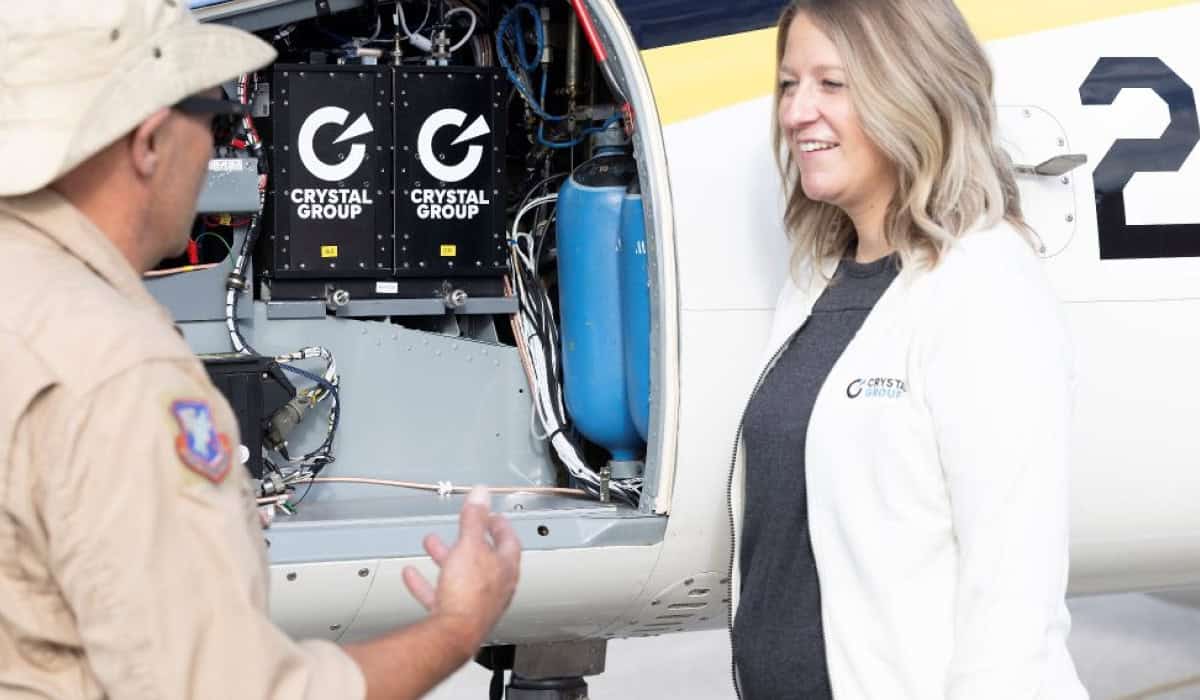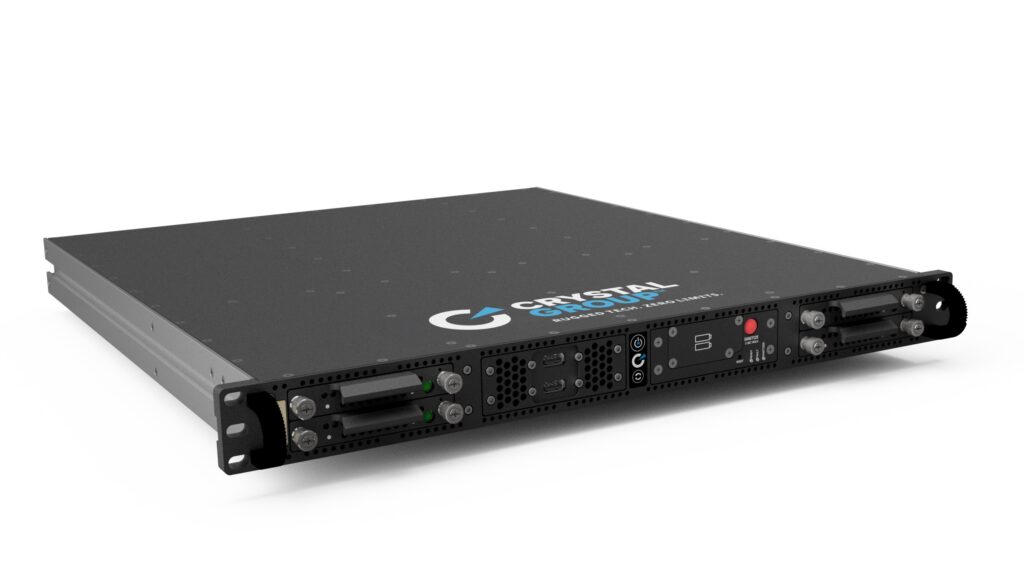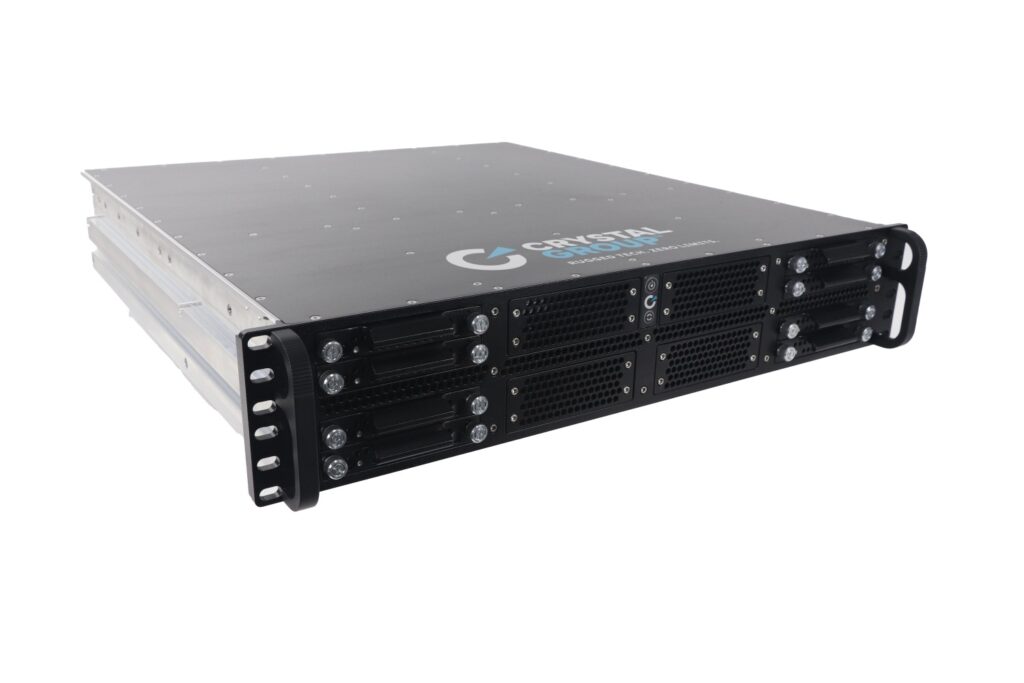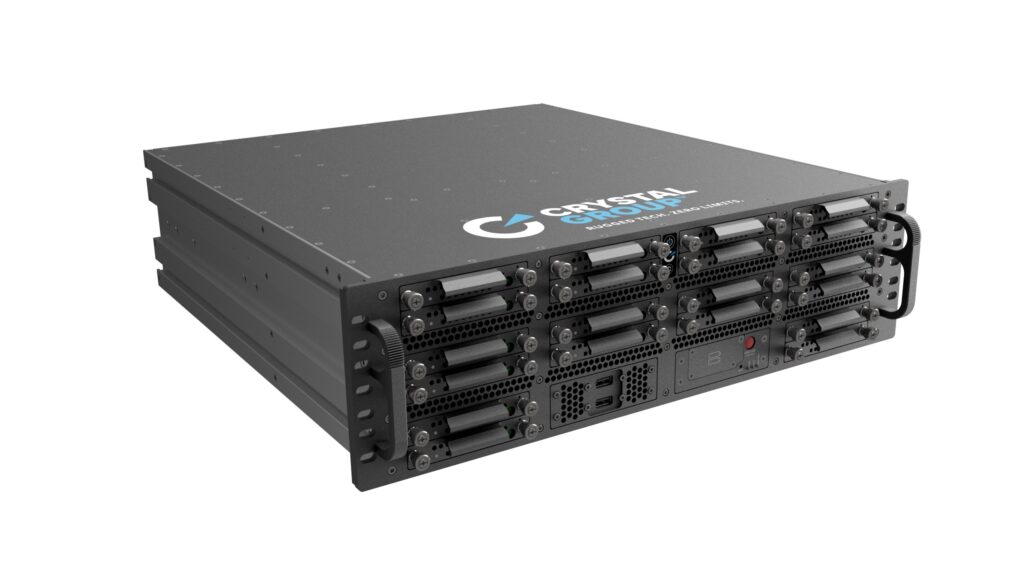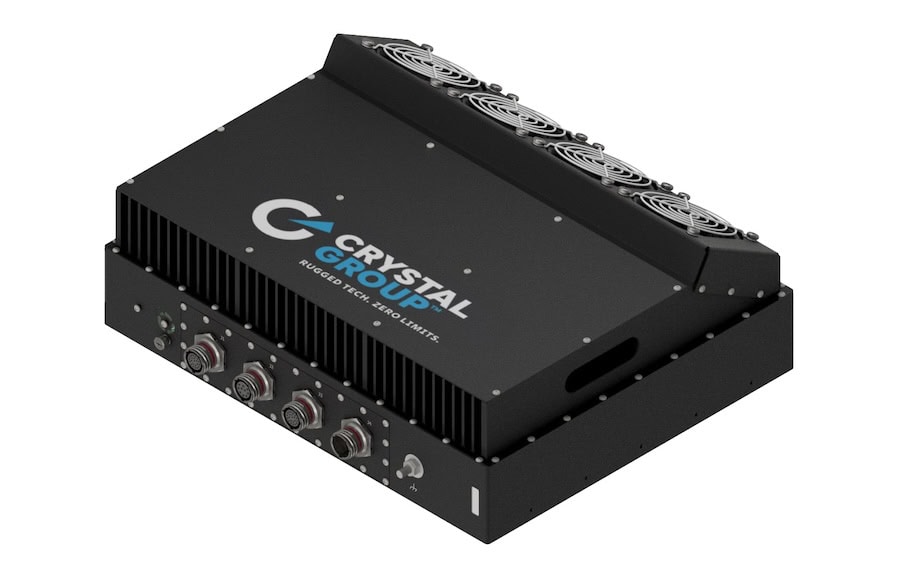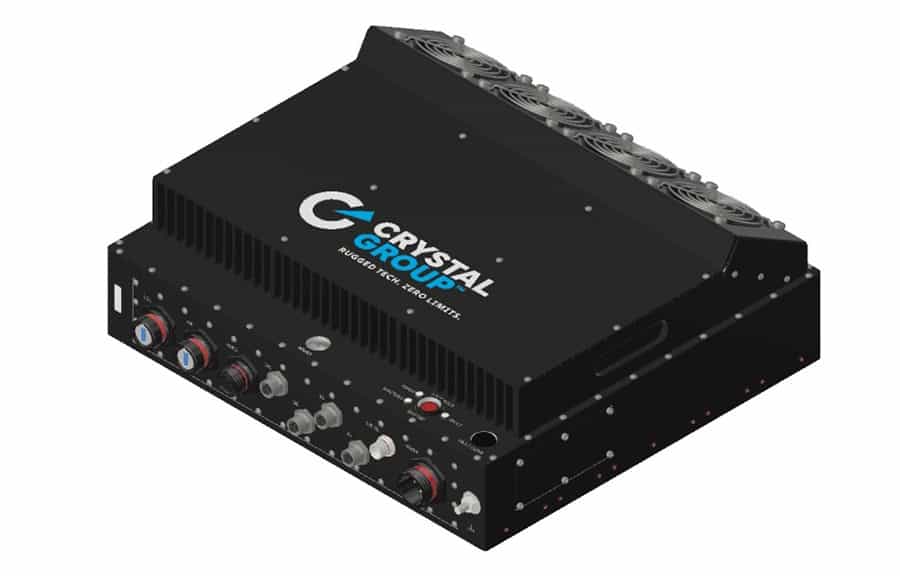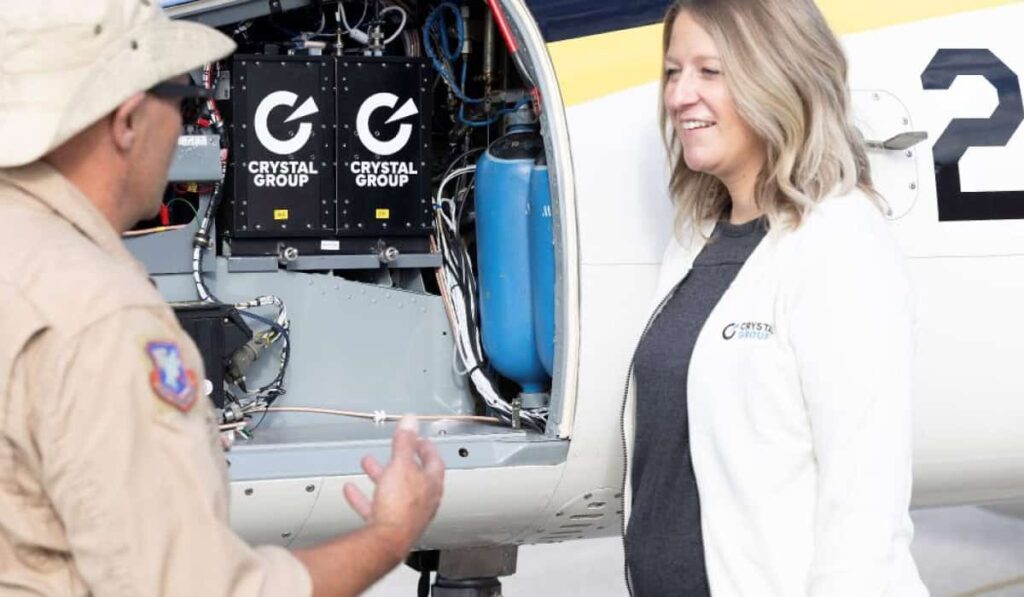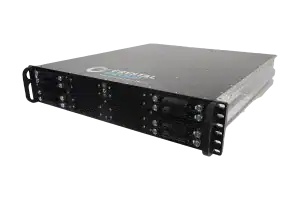




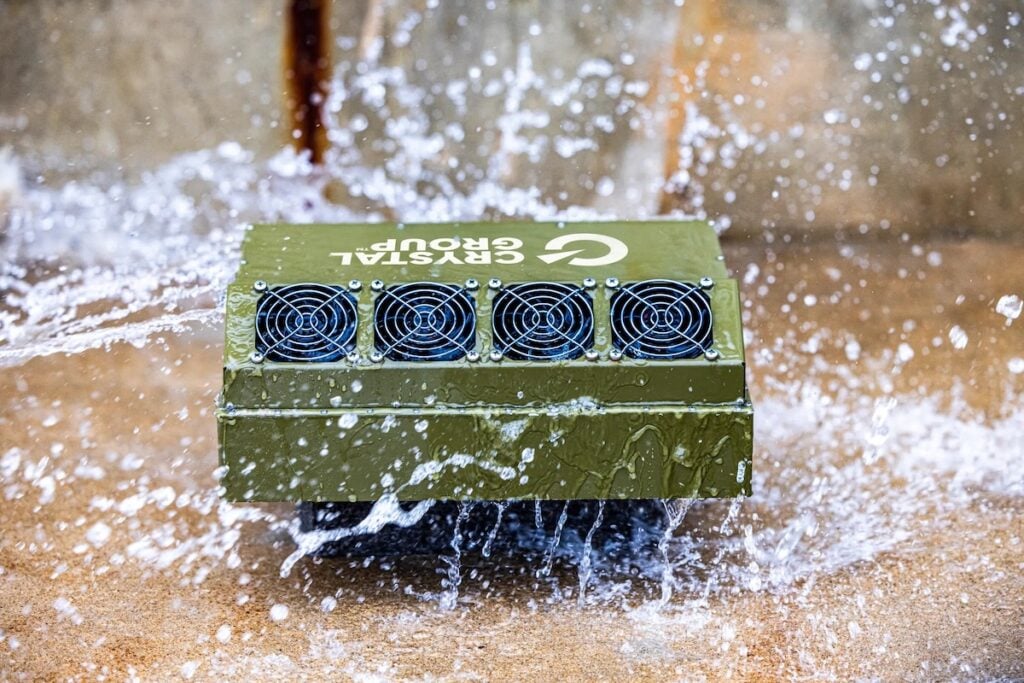
The growing use of artificial intelligence (AI) in defense operations is increasing demand for high-performance computing systems capable of processing data directly at the tactical edge. Crystal Group is addressing the challenges of deploying AI in demanding military environments, where computing performance must be balanced against size, weight, power consumption, and the ability to withstand extreme operating conditions.
As AI becomes more widely used for autonomous operations, situational awareness, and tactical decision-making, defense organizations are placing greater emphasis on processing information locally rather than depending on centralized data centers or cloud infrastructure.
This shift is changing the role of edge computing hardware. Systems traditionally used to collect operational data are increasingly being required to perform complex AI processing and inferencing in the field.
Morgan Uridil, advanced program pursuits manager at Crystal Group, “Historically, systems at the edge were focused on data collection. But lately, we have been seeing customers demanding solutions for AI machine learning and edge inferencing. The amount of compute that’s happening in those extreme environment situations is growing.”
Bringing AI Processing Closer to Defense Operations
The Department of Defense and its mission partners are prioritizing AI-driven computing capabilities at the tactical edge to support faster processing, reduced reliance on centralized networks, and more immediate access to operational information.
While AI models can be developed and evaluated in controlled laboratory environments, deploying those capabilities in military applications introduces additional hardware requirements.
Defense computing systems must support demanding AI workloads while operating within the physical and environmental limitations of aircraft, naval platforms, and ground vehicles. These requirements create a need for rugged, compact, and power-efficient computing hardware capable of performing inferencing under extreme conditions.
Predictive maintenance on military aircraft illustrates the potential benefits of localized AI processing.
AI-powered analytics can identify indications of possible equipment failures before they occur, helping reduce downtime and improve operational readiness. For these applications, processing data directly aboard the aircraft avoids the latency and security risks associated with transmitting information to cloud-based systems for analysis.
Performing these tasks locally requires sufficient computing capacity to execute AI models without depending on continuous access to remote infrastructure.
Addressing Size, Weight, and Power Constraints
Integrating high-performance AI computing into military platforms presents challenges that differ from those encountered in laboratory or conventional commercial environments.
Although commercial off-the-shelf (COTS) technology provides access to current computing capabilities, defense applications also require hardware configurations that accommodate specific size, weight, and power (SWaP) restrictions.
Available installation space is often limited, particularly aboard aircraft, ships, and ground vehicles. Additional equipment weight can affect platform mobility and increase logistical demands, while power consumption must remain within available energy resources.
These constraints make it necessary to balance AI processing performance with the physical characteristics of the computing system.
Development timelines introduce another consideration. Military organizations may need access to recently available electronic components without waiting for hardware to be developed around a completely customized design.
Todd Prouty, senior business development manager at Crystal Group, “They need the latest, greatest electronics available, and they need to use it now. They can’t wait for someone to lay out a circuit card and do a custom component layout design that meets their exact fit needs.”
Crystal Group works with customers to right-size AI computing hardware for defense applications, adapting systems developed for laboratory use into rugged configurations suitable for operational deployment.
Through collaboration with technical partners, the company integrates AI computing capabilities into systems intended to meet the durability, efficiency, and physical constraints of military environments.
Supporting Real-Time Inferencing at the Tactical Edge
Processing AI workloads at the edge can reduce the delays associated with transferring data to centralized infrastructure and waiting for analysis to be returned.
This capability is relevant to several defense applications, including autonomous drone operations, real-time threat detection, and AI-assisted battlefield analytics.
By performing inferencing locally, computing systems can make processed information available closer to the point of collection, supporting more immediate operational decision-making.
For military users, the potential benefits include improved battlefield awareness through timely AI-generated insights, reduced processing latency, and greater operational efficiency.
However, achieving these benefits depends on the availability of computing hardware capable of sustaining AI workloads under the environmental and SWaP constraints of deployed platforms.
Ruggedization is therefore an important consideration alongside processing performance. Hardware must be capable of operating in demanding conditions while meeting the physical and energy limitations of the intended application.
Translating Laboratory AI Capabilities into Deployable Systems
A continuing challenge for defense organizations is translating AI capabilities demonstrated in research and development environments into systems that can be used reliably during field operations.
Laboratory hardware may provide the computing resources needed to develop and evaluate complex algorithms, but the same configurations may not be suitable for deployment on military platforms.
Crystal Group’s approach focuses on bridging this gap through rugged, high-performance computing systems that accommodate the requirements of tactical edge applications.
Rather than relying exclusively on custom component-level development, the company works with customers and technical partners to integrate available AI computing technology into hardware configurations suited to operational requirements.
As demand for AI machine learning and edge inferencing increases, this approach reflects a broader change in defense computing requirements. Edge systems are moving beyond data collection to support more processing and analysis directly in the field.
The ability to accommodate these workloads within rugged, SWaP-optimized hardware will remain an important factor in deploying AI capabilities across defense platforms, particularly where real-time processing and reduced dependence on centralized networks are operational priorities.
Read Why High-Performance Edge Computing is Critical for Defense on the Crystal Group website.