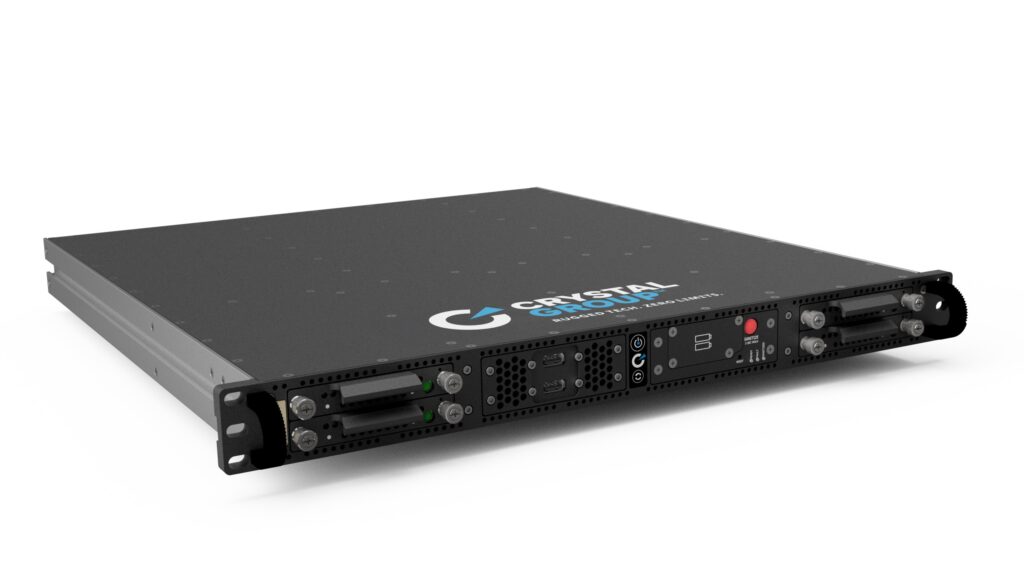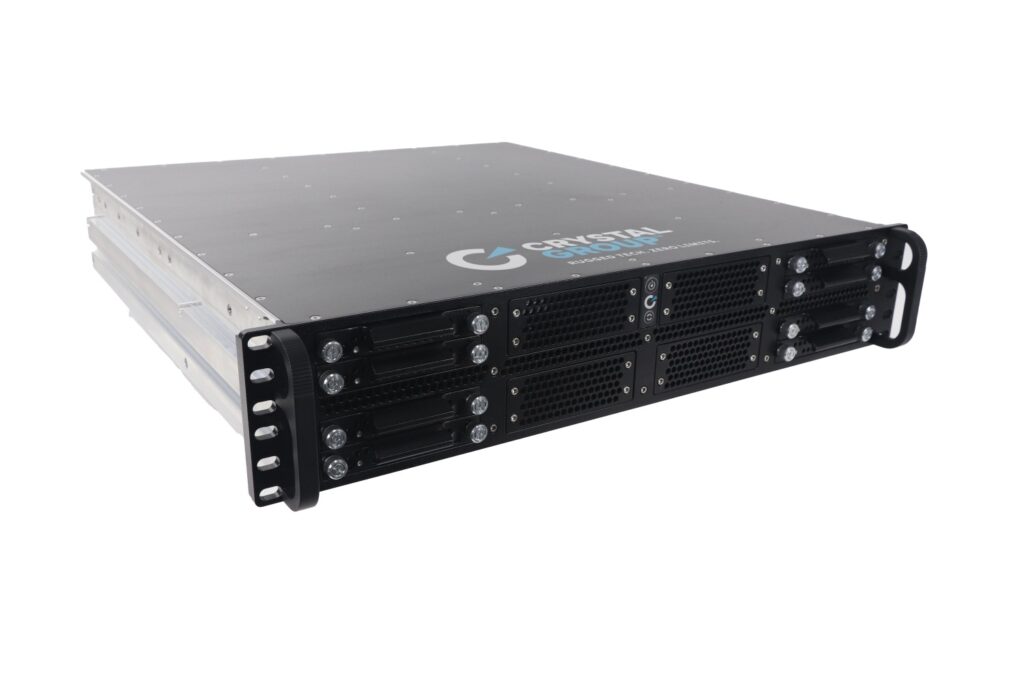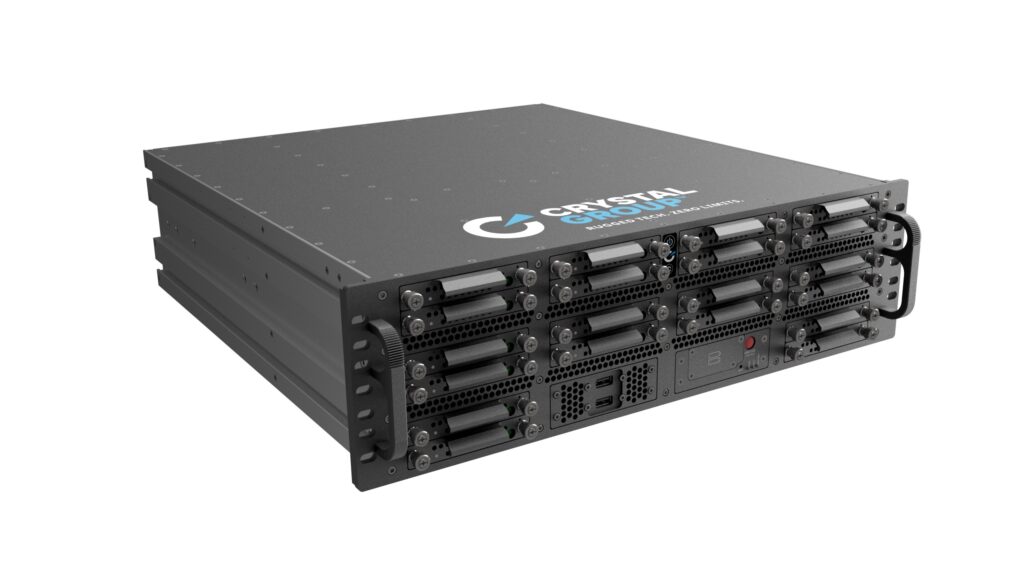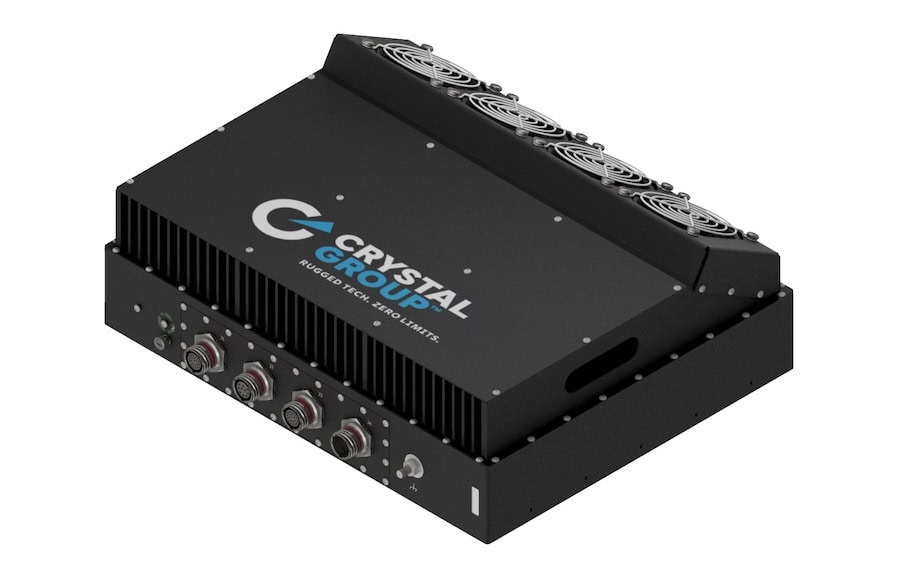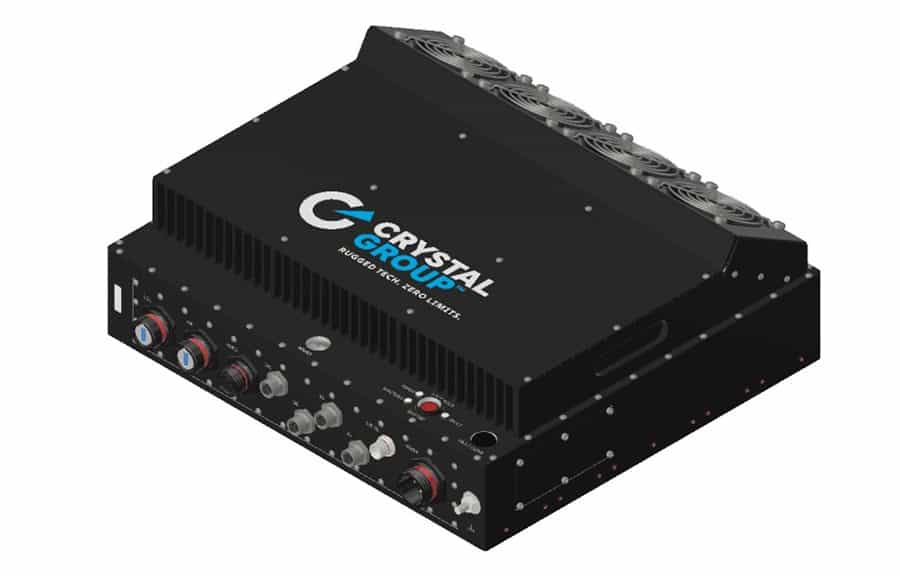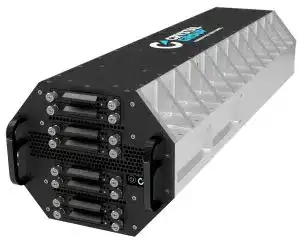




Crystal Group’s rugged removable drive packs are designed for data storage applications across defense, industrial, and commercial sectors, addressing requirements for durability, efficiency, security, thermal management, and drive portability.
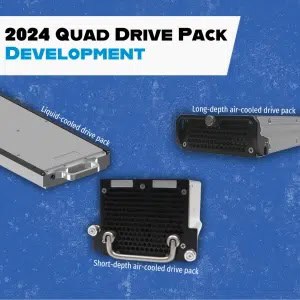 NVMe is gaining prominence due to its speed and efficiency, facilitating increased storage capacities while progressing toward advanced cybersecurity features typically present on SATA and SAS drives today.
A few select NVMe drives have achieved Federal Information Processing Standards (FIPS) certifications and are suitable for Commercial Solutions for Classified (CSfC). SATA and SAS interfaces remain in use, while NVMe is becoming the preferred choice for high-performance storage needs.
Connector Wear and Durability
Traditional drives typically endure about 500 insertion and removal cycles before connectors degrade. Crystal Group’s rugged drive packs are proven to withstand more than 100,000 cycles, enabling daily drive removals for five to ten years without performance loss.
This longevity allows entire programs to operate without mid-cycle replacements.
Thermal Management and Hot-Swappable Operation
Drives are often the most thermally sensitive components, and Crystal Group provides solutions that function effectively regardless of the customer’s cooling setup, including passive cooling options.
The liquid-cooled drive pack is conduction-cooled and compatible with liquid coolant or air-over conduction.
Hot-swappable drives can be removed and replaced without system shutdowns, maintaining continuous operation and data collection. The design includes blind-mate and lockable options, while a single thumb screw enables easy removal and rapid system declassification when necessary.
Standardization and Sealed Drive Packs
The drive packs conform to the industry-standard 2.5-inch U.2 form factor, facilitating the transfer of data between systems and applications.
Sealed removable drive packs are compatible with IP67- and IP68-rated products, providing protection against dust and water ingress. The drive packs can also be integrated into Crystal Group’s RE3423M Sealed Server.
Drive Pack Applications
Drive pack applications include organizations building extensive repositories of field data, autonomous vehicle systems requiring reliable data storage, entities developing AI datasets that must remain confidential, and scenarios requiring the collection of large data volumes for secure storage.
Crystal Group is also preparing for future developments, including the E.3 standard.
For more information, please visit the Crystal Group website.