


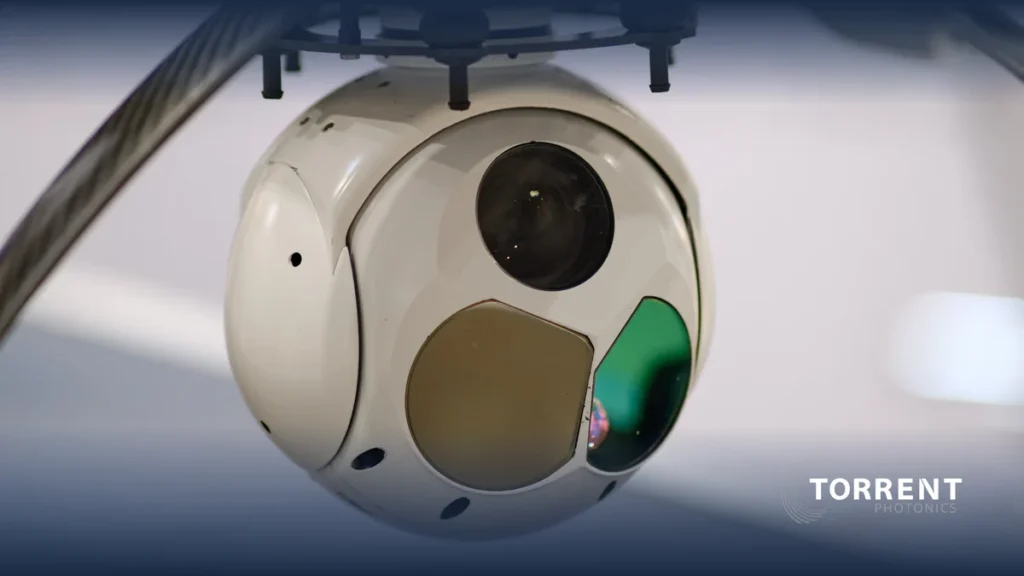
Torrent Photonics outlines how precision optical fabrication influences the detection range, signal quality, and reliability of defense LiDAR systems, highlighting the role of lenses, filters, and coatings in Unmanned Aerial Vehicle (UAV), maritime surveillance, and perimeter security applications.
Detecting low-reflectivity and low-observable targets at several hundred meters requires careful management of the optical link budget, which accounts for photon losses throughout the transmit and receive optical chain. Defense LiDAR components must also withstand vibration, mechanical shock, salt-fog ingress, broad operating temperature ranges, and, in some cases, adversarial laser exposure.
Wavelength Selection and Optical Components
Torrent Photonics highlights wavelength selection as a key factor in optical design. At 905nm, mature, cost-effective silicon Avalanche Photodiodes (APDs) make this the most widely used waveband for UAVs and ground-based perimeter systems. At 1550nm, higher permissible pulse energy within eye-safe limits makes this a preferred option for longer-range maritime and defense applications, typically using Indium Gallium Arsenide (InGaAs) detectors.
Each component has distinct fabrication requirements:
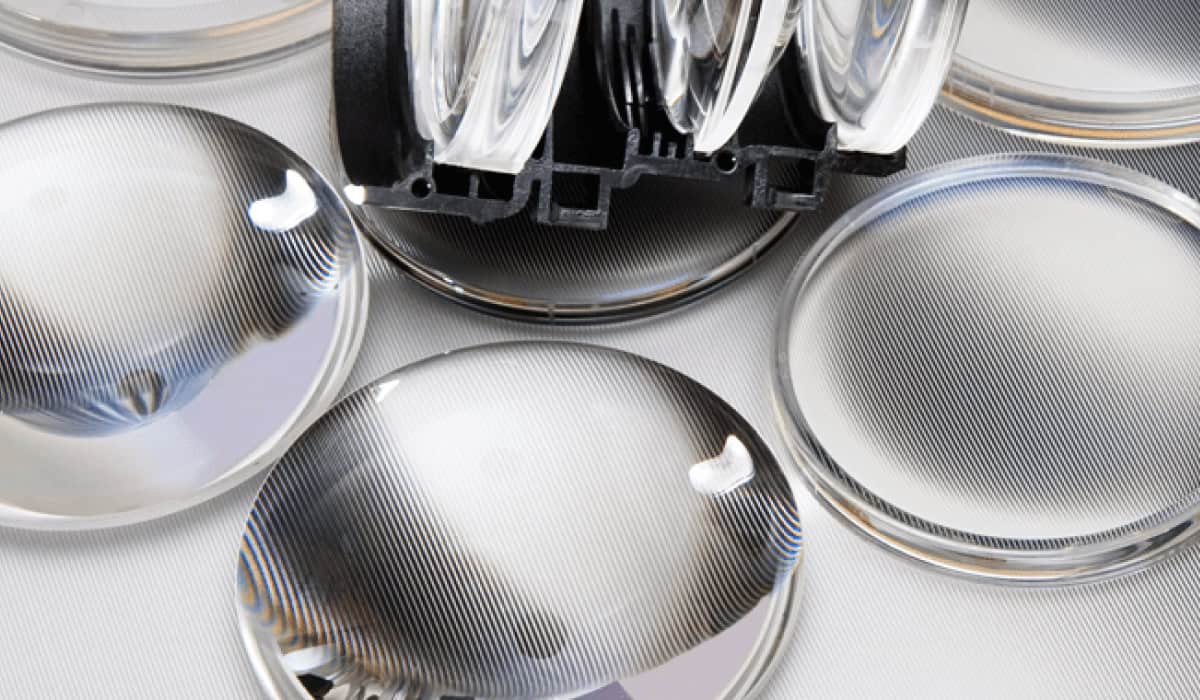
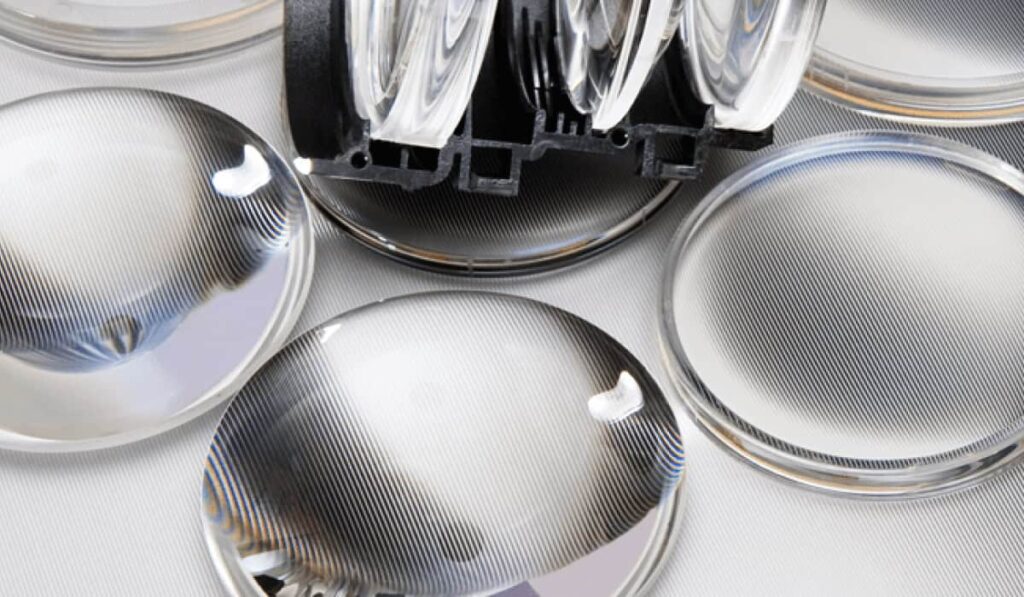
- Aspheric lenses collimate laser diode output, with surface form and centration tolerances affecting beam quality and far-field divergence.
- Plano optics and transmissive windows require high surface quality to minimize scatter and withstand laser flux without degradation.
- Polygon scanning mirrors, used for range finding and target detection in maritime and airborne LiDAR, require precise surface flatness and high coating reflectivity to limit pointing errors and photon losses.
- Risley prism pairs provide compact laser beam steering, with wedge angle tolerances directly affecting pointing accuracy.
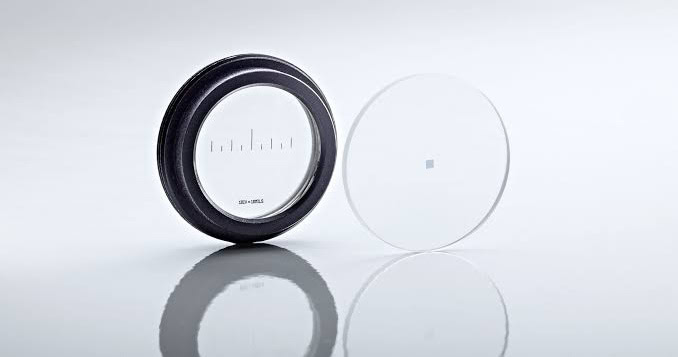
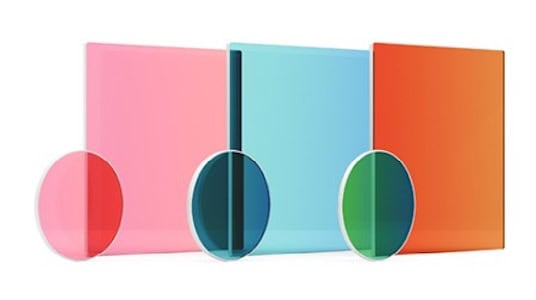
- Coated bandpass filters reject solar background noise while transmitting laser returns. Defense systems typically specify OD6 out-of-band blocking or better, with longer-range defense applications often requiring OD8 and wavelength control matched to laser emission.
Surface Quality and Laser Damage Resistance
High Laser-Induced Samage Thresholds (LIDTs) are important for systems operating with high-repetition-rate pulses, prolonged operational cycles, and potential adversarial laser exposure, without frequent maintenance.
Multilayer thin-film coatings are identified in the source as the weakest element in the optical degradation pathway, while the integrity of the polished substrate affects coating performance and baseline LIDT. Precision polishing removes subsurface imperfections introduced during fabrication.
For high-power, long-range LiDAR, scratch-dig tolerances of approximately 10-5 or finer help reduce stray light and improve signal-to-noise ratios. Torrent Photonics maintains these fabrication benchmarks through inspection and qualification to MIL-PRF-13830 optical quality standards.
Environmental Integration and Signal Processing
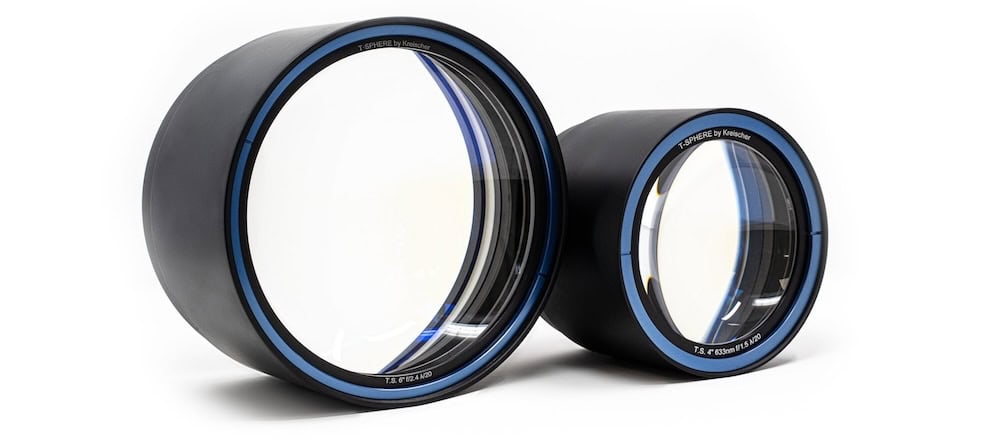
The company also highlights application-specific integration requirements. In airborne LiDAR, even submicron alignment drift can degrade target acquisition at detection distance, requiring optical elements to be bonded to mounts to address vibration. Maritime systems require hard-coated optics and sealed housings to withstand salt-fog ingress and shock loading.
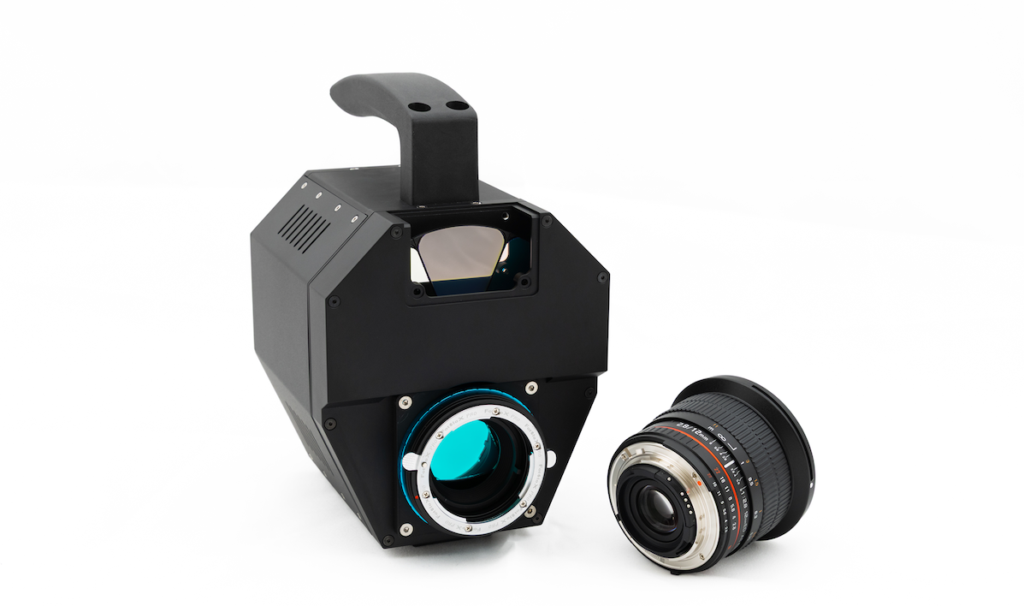
Ruggedized components, including optics, housings, and mounts, must be designed for shock, vibration, and humidity across UAVs, maritime surveillance, and perimeter LiDAR systems.
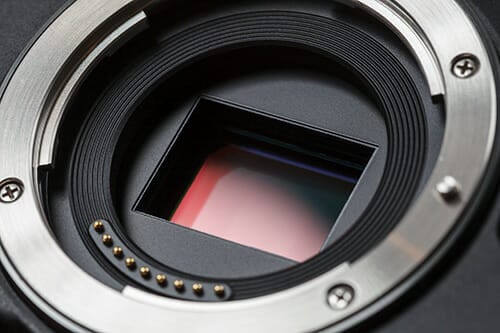
As increasingly solid-state LiDAR systems integrate into autonomous military platforms, optical quality also affects downstream electronics. Point cloud data feeds into system-on-chip architectures and smart sensing devices, where scatter, wavefront error, and filter bleed-through can propagate as false detections.
Torrent Photonics highlights the importance of matching optical fabrication specifications to the laser wavelength, environmental conditions, and performance requirements of each defense LiDAR application.