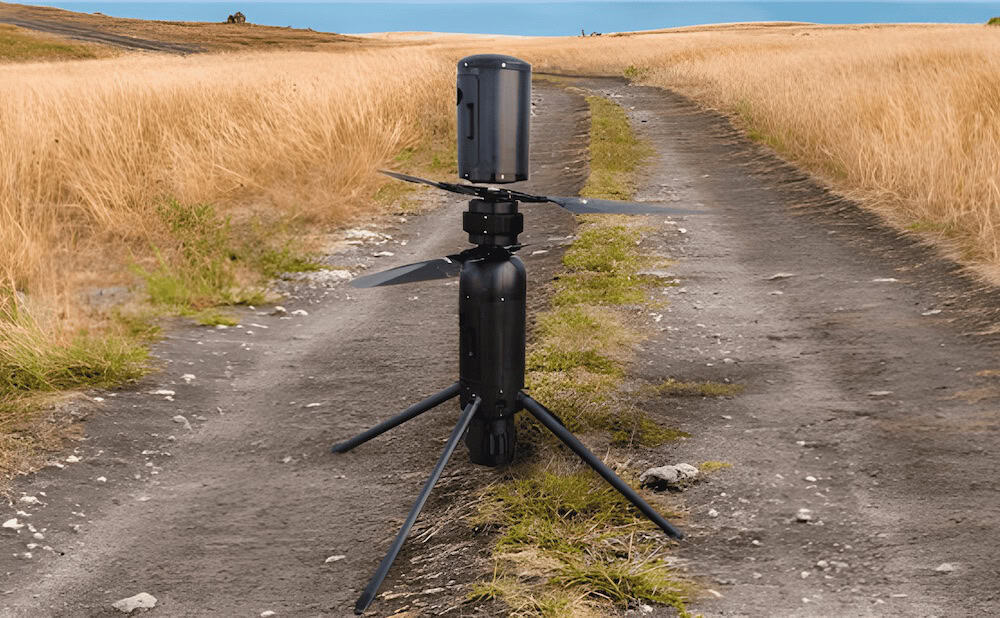

Modern defense operations increasingly require platforms to accommodate changing payloads, sensors, autonomy software and communications capabilities while also working across operational domains. Textron Systems is addressing these requirements through open architectures and modular design across systems including the Aerosonde® Uncrewed Aircraft System (UAS), TSUNAMI® Uncrewed Surface Vessel (USV), CUSV® craft, its family of robotic ground vehicles and the Cottonmouth® Advanced Reconnaissance Vehicle (ARV).
The underlying requirement is mission adaptability. Contested logistics, maritime security, distributed operations and multi-domain integration can create demands that change faster than traditional acquisition processes can accommodate. Platforms may therefore need to accept new capabilities, support different mission configurations and remain operationally relevant as requirements evolve throughout their lifecycle.
Textron Systems applies open architecture as a means of supporting this flexibility, allowing new capabilities to be integrated and operations to be scaled without requiring extensive platform redesign.
Designing for Changing Mission Requirements
Modern missions can require forces to integrate new sensors, autonomy software, communications systems and different payloads on accelerated timelines. Platforms may also need to be reconfigured as operational requirements change, including between successive missions.
Supporting that level of adaptability requires flexible system design as well as collaboration between government and industry. Textron Systems works with both communities on the integration of systems and capabilities for operational use.
A Modular Open Systems Approach (MOSA) provides the architectural basis for this work across the company’s air, maritime and ground platforms.
The design approach incorporates open interfaces intended to simplify integration, modular mission systems separated from vehicle hardware, vendor-agnostic payload and autonomy integration, interoperable command and control across platforms, and scalable computing architectures that support technology insertion.
Together, these characteristics allow technologies to be incorporated without extensive redesign or disruption to deployed systems. They also provide a mechanism for modifying platform capabilities as technologies and mission requirements change over time.
Configuring Aerosonde for Multiple Mission Sets
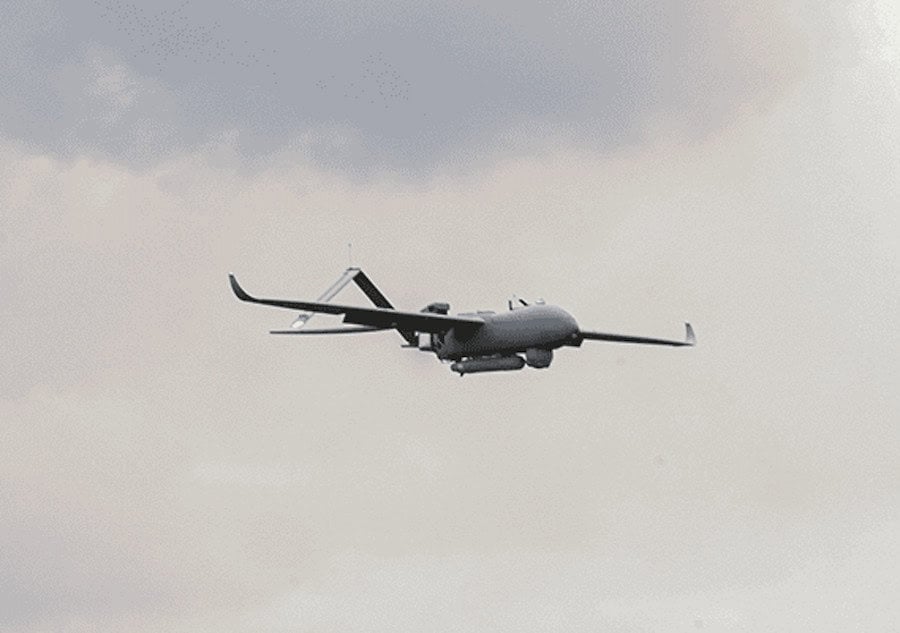
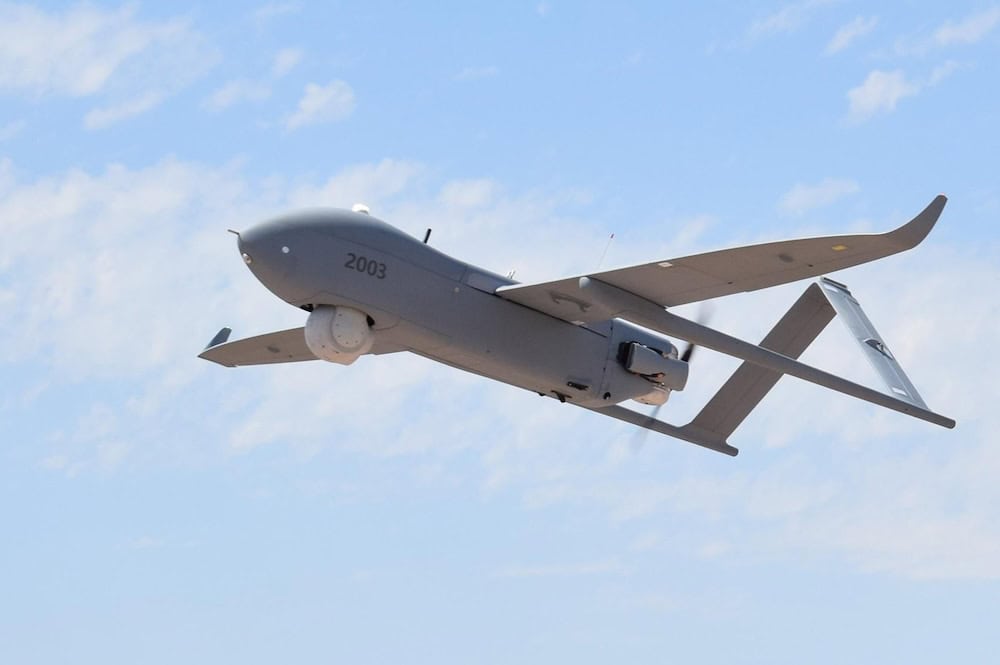
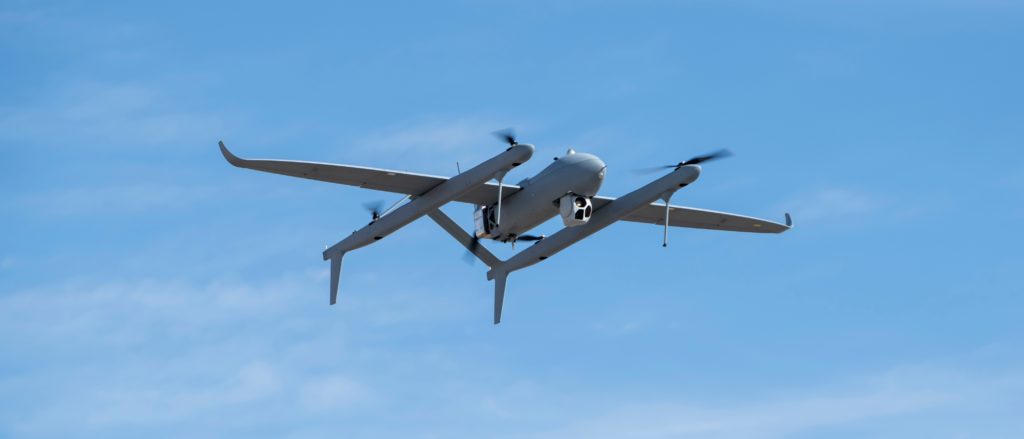
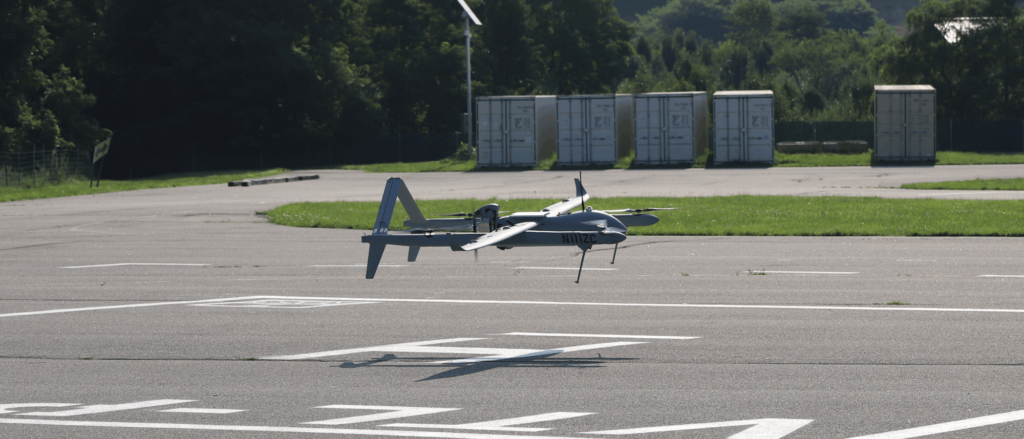
The Aerosonde Mk. 4.7 UAS contractor owned, contractor operated (COCO) fleet provides an example of how this approach is applied operationally.
More than 40 payloads have been integrated with the platform, while mission configurations can change between operating sites and individual flights. This allows Aerosonde to support multiple simultaneous mission sets.
Its open architecture also supports technology refresh, obsolescence mitigation and continuing capability upgrades. Textron Systems’ ownership of the full lifecycle provides an additional mechanism for managing those changes.
The resulting configuration flexibility supports global operations while allowing mission requirements to be adjusted without removing availability and sustainment considerations from the operating model.
Open Architecture for Ground Robotics
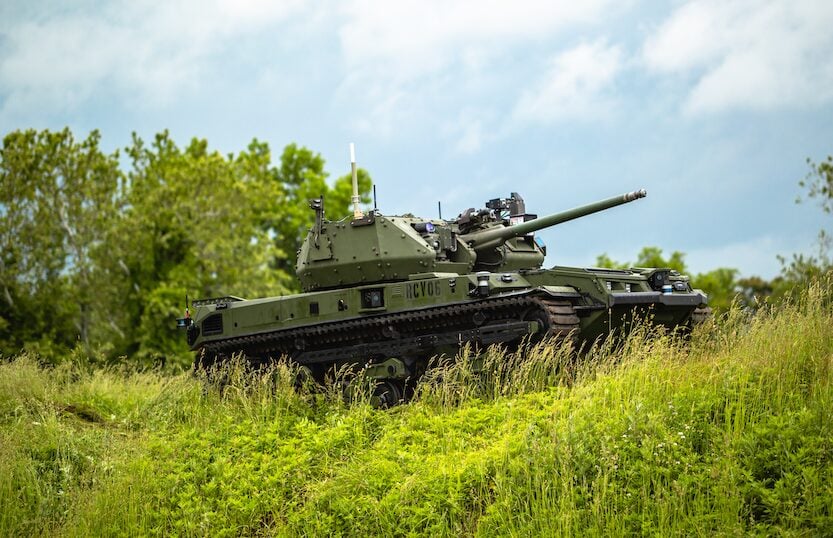
The same architectural principles extend to Textron Systems’ family of ground robotic vehicles. These systems use MOSA to accommodate changing battlefield mission sets and support the integration of capabilities from different industry partners.
One application of this approach has been the development of the RIPSAW® M3 into an autonomous self-driving system through collaboration with technology partners. The configuration combines human-driving capability with safety awareness technologies.
The objective is to allow warfighters to remain away from hazardous operating areas while maintaining their focus on mission-critical tasks.
A flexible integration model also allows autonomy technologies from different suppliers and technology stacks to be incorporated into the ground robotics portfolio rather than restricting integration to a single vendor.
This creates a pathway for emerging autonomy capabilities to be introduced as requirements and available technologies change.
Scaling Adaptable Maritime Systems
Mission adaptability can also involve manufacturing scale and the speed at which additional capability can be deployed.
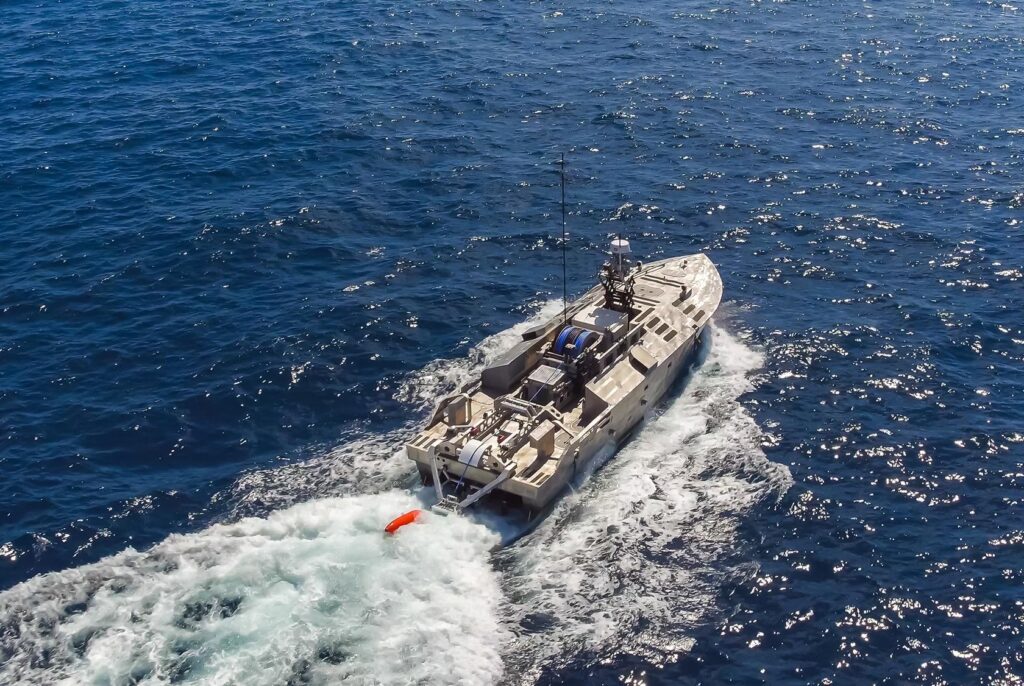
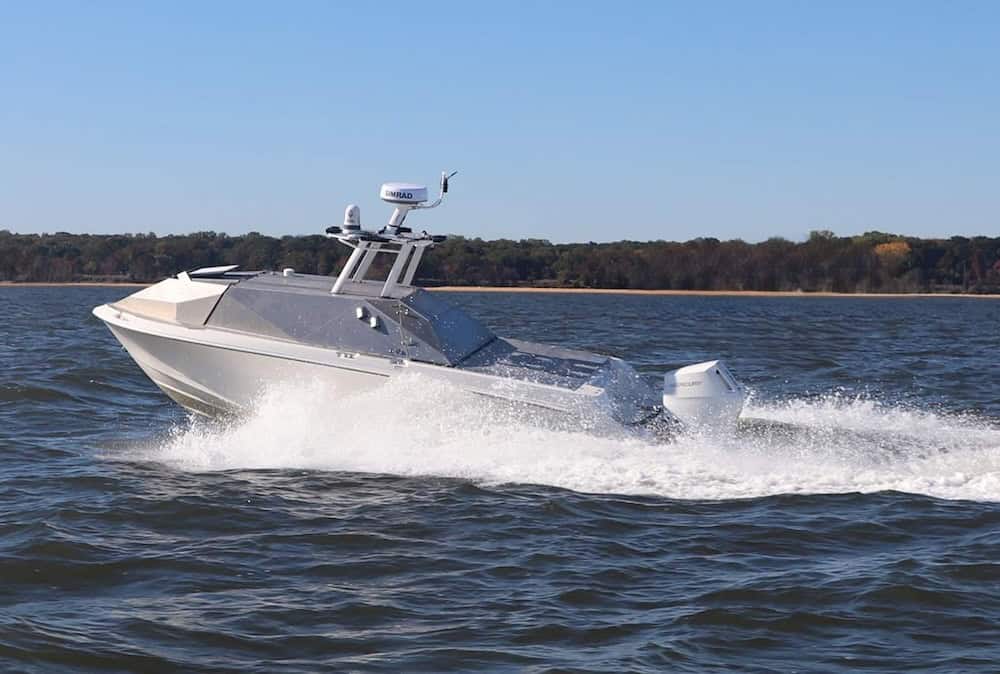
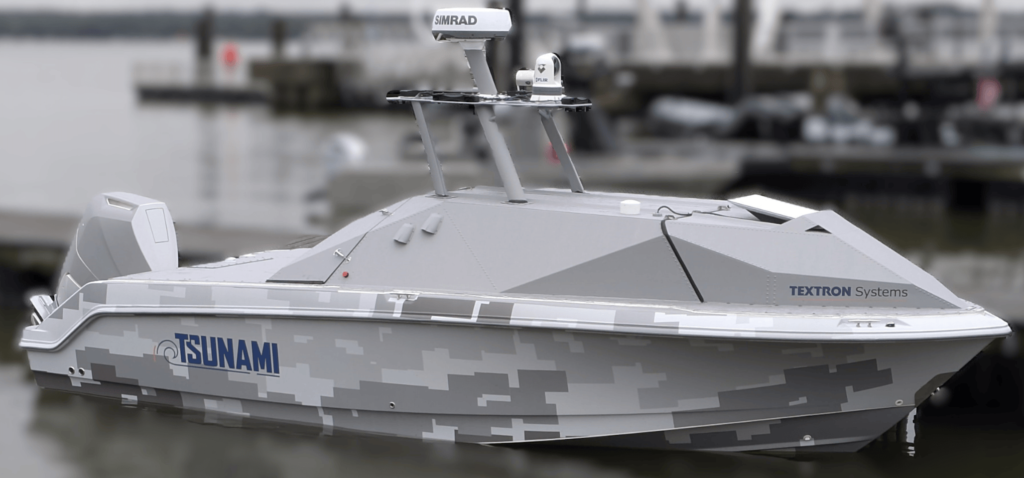
The TSUNAMI USV combines Textron Systems’ experience with maritime uncrewed systems with commercial industrial production capacity. The vessel is designed to support mission sets ranging from counter-narcotics to search-and-rescue operations.
Its modular configuration allows operators to outfit individual craft with payloads for different maritime missions. The system is also intended to integrate with domestic and allied forces.
TSUNAMI demonstrated aspects of this approach during NATO’s annual Robotic Experimentation and Prototyping with Maritime Unmanned Systems (REPMUS) exercise off the coast of Portugal, where it operated alongside allied naval forces.
During the exercise, the MOSA-enabled platform was integrated into the wider operation and demonstrated tracking and command-and-control capabilities that USVs can provide to a fleet. These capabilities can increase the resources available for maritime missions while allowing sailors to remain removed from some operational hazards.
Combining military uncrewed systems technology with scalable production capacity is intended to support affordability and responsiveness as requirements increase for distributed maritime presence and persistent sensing.
Linking Air and Maritime Platforms
The ability of individual platforms to accept new payloads and technologies represents one aspect of mission adaptability. Another is interoperability between systems operating in different domains.
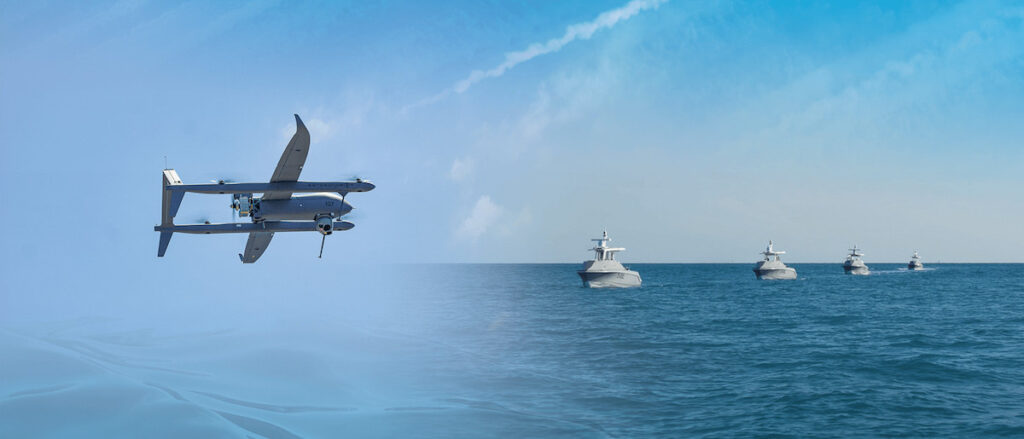
Textron Systems demonstrated this during the U.S. Navy’s Fleet Exercise (FLEX), where the Aerosonde UAS and TSUNAMI USV operated together in a synchronized aerial and maritime mission.
Aerosonde provided targeting and tracking capabilities, with an integrated command-and-control network relaying high-value sensor data to the TSUNAMI USV in support of a successful target strike.
The demonstration connected the aerial sensor and maritime platform while allowing operators to remain on land or at sea. This configuration was used to remove personnel from direct exposure during the sensor-to-shooter kill chain while maintaining the exchange of mission information between the systems.
The ability of Aerosonde and TSUNAMI to share data and perform complementary functions illustrated how interoperability can extend platform adaptability into multi-domain operations.
Connecting Aerosonde with Cottonmouth ARV
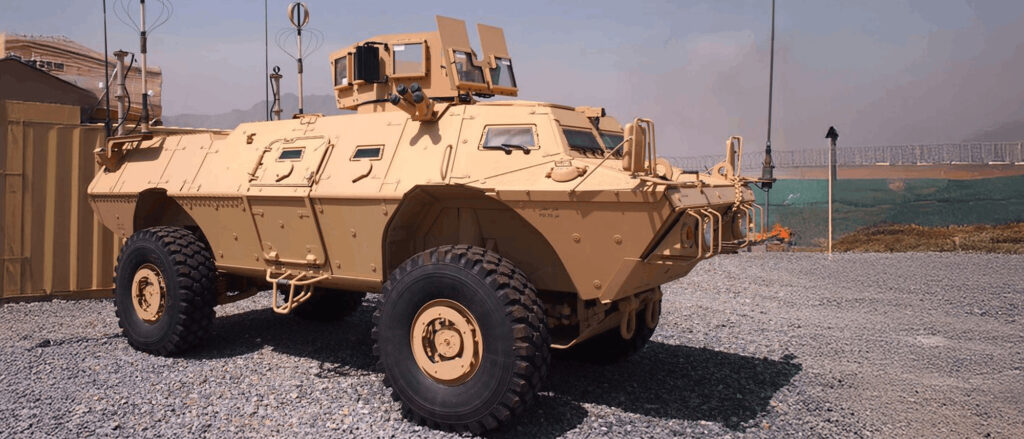
Air-ground integration has also been demonstrated through work involving Headquarters Marine Corps and the Cottonmouth ARV.
During this event, Aerosonde was integrated with Cottonmouth in an on-the-move configuration. The UAS conducted beyond line-of-sight flight operations and supplied targeting and tracking data to operators who remained inside the ARV.
Operators were also able to autonomously land the Aerosonde UAS from within the vehicle.
The demonstration connected sensors, autonomy and operator decision-making across the air and ground domains. Integrating interfaces between the two platforms provided a means of conducting UAS operations while personnel remained within the ARV, while also supporting changes in how the combined systems could be employed.
These demonstrations reflect a broader approach in which multi-domain interoperability is incorporated into platform and system architecture rather than added through ad hoc integration later in the lifecycle.
Maintaining Adaptability as Technologies Evolve
The pace of development in autonomy, AI-enabled operations, electronic warfare and multi-domain operations places continuing pressure on defense platforms to accommodate new capabilities.
For Textron Systems, the response centers on open architectures, modularity and collaboration with government and industry partners. Across Aerosonde, TSUNAMI, ground robotic vehicles and Cottonmouth, the objective is to provide architectures that can accept changing technologies and mission configurations while maintaining interoperability between systems.
As operational requirements continue to change, this approach provides a framework for technology insertion, payload integration and cross-domain collaboration throughout the lifecycle of the platforms.
Read Mission Adaptability: The Foundation of Textron Systems’ Mutli-Domain Advantage on the company’s website.