



Tyto Robotics outlines how fuel flow measurements can support defense Unmanned Aerial System (UAS) testing and mission planning, particularly for Intelligence, Surveillance, and Reconnaissance (ISR) operations. Read more >>
For fuel-powered Uncrewed Aerial Vehicles (UAVs), understanding fuel consumption is important when assessing the fuel required to reach a mission area, remain on station, and return with a planned reserve when recovery is intended. Measuring fuel flow at different throttle settings also allows engineers to examine how fuel delivery varies with engine operating conditions.
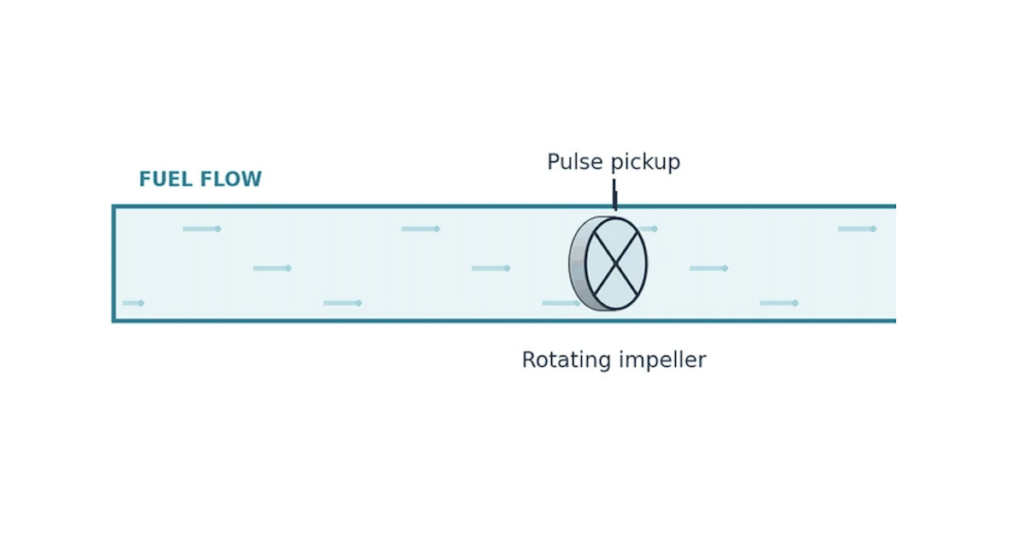
Fuel flow can be measured by volume or mass, using sensor technologies including turbine, positive displacement, transit-time ultrasonic, and thermal flow sensors. Each operates according to different measurement principles and has specific advantages and limitations, with factors such as fuel type, viscosity, operating conditions, and measurement accuracy influencing sensor selection.
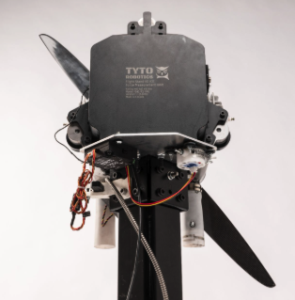
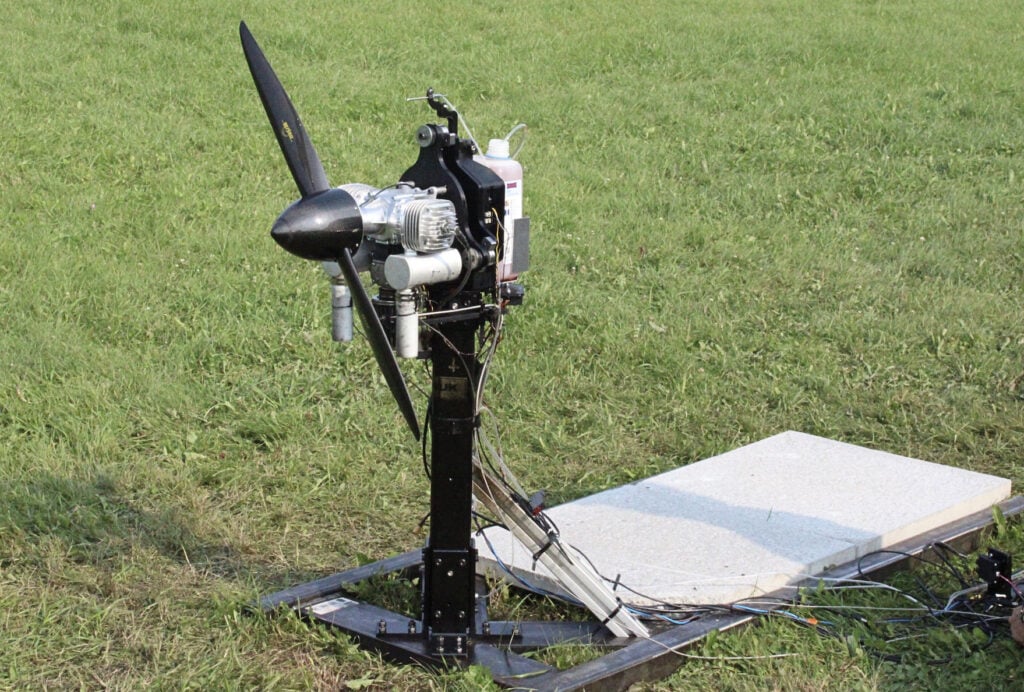
The Flight Stand 60 for ICE engines with the fuel flow sensor mounted
The Tyto Robotics Flight Stand 60 uses an inline mechanical type fuel flow sensor with a measurement range of 20 to 800 mL/min. The sensor is installed in the fuel line between the fuel tank and carburetor, with a fuel filter in between. It connects through a converter unit to the Force Measurement Unit (FMU), allowing fuel flow measurements to be recorded alongside thrust, torque, RPM, temperature, and airspeed during Internal Combustion Engine (ICE) testing.
For defense UAV test programs, these synchronized measurements can support pre-deployment fuel demand estimates, consumption monitoring during critical ISR operations, and investigations into unexpected engine performance changes under harsh conditions. Combining fuel flow data with other propulsion measurements can also help engineers assess engine performance, compare propulsion configurations, and estimate UAV operational endurance.
Find out more about how to measure UAS fuel flow rate on the Tyto Robotics website.