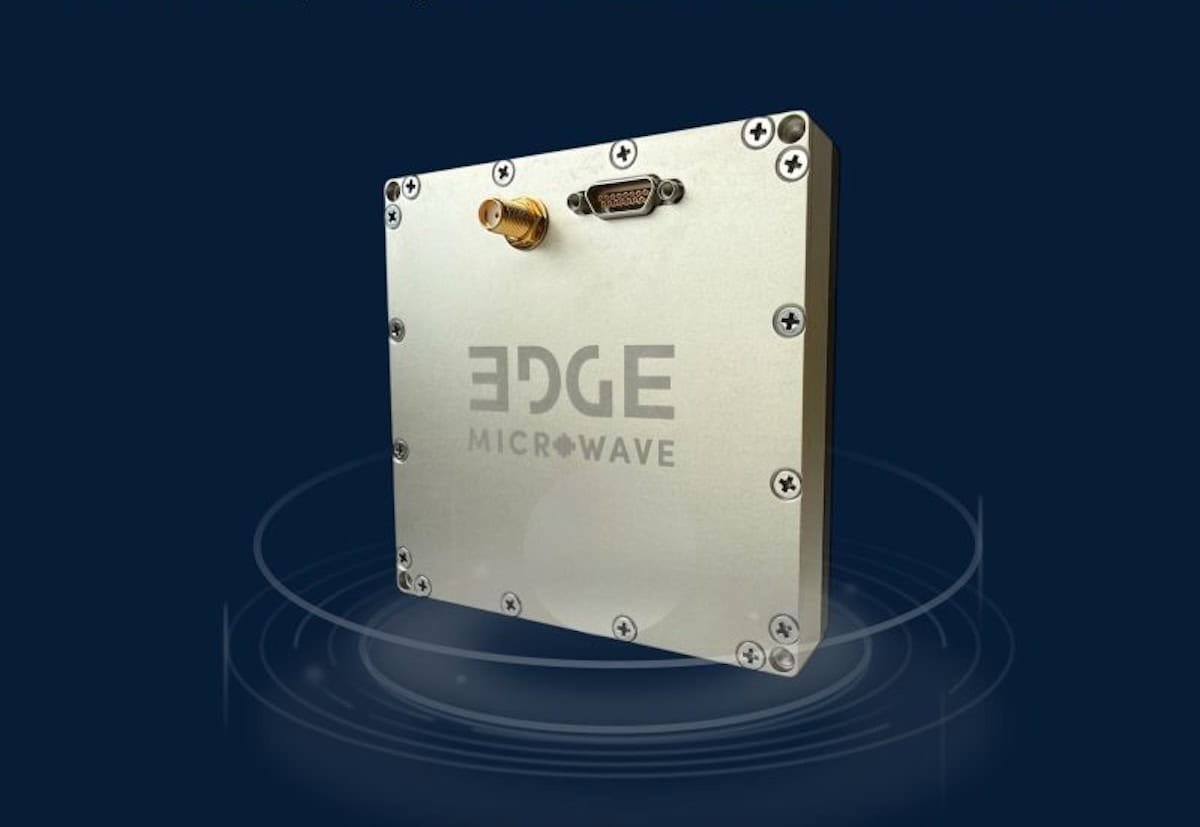




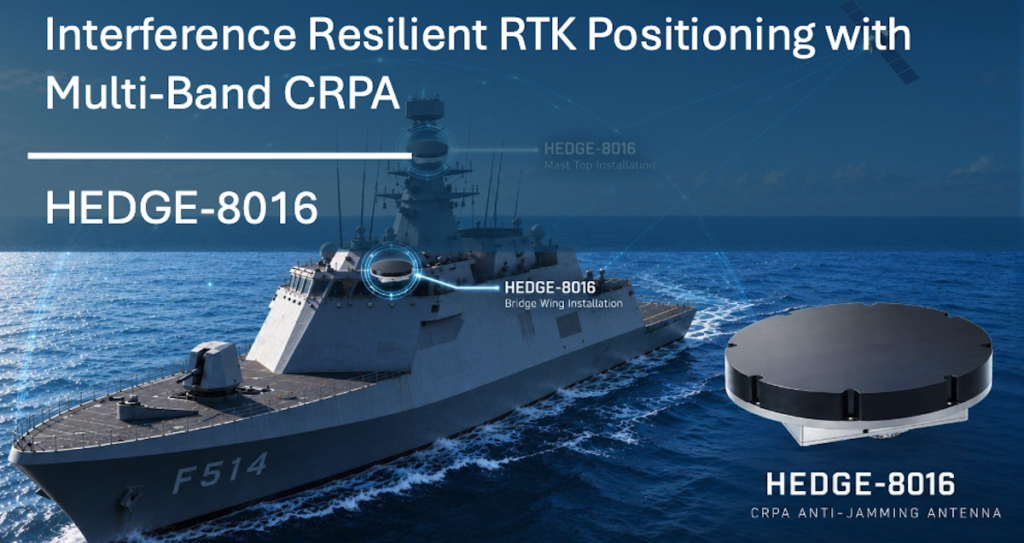
In this whitepaper, Edge Microwave examines the challenges of maintaining centimeter-level Real-Time Kinematics (RTK) positioning accuracy in GNSS interference environments. Read more >>
It explores how conventional GNSS CRPA systems can introduce carrier-phase variations during adaptive interference suppression, potentially disrupting RTK ambiguity resolution and positioning accuracy.
The HEDGE CRPA architecture combines adaptive spatial interference suppression with proprietary phase-stabilization algorithms to preserve carrier-phase integrity. Its multi-band architecture provides independent spatial interference mitigation across the L1, L2, and L5 GNSS frequency bands while maintaining compatibility with external multi-band RTK receivers.
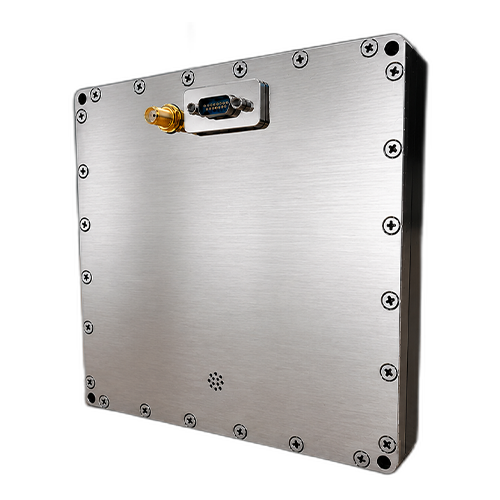
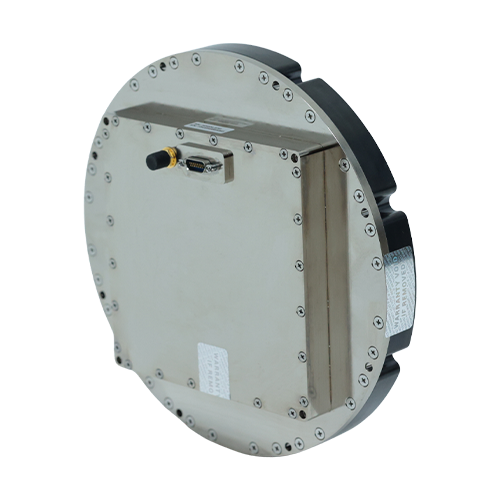
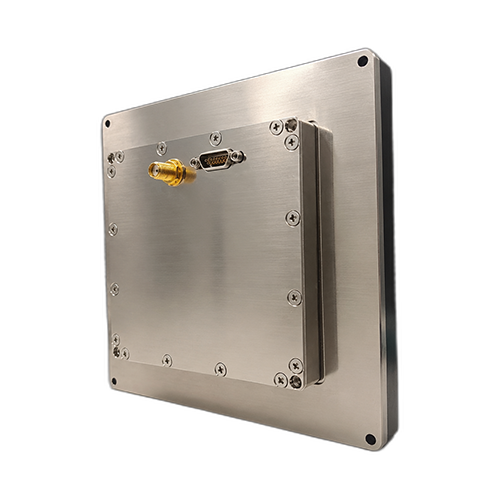
Two HEDGE-8016 configurations are examined: the C200 8+8 multi-band CRPA, supporting up to seven independent interference nulls, and the S130 8+4+4 configuration, supporting up to seven nulls on L1 and three per band on L2 and L5. Both configurations support GPS, Galileo, and BeiDou signals.
Experimental results reported in the whitepaper indicate that the HEDGE-8016 maintained an RTK-FIXED solution with centimeter-level accuracy under tested interference conditions, including severe dual-band L1/L5 interference. The findings illustrate how carrier-phase stabilization and multi-band spatial processing can support high-precision GNSS positioning in contested RF environments.
To read the full whitepaper, visit the Edge Microwave website.