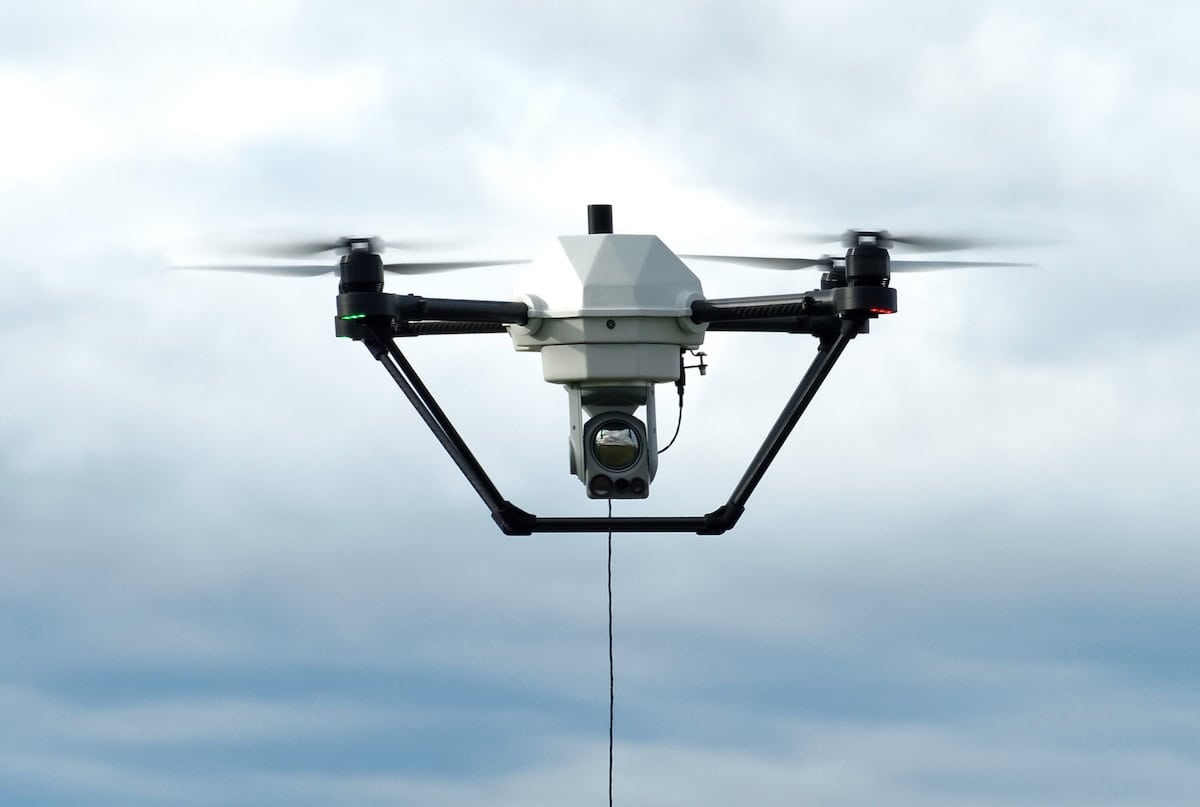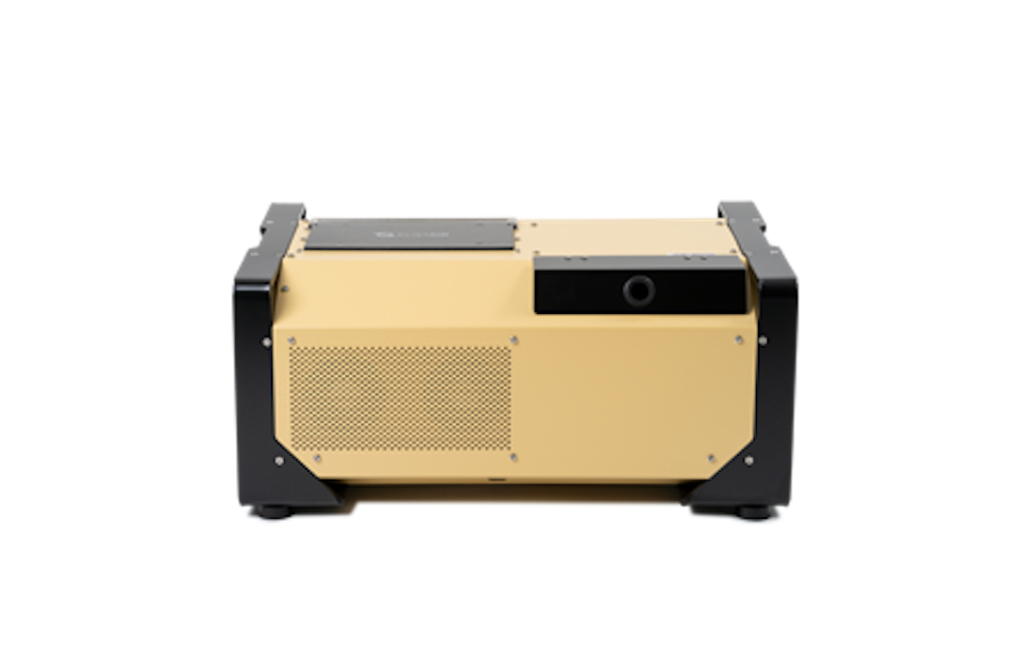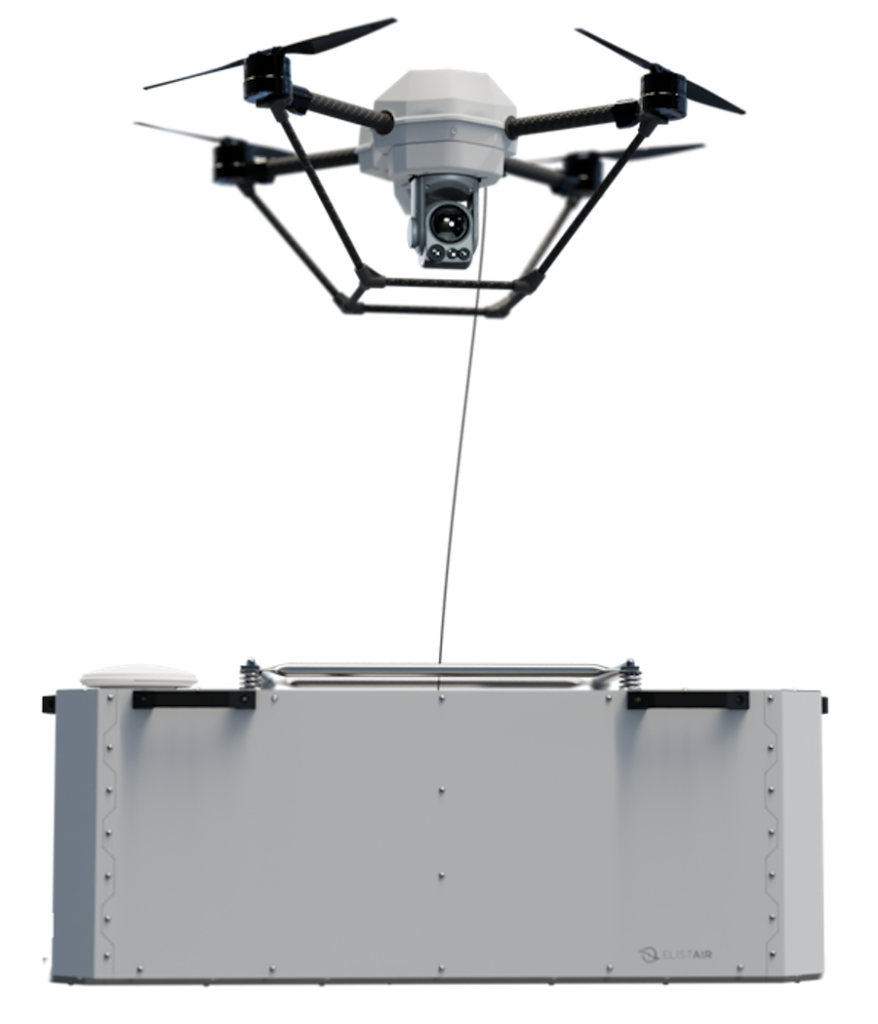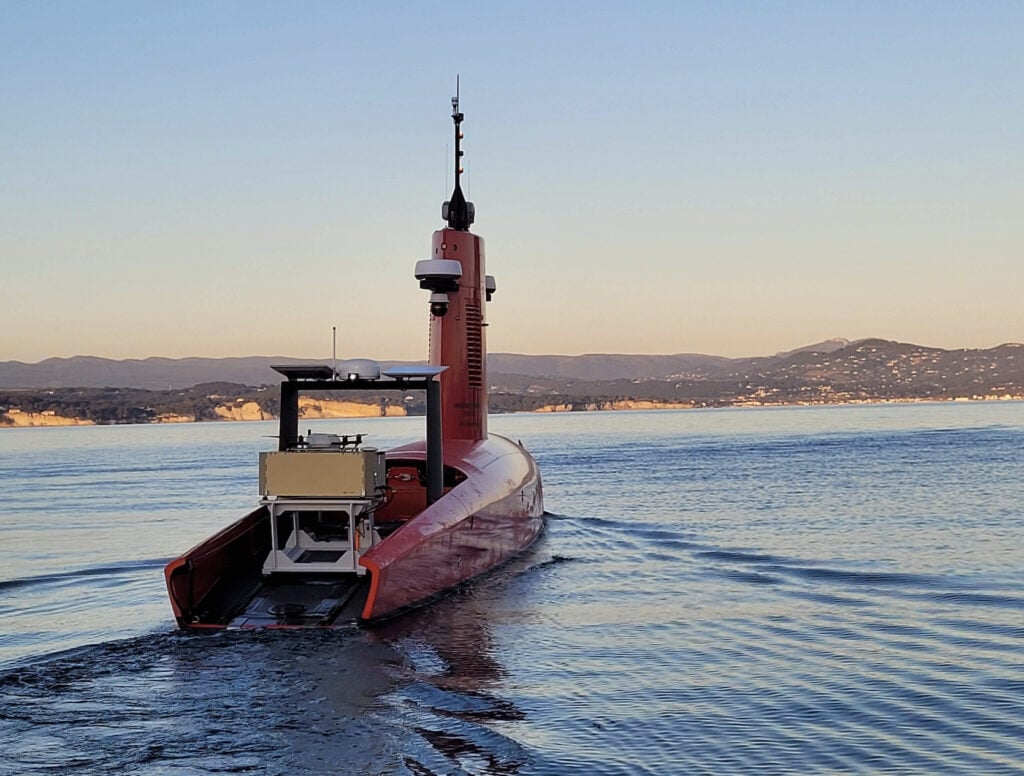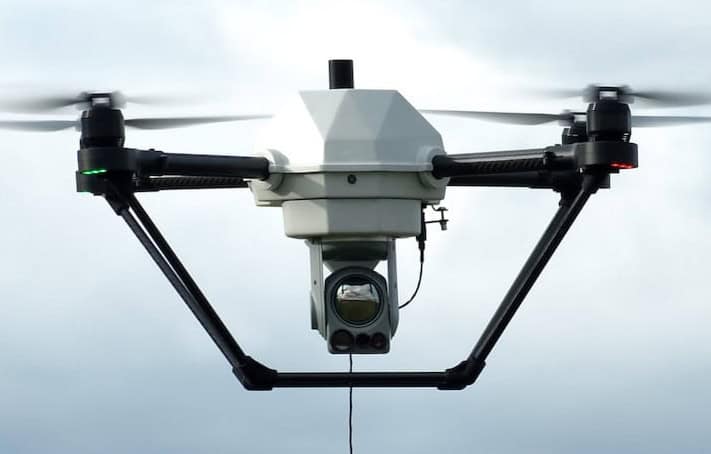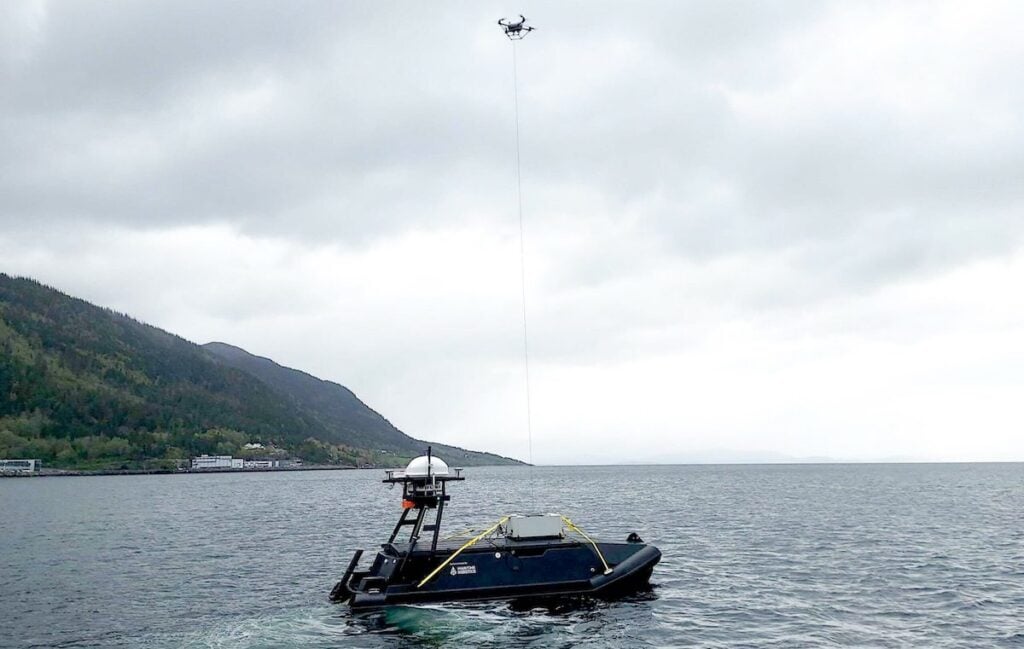




Elistair develops tethered Unmanned Aerial Vehicle (UAV) systems designed to support persistent Intelligence, Surveillance, and Reconnaissance (ISR) requirements for defense and security forces.
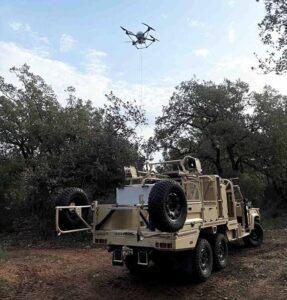
By combining continuous electrical power, secure data transmission via a physical tether, and rapid deployment, tethered UAV systems enable extended aerial overwatch in environments where free-flying drones may be limited by endurance, operating conditions, or communications constraints. These attributes make tethered platforms a practical ISR option for deployed operations and selected homeland security missions.
Core Operational Use Cases
Tethered UAV systems are most effective in operational scenarios that demand continuous presence, secure communications, and rapid deployment.
Forward Operating Base Protection
Tethered UAV systems support force protection at forward operating bases and remote outposts by providing sustained aerial surveillance of surrounding areas. Persistent overwatch improves early warning of approaching personnel, vehicles, or unmanned systems and helps reduce surveillance gaps that could be exploited by adversaries. When integrated with ground sensors and base security networks, tethered UAVs contribute to a layered defense posture and can be deployed shortly after a position is established.
Mobile Convoy and Maneuver Support
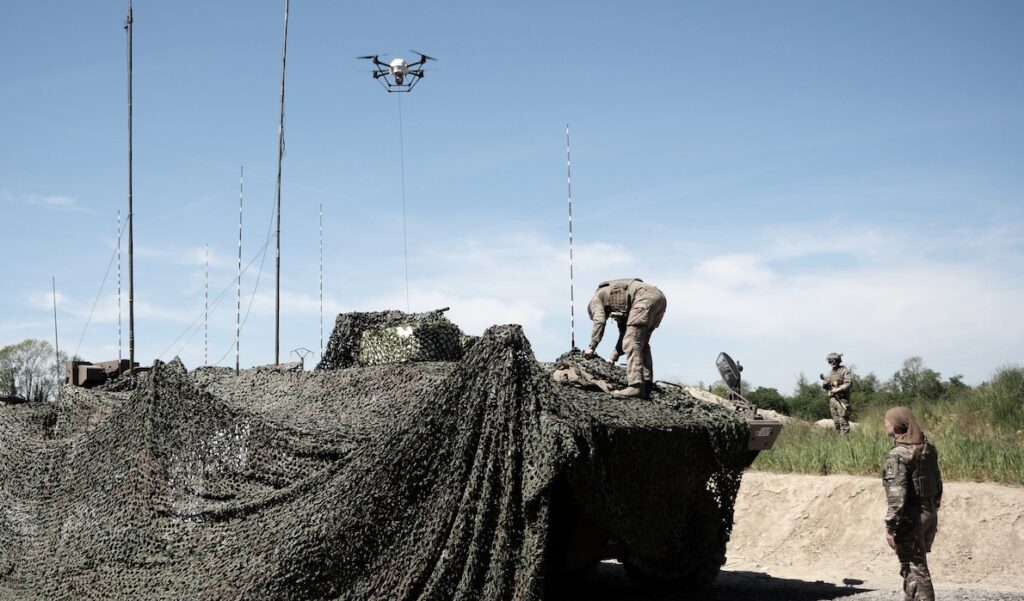
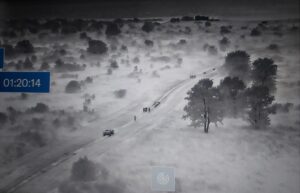 When integrated with vehicle platforms, tethered UAVs can enhance situational awareness for convoys and maneuver units during operations. Operating above terrain features, vegetation, and urban structures, they support route observation by identifying potential ambush locations, suspected IED activity, and other indicators of risk. This organic aerial perspective supplements other ISR assets and can improve force protection during movement.
Border and Perimeter Surveillance
For border security and perimeter protection missions, tethered UAV systems provide sustained monitoring across wide or remote areas where permanent surveillance infrastructure may be limited. Their elevated vantage point supports continuous detection of movement along borders, fences, and access routes in daylight and low-visibility conditions. Vehicle-portable systems allow repositioning in response to evolving security requirements or emerging threats.
Critical Infrastructure Overwatch
Tethered UAVs are also employed to support the protection of critical military and civilian infrastructure, including airbases, radar sites, energy facilities, and logistics hubs. Persistent ISR coverage can provide early indication of ground incursions or low-altitude aerial threats, including small unmanned aircraft. In some configurations, tethered UAV systems may also support communications relay functions, improving connectivity at high-value sites.
Doctrinal Guidance
Military planners are increasingly considering tethered UAV systems as organic ISR assets at battalion and brigade level. Their wired power and data links offer advantages in environments where GPS availability or radio communications are degraded. Doctrine emphasizes employing tethered UAVs for missions requiring extended observation, integrating them into communications architectures, and planning for power supply, physical protection, and system redundancy.
Training remains essential to effective employment. Units must be proficient in deploying, operating, and exploiting tethered UAV feeds and in integrating this information into command and control processes. When incorporated into ISR planning and force protection frameworks, tethered UAV systems can enhance situational awareness, support timely decision-making, and provide commanders with a persistent and reliable aerial surveillance capability across a range of operational contexts.
For more information about tethered UAV systems use cases, visit Elistair’s website.