



Establishing effective counter-unmanned aircraft system (C-UAS) protection in remote, temporary, or rapidly changing operational environments presents challenges beyond the deployment of equipment. D-Fend Solutions addresses these requirements through EnforceAir PLUS and its Tactical Deployment Kit.
These technologies combine multilayer drone detection and mitigation capabilities with a transportable configuration intended to reduce setup complexity and infrastructure dependencies.
The Challenges of Counter-Drone Operations in Remote Locations
Counter-drone systems are often deployed at established facilities where power, communications, physical infrastructure, and technical support are readily available. However, military, law enforcement, and security teams frequently operate in circumstances where these resources are limited or unreliable.
Newly established forward bases, remote border locations, VIP movements, temporary security positions, and operations in rough terrain can all require C-UAS protection without the support of permanent installations.
In these environments, operational teams may have limited personnel, minimal maintenance support, and little time to establish protection. Equipment must also accommodate changing requirements, including the movement of personnel and protected assets between locations.
Transportation, power availability, shelter, communications, and installation requirements can therefore influence how quickly a C-UAS system becomes operational.
The challenge is particularly significant where multilayer protection is required. Deploying multiple detection and mitigation technologies can introduce additional setup procedures, calibration requirements, integration dependencies, and operator workloads.
For teams operating with limited resources, these demands can extend the period between arrival at a location and the establishment of usable airspace awareness and protection.
Why Operational Readiness Matters More Than Assembly Time
At forward operating positions, unmanned aircraft may approach personnel and assets with limited warning. Delays in establishing C-UAS capabilities can increase exposure to drone-enabled surveillance, strikes, and operational disruption.
Although rapid assembly is an important consideration, it does not necessarily mean that a counter-drone system is ready for operational use.
Individual technologies may still require configuration, calibration, integration, and testing before operators can establish a comprehensive understanding of activity in the surrounding airspace.
These requirements become more demanding when multiple systems are deployed together. Separate detection and mitigation technologies may each have their own installation processes, interfaces, and training requirements.
Where personnel and technical support are limited, these additional demands can make multilayer C-UAS deployment difficult, potentially requiring teams to operate with reduced coverage.
Mobility introduces another operational consideration. Military units and security teams may need to disperse, relocate, or reposition protected assets as mission requirements change. Fixed defensive installations cannot always accommodate these movements.
Rapid C-UAS deployment must consequently account for the entire process of establishing operational capability, rather than equipment assembly alone.
The objective is to minimize the time required to establish airspace awareness and provide protection for personnel, bystanders, assets, and the surrounding environment.
Reducing the Complexity of Multilayer C-UAS Deployment
Counter-drone operations may require several complementary technologies to detect, assess, and mitigate unmanned aircraft threats. However, deploying these technologies independently can increase both technical complexity and operator workload.
An integrated approach can reduce some of these challenges by limiting the number of separate procedures and systems that personnel must manage.
Simplified installation reduces the steps required to establish operational capability, while automated calibration can limit the need for manual configuration and specialist engineering support at the deployment site.
Integration between detection and mitigation technologies can also reduce the requirement for field-level coordination between systems from different vendors.
A unified operational interface provides another potential benefit, allowing personnel to assess information from multiple technologies without switching between disconnected displays.
This is particularly relevant where a small number of operators must monitor airspace activity, evaluate potential threats, and determine appropriate authorized responses.
Decision-support capabilities can further assist personnel by presenting relevant information for threat assessment and mitigation decisions.
Together, these measures can reduce the deployment burden associated with multilayer C-UAS operations while retaining the complementary capabilities of different detection and mitigation technologies.
Integrating RF-Cyber, Radar, and RF Mitigation with EnforceAir PLUS
Operational environments may contain friendly, commercial, and hostile unmanned aircraft operating within the same airspace. Distinguishing between detected activity and evaluating potential threats can place considerable demands on small security teams.
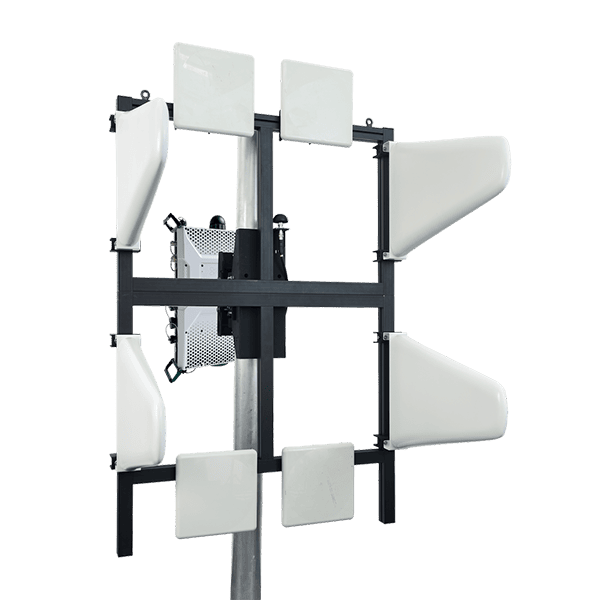
D-Fend’s EnforceAir PLUS builds on the company’s cyber-powered EnforceAir2 system, combining complementary counter-drone technologies within a compact, integrated architecture.
The system incorporates three layers of detection and mitigation capability.
RF-cyber detection and takeover provides the foundational layer of EnforceAir PLUS. The technology supports drone detection and mitigation through RF-cyber capabilities, using drone takeover rather than spectrum jamming. This approach is suited to operational locations where friendly communications systems are operating nearby.
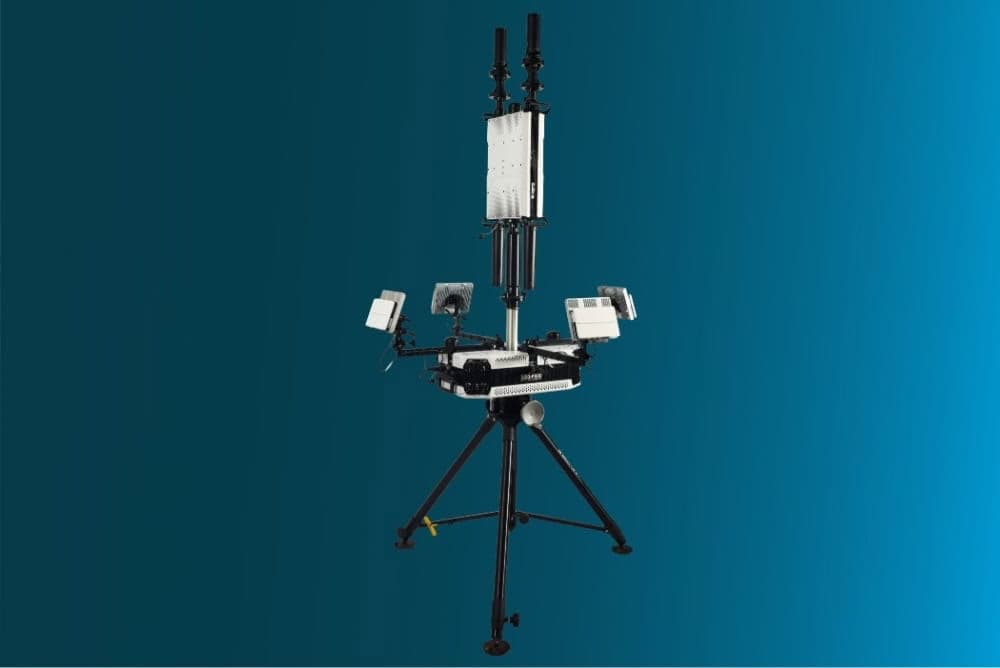
Integrated radar detection supplements the RF-cyber capabilities through a compact, four-panel solid-state electronically scanned array (ESA) radar. The radar expands detection coverage and is optimized with the cyber capabilities to minimize false positives, helping operators concentrate on relevant drone activity.
Smart RF-Effector jamming provides an optional, software-defined, non-kinetic mitigation layer. This additional capability extends mitigation coverage and can be upgraded as required without replacing the existing system.
By integrating these technologies, EnforceAir PLUS provides multilayer counter-drone capabilities without requiring each component to be independently deployed and managed.
The system’s integration and calibration processes are automated out of the box, reducing the need for specialist integration expertise at the operational site.
AI-Based Data Fusion and Operator Decision Support
Integrating multiple detection technologies also requires operators to interpret information from different sources.
EnforceAir PLUS uses D-Fend’s AI-based SmartAir technology fusion engine to combine RF-cyber and radar data into a unified operational view.
This consolidated presentation provides additional information about detected drones, supporting assessment by personnel who may otherwise need to compare data from several independent systems.
The approach is particularly relevant in environments where a small team is responsible for monitoring multiple potential threats while managing other operational duties.
An AI-based mitigation engine also supports operator decision-making by suggesting an optional mitigation response for each detected drone.
These recommendations can help personnel evaluate possible responses according to the individual drone being assessed, while supporting the selection of an appropriate authorized mitigation action.
Combining detection information, situational awareness, and decision support within a single operational interface can reduce the need to manage separate technology-specific workflows.
For teams deploying multilayer counter-drone equipment with limited staffing, this integration can help reduce operational complexity.
Bringing Multilayer Counter-Drone Capabilities into the Field
Transportability is another significant requirement for C-UAS operations in remote or temporary locations.
Equipment that requires substantial transportation resources, prepared mounting positions, or specialist installation procedures can restrict deployment flexibility.
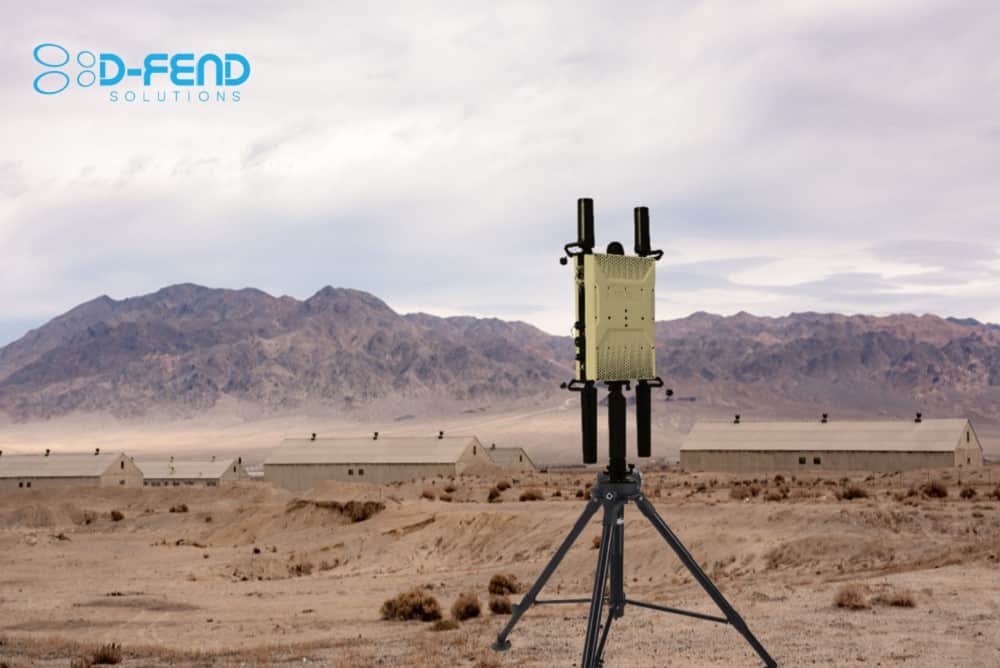
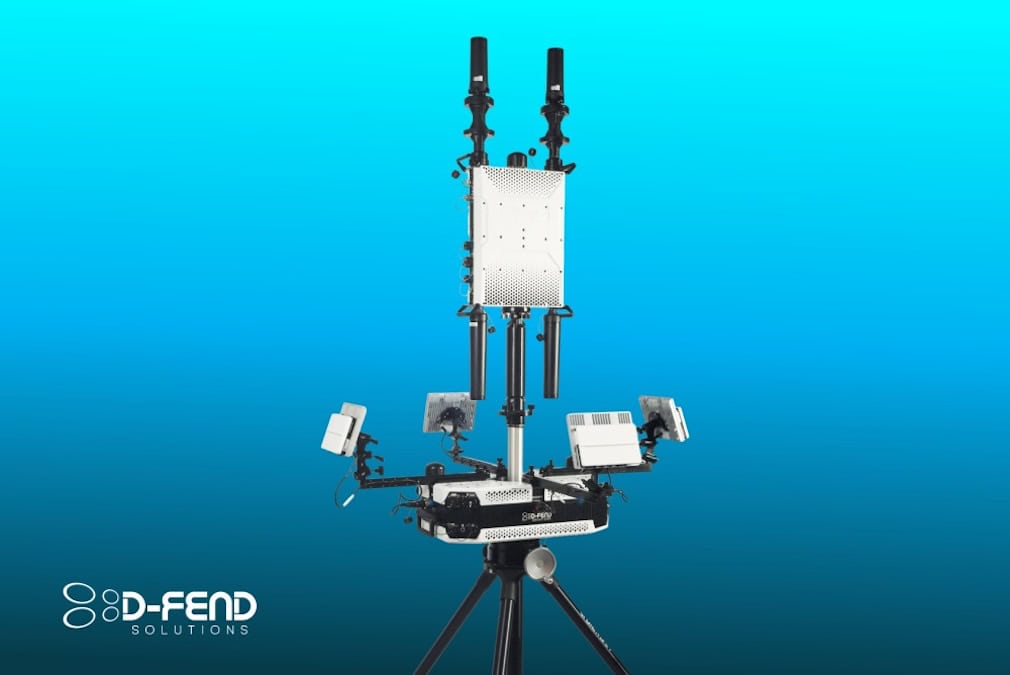
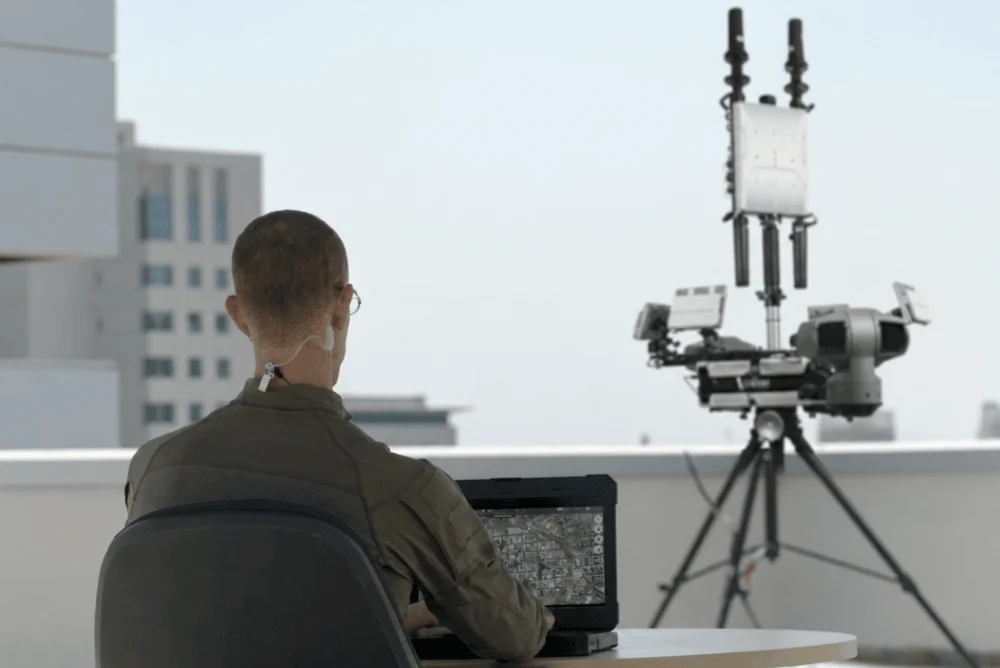
The EnforceAir PLUS Tactical Deployment Kit provides a compact, transportable configuration of the integrated system for ground forces and law enforcement personnel.
Its design incorporates several features intended to simplify field deployment and accommodate changing operational requirements.
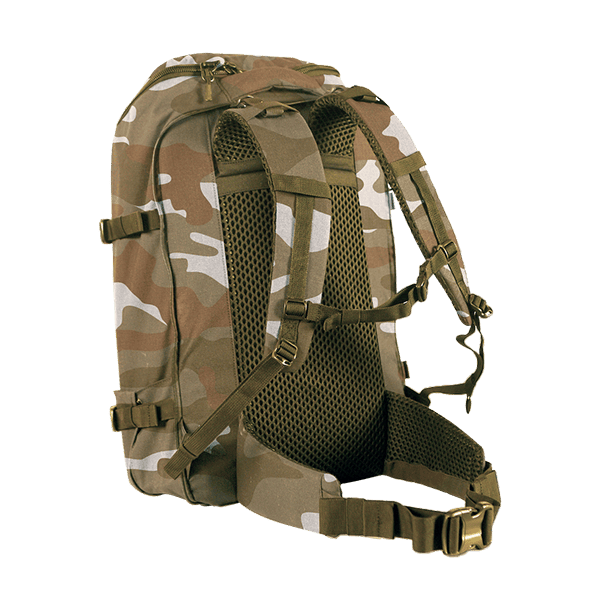
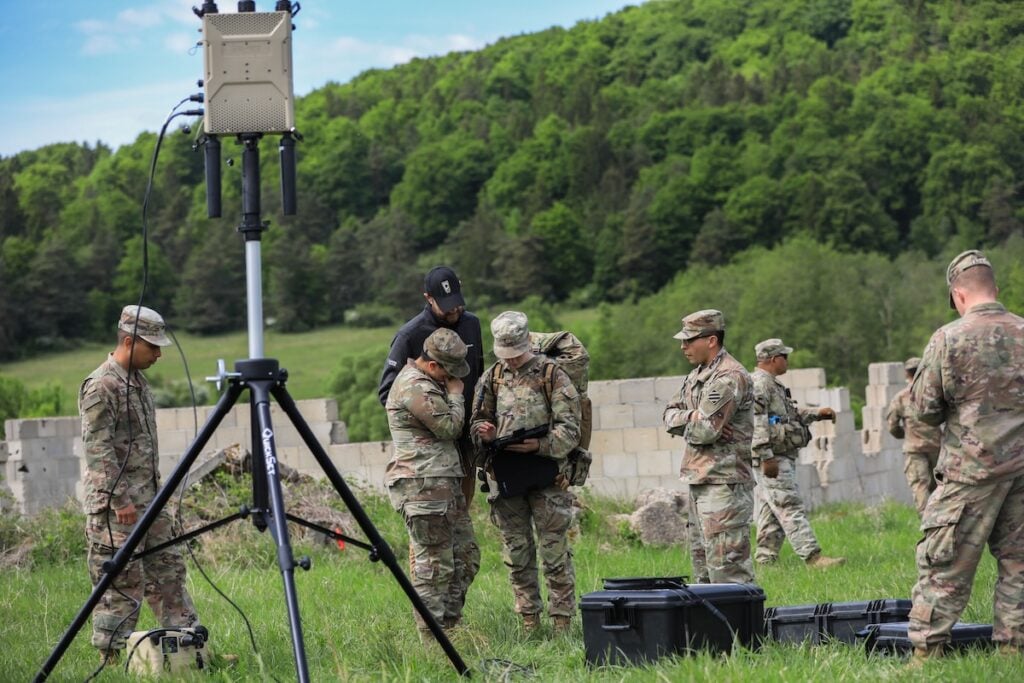
The kit supports one-person, tool-free assembly, reducing the personnel and equipment required for installation. Components are transported in small, lightweight Pelican cases, allowing the equipment to accompany units relocating between operational positions.
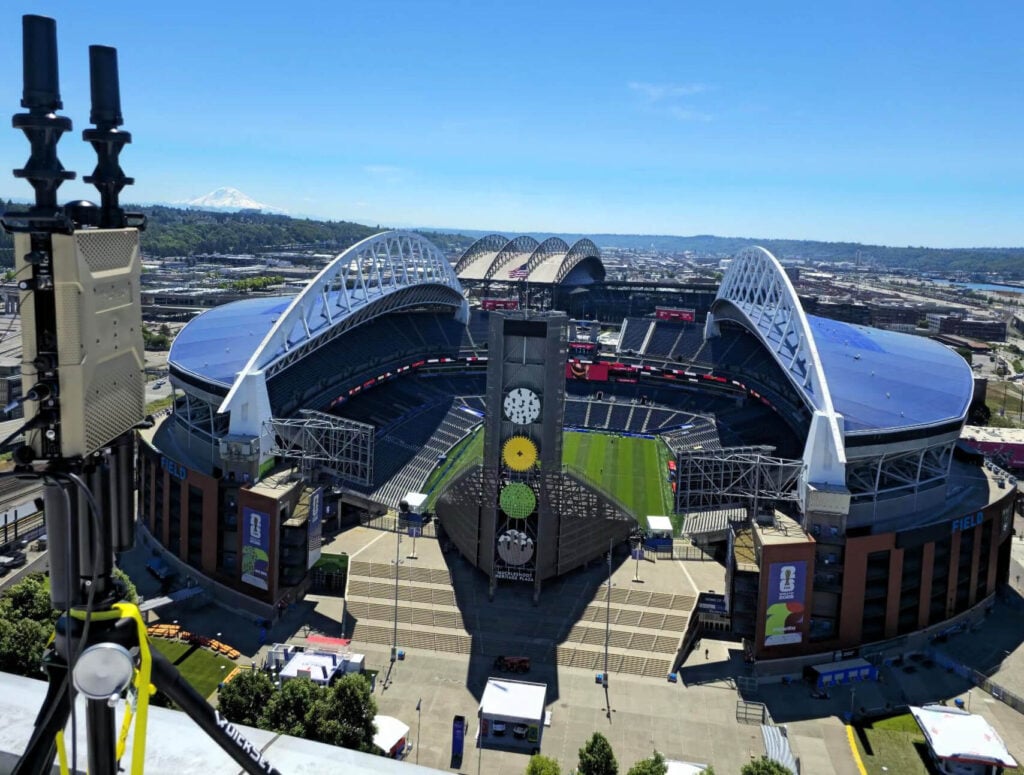
A ruggedized tripod provides a flexible mounting arrangement, enabling deployment at ground level, on rooftops, or on elevated terrain. This allows teams to establish counter-drone coverage at locations without prepared mounting infrastructure.
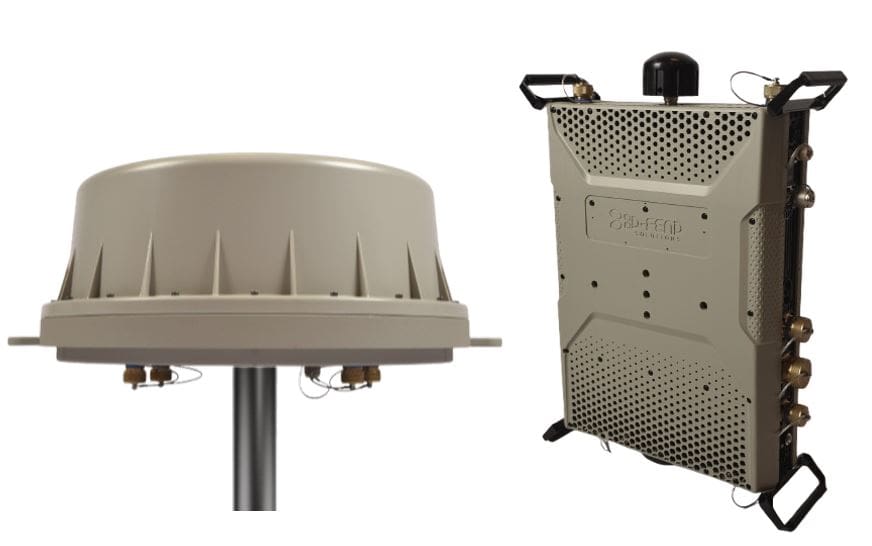
The tripod also includes quick-installation brackets for the EnforceAir SDR unit and antennas, further simplifying equipment setup.
Once deployed, the system provides 360° omnidirectional coverage for drones operating at both low and high altitudes. This is relevant to temporary positions where the direction of potential drone activity may not be known in advance.
System control and configuration are managed through an intuitive management tablet, removing the requirement for a fixed command post or workstation.
Together, these features support the movement and redeployment of multilayer C-UAS equipment as personnel, assets, and operational requirements change.
Maintaining Counter-Drone Protection as Operational Requirements Change
For military, law enforcement, and security personnel operating in challenging environments, establishing C-UAS protection involves balancing detection and mitigation requirements against available resources.
Limited infrastructure, small teams, frequent relocation, and restricted setup time can all complicate the deployment of conventional multilayer systems.
The EnforceAir PLUS architecture brings together RF-cyber detection and takeover, integrated radar, optional RF mitigation, AI-based data fusion, and decision support within a coordinated system.
Its Tactical Deployment Kit extends these capabilities into a portable configuration that incorporates tool-free assembly, flexible positioning, automated calibration, and a unified operational interface.
By reducing installation and integration requirements, this approach can help teams establish multilayer counter-drone protection with fewer dependencies on personnel and site infrastructure.
In operational environments where deployment locations and security requirements may change frequently, the ability to transport, establish, and operate C-UAS capabilities with available resources remains a central consideration in maintaining protection against unmanned aircraft threats.
Read Why Challenging Environments and Situation Demand a Different Kind of Counter-Drone Equipment on the D-Fend Solutions website.