



Crystal Group has outlined the challenges of maintaining Artificial Intelligence (AI) computing capabilities across long-term defense programs, highlighting how its collaboration with Intel, extended processor availability, and scalable system architectures can help address hardware obsolescence.
 Commercial AI technology continues to evolve through faster processors, more powerful GPUs, and increasingly complex algorithms. However, defense programs often span 10 to 20 years, while much commercial AI hardware becomes obsolete in less than five years.
Morgan Uridil, Advanced Program Pursuits Manager at Crystal Group, “A lot of this industry-leading technology is designed for commercial markets, and they’re becoming obsolete in less than five years.”
This creates two key challenges for defense organizations: maintaining access to critical computing components to avoid compromising mission readiness, and balancing technology upgrades with strict security and compliance requirements.
Extending Hardware Availability Through Intel Compatibility
Collaboration with Intel supports long-term AI computing requirements through multi-generation processor compatibility, extended product availability, and security measures.
Intel maintains consistent processor architectures and packaging, allowing future upgrades without requiring complete system redesigns.
Gretchen Stewart, Chief Data Scientist at Intel Corporation, “For the longest time, we would not only change our chip architecture design, but we would also change our packaging.”
Stewart added, “Intel almost always designs packaging that is compatible with multiple versions of the Xeon and Core processors.”
Many Intel products remain available for purchase for more than 10 years, allowing defense customers to source the same components over extended periods. Intel’s AI solutions are also hardened for government use to support security and compliance requirements.
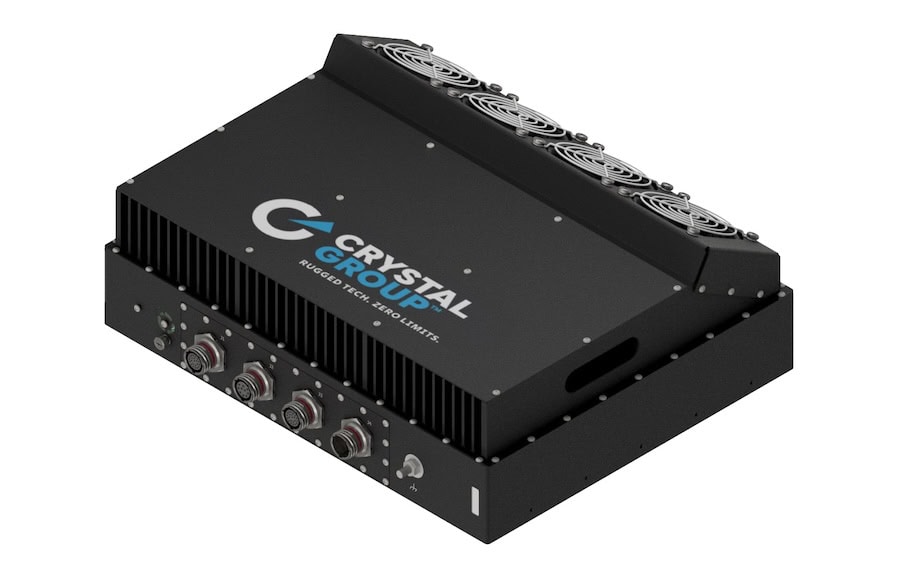
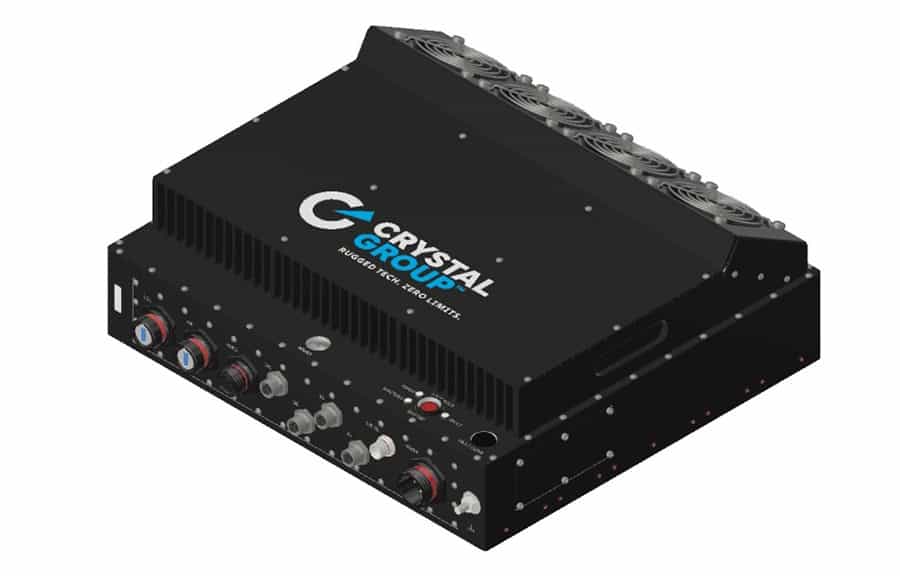
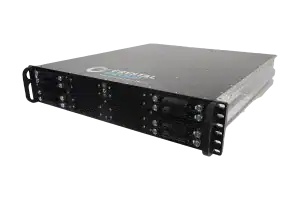
Intel’s long-term roadmap strategy is integrated into Crystal Group’s ruggedized AI systems to support long-term defense computing requirements.
Scalable AI Architectures and Technology Evaluation
Scalable system architectures support modular AI expansion, allowing customers to integrate new processing technologies as they become available.
Rapid prototyping and testing with Intel’s latest AI chipsets allow emerging technologies to be evaluated early, with the aim of providing proven, reliable solutions for defense customers.
Ongoing collaboration with Intel’s AI research teams also helps anticipate future technology requirements.
Morgan Uridil, Advanced Program Pursuits Manager at Crystal Group, “When our customers come to us with ambitious requirements, being able to communicate and enable that view of what is possible in their solution landscape is critical.”
Uridil added, “The relationship between Crystal Group and Intel facilitates us being able to anticipate those challenges.”
Combining Intel’s processor longevity strategy with ruggedized AI systems, modular expansion, and early technology evaluation aims to support high-performance AI computing across extended defense program lifecycles.
To learn more about long-term AI solutions for defense, visit the Crystal Group website.