Showcase your capabilities
If you design, build or supply Fuel Tanks, create a profile to showcase your capabilities and connect with visitors who have an active requirement for your solutions.




Military fuel tanks are engineered fuel storage and delivery systems designed for the structural, environmental, and survivability requirements of defense platforms. Systems include rigid and integral tanks, flexible fuel cells, self-sealing and crashworthy designs, conformal tanks, auxiliary systems, external tanks, and deployable storage.
This category showcases MIL-SPEC fuel tank manufacturers with solutions for military aircraft and UAS, ground combat and tactical vehicles, naval platforms, and expeditionary refueling operations.
Read the Technology Overview
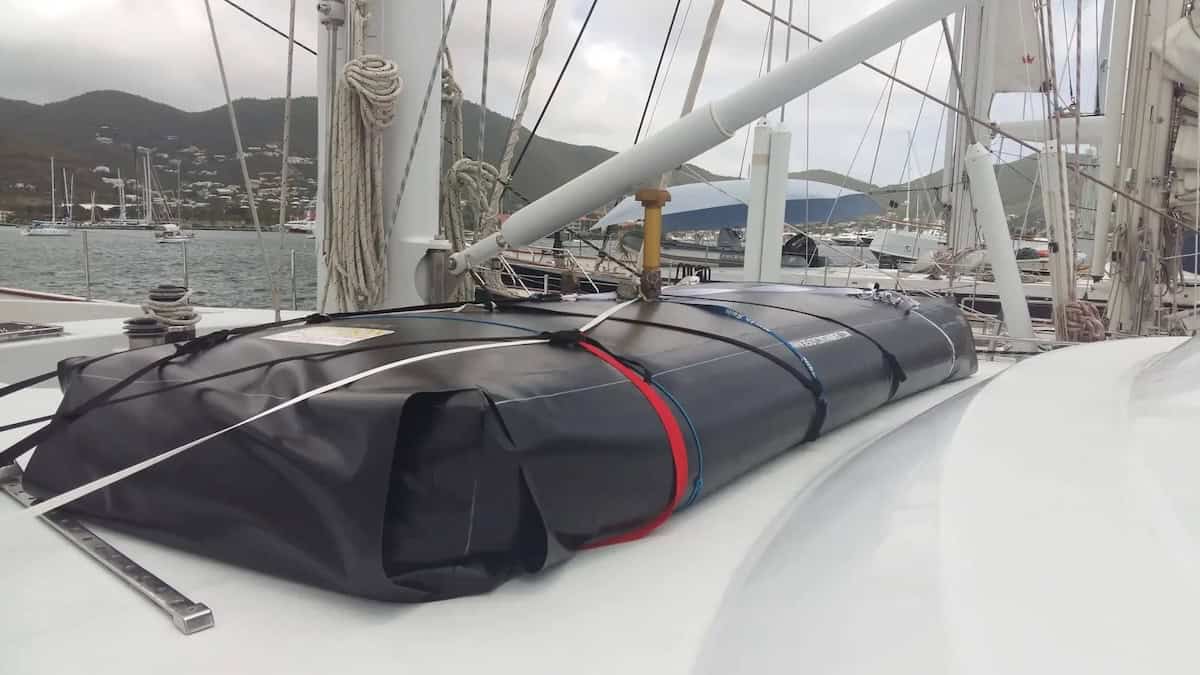
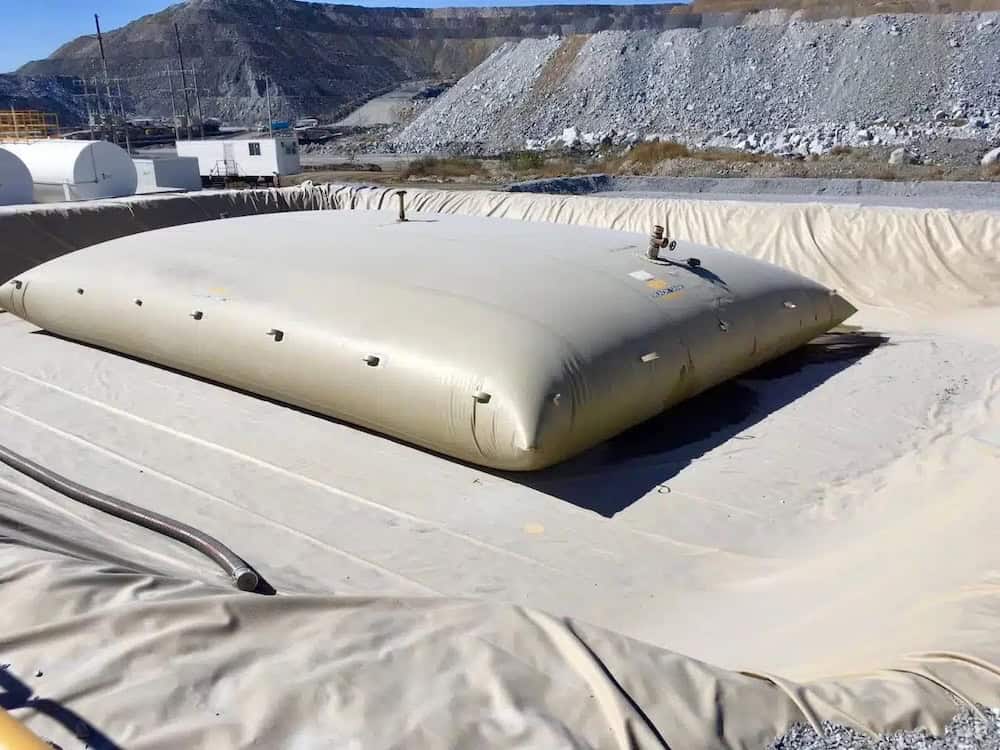
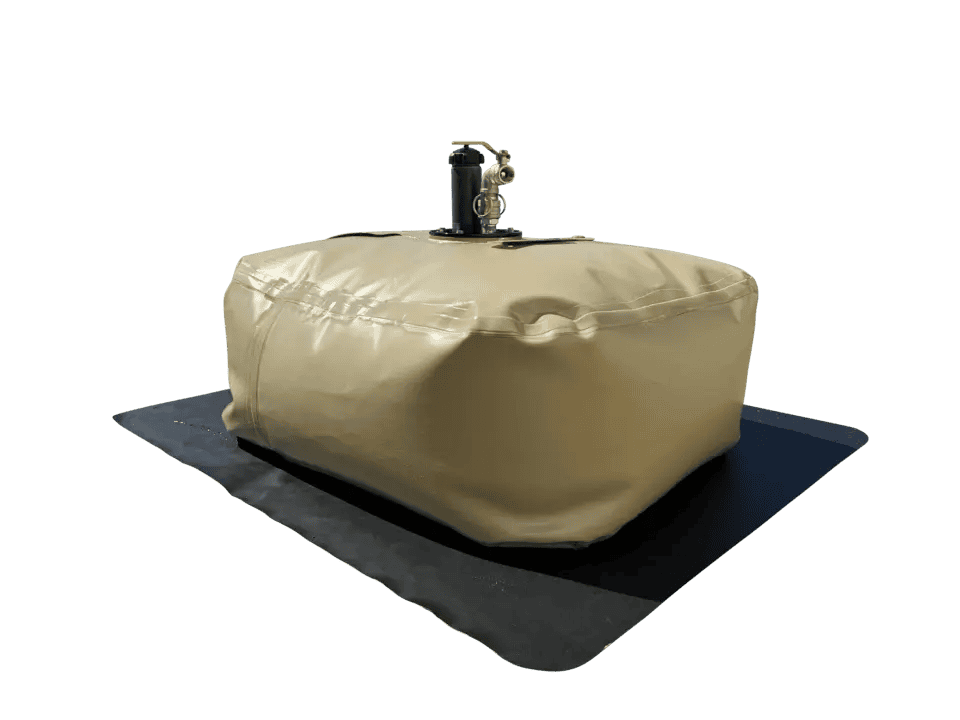
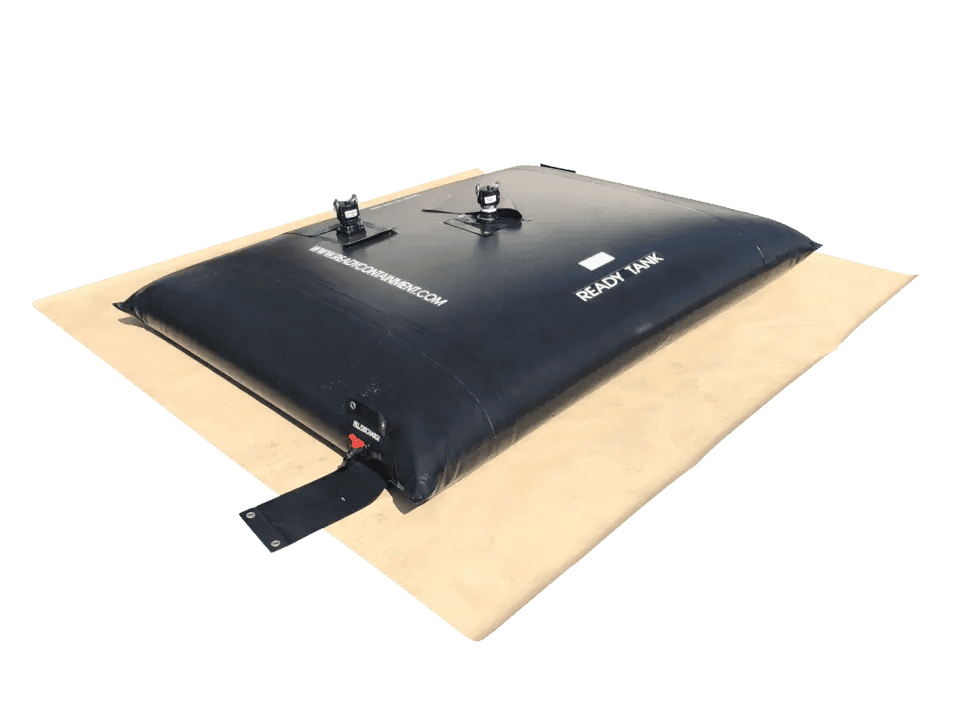
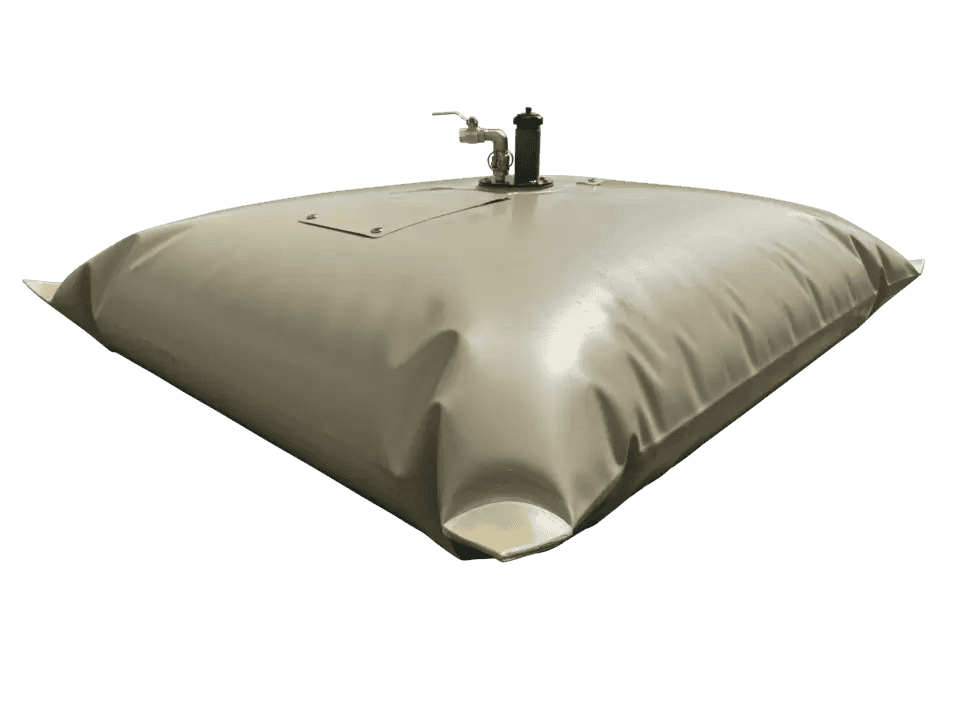
Expeditionary Fuel, Water Storage & Spill Containment Solutions for Defense Operations

If you design, build or supply Fuel Tanks, create a profile to showcase your capabilities and connect with visitors who have an active requirement for your solutions.

Military fuel tanks are engineered to store and deliver fuel safely under the structural, environmental, and mission demands of defense platforms. Depending on the application, a fuel tank may need to withstand vibration, impact loading, temperature changes, fuel movement, pressure variation, contamination, or ballistic damage while maintaining reliable containment. Aircraft requirements are particularly demanding because fuel quantity and transfer affect center of gravity, range, endurance, and survivability.
Military fuel tanks are therefore designed as part of a wider fuel system rather than as isolated containers. Tank configuration must be considered alongside pumps, valves, fuel lines, quantity sensors, venting, refueling interfaces, restraints, baffling, and fire protection. The appropriate solution can range from a rigid aluminum military fuel tank to a flexible crashworthy fuel cell or auxiliary range-extension system.
Rigid tanks maintain their shape independently of the surrounding structure and can be manufactured from metals or suitable composite materials. Integral tanks use sealed portions of the platform structure itself to contain fuel, such as aircraft wing or fuselage cavities. Selection depends on volume, structure, sealing reliability, access, weight, fuel compatibility, and operational loads.
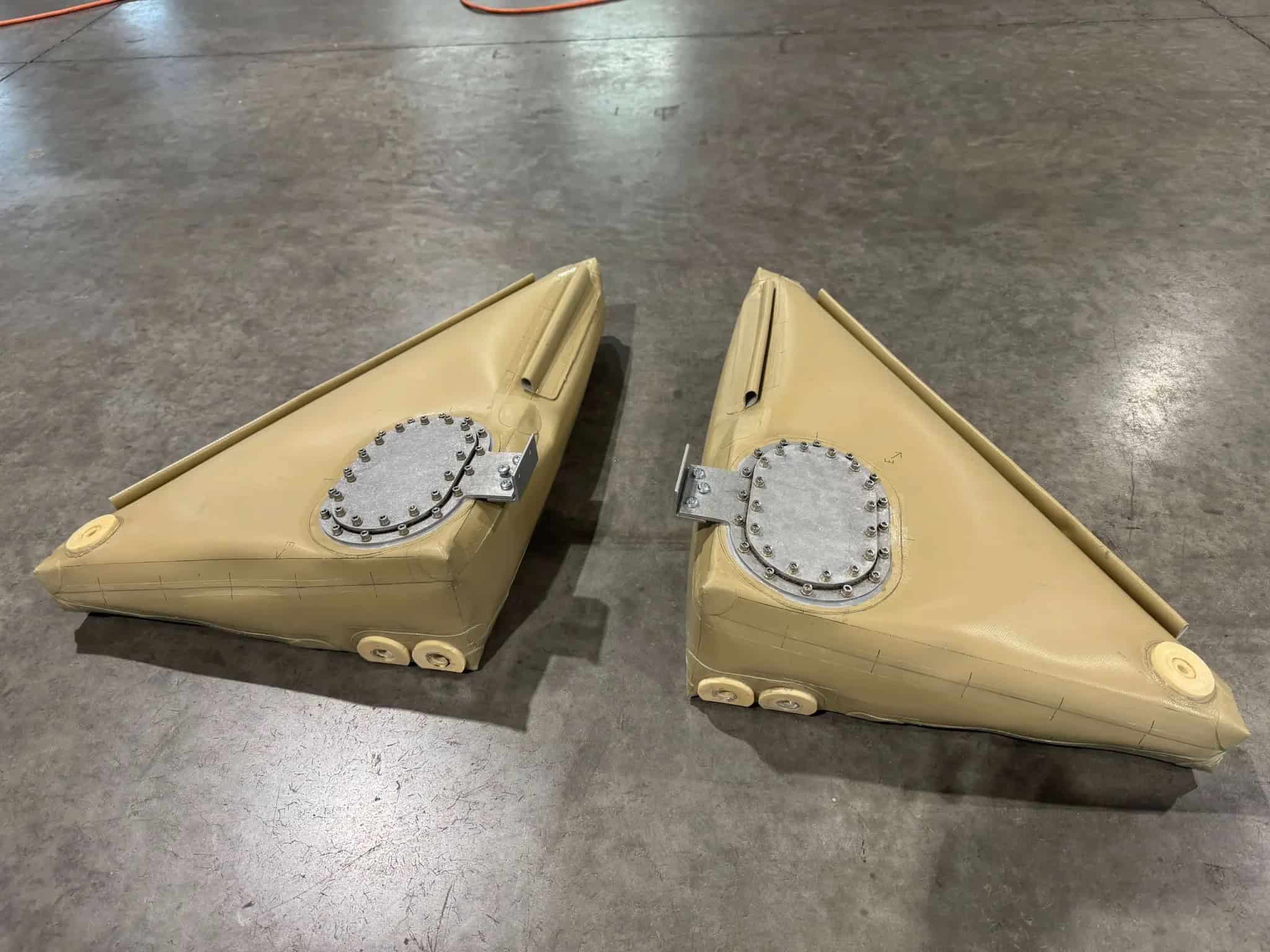
Flexible fuel bladders are commonly installed within supporting structural cavities rather than carrying major airframe loads themselves. Their pliable construction can simplify installation in irregular spaces and improve impact behavior. Design must also address cavity support, chafing, fittings, baffling, permeability, inspection, and repair.
A self-sealing fuel tank incorporates material layers designed to swell or otherwise restrict fuel loss after specified penetration damage. These systems are relevant where ballistic survivability is required. Effectiveness depends on the threat, fuel type, damage pattern, temperature, and surrounding construction.

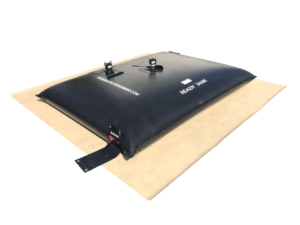
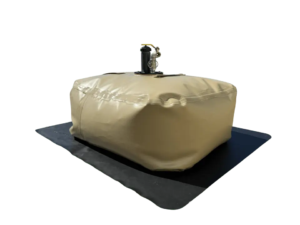
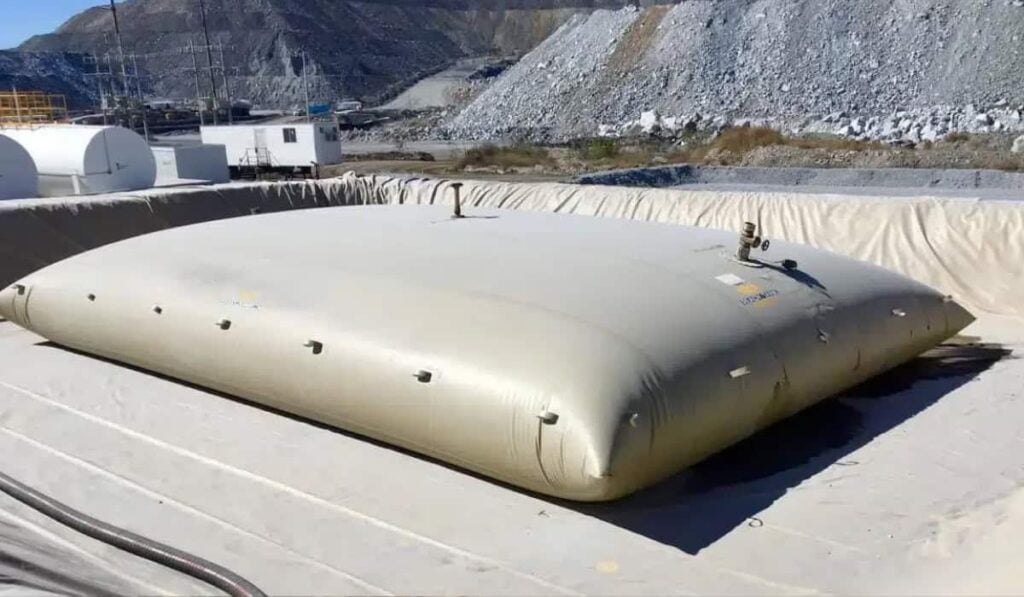
Military fuel tank from Ready Containment.
Crashworthy fuel tanks are designed to retain fuel during specified survivable impact conditions, reducing fuel release and post-impact fire risk. Ballistic-tolerant designs are evaluated against defined projectile threats. Flexible construction, self-sealing layers, protected fittings, and suitable support can be combined to improve fuel-system survivability.
Conformal fuel tanks are shaped to follow the external contours of an aircraft or vehicle rather than using a conventional pod-like form. They can increase capacity while managing packaging, but structural integration, aerodynamics, access, gauging, venting, and transfer must be considered.
Internal auxiliary fuel tanks provide additional mission fuel within cargo, cabin, fuselage, or dedicated equipment space. They can extend endurance without external stores, but require secure restraint and integration with transfer, venting, quantity indication, and emergency procedures.
An external fuel tank provides additional capacity outside the primary airframe. Jettisonable versions are commonly known as drop tanks and are used to increase aircraft range or endurance. External tanks must account for aerodynamic and inertia loads, attachment, transfer, venting, separation, and release.
Collapsible tanks support military fuel storage where mobility and reduced packed volume are priorities. Portable aviation fuel tanks and related deployable systems require fuel compatibility, contamination control, connection integrity, site preparation, secondary containment, and inspection.
Material selection affects weight, strength, flexibility, fuel compatibility, permeability, corrosion, repairability, and service life. A custom military fuel tank may combine several material systems to meet platform-specific requirements.
Final construction should reflect the fuel, platform, survivability requirement, maintenance concept, service environment, and qualification program rather than weight alone.
Fixed-wing aircraft, rotorcraft, and Unmanned Aircraft Vehicles (UAVs) may use integral tanks, flexible fuel cells, auxiliary tanks, and external stores. For a UAV fuel tank or drone fuel tank, designers must balance usable capacity against mass, installation volume, center of gravity, endurance, and reliable fuel delivery throughout the flight envelope. Multi-tank systems may require controlled transfer, venting, and gauging to avoid unusable fuel or adverse balance.
Ground platforms require fuel tanks capable of operating under vibration, shock, temperature variation, dust, debris, and demanding cross-country conditions. An army fuel tank may be integrated into an armored vehicle, tactical truck, engineering platform, or unmanned ground vehicle. The wider army fuel system must support safe filling, venting, delivery, maintenance access, and appropriate protection.
Surface vessels, combat craft, autonomous vessels, and other maritime platforms require fuel containment suited to persistent vibration, vessel motion, humid conditions, and corrosive environments. Material, mounting, ventilation, transfer, access, contamination control, and fire safety must suit the vessel architecture and naval requirements.
Military fuel storage also includes deployable systems for forward bases, temporary locations, aviation detachments, and distributed logistics. Heavy-duty fuel tank designs, flexible storage systems, pumps, hoses, filtration, grounding and bonding, and transfer controls can form an integrated fueling capability.
Requirements depend on the platform and acquisition program. When evaluating MIL-SPEC fuel tank manufacturers, confirm the applicable revision, tank class or type, fuel, installation, and qualification requirements.
Qualification should reflect the complete installation because performance depends on support, fittings, plumbing, venting, electrical equipment, fuel, impact conditions, and environment. Inspection should address leakage, seal condition, chafing, delamination, corrosion, fitting integrity, and construction-specific degradation.
Development increasingly focuses on survivability, manufacturing consistency, monitoring, and maintainability without unnecessary weight.
These developments are moving military fuel tank technology toward better survivability, monitoring, manufacturing efficiency, and integration across manned and autonomous defense platforms.


 Searching Companies & Products