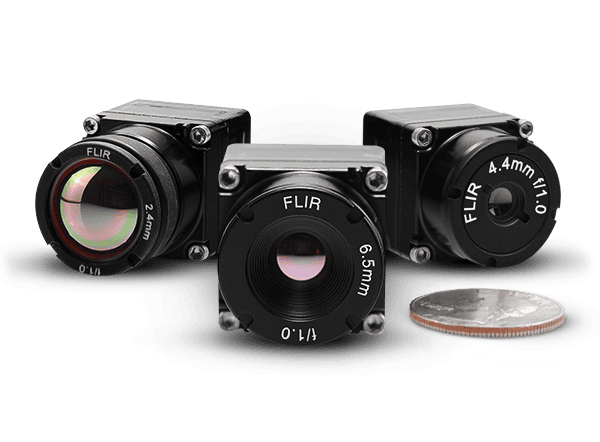
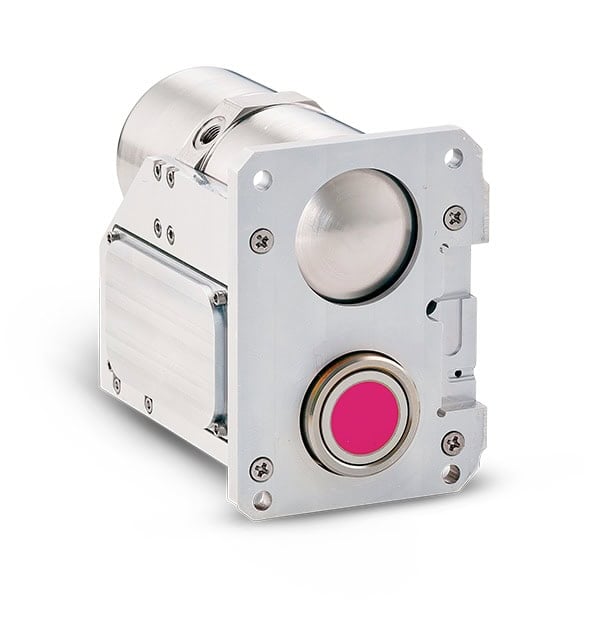
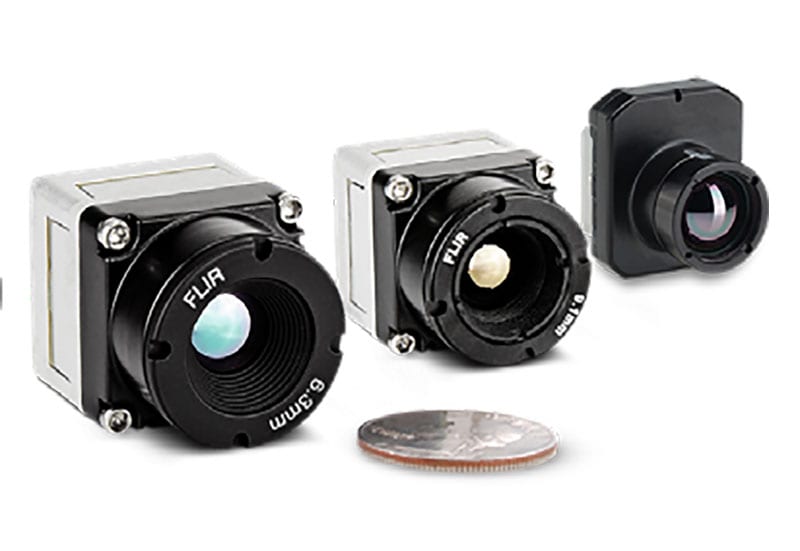
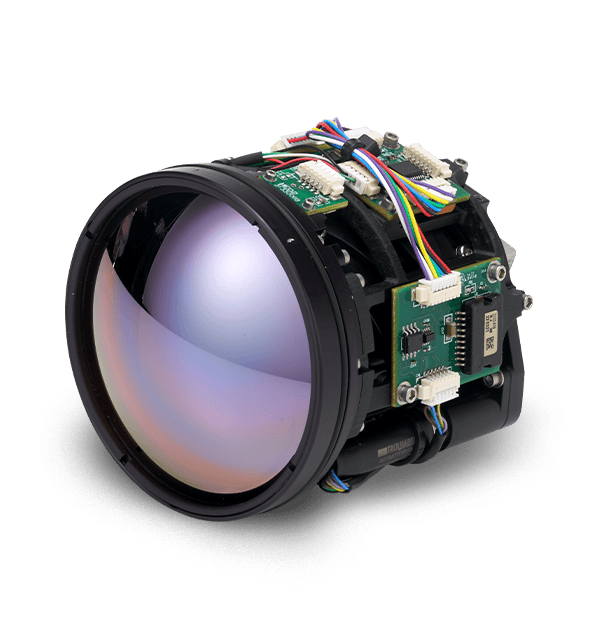
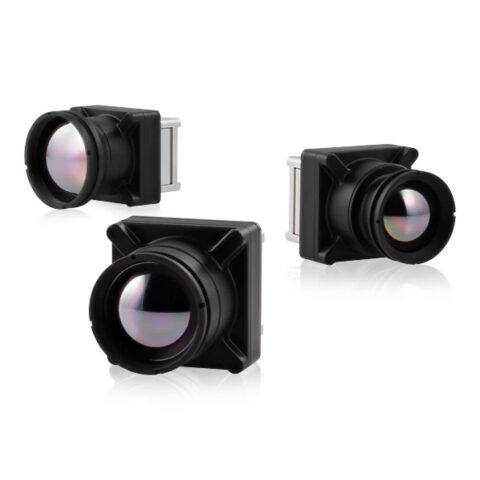
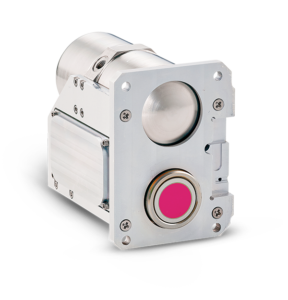
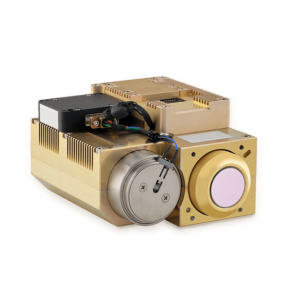
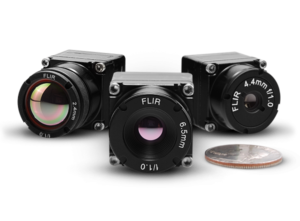
NDAA-compliant thermal cameras are infrared imaging systems designed to meet applicable equipment restrictions under Section 889 of the FY2019 National Defense Authorization Act for use in military, federal government, and security applications
This page features suppliers of NDAA-compliant thermal cameras for for perimeter surveillance, reconnaissance, border protection, and critical infrastructure monitoring.
If you design, build or supply NDAA-Compliant Thermal Cameras, create a profile to showcase your capabilities and connect with visitors who have an active requirement for your solutions.
The Technical Guide to NDAA-Compliant Thermal Cameras
Overview by
William Mackenzie
Updated:
Introduction to NDAA-Compliant Thermal Cameras
NDAA-compliant thermal cameras are infrared imaging systems that meet applicable equipment restrictions under Section 889 of the National Defense Authorization Act (NDAA) for Fiscal Year 2019. These provisions restrict certain telecommunications and video surveillance equipment in U.S. federal procurement and contracting, making compliance an important consideration when sourcing thermal cameras for military, government, and security applications.
Thermal imaging systems provide passive detection and observation capabilities for perimeter surveillance, reconnaissance, border security, vehicle operations, and critical infrastructure protection. Available in cooled and uncooled configurations, these systems include standalone surveillance cameras, compact infrared modules, and integrated Electro-Optical/Infrared (EO/IR) payloads. Their suitability for federal procurement depends on whether covered equipment or services are incorporated into the complete system in a prohibited role, alongside other applicable contractual requirements.
Understanding NDAA Section 889 Compliance
National Defense Authorization Act (NDAA) for Fiscal Year 2019
Section 889 of the FY2019 NDAA establishes restrictions concerning specified telecommunications and video surveillance equipment associated with named manufacturers and other designated entities. These provisions address supply chain security risks in federal procurement and contracting, including surveillance systems used for defense installations, government facilities, and critical infrastructure protection.
Section 889(a)(1)(A) and Federal Equipment Procurement Restrictions
Section 889(a)(1)(A) prohibits federal agencies from procuring or obtaining equipment, systems, or services that use covered telecommunications equipment or services as a substantial or essential component, or as critical technology, unless an applicable exception or waiver applies. This restriction can affect thermal surveillance systems incorporating covered equipment in a prohibited role and is not limited to complete cameras sold under restricted brands.
Section 889(a)(1)(B) and Federal Contractor Restrictions
Section 889(a)(1)(B) generally prohibits federal agencies from entering into, extending, or renewing contracts with entities that use covered telecommunications equipment or services in the specified manner, subject to applicable exceptions and waivers. This restriction extends beyond equipment supplied directly under a government contract and can affect a contractor’s wider business operations, even where the covered equipment is not used to perform federal contract work.
Covered Telecommunications and Video Surveillance Equipment
Covered equipment includes specified telecommunications products, video surveillance equipment, and associated services identified under Section 889. The restrictions encompass certain video surveillance equipment used for public safety, government facility security, critical infrastructure surveillance, and national security purposes. Assessing thermal cameras used in these environments involves examining their manufacturers, relevant components, and integrated system architecture to determine whether covered equipment or services are present in a prohibited role.
Component Sourcing and Original Equipment Manufacturer (OEM) Relationships
Thermal camera systems may combine infrared detectors, processing electronics, network interfaces, and OEM imaging modules sourced from several manufacturers. Compliance assessments should establish whether integrated components or subsystems constitute covered telecommunications or video surveillance equipment and perform a prohibited role under Section 889. A camera assembled by an unrestricted manufacturer is not automatically compliant if its architecture incorporates covered equipment as a substantial or essential component, or as critical technology.
NDAA Compliance Versus U.S. Manufacturing and Country of Origin
NDAA compliance and U.S. manufacturing are separate considerations. Equipment manufactured outside the United States may satisfy Section 889 requirements, provided it does not incorporate covered equipment or services in a prohibited manner. Conversely, domestic assembly does not independently establish compliance. Federal buyers may also need to assess separate country-of-origin and domestic sourcing requirements, which apply independently of Section 889.
NDAA Compliance Verification & Documentation
Verifying NDAA compliance for thermal cameras involves examining equipment provenance, relevant components, and the contractual requirements governing the intended purchase. Manufacturer declarations can support due diligence but do not replace applicable federal contractor representations. Useful documentation and assessment activities include:
Manufacturer Declarations of NDAA Section 889 Compliance: Obtain product-specific statements addressing the relevant restrictions, identifying the equipment configuration and scope of the declaration. Such statements serve as supporting documentation rather than government certification.
Verification of Covered Equipment and Components: Examine camera assemblies, communications equipment, video surveillance components, and integrated subsystems to determine whether covered equipment is present as a substantial or essential component, or as critical technology.
Supply Chain Traceability and Component Provenance: Establish the identity of relevant equipment manufacturers, including subsidiaries, affiliates, and OEM suppliers, where necessary to assess the presence of covered equipment or services.
OEM Camera Core and Integrated System Compliance: Assess the complete surveillance system, including infrared camera cores, video processing equipment, network infrastructure, and recording systems, rather than assuming that compliance of one module establishes compliance of the entire installation.
Federal Acquisition Regulation (FAR) Representations: Review applicable contractor representations under FAR 52.204-24 and FAR 52.204-26, including reasonable-inquiry requirements where applicable, alongside the contractual prohibitions established by FAR 52.204-25.
Maintaining Compliance Following Component and Supplier Changes: Reassess relevant equipment following substitutions, revised hardware configurations, supplier changes, or modifications affecting the integrated system and its compliance status.
Documented compliance assessments help defense contractors, integrators, and procurement teams determine whether thermal imaging equipment satisfies applicable Section 889 restrictions, subject to relevant exceptions, waivers, and contractual requirements.
Related Defense Procurement & Regulatory Requirements
NDAA-compliant thermal cameras may also be subject to additional federal acquisition, trade, and export control requirements. These provisions address different aspects of equipment procurement and should not be treated as interchangeable compliance standards.
FAR 52.204-24: Establishes representations concerning the provision and use of covered telecommunications and video surveillance equipment or services. Its completion requirements depend on applicable solicitation provisions and prior representations.
FAR 52.204-25: Implements contractual prohibitions relating to covered telecommunications and video surveillance equipment or services, including applicable reporting obligations, exceptions, and waivers.
Trade Agreements Act (TAA): Establishes the framework for country-of-origin requirements in certain federal acquisitions. TAA compliance is separate from Section 889 and may depend on the applicable procurement, product origin, and substantial transformation rules.
International Traffic in Arms Regulations (ITAR): Govern the export, reexport, retransfer, and temporary import of controlled defense articles, as well as associated defense services and technical data. Certain military thermal imaging systems may be subject to these controls.
Export Administration Regulations (EAR): Govern exports, reexports, and transfers of items subject to the EAR, including certain infrared imaging equipment and technologies. Classification and licensing obligations depend on technical characteristics, destinations, end users, and intended uses.
Together, these requirements shape the procurement and international supply of thermal imaging equipment for U.S. defense programs, federal agencies, and government contractors.
The latest defense technology news, straight to your inbox.
Get our weekly roundup of technology developments, new products and industry news.
THANK YOU FOR SIGNING UP
Thanks for joining us. Check your inbox.
We've sent you an email. Click the confirmation link to complete your subscription to the weekly eBrief. In the meantime, explore the latest news, suppliers and technologies on DA.
Advancing Defense Capability Through Strategic Collaboration
Defense Advancement works with major OEMs to foster collaboration and increase engagement with SMEs, to accelerate innovation and drive defense capabilities forward.