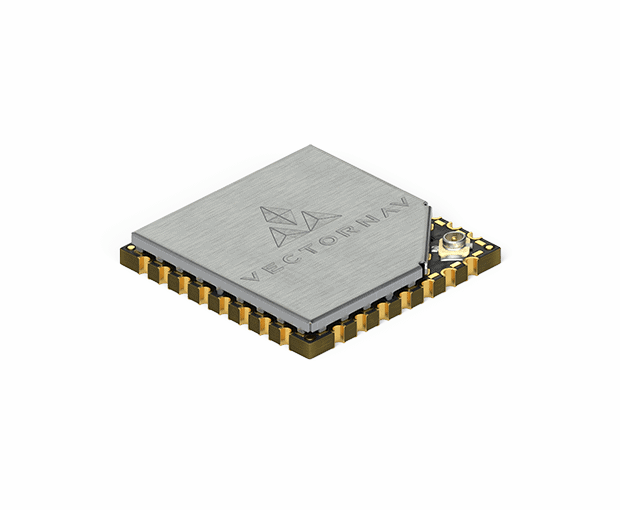
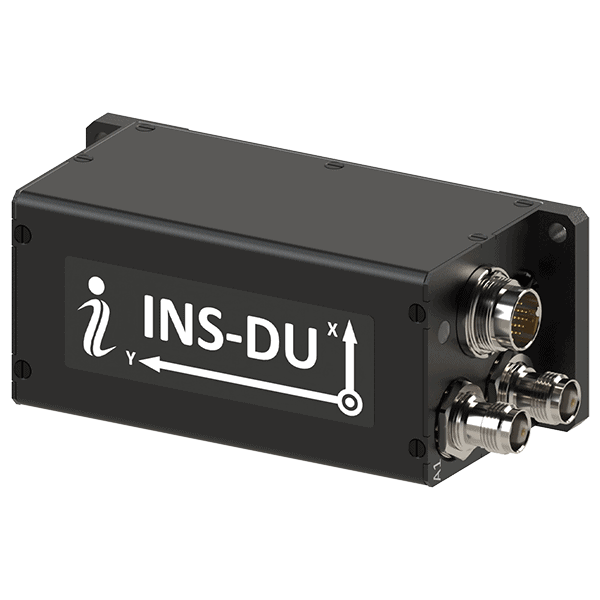
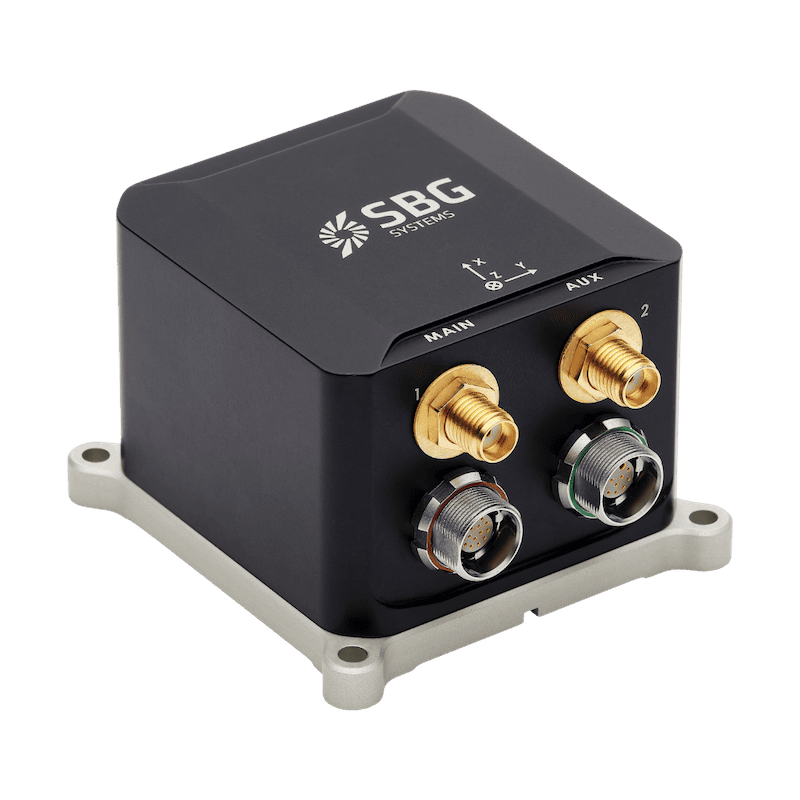
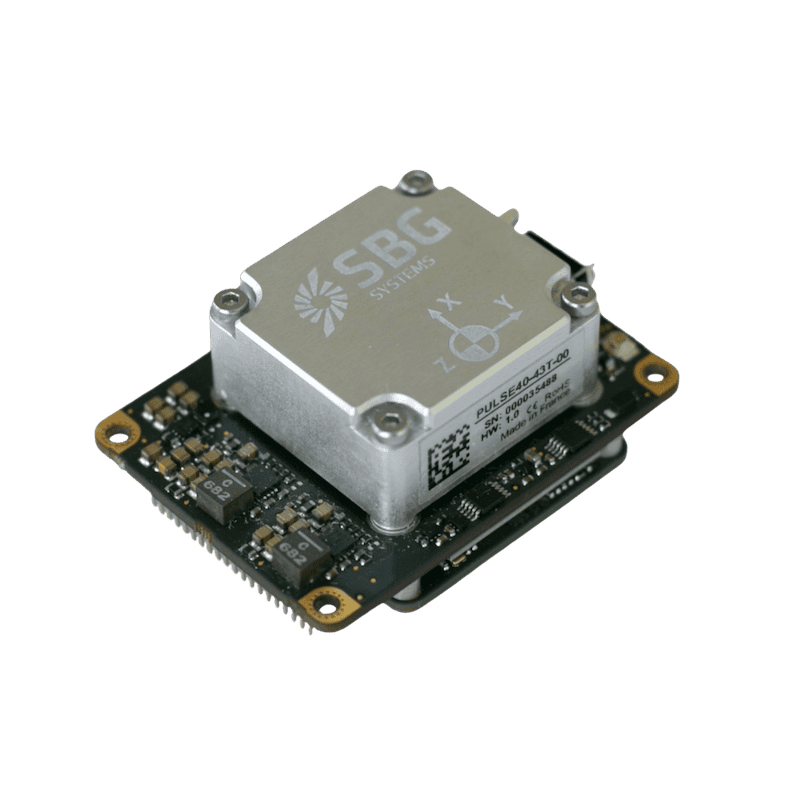
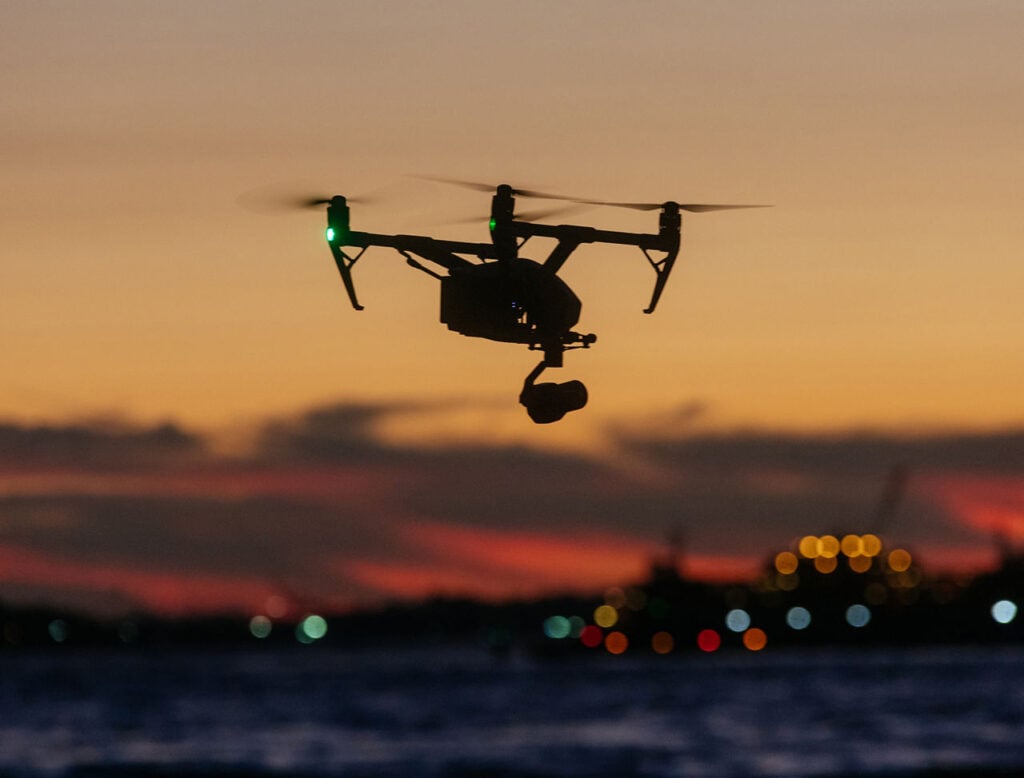
Drone Inertial Navigation Systems (INS) provide autonomous positioning, velocity estimation, and attitude determination for military and defense UAVs, enabling reliable navigation without continuous dependence on external signals.
This page showcases leading UAV INS suppliers offering solutions combining accelerometers, gyroscopes, and advanced sensor fusion technologies to support tactical drones, loitering munitions, and long-endurance platforms operating in contested environments.
If you design, build or supply Drone Inertial Navigation Systems (INS), create a profile to showcase your capabilities and connect with visitors who have an active requirement for your solutions.
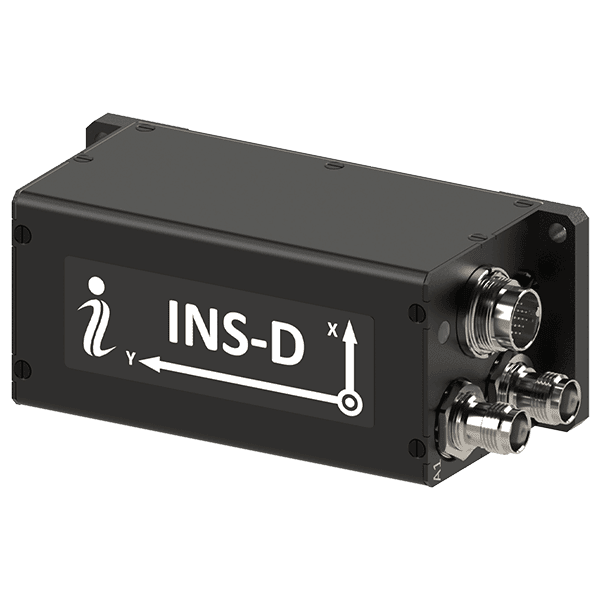
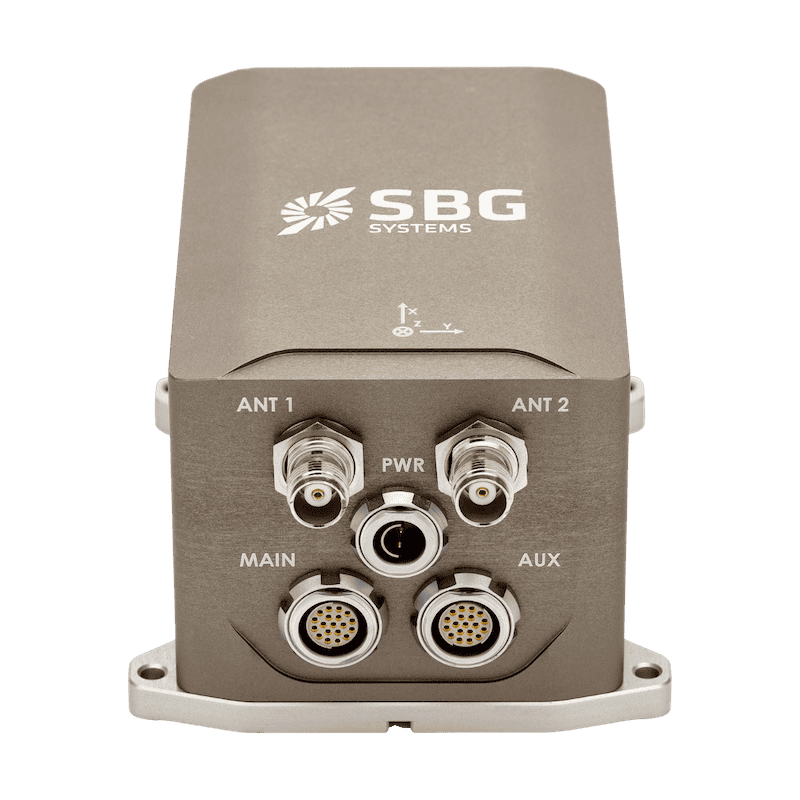
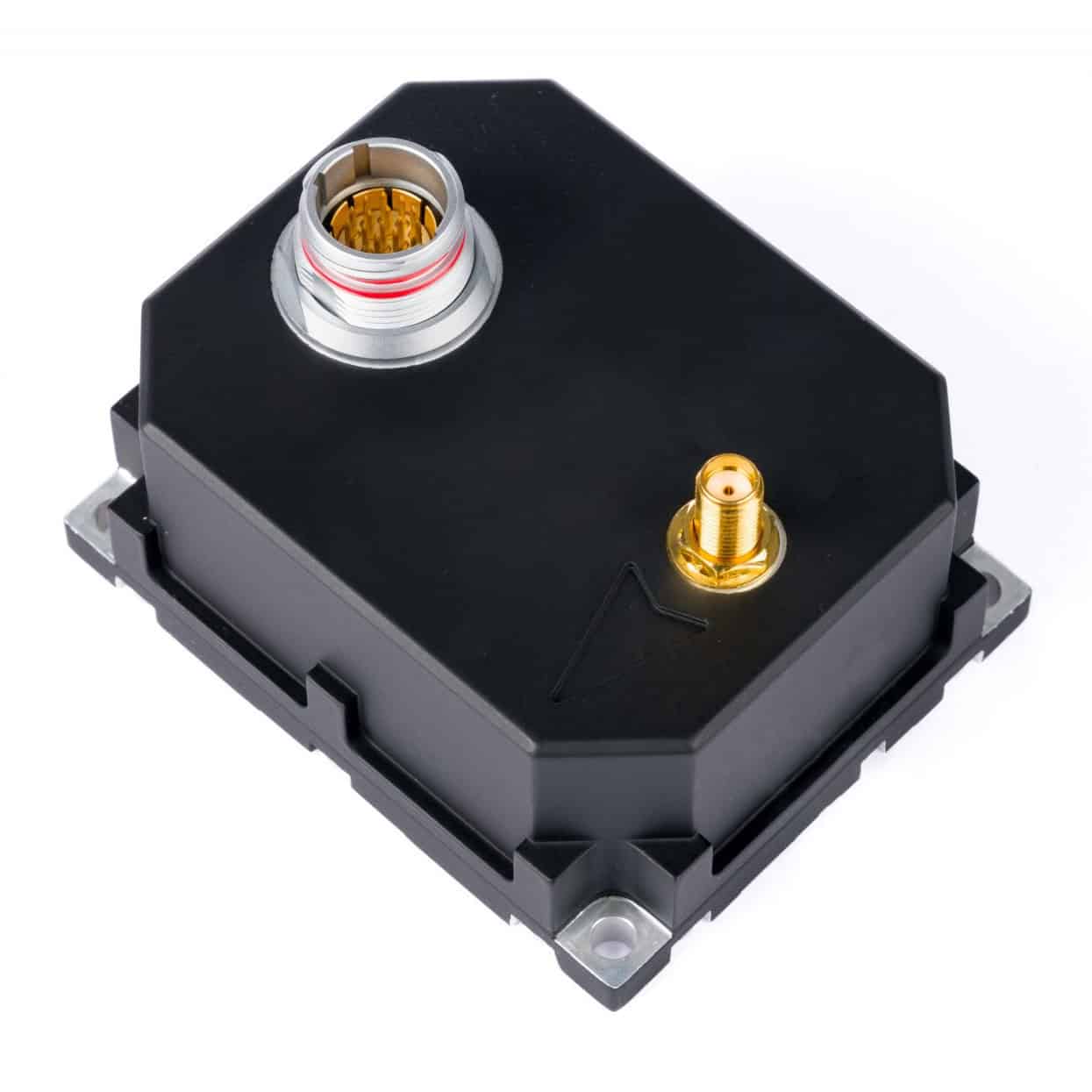
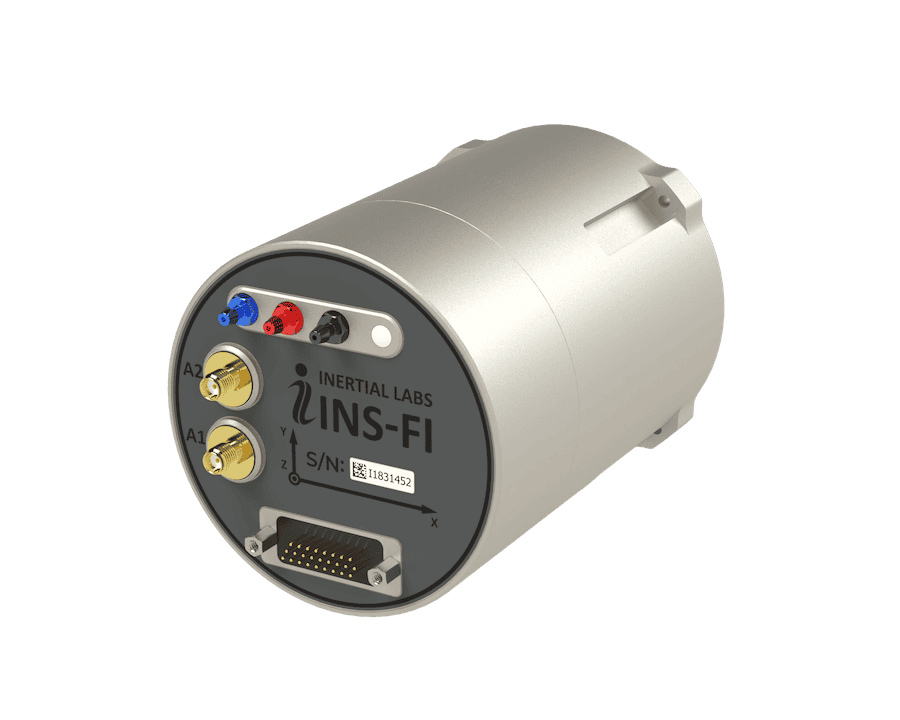
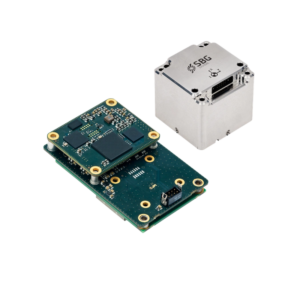
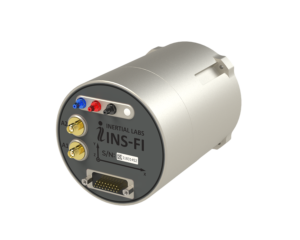
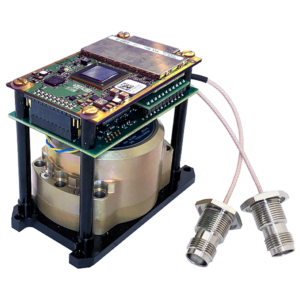
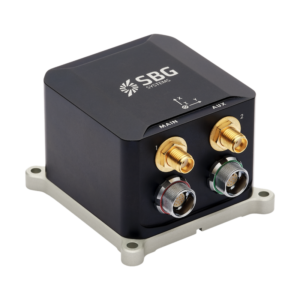
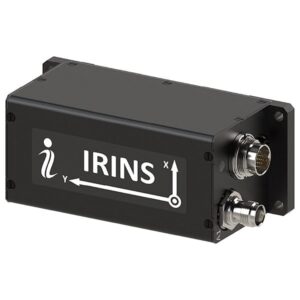
LEO-aided inertial navigation system for A-PNT in D3SOE operations
LEO-aided inertial navigation system for A-PNT in D3SOE operations
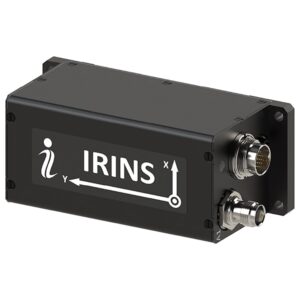
IRINS from Inertial Labs, a VIAVI Solutions Inc. company, is a Low Earth Orbit (LEO)-aided Inertial... ...ous and secure navigation and timing data without reliance on GNSS. The device includes an embedded...
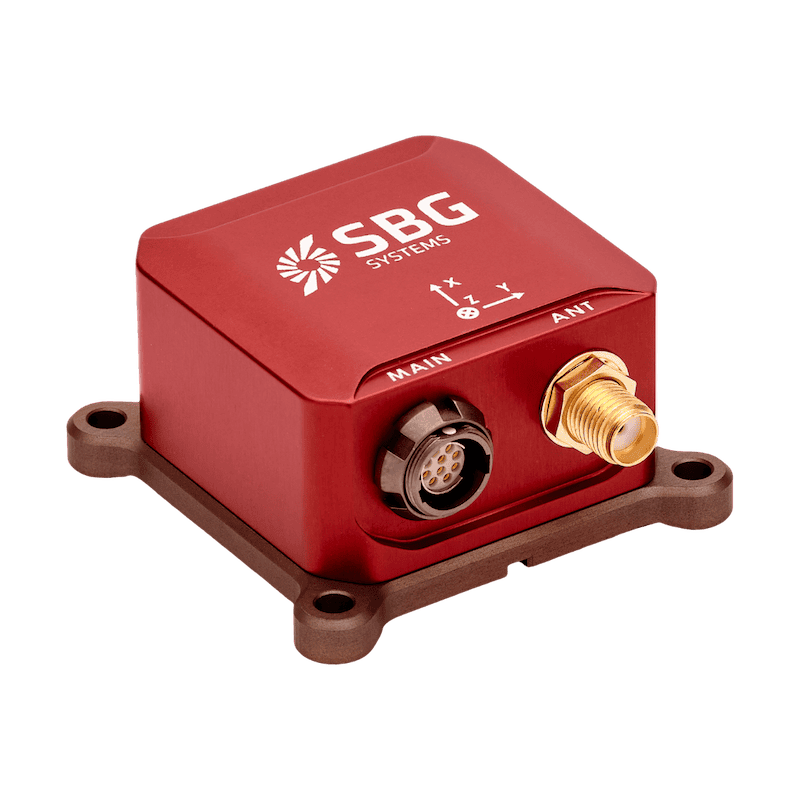
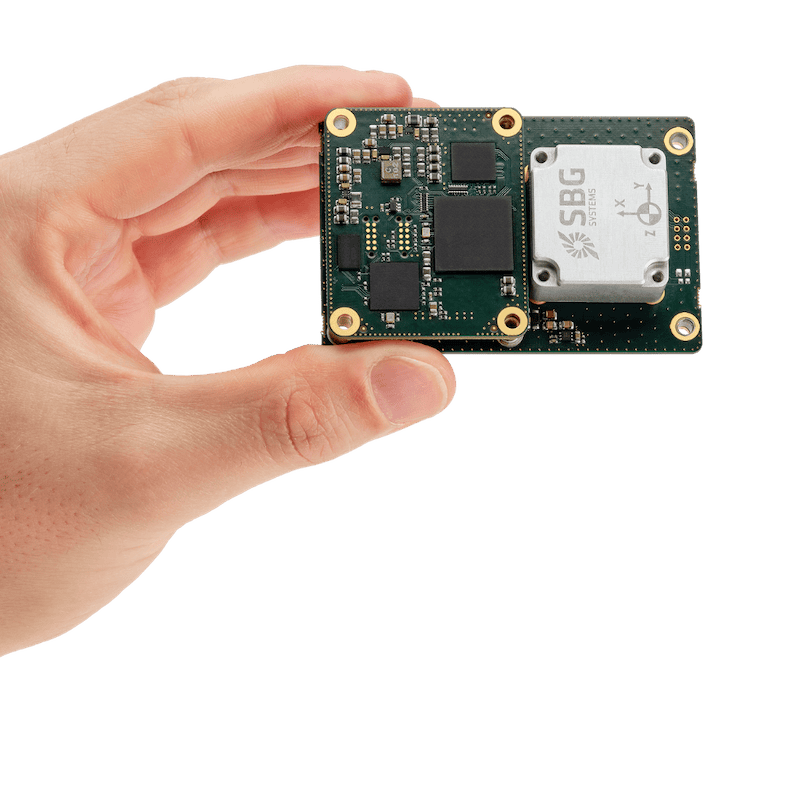
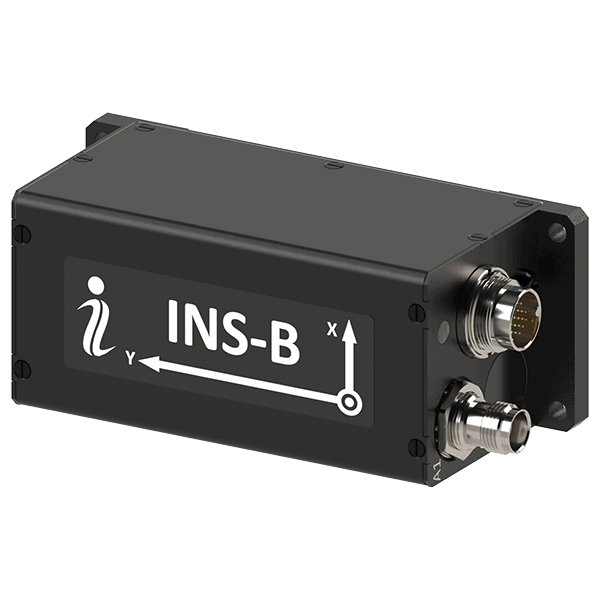
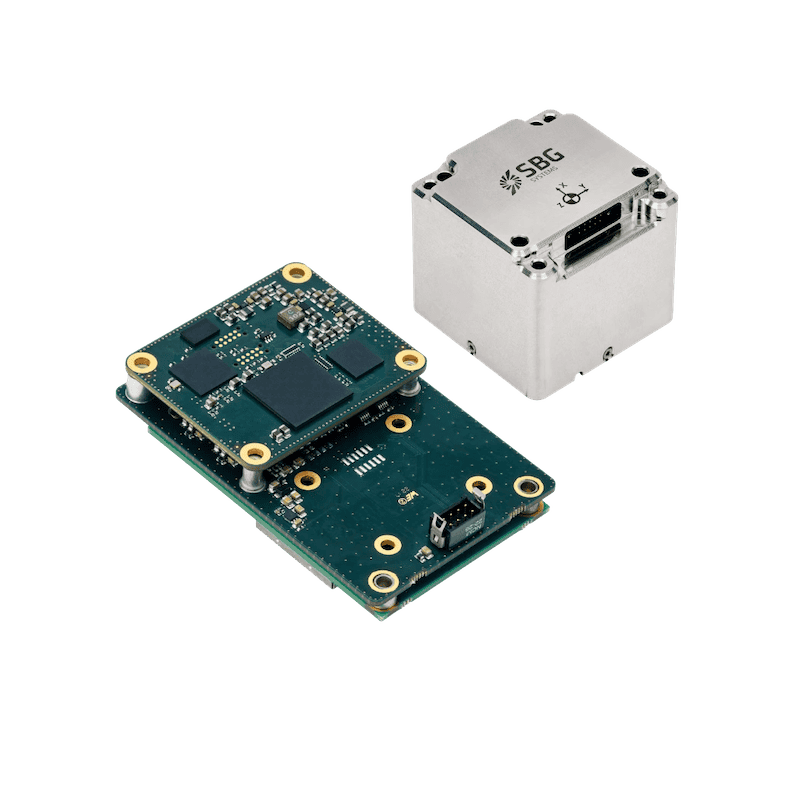
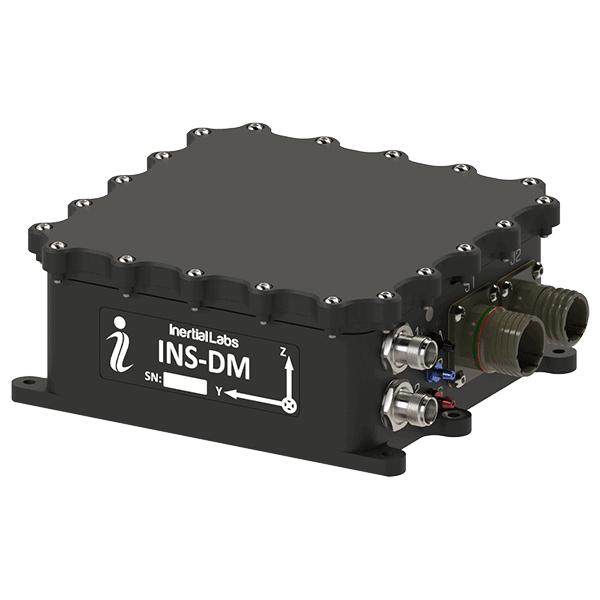
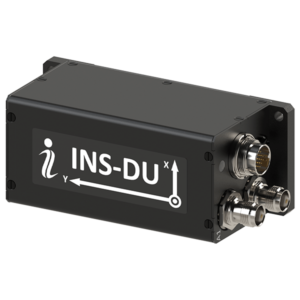
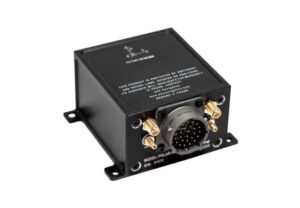
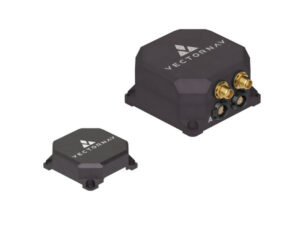
OEM dual-antenna GNSS-INS with Honeywell HG4930 IMU
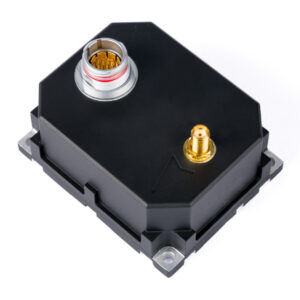
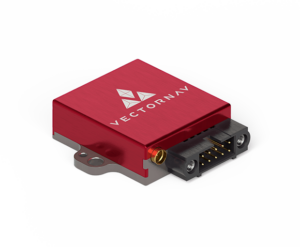
OEM dual-antenna GNSS-INS with Honeywell HG4930 IMU
The Inertial Labs GPS-Aided InertialNavigationSystem(INS-DH-OEM) is an OEM version of the new... ...NSS-aided MEMS inertialnavigationsystem in an OEM form factor, featuring an advanced NovAtel...
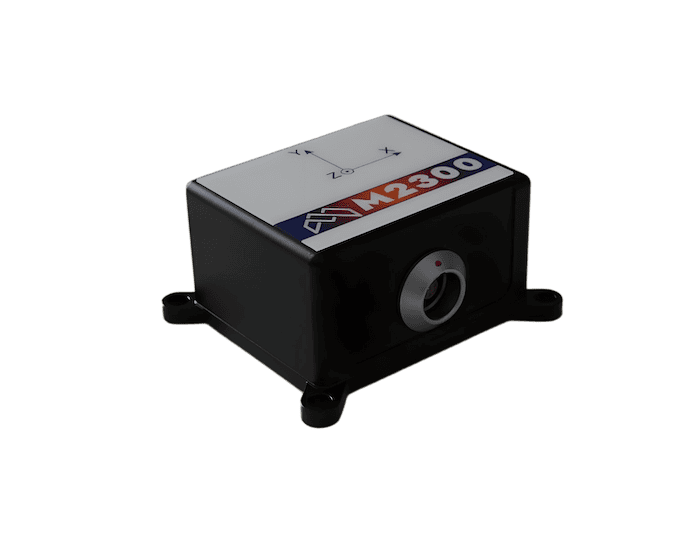
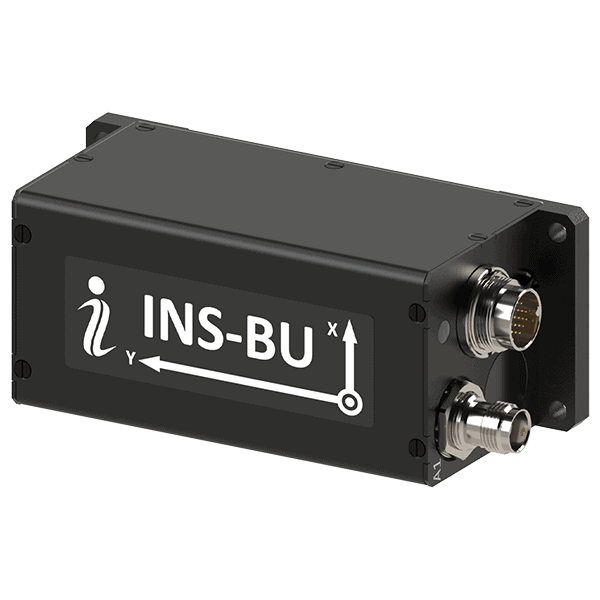
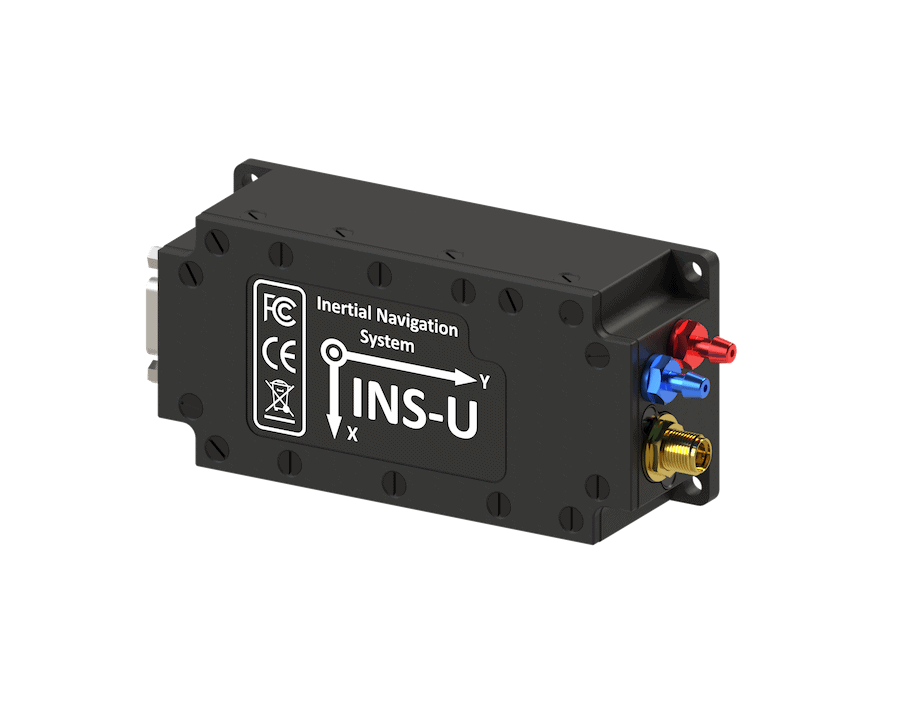
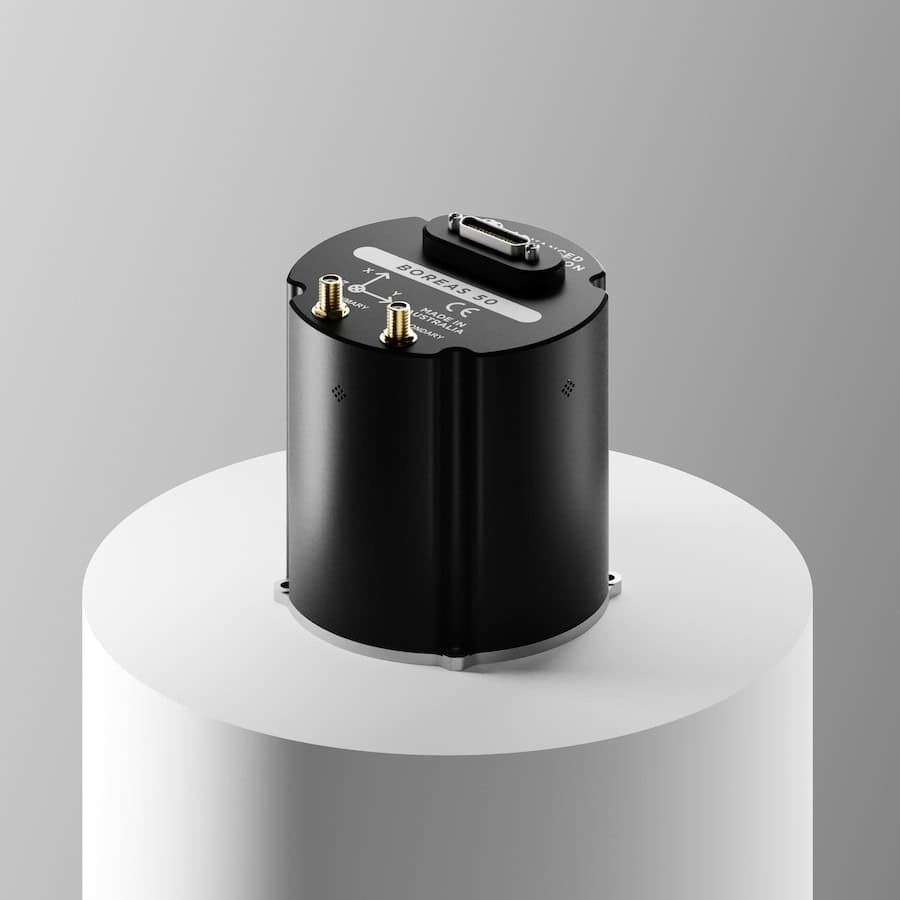
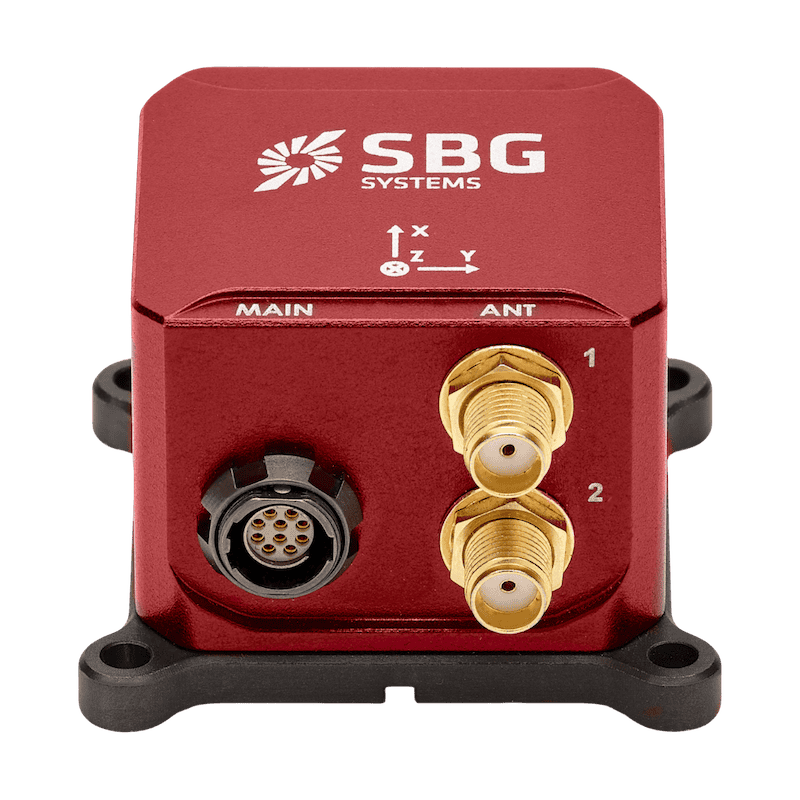
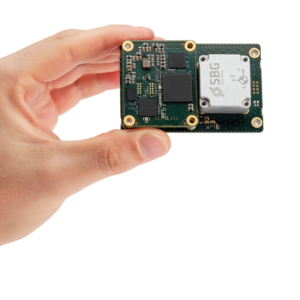
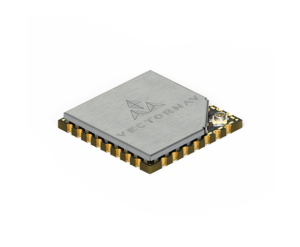
FOG AHRS & INS for GPS-denied navigation & resilient heading
FOG AHRS & INS for GPS-denied navigation & resilient heading
...ding Reference System (AHRS) and InertialNavigationSystem(INS) engineered for military... ...as 50 supports navigation in GNSS-denied or degraded scenarios and provides sensor outputs suitable...
Overview of Drone Inertial Navigation Systems (INS) for Military & Defense UAV Platforms
Overview by
William Mackenzie
Updated:
Introduction to Military Drone Inertial Navigation Systems (INS)
Drone Inertial Navigation Systems (INS) provide positioning, velocity estimation, attitude determination, and navigation continuity for military and defense unmanned aerial vehicles (UAVs). By calculating aircraft state vectors from onboard accelerometers and gyroscopes, an inertial navigation system for drones provides a self-contained navigation baseline that does not depend on external radio frequency signals.
The importance of drone inertial navigation has increased as electronic warfare threats have become more advanced. Modern operating environments may include Global Navigation Satellite System (GNSS) jamming, spoofing, meaconing, or denial affecting GPS, Galileo, GLONASS, and BeiDou signals. For unmanned aircraft conducting beyond visual line of sight (BVLOS) missions, intelligence gathering, deep-strike profiles, target acquisition, or maritime surveillance, resilient navigation is essential. While a UAV INS is commonly paired with GNSS receivers for accurate position initialization and periodic error correction, its core value is its ability to maintain navigation when external signals degrade or disappear.
IRINS LEO-aided drone inertial navigation system by Inertial Labs, a VIAVI Solutions Company
Applications of INS Across Military UAV Platforms
An inertial navigation UAV architecture must be scaled to the size, mission profile, flight dynamics, and endurance requirements of the airframe.
Tactical Military UAVs and Group 1 to 5 Platforms
Inertial navigation is a foundational capability across defense drones, but hardware selection varies by platform class:
Group 1 to 3 tactical, mini, and loitering platforms: Typically use compact, low-power tactical MEMS hardware to meet strict size, weight, power, and cost (SWaP-C) requirements. These systems support stable orientation tracking during rapid turns, vibration, launch shock, and aggressive maneuvering.
Group 4 to 5 MALE and HALE strategic UAVs: Require higher-grade inertial systems, including fiber-optic or ring-laser gyros, to preserve position integrity over longer ranges and endurance periods, especially when external navigation fixes are unavailable.
Loitering Munitions
Loitering munitions require highly responsive UAV inertial navigation system configurations. During terminal attack dives, evasive trajectories, or operation in electronic countermeasure zones, the internal IMU tracking loop provides high-rate angular data for steering and target engagement.
Maritime and Naval Drones
Naval drone operations introduce featureless, moving, and high-wind environments. Maritime unmanned platforms use INS data to support long-distance over-water tracking, stabilization, deck-relative navigation, and autonomous recovery on pitching warship flight decks.
Core Components of a Drone INS
A drone inertial navigation system relies on a high-rate internal sensor suite that measures physical movement in three dimensions.
Inertial Measurement Units (IMUs)
The Inertial Measurement Unit (IMU) is the sensing hub of the INS, containing orthogonal accelerometers and gyroscopes. IMU quality directly affects drift rate, heading stability, and navigation performance during GNSS outages:
Micro-Electro-Mechanical Systems (MEMS): MEMS units are fabricated on silicon substrates and offer low weight, compact dimensions, and low power consumption. They are widely used in tactical Group 1 to 3 drones where SWaP-C limits are critical.
Fiber-Optic Gyros (FOG): FOG sensors use interference patterns within coiled fiber-optic cables to detect rotation. They provide low bias instability and low noise, making them suitable for precision targeting, medium-range UAVs, and higher-end tactical platforms.
Ring Laser Gyros (RLG): RLGs use counter-propagating laser beams inside a sealed cavity to deliver strong bias stability and scale-factor performance. They are mainly used on strategic, high-altitude military UAVs and long-endurance platforms.
Sensor Elements
Accelerometers:Accelerometers measure linear acceleration along three axes. The navigation processor integrates these measurements to estimate velocity and position changes, with sensor bias and noise directly influencing drift.
Gyroscopes: Gyroscopes measure angular velocity around the pitch, roll, and yaw axes to establish the primary attitude framework and attitude reference of the drone. High-quality gyroscopes help maintain heading accuracy during long flights and complex maneuvers.
Magnetometers:Magnetometers measure alignment with the Earth’s magnetic field to support compass heading. They are vulnerable to distortion from motors, payloads, and structural metals, so they are generally used as an auxiliary check within the sensor-fusion filter.
Sensor Fusion and Advanced Navigation Technologies
Because pure dead reckoning experiences continually accumulating position error over time, modern military drone and UAV INS architectures use sensor fusion to constrain drift, validate movement, and maintain navigation accuracy during GNSS degradation or denial.
Technology
How it Integrates with Drone INS
EO/IR Sensors
EO/IR sensors can be fused with UAV INS outputs to compare live optical or infrared imagery against inertial movement estimates. This helps verify ground-track movement, identify visual landmarks, and correct cross-track drift without emitting detectable signals.
LiDAR Systems
LiDAR provides 3D spatial data that can be fused with drone inertial navigation outputs for localization in complex environments. Integrated with an INS, it helps reduce positional drift and supports obstacle avoidance in urban terrain, canyons, or confined areas.
Radar-Aided Systems
Radar-aided navigation supplements a drone INS by measuring ground speed, altitude, and terrain-relative movement. These measurements provide correction data for the inertial solution during poor weather, obscurants, dust, smoke, or darkness.
Terrain Referenced Navigation (TRN)
TRN integrates radar or laser altimetry with a UAV INS by comparing measured terrain profiles against onboard digital elevation models. It provides a passive correction source for inertial drift, particularly for advanced autonomous systems, low-altitude cruise profiles, and long-range weapons.
Visual Odometry
Visual odometry uses sequential camera frames to estimate incremental motion and can be fused with IMU data inside the drone navigation filter. This helps reduce INS drift during GNSS dropouts by providing relative velocity and movement estimates from visible features.
SLAM
SLAM combines onboard sensing with inertial data to create a local map while estimating the UAV’s position within it. Integrated with a drone INS, it supports navigation in uncharted, indoor, subterranean, or GPS-denied environments.
Integration with Drone Flight Systems
The high-rate output of an INS is distributed across flight, mission, and payload systems to support stable control and accurate mission execution.
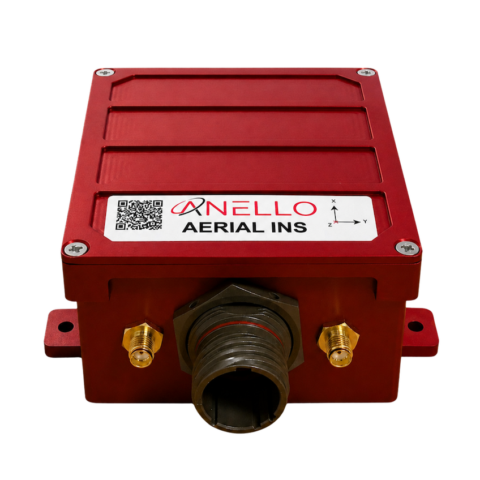
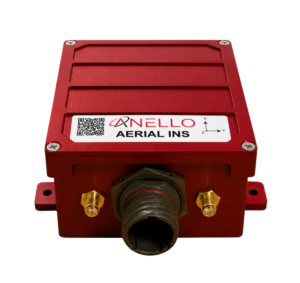
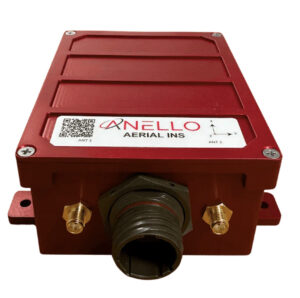
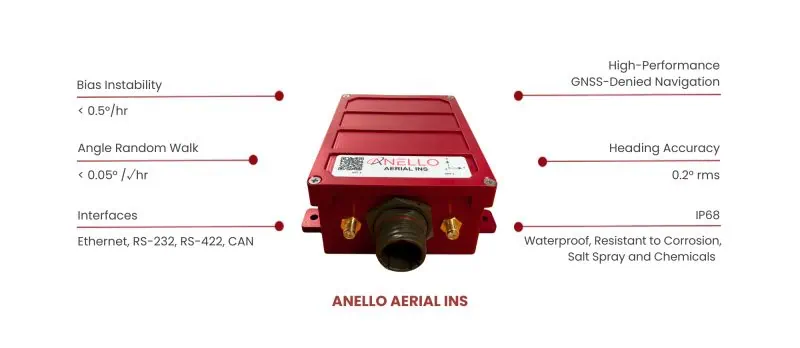
ANELLO Aerial INS UAV inertial navigation system by ANELLO Photonics
Flight Control Computers and Autopilots
INS telemetry provides the immediate feedback required by flight control computers and autopilots to command control surfaces, adjust motor outputs, and execute steering changes. Low-latency inertial updates help maintain stability during turbulence, wind shear, hover, launch, recovery, and sharp defensive maneuvers.
Mission Computers and Navigation Processing
The mission computer blends IMU outputs with auxiliary sensor data using Extended Kalman Filters (EKF), non-linear filters, or other estimation methods. This produces a unified navigation solution that can remain usable even when GNSS updates become unreliable.
GNSS/INS Integration and Multi-Sensor Navigation
Most military UAVs combine inertial navigation with GNSS and other aiding sensors to improve long-term accuracy. Depending on mission requirements, architectures may use loose, tight, or deeply integrated sensor fusion to combine inertial measurements with satellite navigation, air data, visual navigation, radar, LiDAR, or other positioning sources. This allows platforms to maintain accuracy during partial signal degradation while preserving operational capability during GNSS outages.
Payload Stabilization, Target Tracking, and Georeferencing
ISR payloads require high-rate angular reference data to drive gimbal stabilization and maintain clear imagery during maneuvering. Accurate navigation and attitude data also support target georeferencing. Higher navigation and attitude accuracy directly reduce target location error (TLE), particularly at extended stand-off distances.
Swarm Coordination and Collaborative Navigation
Drone swarms may use tactical data networks to share navigation data between platforms. Future collaborative navigation architectures may allow UAVs with more accurate positioning to assist nearby systems, helping maintain formation integrity and mission continuity in degraded navigation environments.
Airframe-Specific Optimization
Fixed-Wing Platforms:Fixed-wing UAVs require INS configurations that minimize cumulative position error across long-duration, efficient flight profiles.
Rotary-Wing and VTOL Platforms: Rotary-wing and VTOL drones require low-latency attitude tracking and precise velocity sensing for vertical launch, hover stability, precision landing, and deck recovery.
Emerging Trends in Drone Inertial Navigation Systems
Inertial navigation systems for drones are increasingly being developed as part of broader resilient PNT architectures that combine onboard autonomy, alternative reference sources, and advanced processing techniques.
GNSS-Independent Vision Navigation: Edge processors allow UAVs to compare live optical data with stored mapping or satellite imagery, reducing dependence on active RF navigation links.
Adaptive AI Sensor Fusion: Machine learning may help identify sensor thermal drift, vibration artifacts, and unexpected noise, improving the performance of MEMS-based drone inertial navigation systems in demanding environments.
Alternative Positioning, Navigation, and Timing (PNT) Sources: Signals of opportunity, celestial navigation, magnetic field mapping, cooperative navigation, and other non-GNSS sources can provide additional references for inertial systems operating in contested electromagnetic environments.
Together, these developments are moving UAV INS design toward multi-layered navigation architectures that can maintain mission continuity across contested, degraded, and GPS-denied environments.
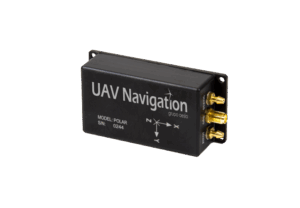
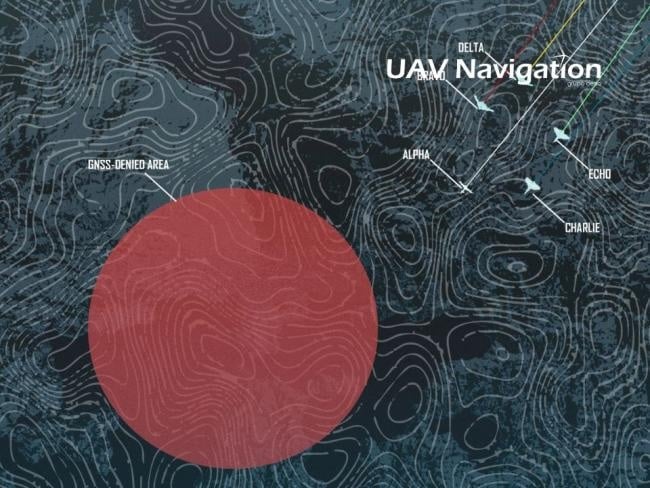
UAV Navigation examines how novel multi-layered navigation architecture is integrating inertial, air data, and visual sensors to enable unmanned aircraft to maintain precise positioning and velocity during severe GNSS jamming and spoofing disruptions
Honeywell Aerospace's new Kestrel system brings secure, high-accuracy positioning to smaller defense and commercial platforms operating in GPS-denied environments
Inertial Labs outlines its Visual Inertial Navigation System (VINS), which enhances UAV navigation performance in GNSS-denied and contested environments through the integration of inertial sensing and visual odometry
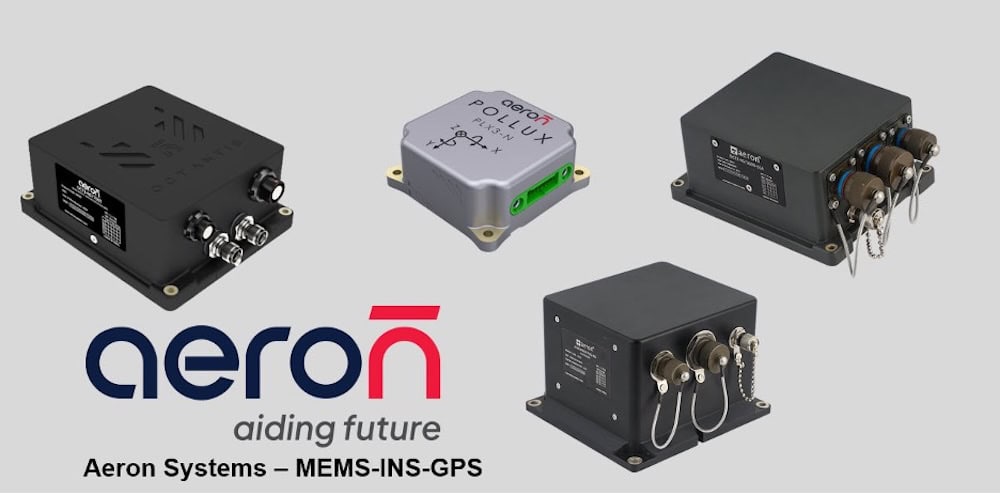
Aeron Systems examines the use of inertial navigation systems to support reliable guidance and control for unmanned platforms operating when GNSS signals are degraded, unavailable, or disrupted
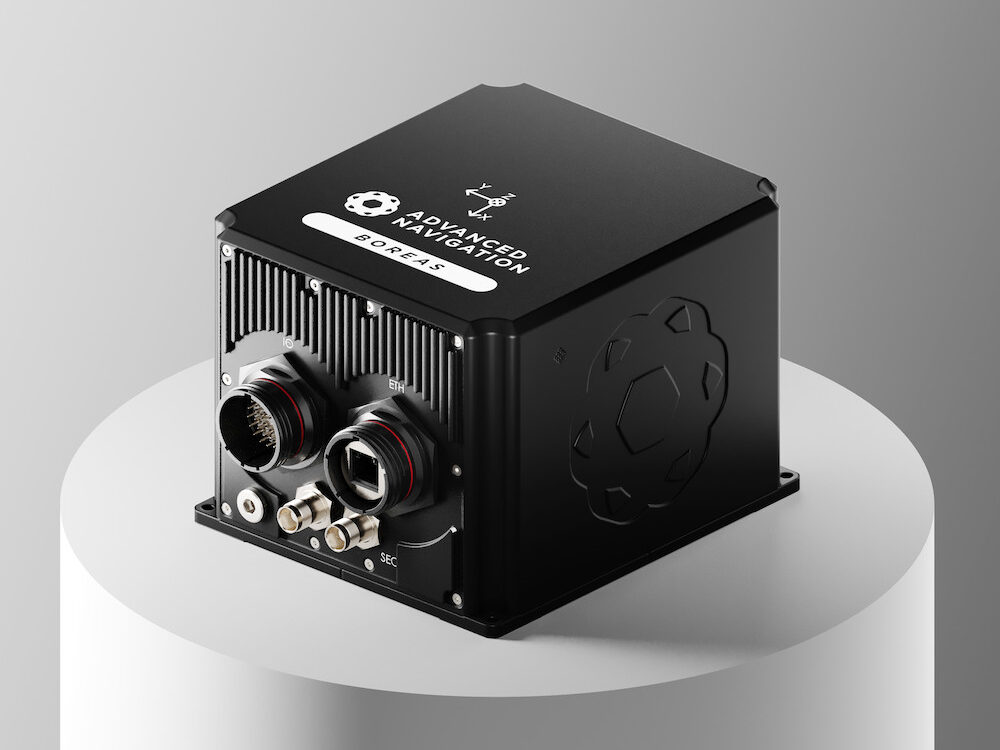
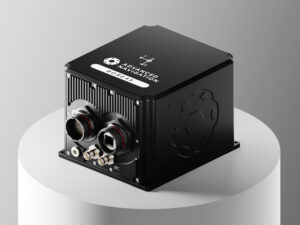
Advanced Navigation’s vertically integrated manufacturing and ITAR-free inertial navigation systems reduce lead times and support scalable deployment of Fiber Optic Gyroscope-based inertial navigation systems for uncrewed aerial vehicle fleets
ANELLO Photonics’ Aerial INS combines SiPhOG™ technology, advanced sensor fusion, and integrated GNSS to deliver resilient, high-accuracy navigation for aerial platforms operating in GPS-denied and contested environments
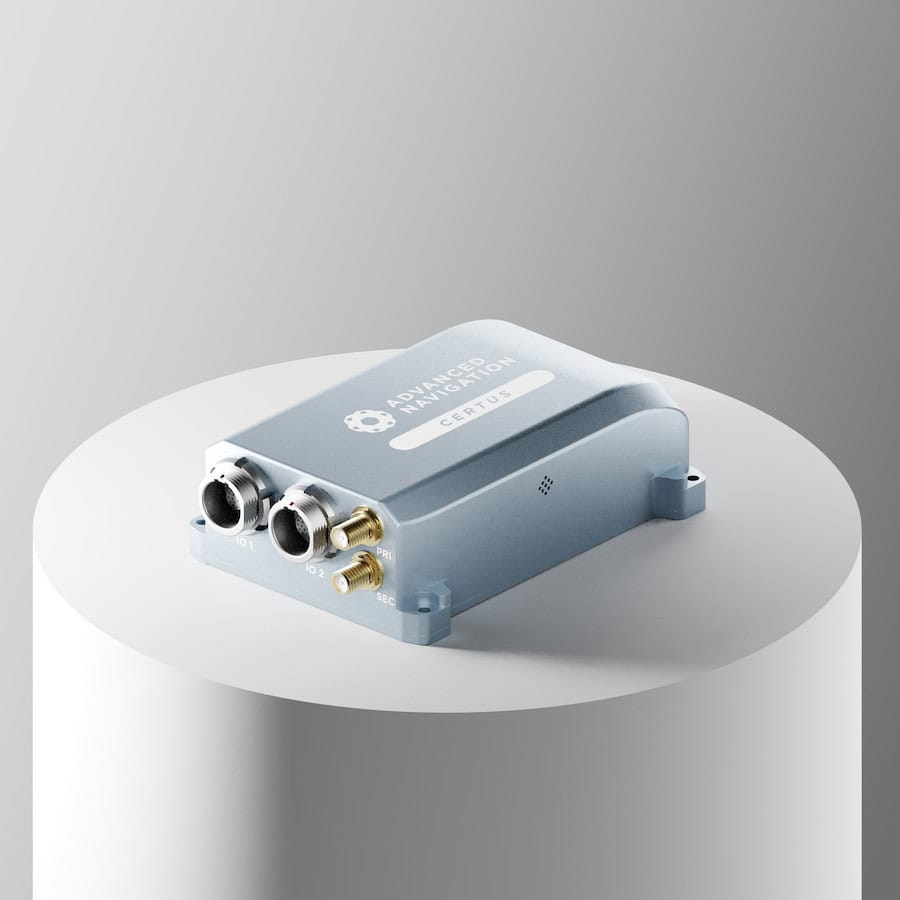
Advanced Navigation outlines flight-demonstrated airborne navigation architectures, pairing the Certus Evo MEMS INS with an Air Data Unit and the Boreas D90 FOG INS with a Laser Velocity Sensor, to maintain accurate positioning during GNSS-denied operations
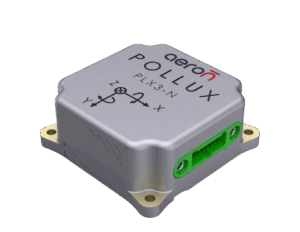
Aeron Systems’ Pollux Inertial Navigation System (INS) delivers precise, lightweight UAV navigation and stabilization, ensuring reliable performance even in GPS-denied and demanding environments
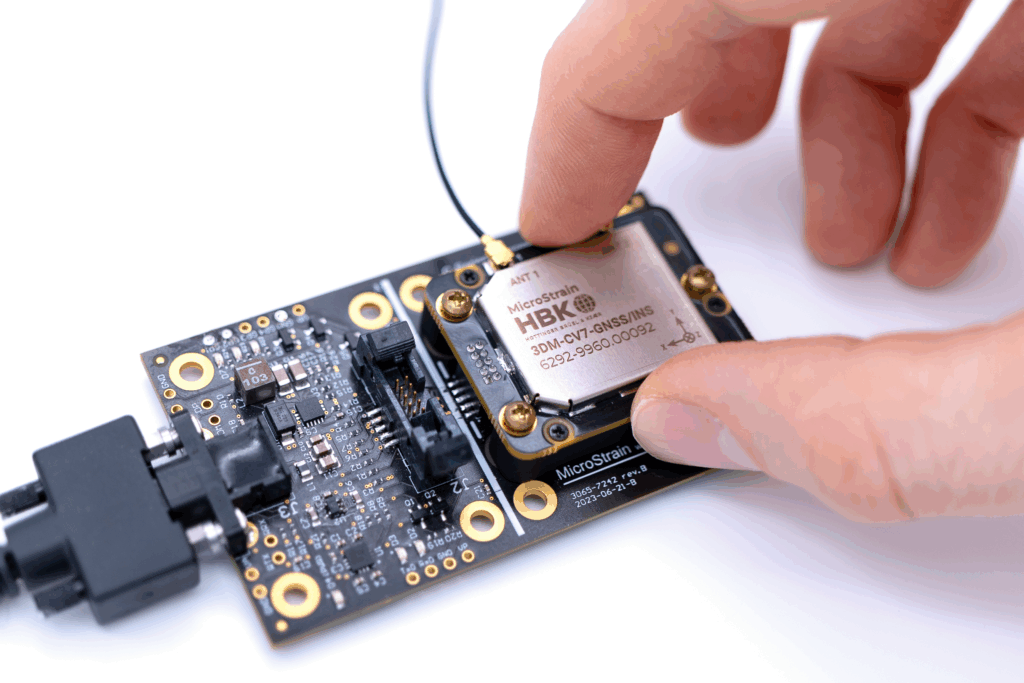
HBK has introduced the 3DM-CV7-GNSS/INS, a compact inertial navigation sensor designed to deliver accurate, reliable performance in size- and weight-constrained applications
The latest defense technology news, straight to your inbox.
Get our weekly roundup of technology developments, new products and industry news.
THANK YOU FOR SIGNING UP
Thanks for joining us. Check your inbox.
We've sent you an email. Click the confirmation link to complete your subscription to the weekly eBrief. In the meantime, explore the latest news, suppliers and technologies on DA.
Advancing Defense Capability Through Strategic Collaboration
Defense Advancement works with major OEMs to foster collaboration and increase engagement with SMEs, to accelerate innovation and drive defense capabilities forward.