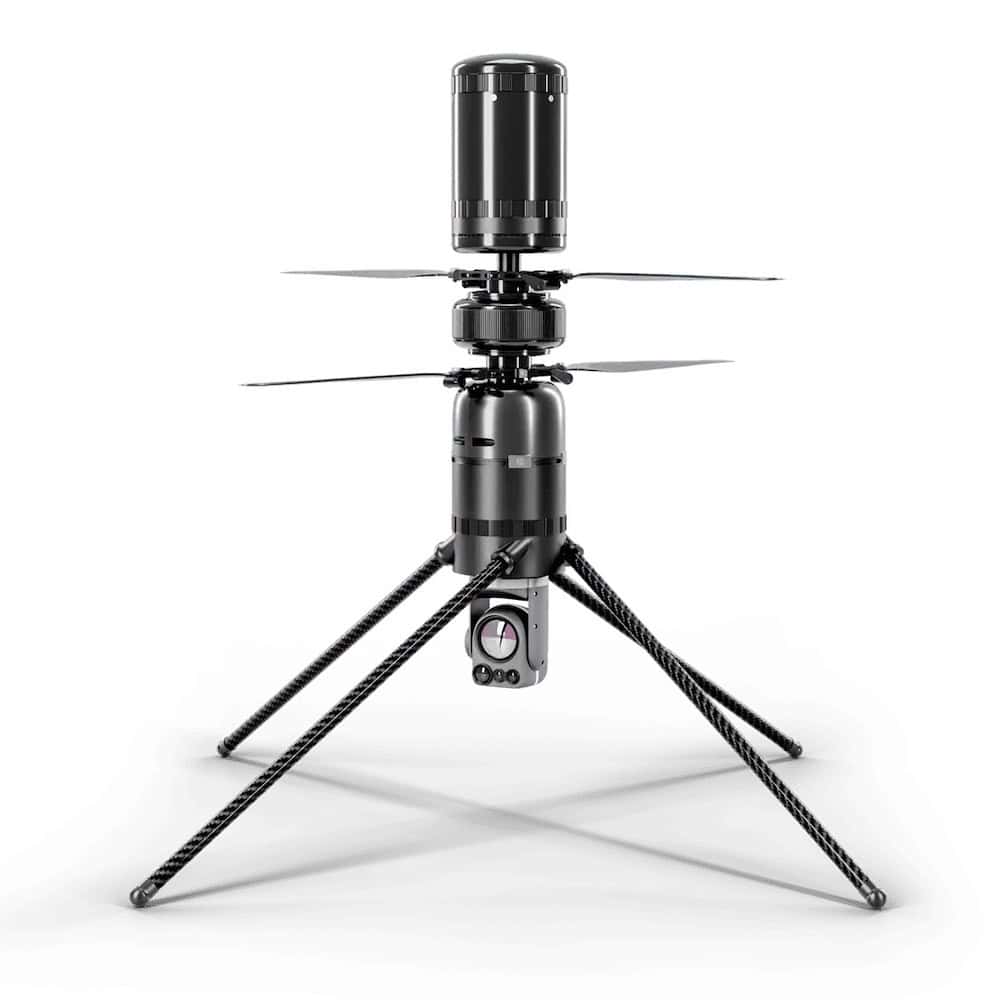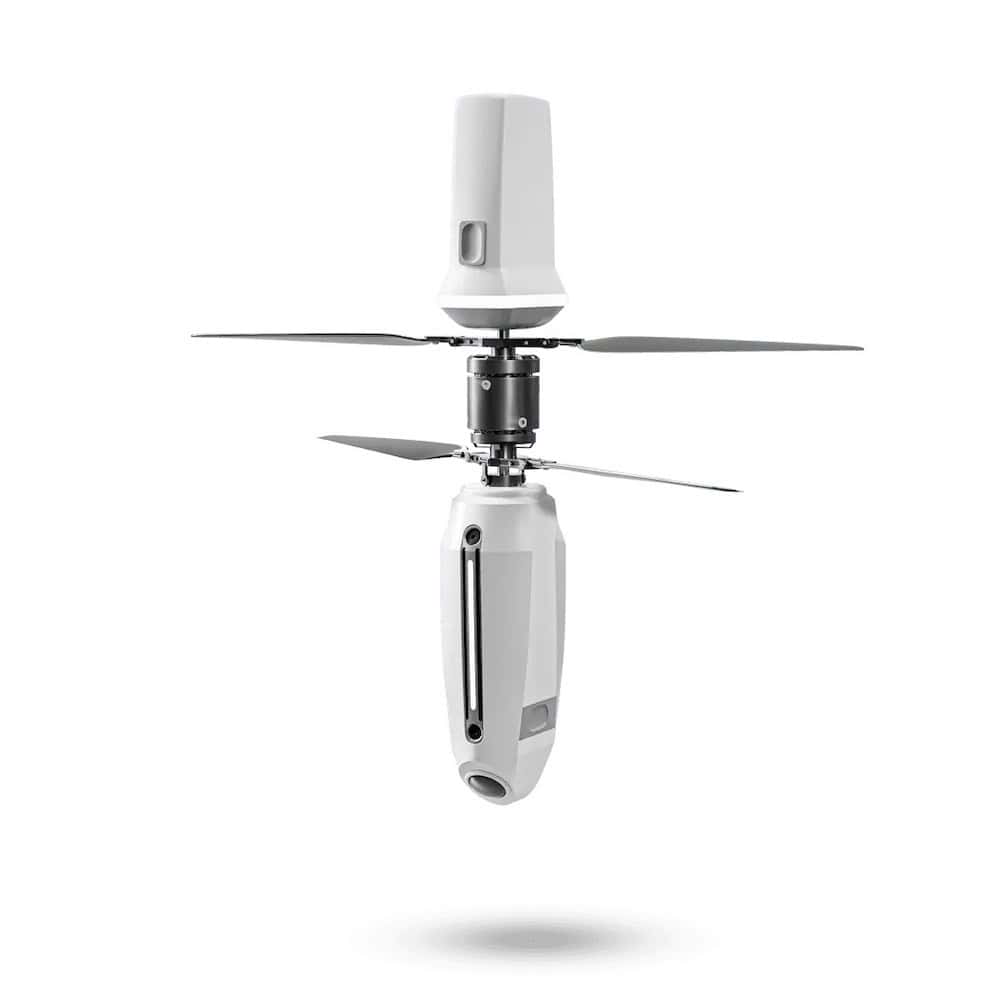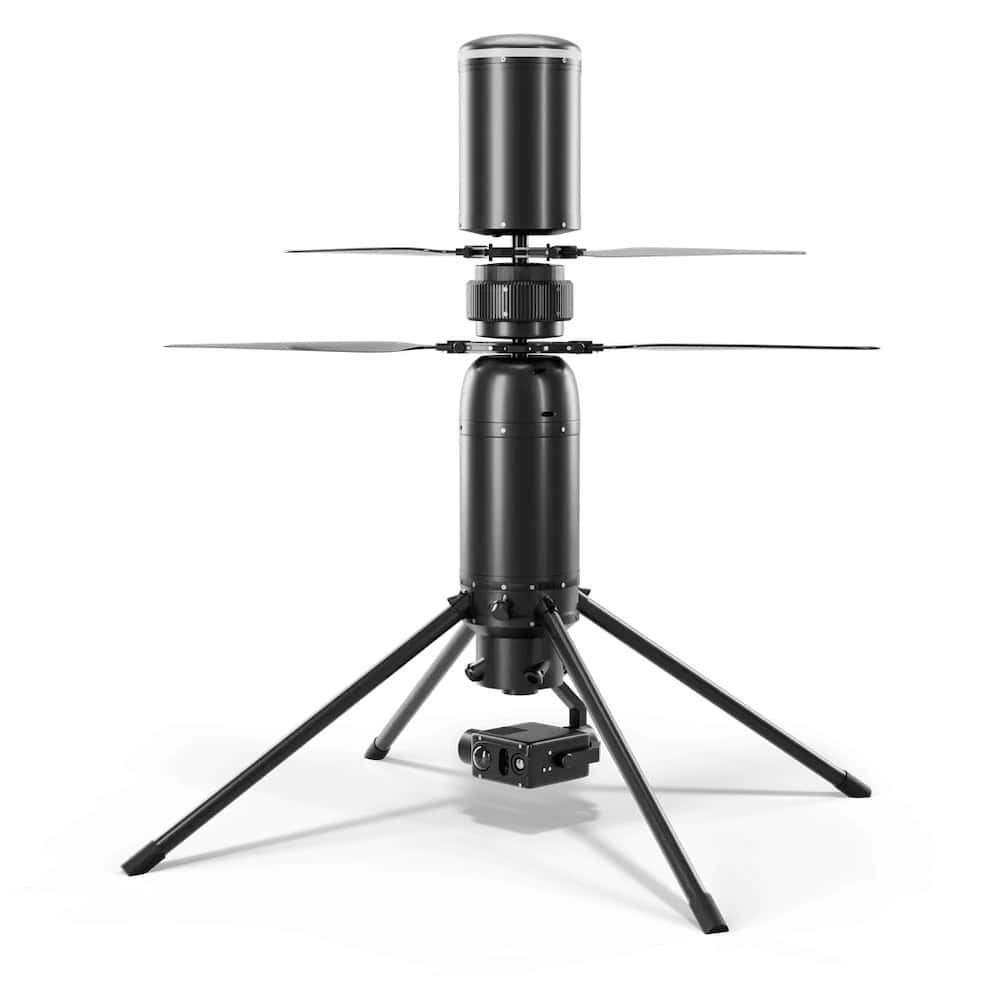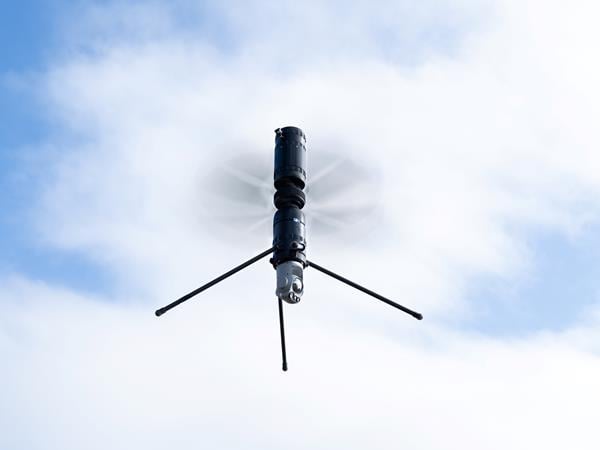





Robinson Unmanned and MicroVision have entered into a joint marketing and demonstration agreement to advance the integration of MicroVision’s MOVIA™ Air Plus LiDAR technology with Robinson Unmanned’s SPIRIT™ Group 1 Unmanned Aircraft System (UAS).
The collaboration aims to demonstrate how compact airborne LiDAR can capture, process, and generate detailed spatial information during flight, helping reduce the time between data collection and actionable insight. The integrated capability is designed to produce three-dimensional maps in real time, rather than requiring mapping to take place after the aircraft lands. It has potential applications across commercial, civil, public safety, security, and defense markets, particularly where changing conditions make timely spatial information important.
Glen DeVos, Chief Executive Officer of MicroVision, commented, “Robinson Unmanned brings deep expertise in UAS platforms and understands what customers need from airborne systems operating in demanding environments. Integrating MOVIA Air Plus with their platform demonstrates how our lidar technology can enable real-time mapping and situational awareness from the air. We see significant opportunities to apply these capabilities across commercial, civil, security, and defense markets.”

Robinson Unmanned’s SPIRIT is an aviation-grade, National Defense Authorization Act (NDAA)-compliant, Blue UAS Cleared Group 1 platform designed for mission adaptability and operation in demanding environments. Its Modular Open Systems Architecture (MOSA) enables rapid integration of sensing, communications, and other mission technologies without requiring the underlying aircraft to be redesigned. SPIRIT supports payloads of up to 6.5 pounds and has a maximum takeoff weight of 13.5 pounds.
MOVIA Air Plus combines compact LiDAR hardware with advanced perception and mapping capabilities for airborne and mobile applications. By combining camera and LiDAR data, the technology supports real-time mapping, localization, and navigation, including in environments where foliage or camouflage can limit visual sensing.
Paul Fermo, President of Robinson Unmanned, added, “Open architecture matters because it gives operators access to new capability without having to redesign the aircraft around it. MOVIA Air Plus brings compact, real-time perception and mapping capability that aligns well with SPIRIT’s modular architecture. Working with MicroVision gives us another opportunity to demonstrate how advanced sensing can be rapidly integrated to give operators better information, faster, across commercial, public safety and defense missions.”
The collaboration reflects MicroVision’s broader strategy of working with platform providers and technology partners to integrate its LiDAR and perception solutions into real-world systems and accelerate adoption across industrial, security, and defense markets.
The integrated technology was recently showcased at the Association of the U.S. Army’s 2026 Annual Meeting and Exposition (AUSA) in Washington, D.C., in the Innovation Pavilion hosted by J.A. Green & Company. The companies plan to conduct joint demonstrations and customer evaluations throughout the remainder of 2026, with additional details to be announced as the program progresses.