



Unmanned Surface Vehicles
Discover cutting-edge solutions from leading global suppliers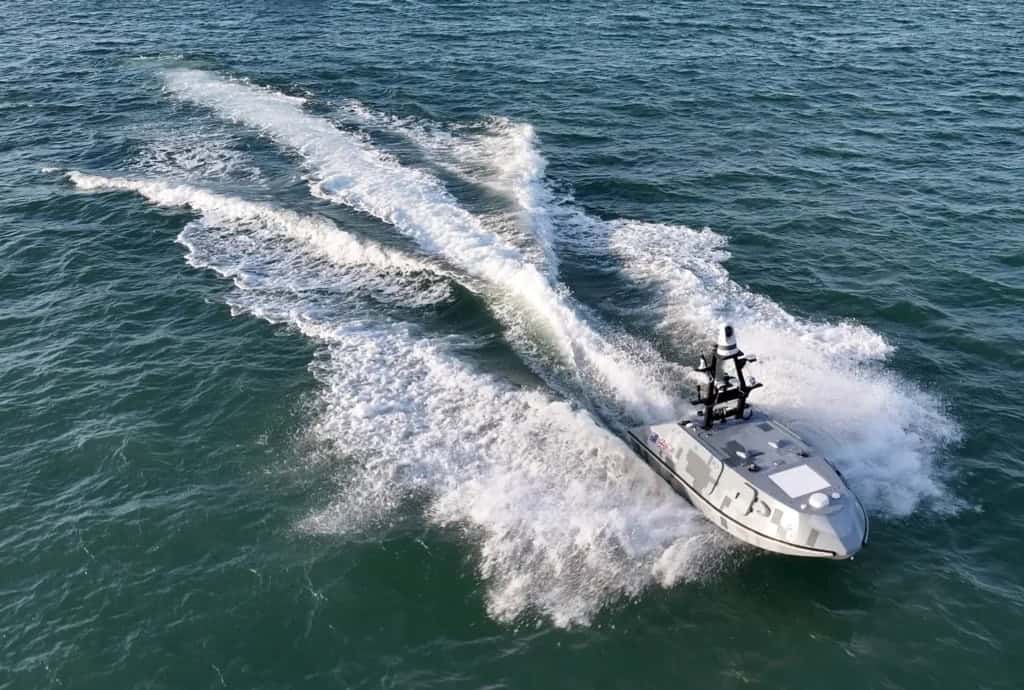
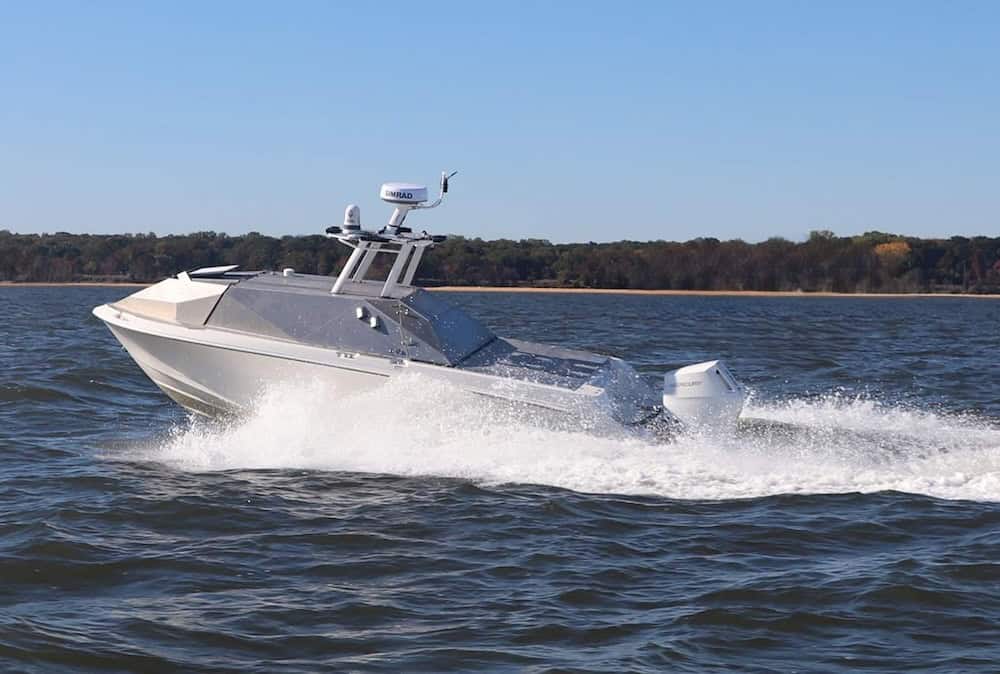
SubSea Craft has introduced MARS (Modular Autonomous Remote System), a next-generation uncrewed surface vessel (USV) engineered to operate where traditional naval assets are constrained by risk, range, or survivability.
As the nature of maritime conflict evolves, exemplified by the strategic use of uncrewed systems in recent Black Sea engagements, MARS addresses the urgent demand for scalable, low-signature platforms that can deliver both kinetic and non-kinetic effects across the maritime domain.
Purpose-built for the future battlespace, MARS is a modular, adaptable solution capable of executing complex missions autonomously or as part of a multi-domain force package. Its development reflects a paradigm shift in naval design and procurement, emphasizing agility, operator insight, and accelerated innovation cycles.
Camilla Martin, CEO of SubSea Craft, said, “There is a clear global need for the responsive development of advanced maritime platforms that can meet evolving force requirements and objectives.
“At SubSea Craft we are proud to be representing the UK on the international stage in creating scalable technologies. These can be built and serviced in-country to boost both domestic maritime capabilities and the agility of our allies.
“The development of MARS represents another milestone on our international journey. Having been developed in the UK, tested in Australia and the US, we have been able to showcase our ongoing dedication to AUKUS objectives of interoperability and technological synergy between nations.”
Penny Mordaunt, Chair of SubSea Craft and Former UK Secretary of State for Defence, added, “MARS has emerged as a disruptive force for the modern battlespace. Its successful testing following an impressive turnaround from its ideation is testament to SubSea Craft’s cutting-edge approach to accelerated research, development and delivery.”
MARS was conceived, engineered, and delivered in just 100 days, demonstrating SubSea Craft’s rapid prototyping capability and deep integration of user feedback from concept to deployment. This compressed development timeline underscores a platform-level innovation model that aligns with fast-moving threat environments.
The vessel’s modular architecture enables rapid reconfiguration, supporting a broad array of mission-specific payloads. Whether deployed for surveillance, interdiction, electronic warfare, or decoy operations, MARS can be tailored to meet the needs of naval commanders in dynamic operational theaters.
MARS is designed to accommodate a range of mission sets through its flexible payload bays. Configurable for both offensive and defensive roles, the platform can carry:
- Active and passive sensor arrays
- Electro-optical/infrared (EO/IR) camera suites
- Loitering munitions or other precision strike payloads
- Electronic support or countermeasure packages
This versatility makes it an ideal asset for persistent intelligence, surveillance, and reconnaissance (ISR), counter-uncrewed systems (UxS) operations, and maritime security missions.
A central strength of MARS lies in its ability to operate independently or in concert with manned and uncrewed systems. It can be launched from a wide range of existing naval platforms, enabling rapid deployment without the need for additional infrastructure. This interoperability significantly enhances the capabilities of existing fleets, providing a cost-effective force multiplier.
MARS also incorporates low-observable design principles to reduce its detectability in contested environments, increasing survivability and mission success rates. Its autonomy suite supports long-duration missions with minimal operator oversight, reducing manpower requirements and increasing operational reach.
Whether conducting reconnaissance in denied environments, delivering payloads in high-threat zones, or acting as a forward sensor node, MARS extends the decision-making envelope for maritime commanders. Its real-world utility in contemporary conflict zones highlights the growing need for uncrewed systems that can adapt, integrate, and respond at the speed of relevance.