



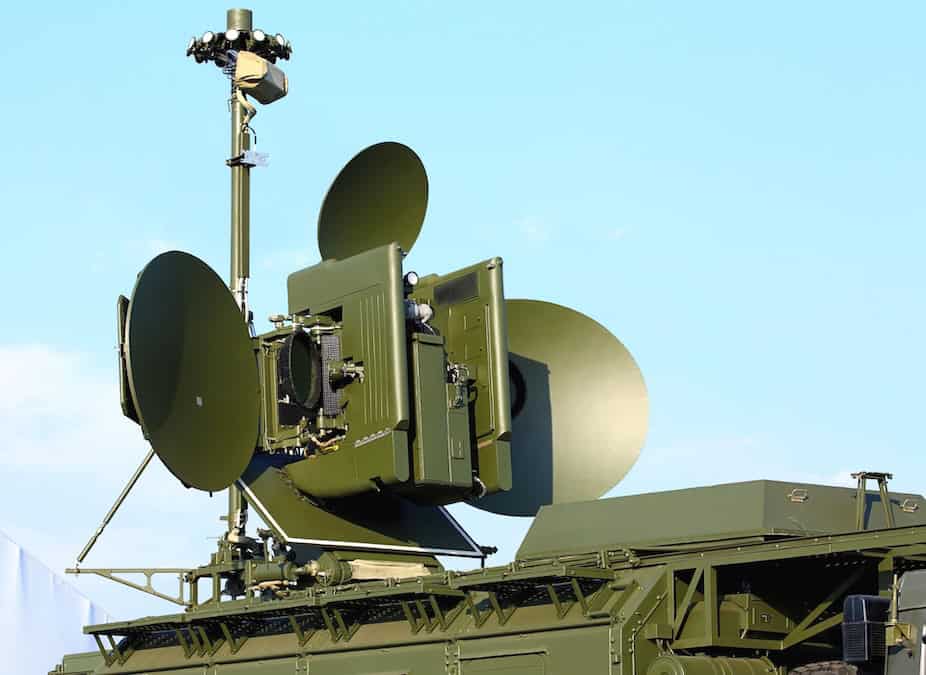
Omnetics, a developer of rugged micro- and nano-miniature mil-spec connectors, discusses the importance of reliable, high-performance electrical connections, developed to withstand extreme conditions, in military and space applications. Read more >>
Modern defense electronic systems rely on remotely coordinated management and technologies that maintain continuous communication across dispersed battlefield areas. Satellite data and communication centers relay surveillance, current and planned positioning of aircraft, ships, and ground forces.
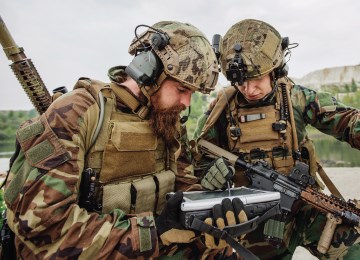
Dismounted soldiers use these systems to direct autonomous drones, manage remote weapons, and maintain constant communication with tactical leadership. Portable modules are integrated into uniforms, helmets, weapons, antennas, and LIDAR-based surveillance devices.
Mobile electronics advancements require smaller, lighter, low-power platforms capable of high-speed digital processing. Ballistics and air-to-ground missiles, equipped with GPS guidance, face high inertial stresses, vibration during surface travel, shock from drone landings, and rapid acceleration. On-board electronics and interconnections routing data must withstand these mechanical and operational challenges.
Connector Solutions
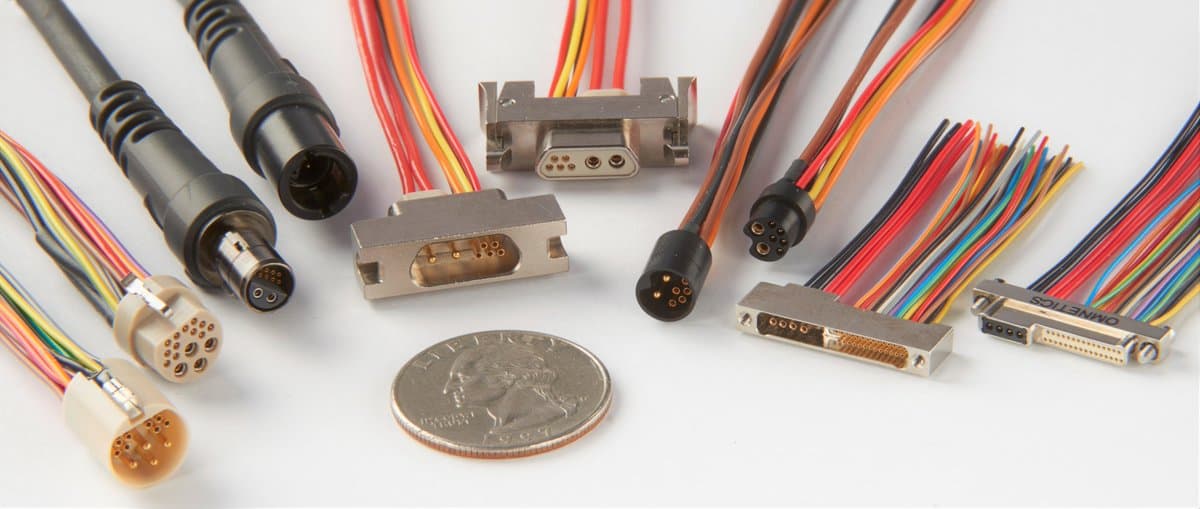
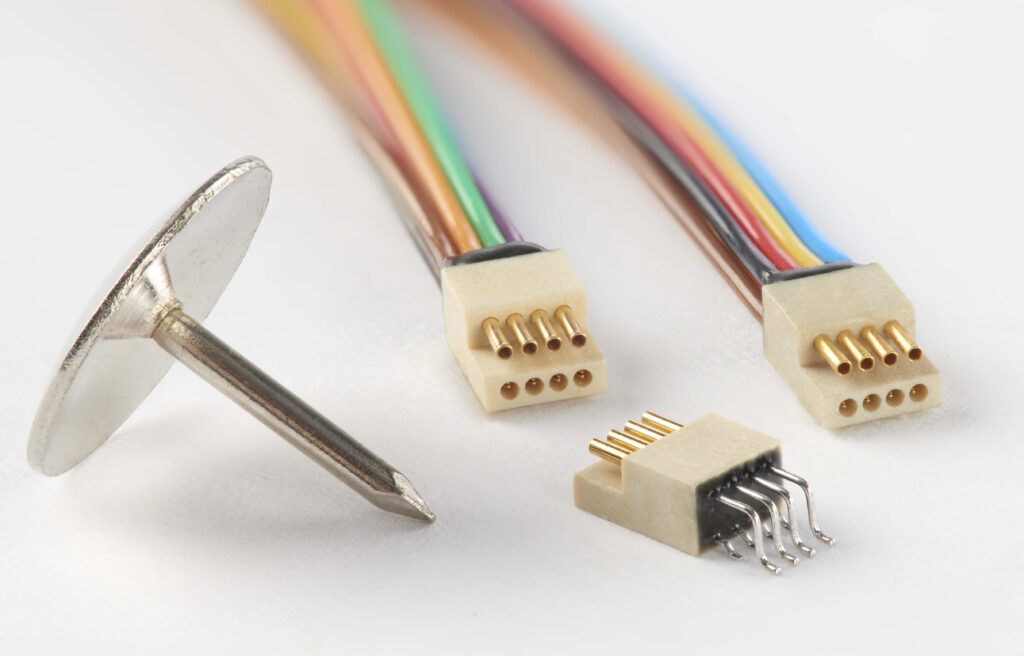
Omnetics supplies military-qualified Micro and Nano connectors and cables designed for these rugged conditions.
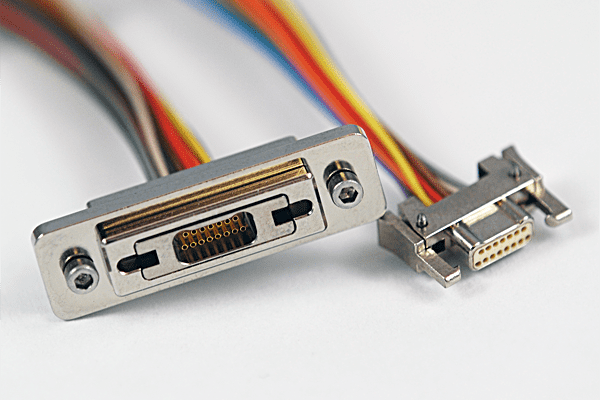
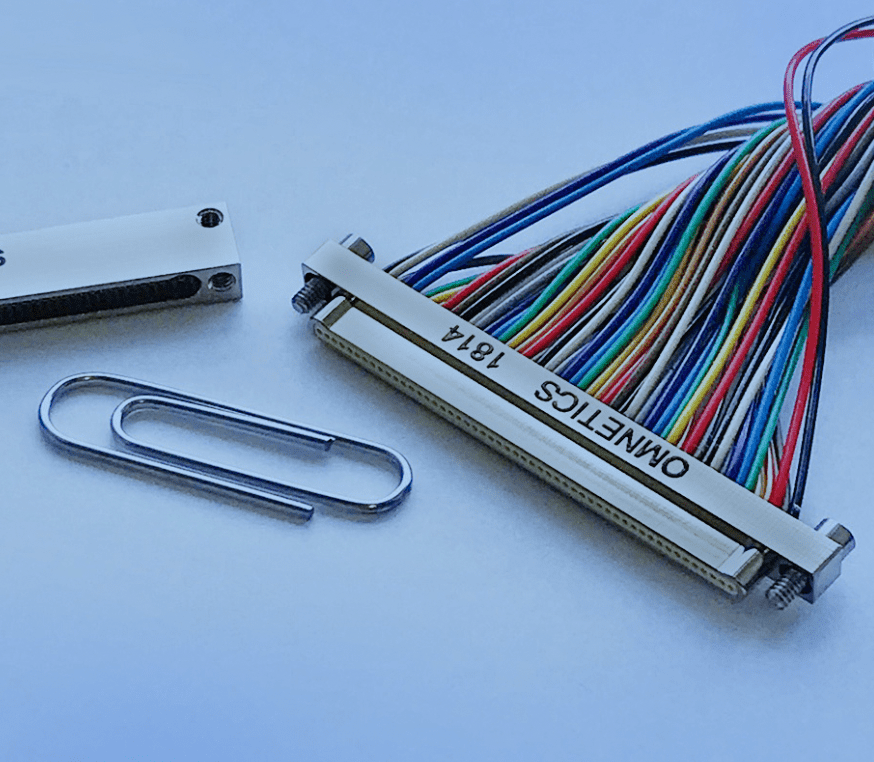
Nano-D connectors meet MIL-DTL-32139 standards and are built using non-outgassing materials to ensure reliable performance in small defense communication satellites.
Micro-D and Nano-D connectors withstand vibration, mud, soil, and thermal cycling through single-piece BeCu pins plated with military-grade nickel and gold to prevent contact wear.
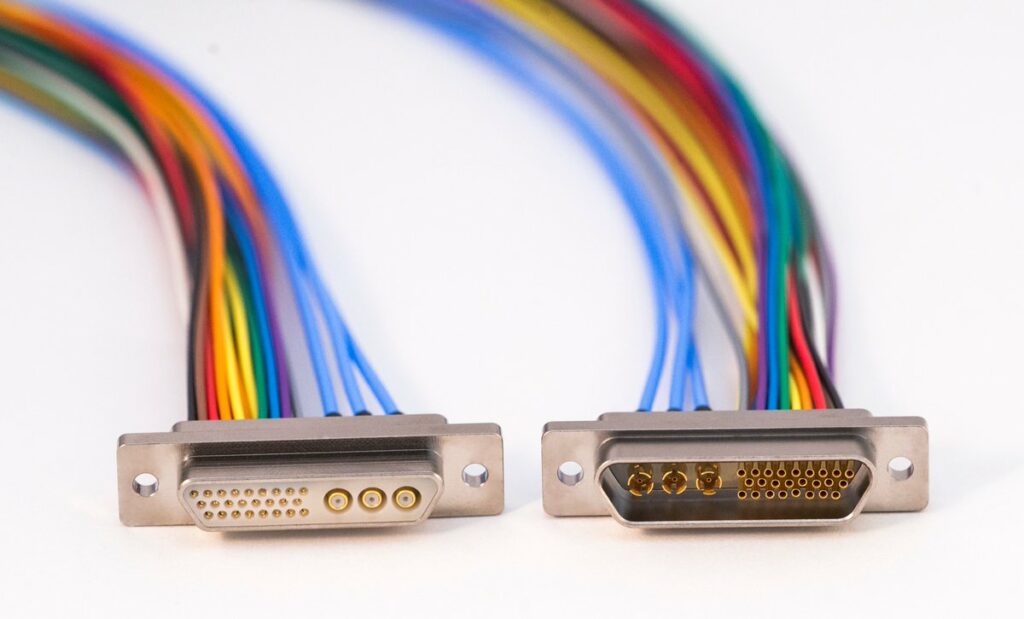
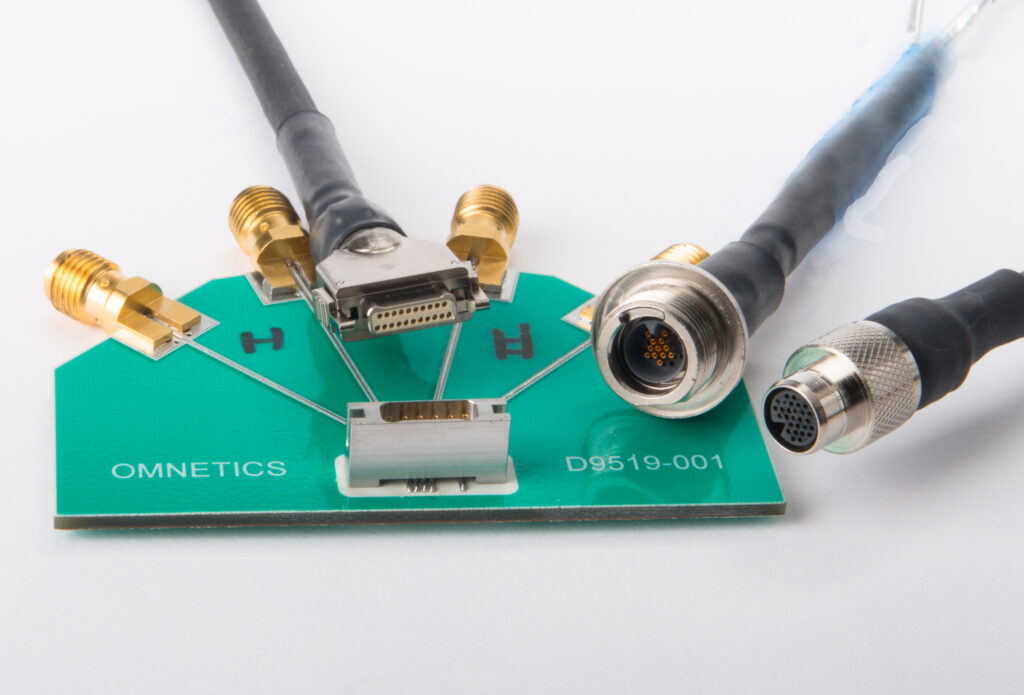
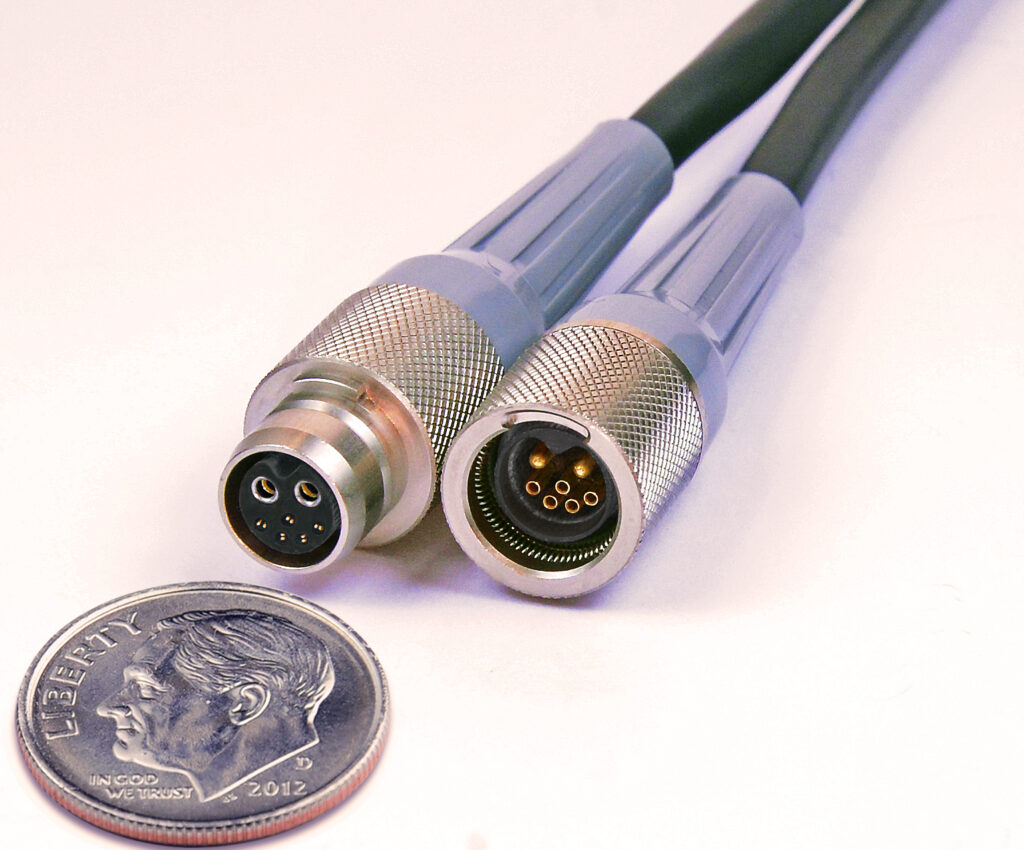
Hybrid connectors support both power and high-speed digital signals and are specifically customized for each weapon or system. Circular connectors, such as the Micro Circular, are miniaturized, support higher-speed signals, provide EMI shielding, and enhance cable flexibility.
Designers can provide detailed tables of electrical performance, power, size and weight requirements, as well as the system’s environmental application. This will speed up connector selection and support rapid customization, solid modeling, and 3D fabrication to fit compact or uniquely shaped spaces.