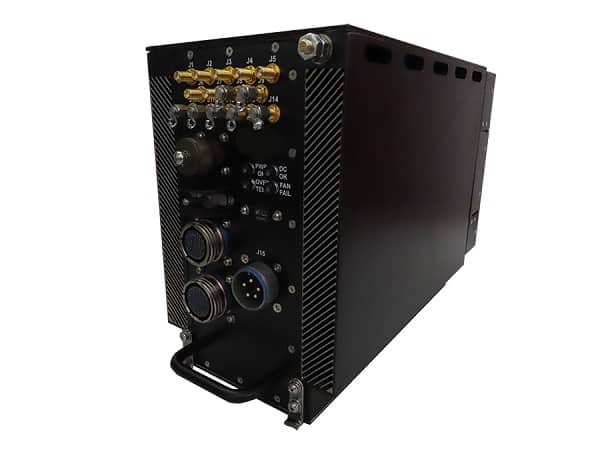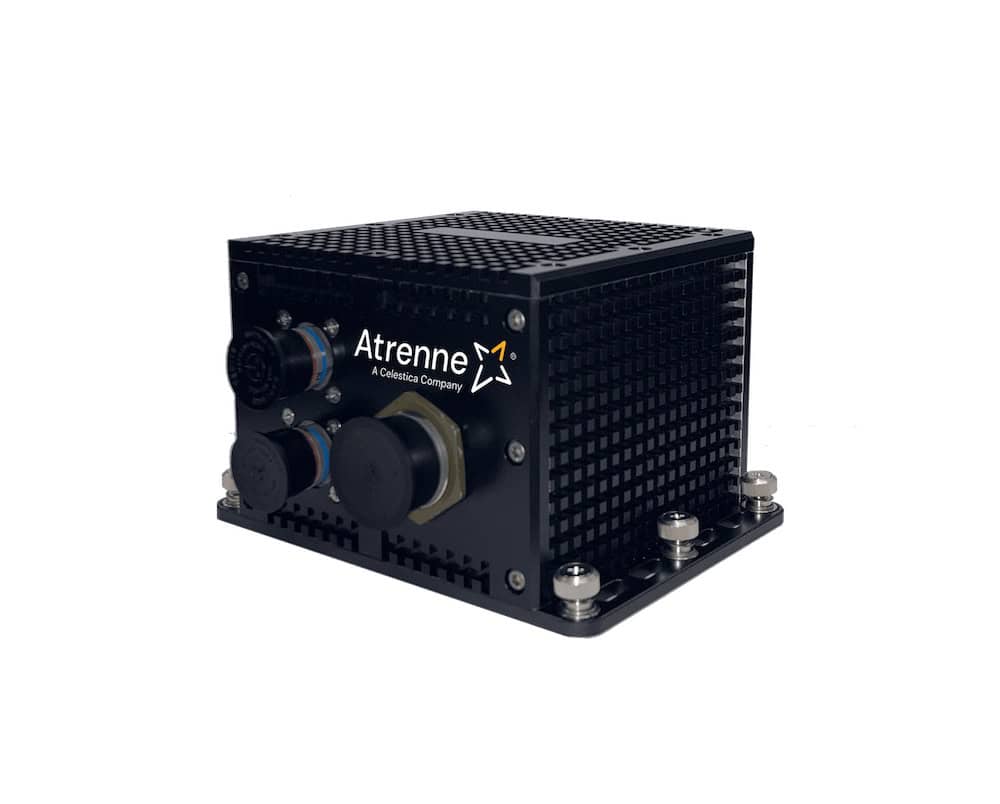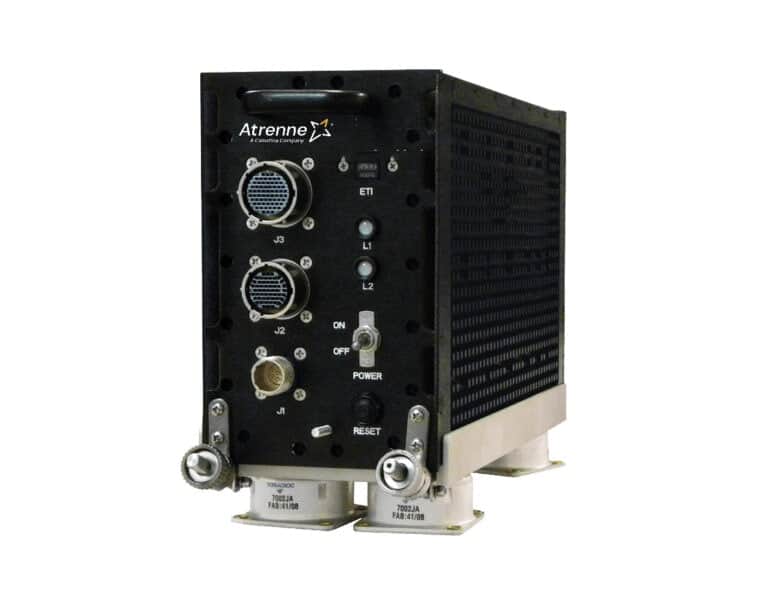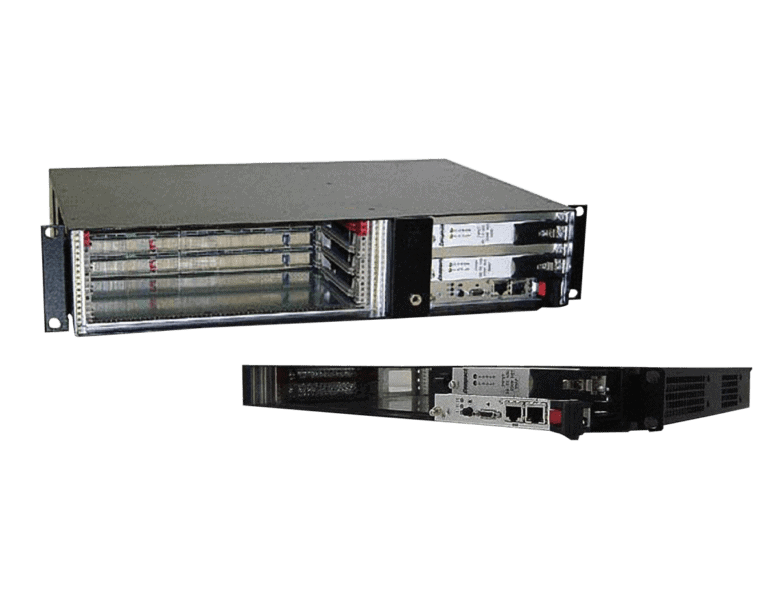
As defense systems increasingly depend on autonomous operations, electronic intelligence, and edge computing, the integration of GPU-based AI sensors has become a mission critical priority. Atrenne delivers rugged, SOSA-aligned and OpenVPX solutions that allow GPU-based AI sensors to operate reliably on defense platforms.
The convergence of GPU-driven AI workloads and rugged computing infrastructure is transforming how missions are executed and decisions are made in real-time. By aligning with Sensor Open Systems Architecture (SOSA) and OpenVPX standards, Atrenne enables system designers to deploy next-generation AI capabilities without compromising on reliability, thermal integrity, or modularity.
AI at the edge enables faster decision-making, lower latency, and autonomy in disconnected or degraded environments. Applications range from object detection in intelligence, surveillance, and reconnaissance missions to real-time threat identification in electronic intelligence operations, as well as onboard diagnostics and predictive maintenance. These use cases require low-SWaP (Size, Weight, and Power) systems capable of withstanding vibration, extreme temperatures, and electromagnetic interference.
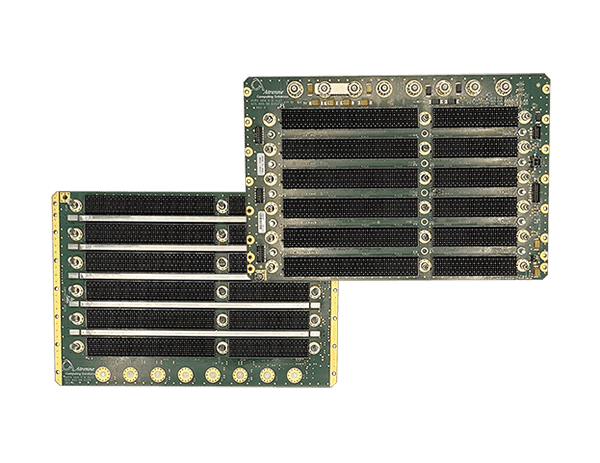
The SOSA standard and OpenVPX provide the foundation for scalable AI deployment. Slot-based modular designs allow rapid system scaling, while defined thermal and electrical profiles host high-power GPUs. Compatible backplanes ensure that data-intensive AI processing can occur efficiently. SOSA alignment guarantees multi-vendor interoperability, upgradability, and long-term maintainability, which are critical for Department of Defense programs.
GPUs generate substantial heat, particularly in conduction-cooled environments. Atrenne addresses this through heat-spreading wedge locks, multi-fin sidewalls to enhance dissipation, and cold plate ,bases with rear fans in extended chassis.
High-performance GPUs require stable and efficient power, particularly in high ambient temperatures. Atrenne’s 500W conduction-cooled solutions, validated for operation up to 70°C, provide efficient conversion across multiple voltage rails while minimizing heat loss, reducing the risk of overheating and power instability.
High-speed AI sensor data demands precise signal integrity, minimal crosstalk, effective EMI shielding, and compliance with industry standards. Atrenne addresses this with custom backplanes featuring impedance-controlled routing, EMI shielding, and strict alignment with VITA 65 and SOSA standards.
GPU-based AI sensors enhance the autonomy of UAVs and UGVs, allowing real-time route adaptation using onboard visual processing. In electronic intelligence, RF-trained neural networks can classify signals instantaneously, while surveillance systems benefit from multi-sensor fusion for facial or object recognition. These applications demand workstation-class AI performance within rugged, compact enclosures.
With future-ready architectures, long lifecycle support, and field-tested mechanical designs, Atrenne is not only responding to the edge AI revolution, it is helping to lead it. For programs requiring data center-class AI performance within the footprint of a rugged tactical system, Atrenne provides the expertise and technology foundation to make it possible.
With decades of experience in rugged and embedded computing, Atrenne delivers fully SOSA-aligned and OpenVPX enclosures, custom backplanes and I/O routing, and scalable, tested thermal solutions for high-TDP devices. This expertise ensures that AI capabilities operate reliably across air, land, and maritime systems, providing long-term performance at the tactical edge.