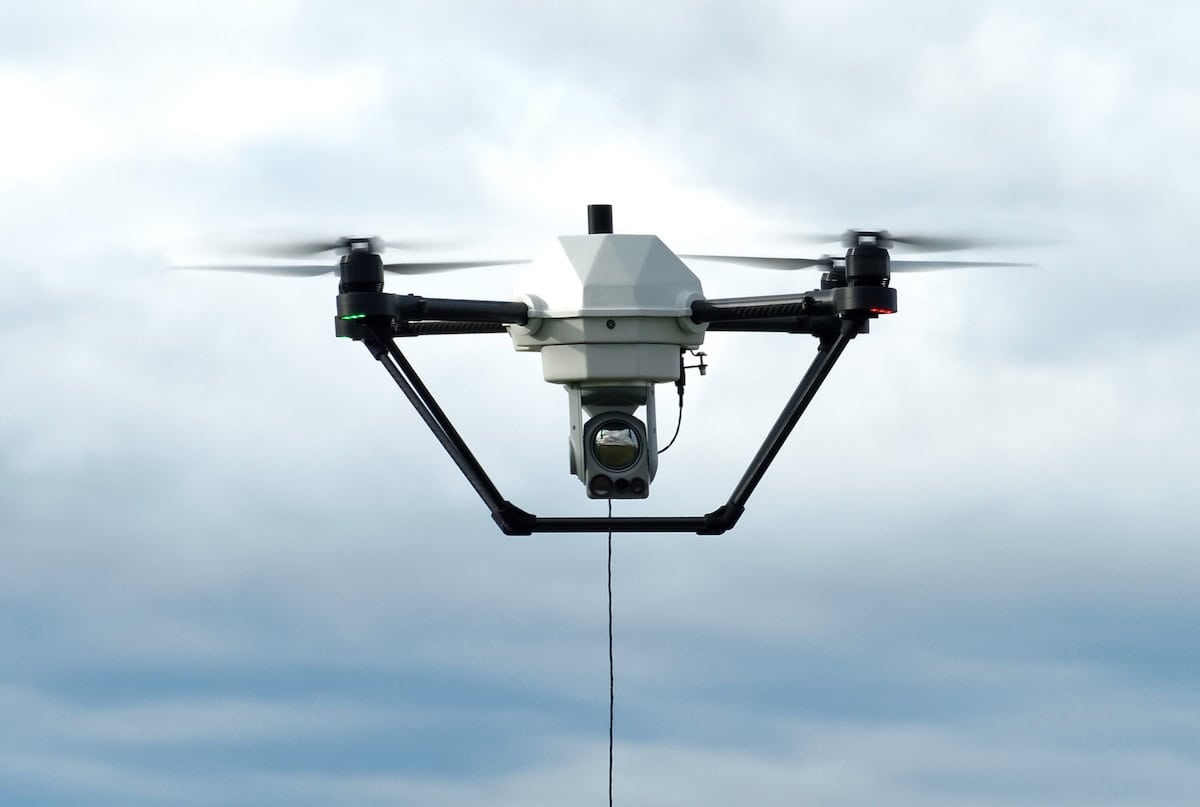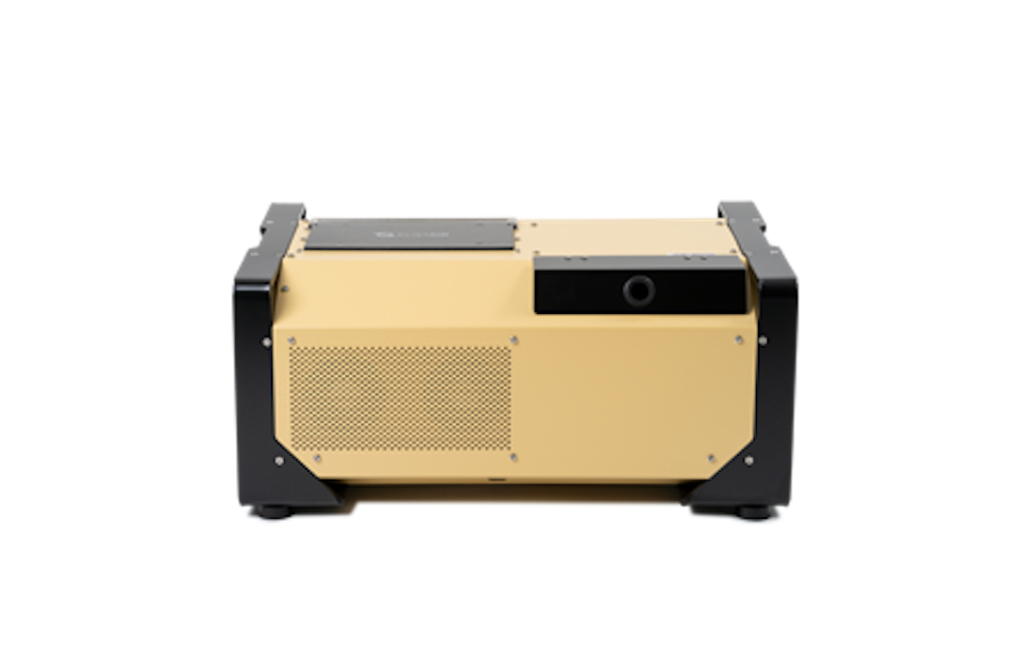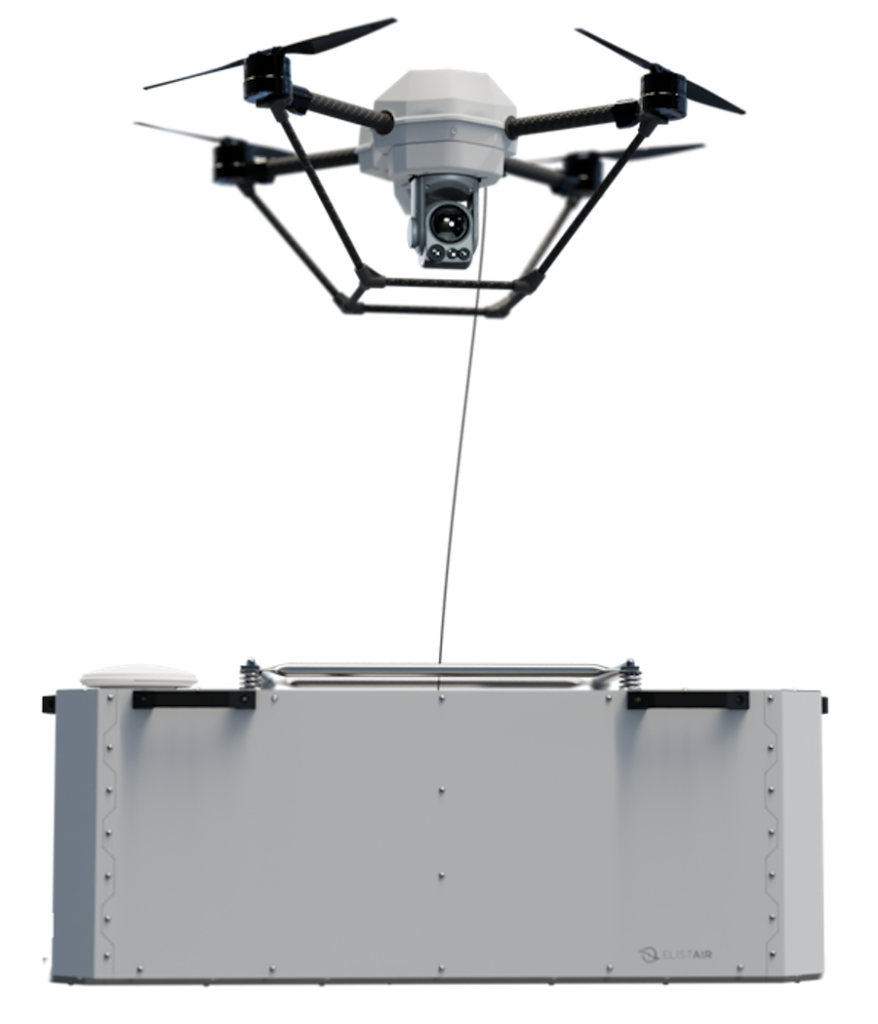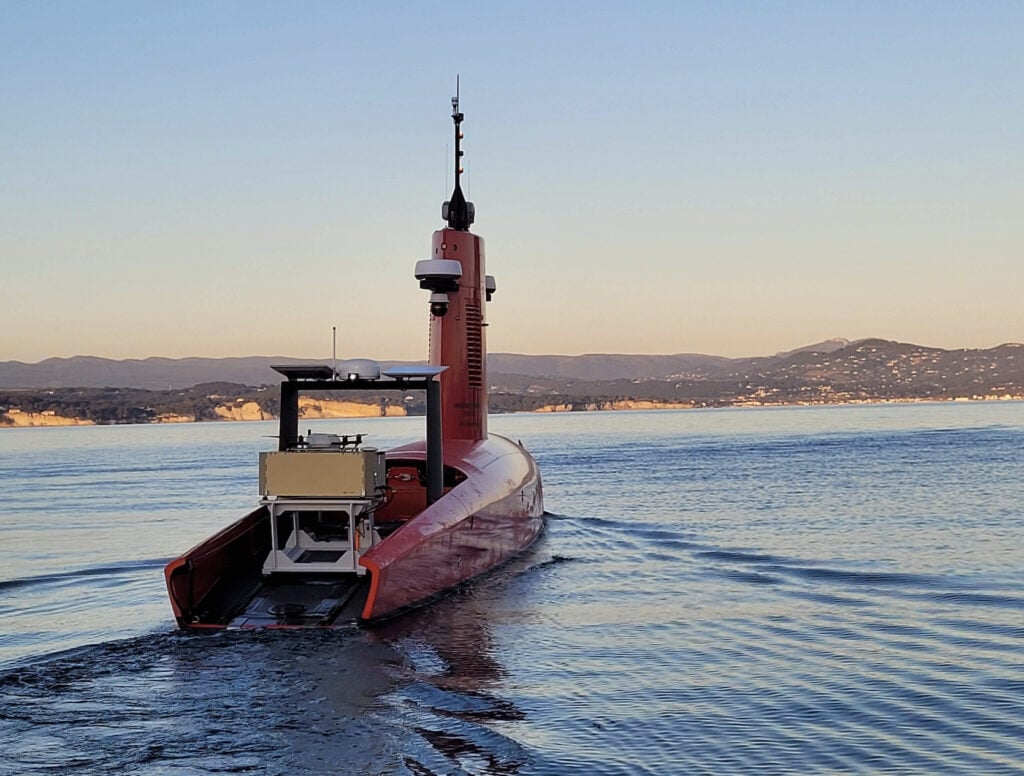




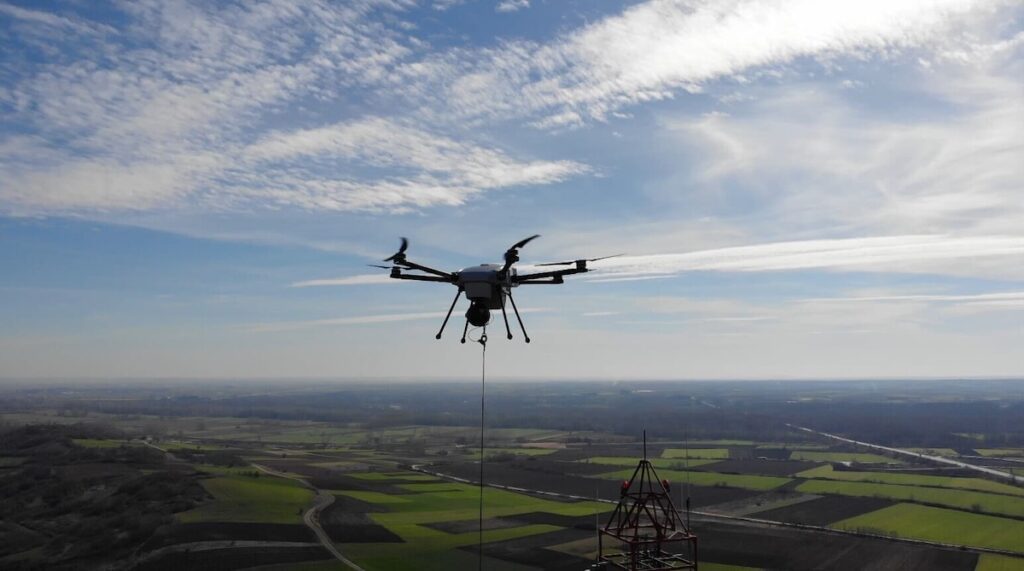
Elistair explores how a Variable Height Antenna (VHA) transforms tactical drones’ communication capabilities and provides more reliable network connections in rural and urban environments.
Reliable communication itself is vital in tactical operations, such as special forces or border patrol missions, with the clarity and effectiveness of communication determining operational outcomes.
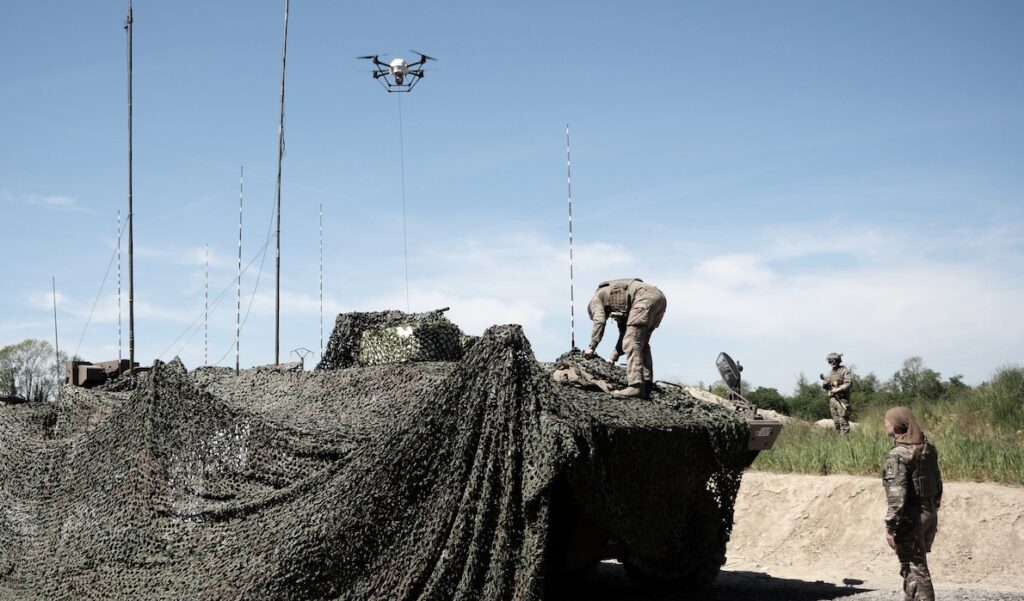
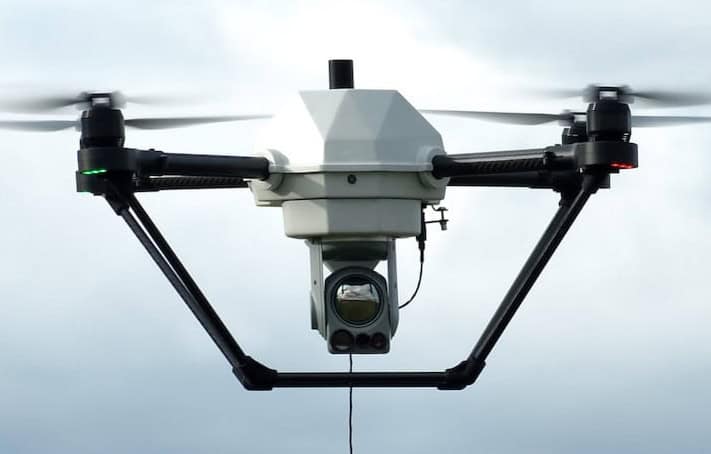
A VHA is a tethered drone equipped with an adjustable communication antenna. This varies its altitude, overcoming environmental challenges, such as urban interference, forests, and mountains, improving radio communication performance, and expanding network coverage beyond the limits of fixed-height antennas.
VHA drones create a dynamic “network bubble” by elevating communication payloads to significant heights and optimizing line-of-sight connectivity across vast operational areas.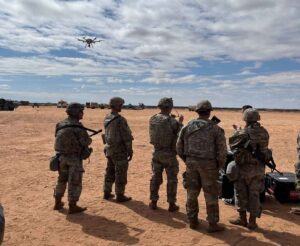
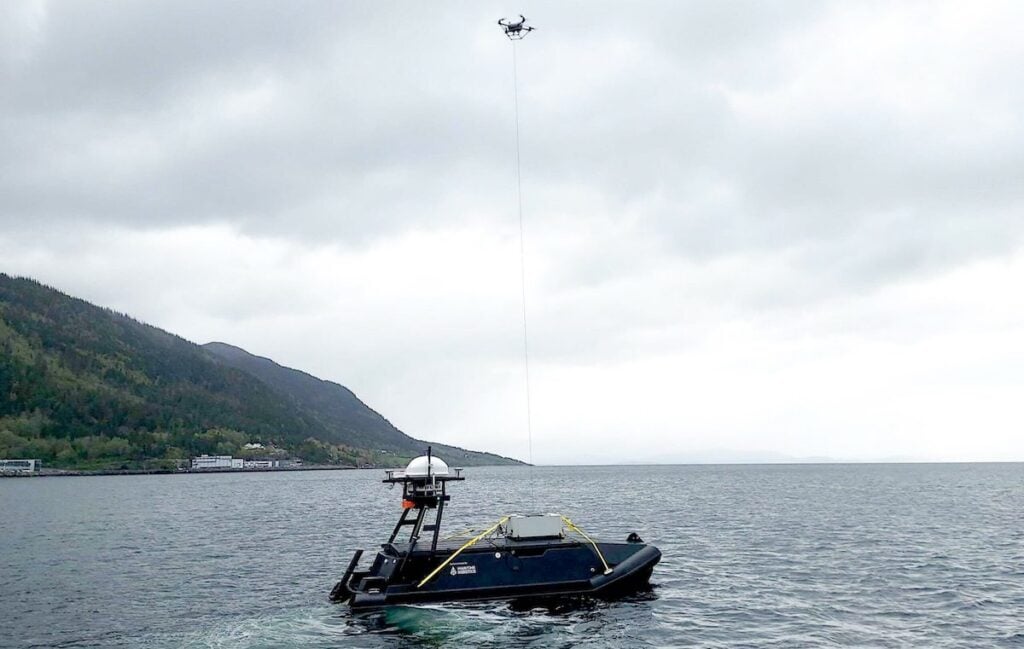
A VHA drone can fly higher to keep a strong signal. This extends the communication range and escapes interference zones, ensuring reliable, interference-free communication links between vessels, ground facilities, and mobile units. This is crucial for enhancing real-time situational awareness.
This drone adaptability is key for ensuring strong communication networks and reducing signal interference in defense, border control and law enforcement operations, where harsh environmental obstacles are prominent.
VHA also increases operational range, with drones communicating over greater distances than for fixed-height antennas. This is key in defense operations, allowing UAVs to cover large areas for reconnaissance or surveillance without losing connectivity.
The technology reduces communication latency and ensures critical information, like real-time video or sensor data, transmits instantly. This low-latency also supports radio communication in mesh networks, aiding efficiency and reliability. VHAs can also integrate third-party radios, enabling interoperability between different communication systems and improving coordination among allied forces.
VHA tethered drones are a key asset in tactical scenarios that require signal interception, jamming, or protection of critical frequencies. When equipped with electronic warfare payloads, their elevated position further improves signal transmission and reception, securing communication channels under hostile conditions.