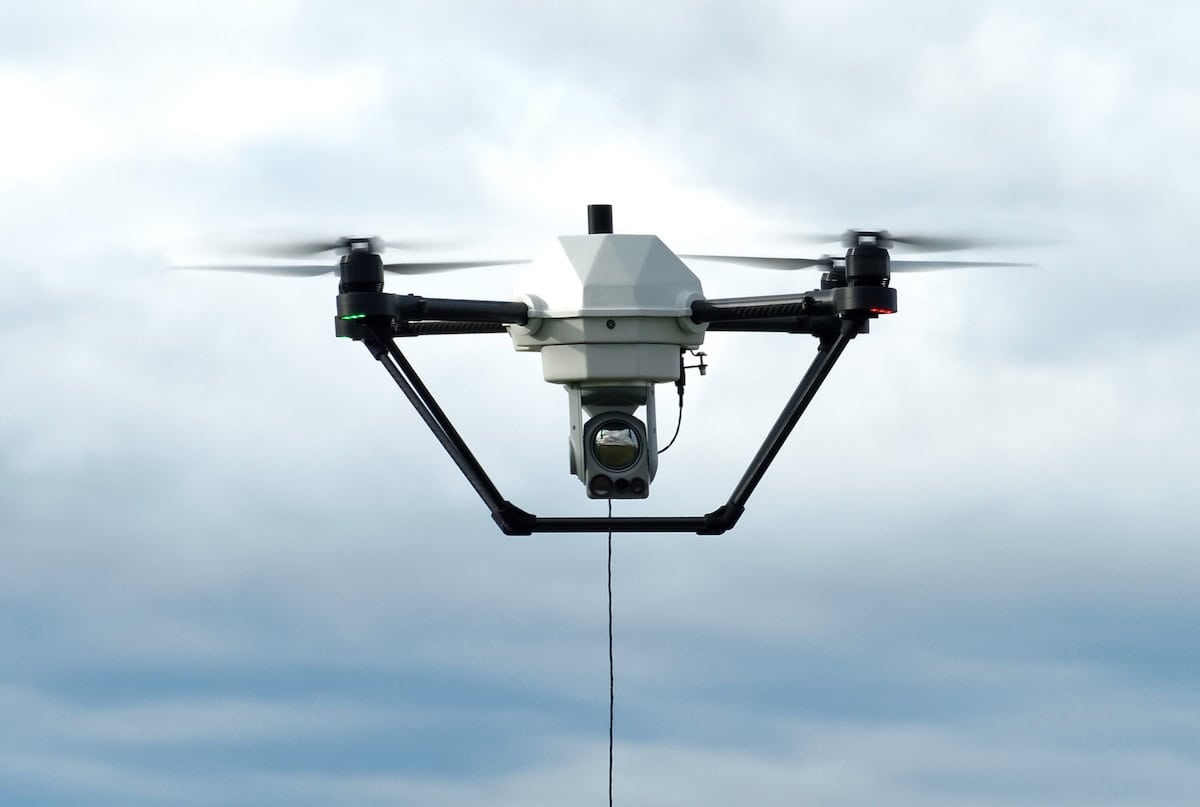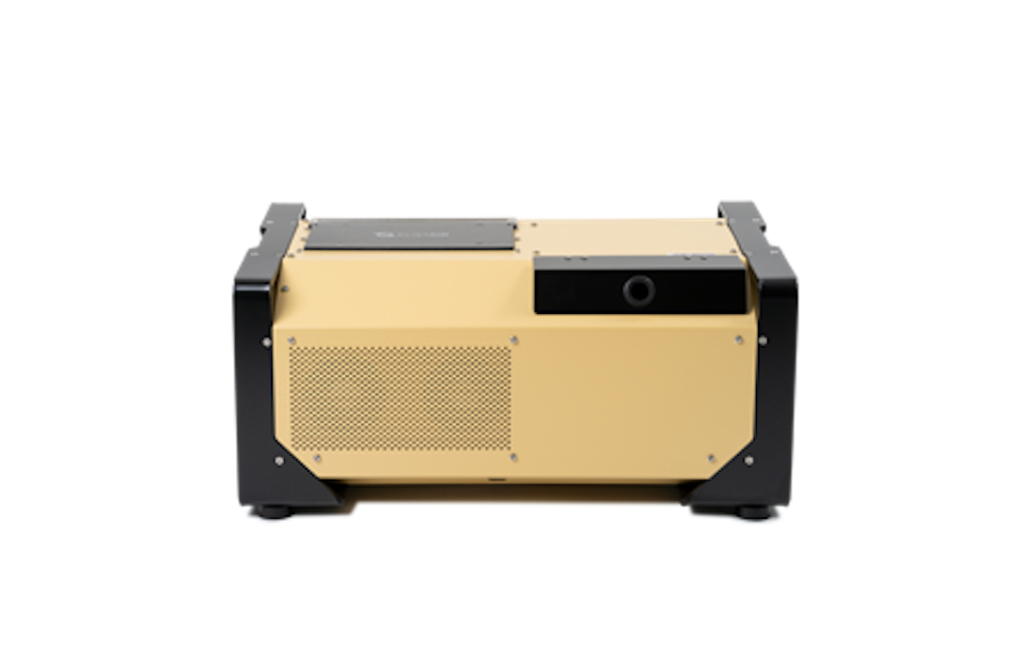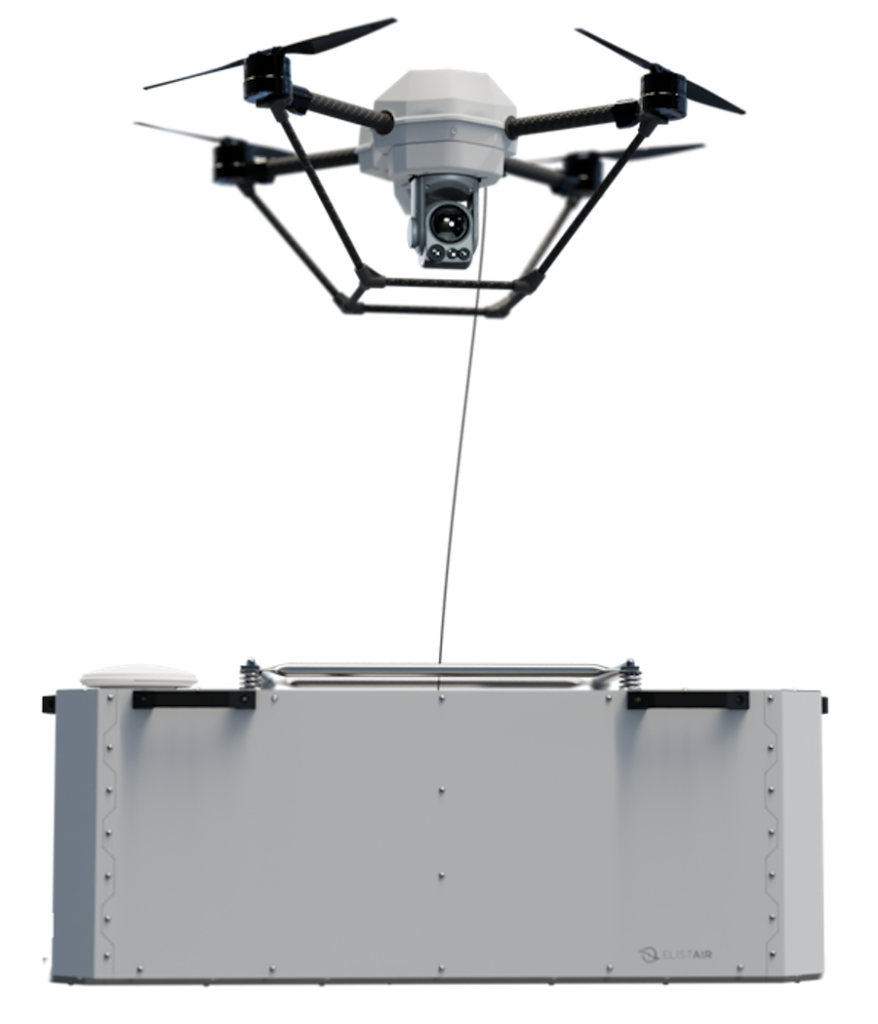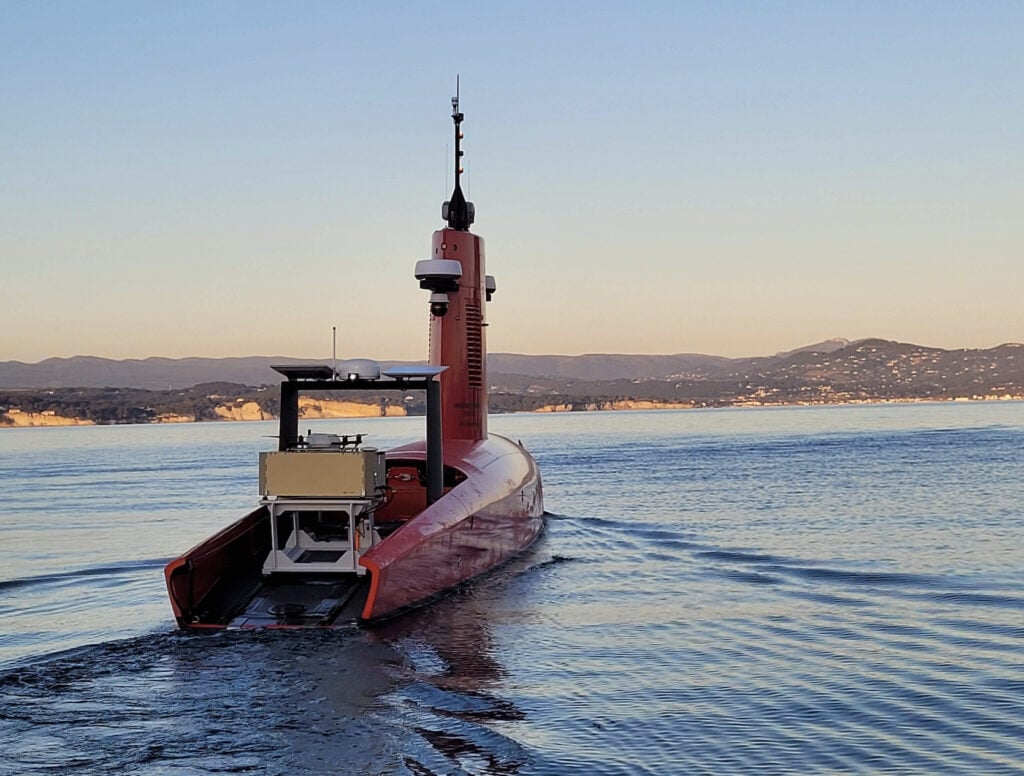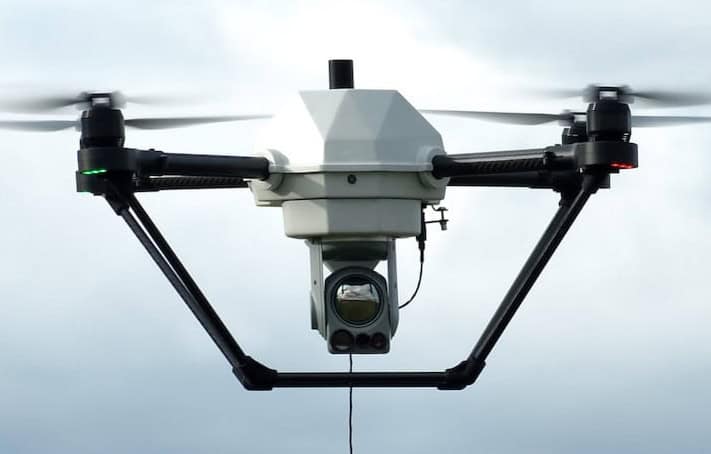
Elistair, a specialist in tethered drone technology for persistent aerial surveillance, provides law enforcement agencies with reliable systems designed to enhance mission safety and situational awareness.
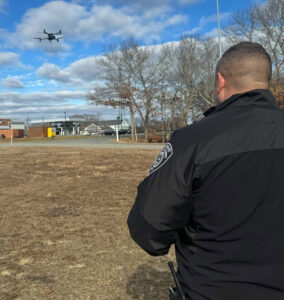
Tethered drones developed by Elistair have become valuable tools for public safety operations, offering extended flight endurance and secure data transmission for real-time intelligence gathering.
By integrating Elistair’s tethered drone systems, law enforcement units can conduct prolonged surveillance and respond rapidly to incidents while maintaining compliance with operational safety standards.
The Expanding Role of Drones in Law Enforcement
The capability of drones to provide live aerial imagery and data has transformed public safety missions. Through real-time feeds, officers can assess developing situations, monitor large areas, and coordinate resources more efficiently. These advantages have proven critical during emergency response, disaster management, and tactical operations.
Compared with traditional aerial assets such as helicopters, drones offer a cost-efficient solution that significantly reduces operational expenses. Their portability and ability to be quickly deployed make them suitable for both routine patrols and critical incidents.
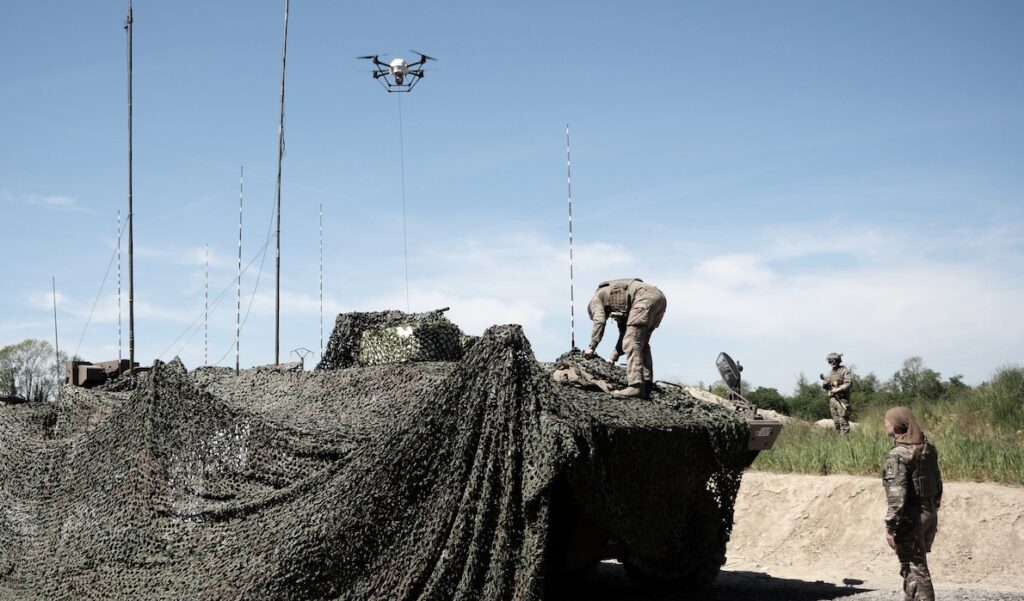
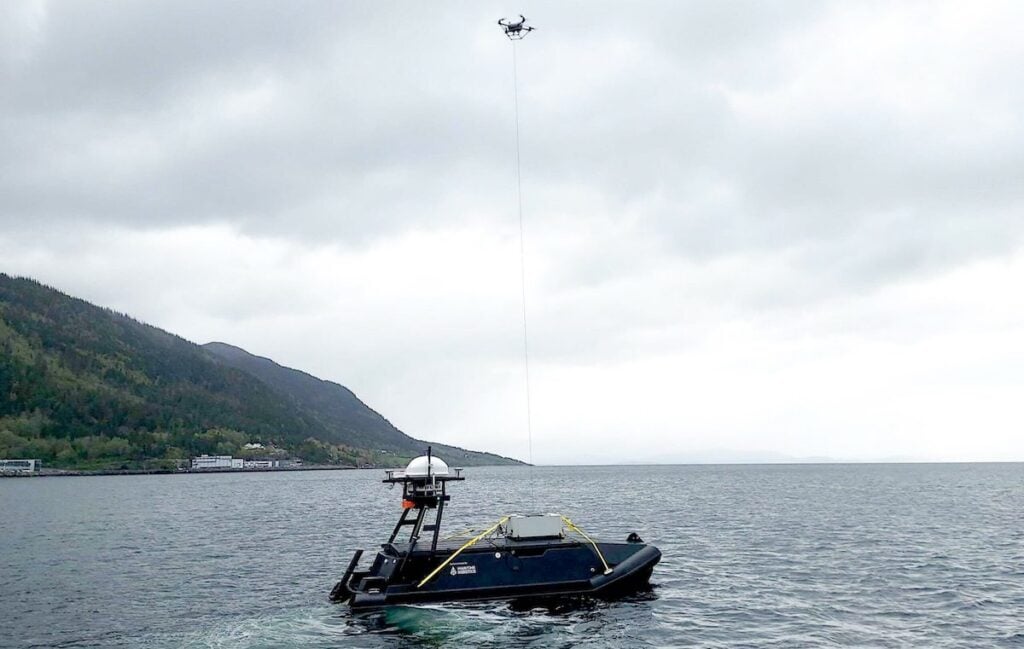
Elistair’s tethered systems further enhance these benefits by enabling continuous flight operations without the limitations of battery endurance, ensuring uninterrupted observation and communication support.
Preparing for a Drone Mission
Before launching a mission, law enforcement units must undertake detailed planning to guarantee the safety of personnel and the public. The following steps outline best practices for organizing a police drone operation.
1. Define the Mission Objective
Establishing clear objectives allows teams to identify the appropriate platform and payload configuration. Questions regarding environmental conditions, imaging requirements such as night or thermal vision, and flight duration should be addressed early. Elistair’s tethered solutions can be selected when persistent monitoring or secure, long-duration operations are required.
2. Review Regulatory Compliance
All drone deployments must align with applicable aviation and public safety regulations. Law enforcement agencies typically operate under specific waivers or simplified frameworks, but each mission must still comply with local airspace rules. Utilizing drones equipped with failsafe features, such as geofencing, automatic return-to-home, and emergency recovery systems, reduces operational risks in complex urban areas.
3. Plan the Flight Path
A detailed flight plan should outline altitude limits, speed parameters, potential obstacles, and signal interference risks. Teams should use digital aeronautical charts to verify that operations occur within authorized airspace. Tactical considerations, including pilot positioning, launch and recovery points, and contingency landing areas, must also be addressed.
4. Conduct a Risk Assessment
Evaluating risks at both the aeronautical and operational levels is essential. Authorities must confirm that flights avoid restricted zones and do not endanger people or property. Police units should assess mission-specific factors such as weather, terrain, urgency, and pilot readiness. Risk mitigation measures, including redundant systems and emergency procedures, support mission success and operational safety.
5. Coordinate with Personnel
Integration with command centers and field units ensures that aerial data contributes effectively to mission decision-making. When possible, live video streams should be transmitted to command posts to enhance situational awareness. If live feeds are unavailable, real-time radio communication or visual updates must be maintained between the drone team and commanding officers.
6. Employ Skilled Drone Operators
Trained pilots are responsible for monitoring drone performance, managing camera systems, and responding to environmental changes. Automated flight modes and software alerts assist operators in maintaining focus on mission objectives while ensuring consistent data collection.
Safe, Reliable Support for Public Safety Missions
Effective use of drones in law enforcement requires comprehensive planning, appropriate equipment selection, and strict adherence to safety protocols. Elistair’s tethered drone systems address many of these operational challenges by offering secure, continuous aerial observation that supports both tactical and public safety missions.
For further insights into law enforcement drone operations, including field feedback from the Arlington Police Department on the use of tethered drones, Elistair provides webinars and resources highlighting practical applications in real-world public safety environments.