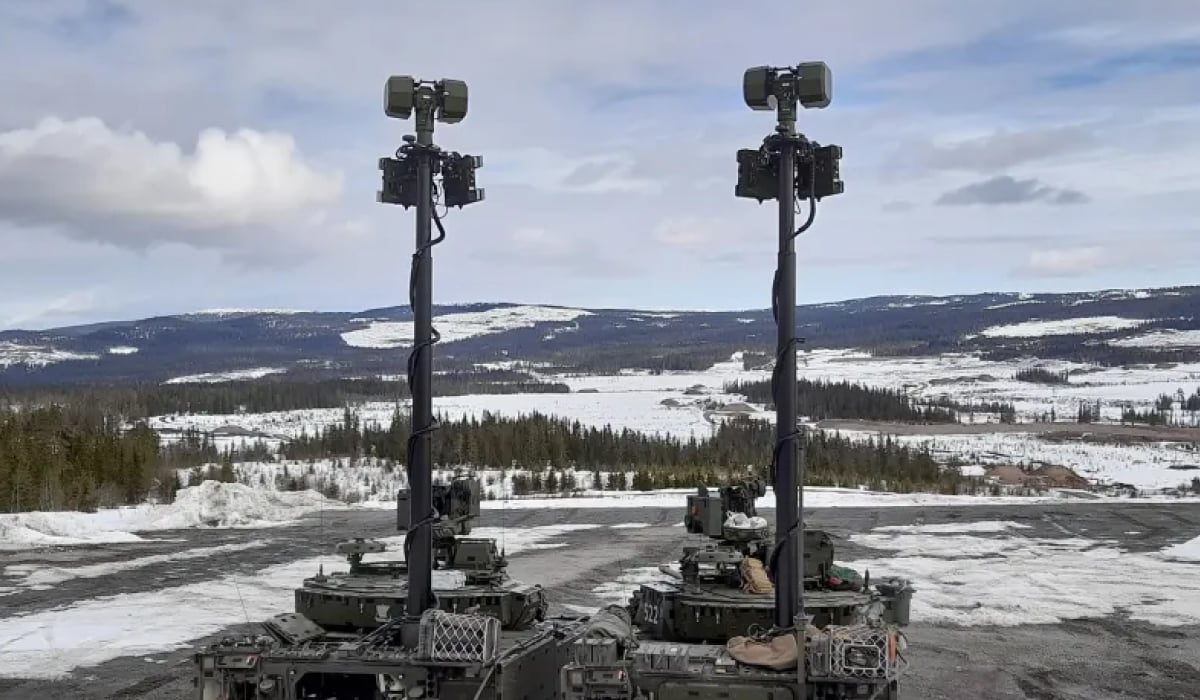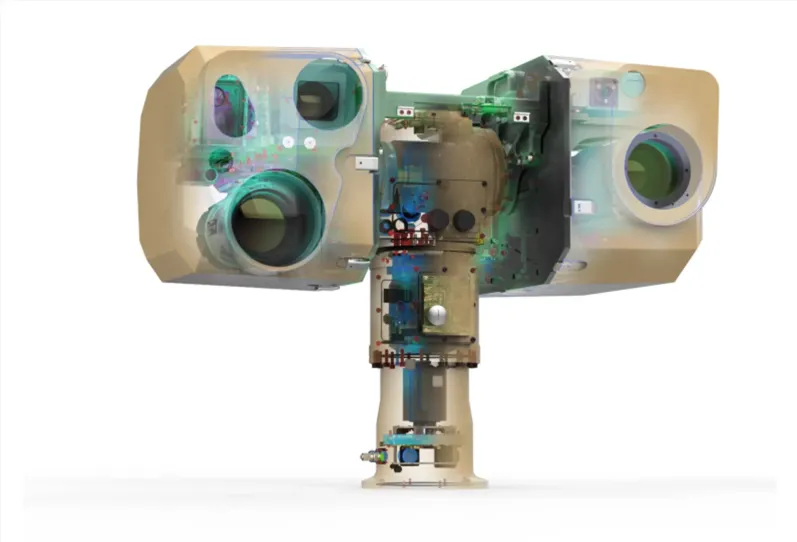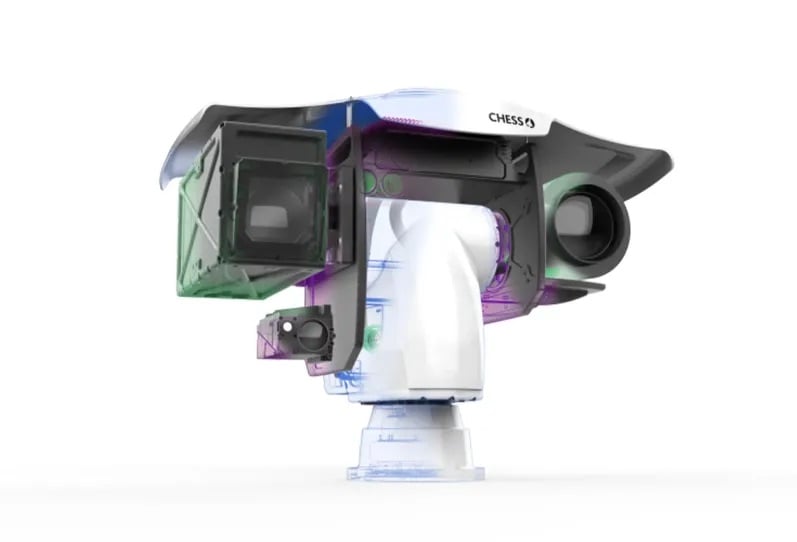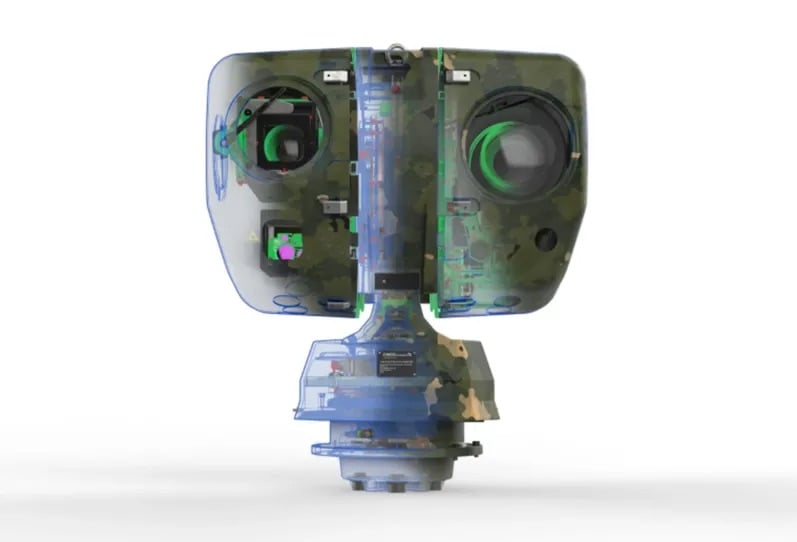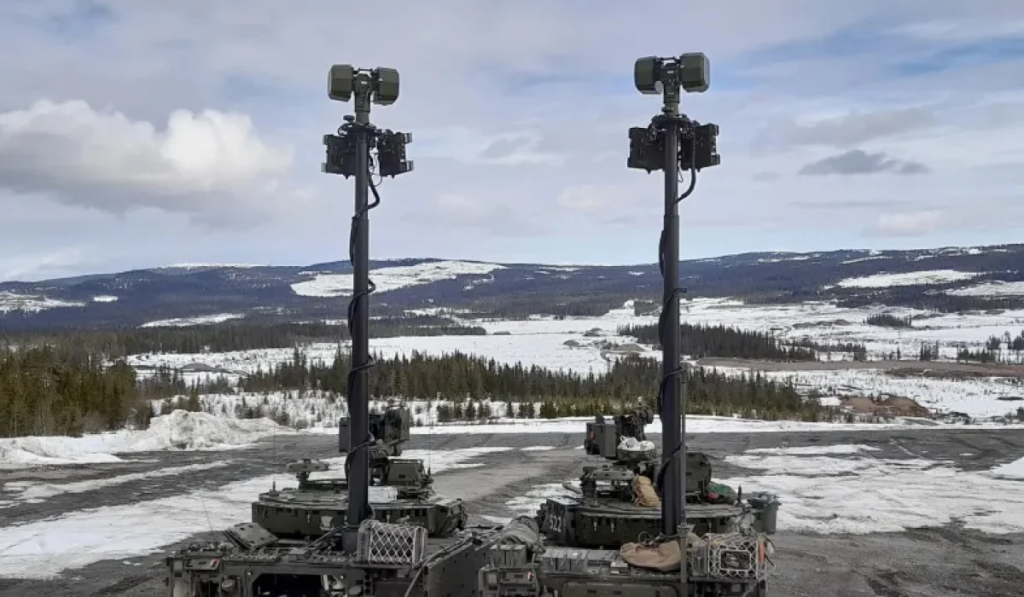




As the UK progresses toward a hybrid Navy, the increasing size, capability and operational value of USVs is placing greater emphasis on maritime situational awareness. Chess Dynamics is addressing these requirements through electro-optical sensing, AI-enabled target tracking and classification, and edge video processing technologies that support autonomous operations in complex maritime environments. Read more >>
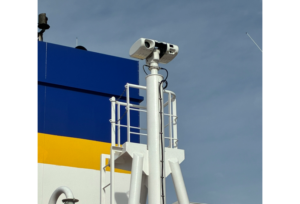
The transition toward larger and more capable uncrewed surface vessels (USVs) represents a shift from earlier concepts that treated uncrewed platforms as disposable assets. With these vessels undertaking more demanding missions over extended periods, their ability to detect, identify and monitor surrounding activity is becoming increasingly important to both individual platform survivability and the wider fleet.
Autonomous navigation requires more than determining a vessel’s position and heading. USVs must also interpret their surroundings, detect and track other vessels and objects, and distinguish between different types of maritime contacts to support operational decision-making.
Electro-Optical Sensing in Complex Maritime Environments
Maritime situational awareness typically draws on multiple sensor inputs, but radar and automatic identification system (AIS) data may not always provide a complete or unambiguous assessment of surrounding activity.
Operational conditions may also require active sensors to be restricted or disabled, increasing the importance of passive sensing capabilities.
Electro-optical systems provide an additional source of information within a multi-modal sensor architecture, allowing USVs to detect, track and classify maritime contacts without relying on active sensor emissions.
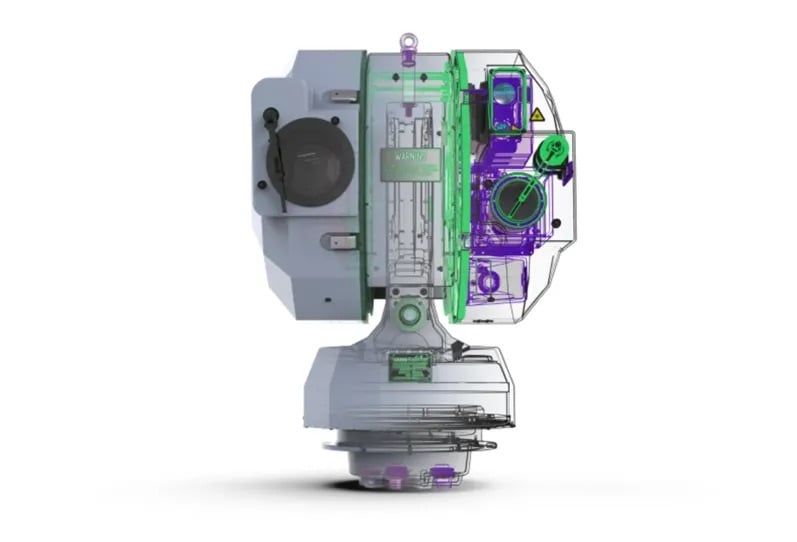
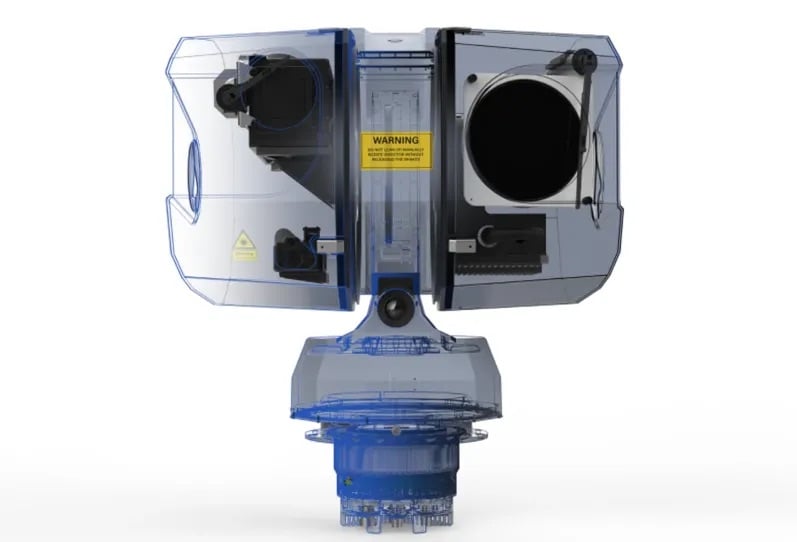
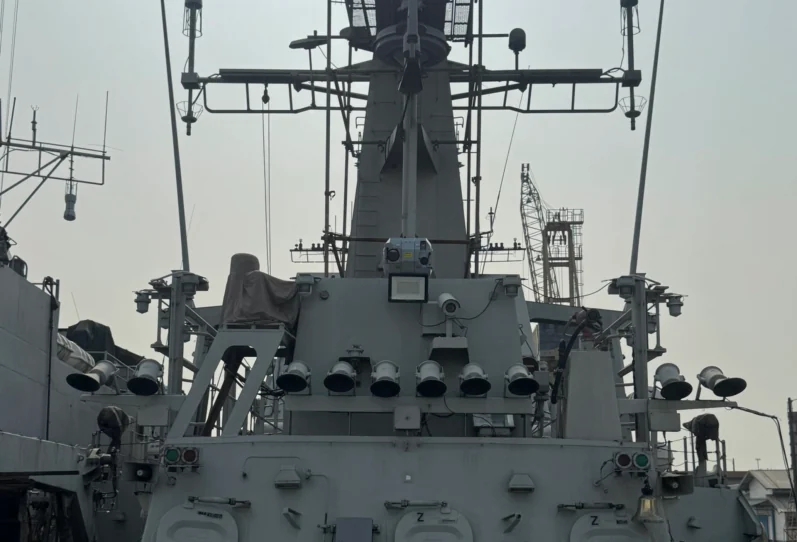
Chess Dynamics’ SeaEagle maritime electro-optical systems can operate alongside Vision4ce video tracking, image processing and AI capabilities to support the development of a more reliable assessment of the surrounding maritime environment.
The combination of electro-optical sensing, automated tracking and classification supports the development of situational awareness on autonomous platforms operating with limited onboard resources.
Track-While-Scan Technology for Persistent Contact Monitoring
Maintaining awareness of multiple maritime contacts presents a particular challenge when an electro-optical sensor must observe a wide area rather than continuously focus on a single target.
Chess Dynamics has undertaken significant research and development into track-while-scan technology for electro-optical directors, combining object detection, multi-target tracking and fine-grained classification.
The approach allows an electro-optical sensor to scan a broad area periodically while detecting and maintaining tracks on multiple contacts.
Unlike conventional video tracking, track-while-scan technology must account for periods when individual targets are no longer visible as the sensor continues scanning. When the sensor returns, previously detected contacts must be recognized and associated with their existing tracks.
This requires more than initial object detection. Accurate track association and classification are important to building a persistent picture of maritime activity despite interruptions in visual observation.
Vessel Classification for Autonomous Navigation and Threat Detection
Identifying the type and characteristics of a detected contact provides additional context for autonomous maritime operations.
Chess Dynamics’ COLREGs classification model distinguishes between different vessel types and sizes, including small, medium and large vessels, sailing vessels and navigation aids.
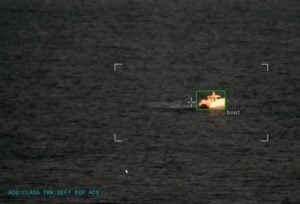
The model also supports the classification of potential threats, contributing information relevant to both navigation and broader threat detection.
This level of classification allows sensor data to provide more than the location of an observed object. By distinguishing between different categories of maritime contacts, the system can contribute contextual information to the vessel’s assessment of its surroundings.
Such information is relevant to autonomous navigation and operational awareness, particularly when USVs must monitor multiple contacts in congested or complex maritime environments.
Low-SWaP Edge Processing for Uncrewed Platforms
The effectiveness of electro-optical situational awareness depends not only on sensing and classification algorithms but also on the ability to execute them within the physical and computational constraints of an uncrewed vessel.
USVs have finite space, power and processing capacity, making low size, weight and power (SWaP) requirements and low-latency processing important considerations.
These constraints become particularly significant when vessels operate in contested, congested or remote environments where communications bandwidth may be restricted and connectivity intermittent.
Processing sensor information onboard allows USVs to interpret observations and maintain situational awareness without continuous reliance on external communications links. When connectivity is available, relevant information can be shared with other elements of the force, contributing to the wider operational picture.
Chess Dynamics’ CHARM50 builds on the company’s experience in real-time edge video processing, supporting the execution of increasingly sophisticated algorithms within the space, power and computing limitations of modern platforms.
This requires careful optimization to balance computational efficiency with performance while operating within the platform’s available processing resources.
Supporting ISR and Fleet-Level Situational Awareness
As autonomous vessels undertake more demanding operations alongside crewed naval platforms, the reliability of their environmental assessments becomes increasingly important.
Operators require confidence that USVs can interpret surrounding activity accurately and that the resulting information can be used across the wider fleet.
Electro-optical detection, persistent multi-target tracking and granular classification provide complementary capabilities for generating this information. Edge processing further supports their application by allowing sensor data to be analyzed onboard when communications are limited or unavailable.
The integration of AI-enabled identification, tracking and classification with low-SWaP video processing can also support the collection of intelligence, surveillance and reconnaissance (ISR) data.
As the UK moves toward a hybrid naval force, these capabilities can contribute to the situational awareness of individual USVs while providing information that supports the survivability and operational awareness of the wider fleet.