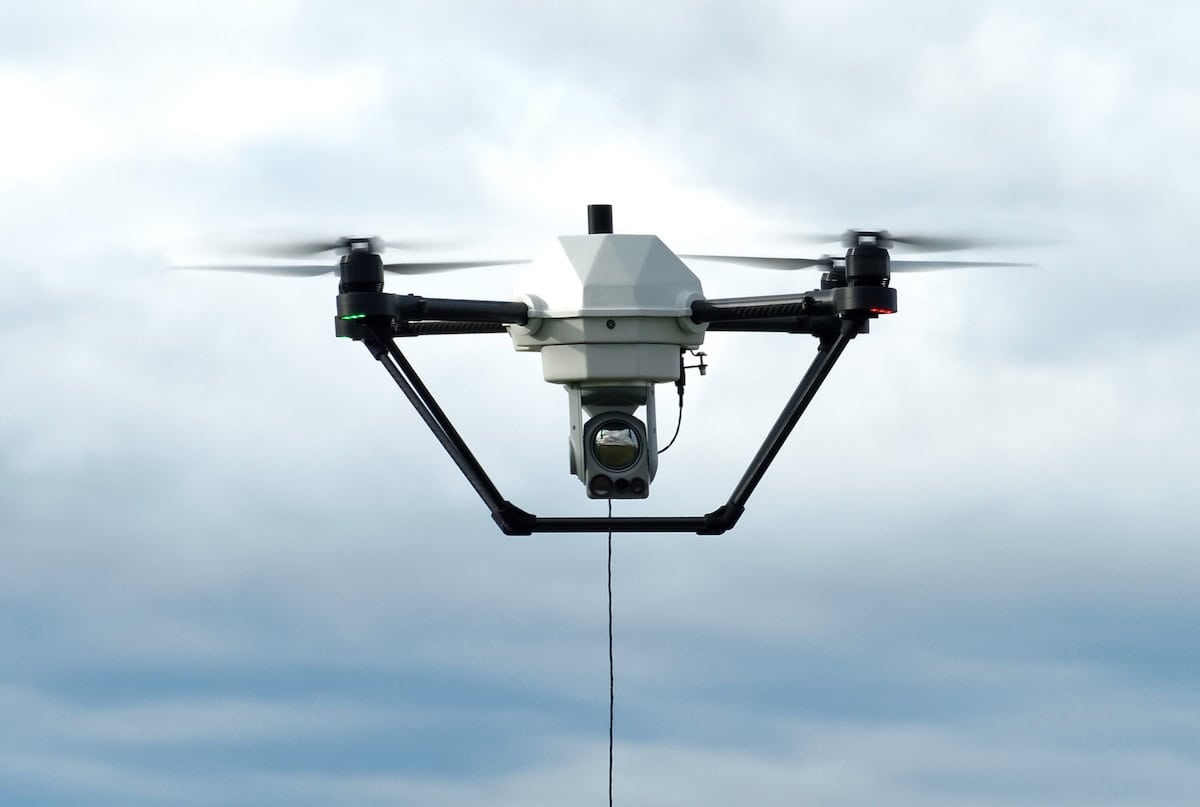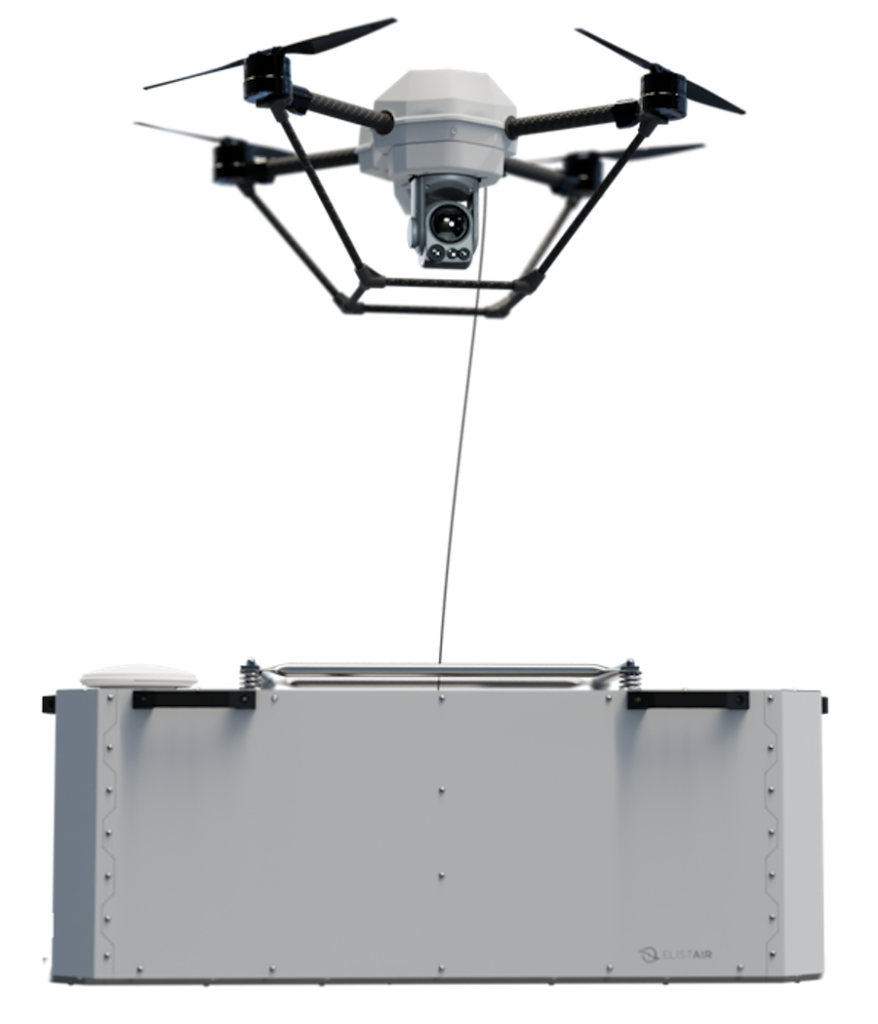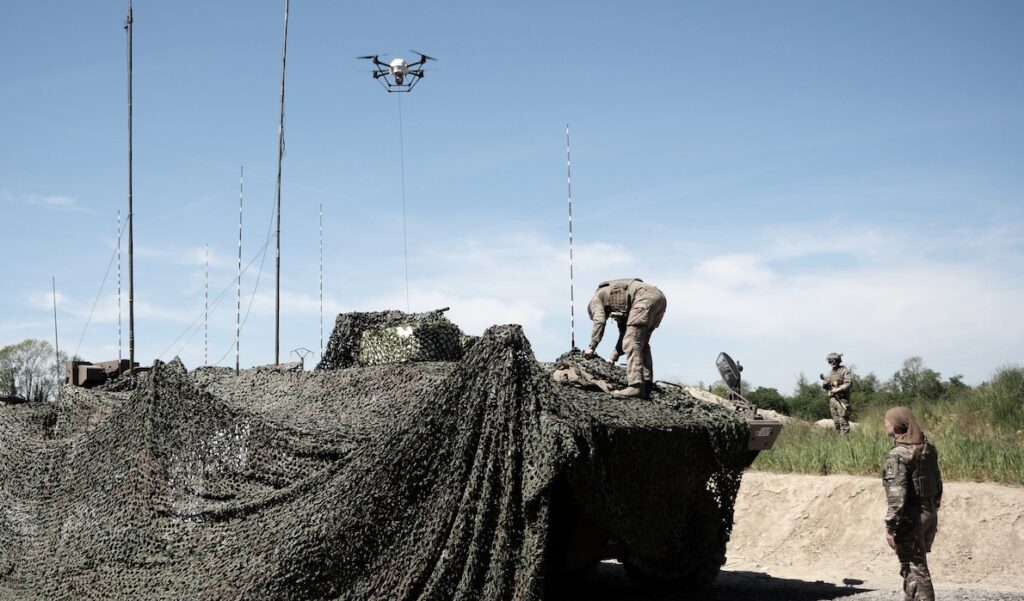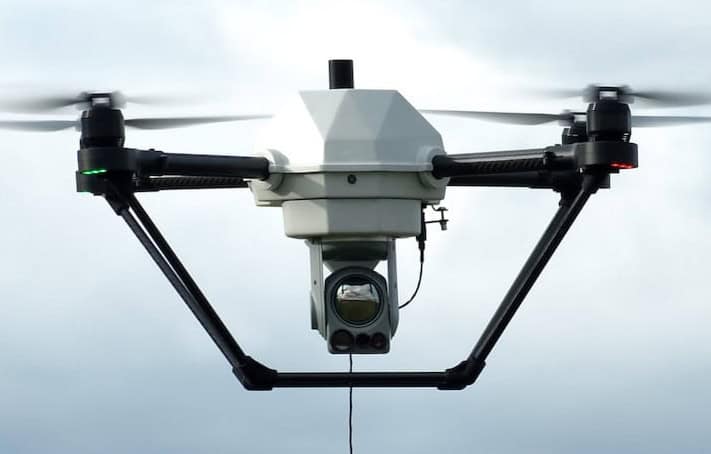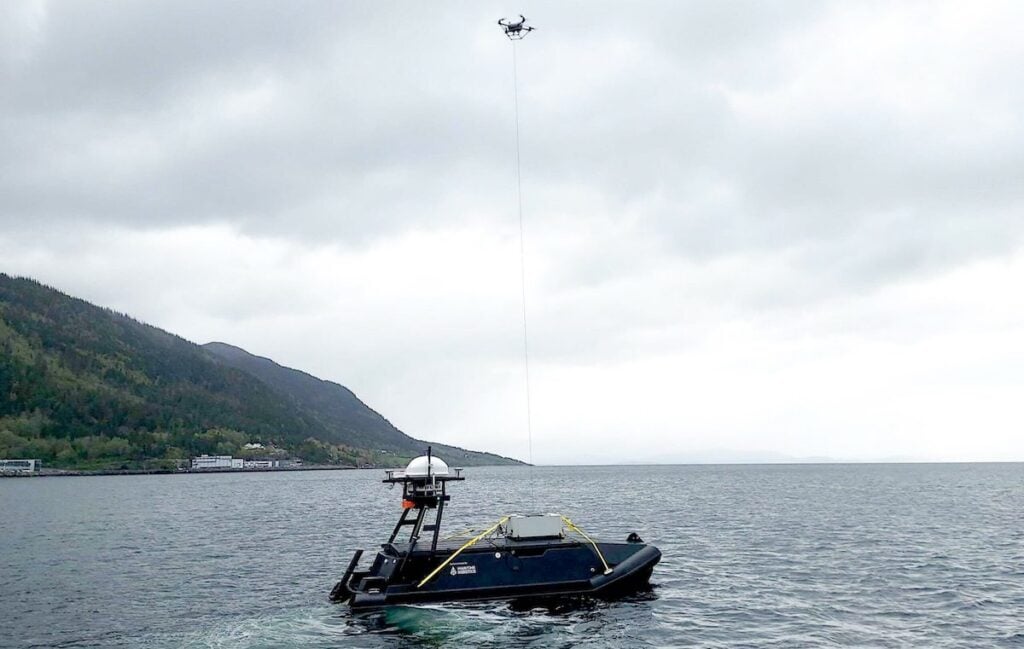




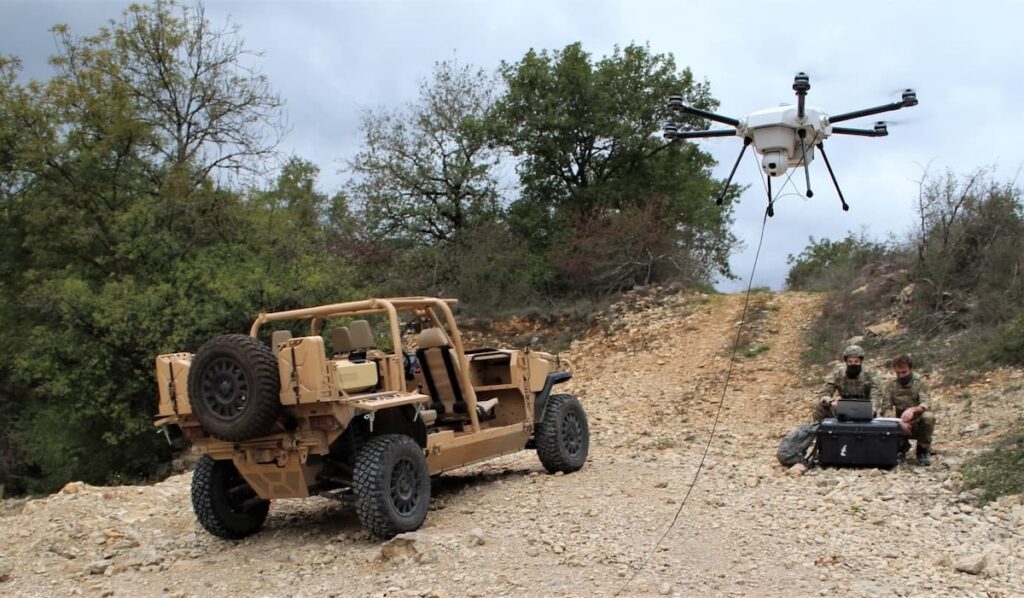
In the article What is C5ISR and Why Is It Vital for Modern Defense?, Elistair examines how C5ISR is a critical framework for modern defense, combining Command, Control, Communications, Computers, Combat Systems, Intelligence, Surveillance, and Reconnaissance into a single, integrated system.
This structure gives military forces real-time operational insight and enhances situational awareness, allowing for faster, more accurate decisions on the battlefield. The evolution from earlier frameworks like C2 and C4ISR shows how each added component increases both complexity and capability.
Understanding how C5ISR builds on earlier frameworks helps clarify how it enhances modern operations. C2 focuses on decision-making and resource coordination, while ISR provides intelligence to guide those decisions. Adding communications and computing systems forms C4ISR, enabling rapid, secure data sharing. C5ISR expands this by integrating combat systems, like autonomous drones and other tactical assets, into the network, linking surveillance, analysis, and action into a unified response capability.
The operational advantages of C5ISR are evident in its real-time responsiveness and coordination. Live intelligence feeds allow commanders to assess changing battlefield conditions instantly, while networked combat systems enable immediate tactical responses. This integration is not just efficient, it’s essential for maintaining decision speed and precision in rapidly evolving scenarios.
Looking ahead, emerging technologies such as artificial intelligence and machine learning are expected to strengthen C5ISR even further. These tools can process and analyze vast amounts of data quickly, supporting predictive decision-making. Interoperability, data security, and adaptability will also be key priorities, helping military systems remain effective and responsive in increasingly complex and high-threat environments.