


Wolf Advanced Technology
Trillium Gimbals
Honeywell Aerospace HGuide i700

Mojave STOL

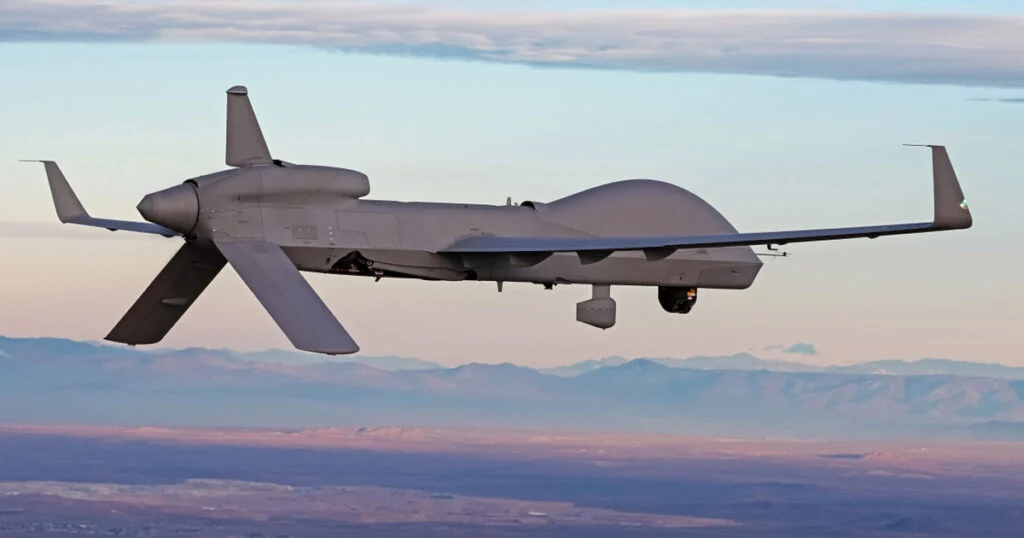
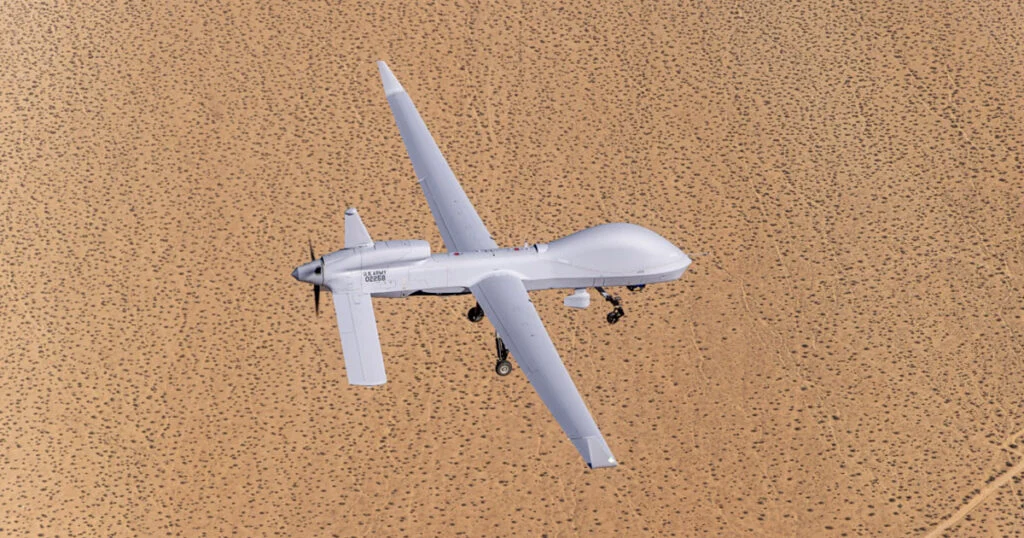
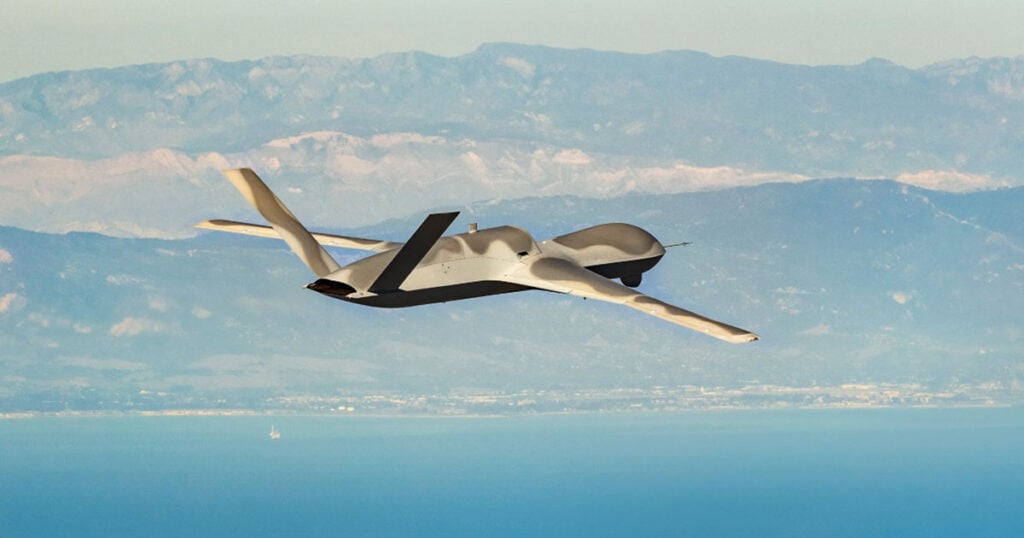
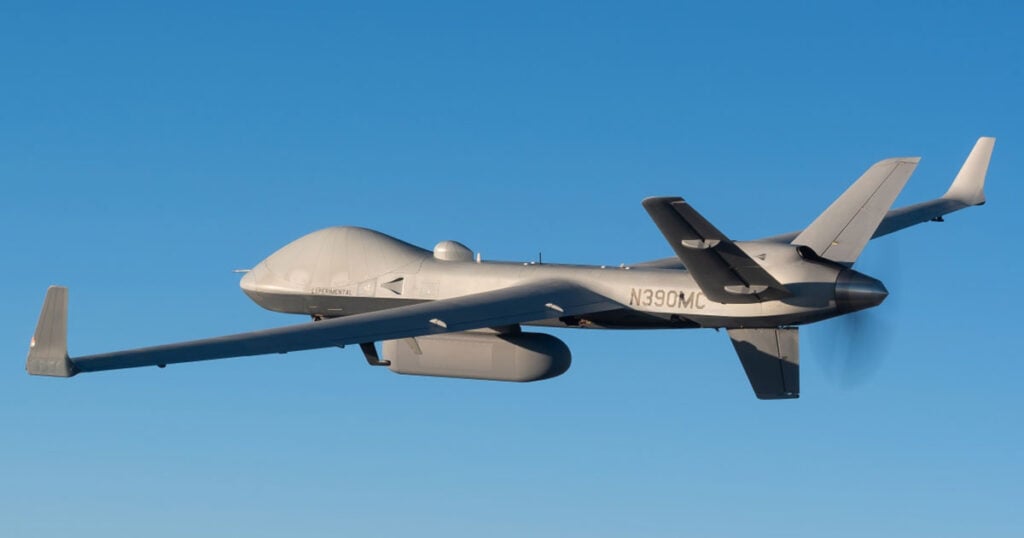
The Mojave STOL is a short takeoff and landing (STOL) variant of the Gray Eagle UAS, designed for multi-mission expeditionary operations. It offers runway independence, advanced avionics, and high payload capacity for reconnaissance, attack, and contested logistics missions.
Gray-Eagle-STOL
Follow DA

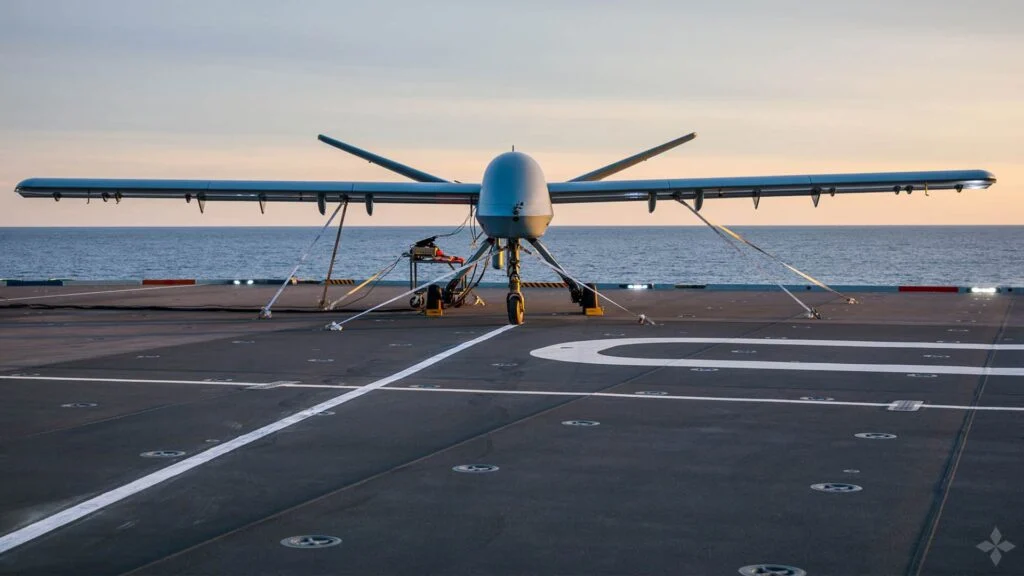
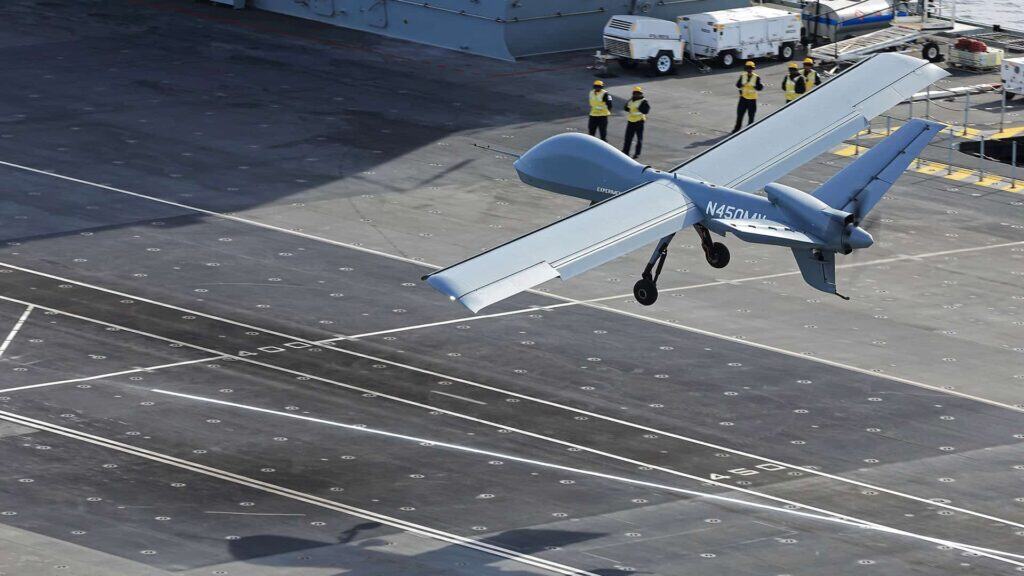
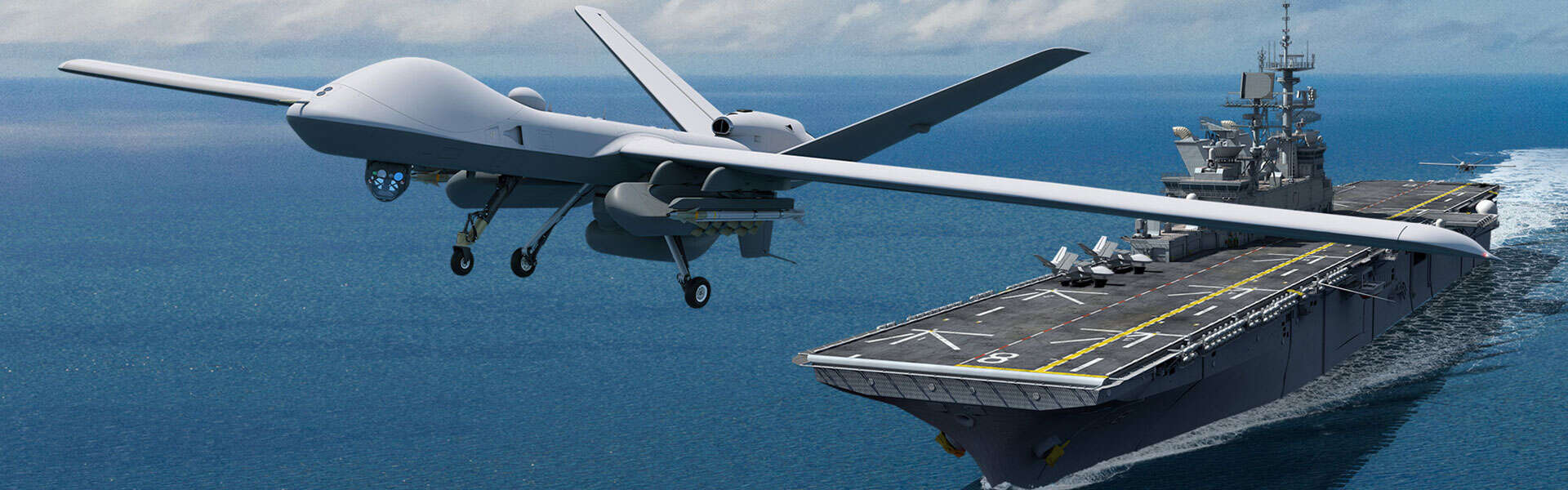
The Mojave STOL (Short Takeoff and Landing) is an advanced unmanned aircraft system (UAS) developed by General Atomics Aeronautical Systems (GA-ASI). It builds upon the capabilities of the proven Gray Eagle UAS, integrating STOL-optimized aerodynamics and propulsion that allow it to operate from a wide range of airstrips, including warships, dirt fields, and semi-improved runways.

Mojave STOL incorporates open architecture, autonomy, and machine learning to enhance battlefield awareness and adaptability. Its ability to take off from short runways while carrying a significant payload, including up to 16 Hellfire missiles, makes it a formidable asset for attack, reconnaissance, and contested logistics missions.
Gray-Eagle-STOL

Mojave STOL features modernized avionics and data links, sharing command and control systems with the Gray Eagle, ensuring seamless interoperability. Additionally, its weatherized airframe increases reliability in extreme conditions, making it a versatile asset for expeditionary forces.

Mission Capabilities

Mojave STOL can be configured for various operations, including:

  • Armed Reconnaissance
  • Contested Logistics
  • Advanced Teaming With Air-Launched Effects (ALE)
  • Signals Intelligence (SIGINT) & Electronic Warfare (EW)
  • Long-Range Strategic ISR
  • Over-the-Horizon Targeting

Design and Features

The Mojave STOL is designed for expeditionary versatility, incorporating a range of advanced technologies to enhance operational effectiveness:

  • STOL-Optimized Aerodynamics and Propulsion – Requires only 400 ft (122 m) for ISR missions and 1,000 ft (304 m) with 12x Hellfire missile load, enabling operations from a variety of airstrips.
  • SATCOM-Based Control – Allows 2,500 nm ferry range, enabling remote operations from significant distances.
  • Modernized Avionics & Data Links – Shares avionics and command systems with the Gray Eagle for interoperability.
  • MOSA- & FACE-Conformant Hardware & Software – Ensures rapid integration of new technology.
  • Robust Power Plant – Powered by the Rolls-Royce M250 (450 SHP) engine, a proven system with over 600,000 hours mean time between critical failures.
  • Deployable Ground Support Equipment – Transportable by a single UH-60 helicopter for rapid deployment.
  • Ruggedized and Weatherized Construction – Enhances durability for operations in harsh and austere conditions.

Mojave STOL Specifications

Wingspan
52 ft (16 m)
Length
29 ft (9 m)
Takeoff Distance (ISR)
400 ft (122 m)
Takeoff Distance (12 Hellfires)
1,000 ft (304 m)
Maximum Altitude
25,000 ft
Maximum Endurance
25+ hours
Maximum Airspeed
140 knots
Power Plant
Rolls-Royce M250 (450 SHP)
Max Gross Takeoff Weight
7,000 lb (3,175 kg)
Fuel Capacity
3,000 lb (1,360 kg)
Useful Load
3,400 lb (1,542 kg)
Weapons Capacity
Up to 16 Hellfire missiles
Payloads
EO/IR, SAR/GMTI, SIGINT, Comms Relay
To learn more, visit the General Atomics Aeronautical Systems, Inc Partner Hub: Innovation Partner Hub
Posted by General Atomics Aeronautical Connect

More from General Atomics Aeronautical Systems, Inc

GA-ASI Honors Small Businesses With New Supplier Quality Recognition Program

General Atomics Aeronautical Systems launches its Supplier Quality Recognition program, honoring high-performing small business partners for outstanding quality, leadership, and continuous improvement in uncrewed aircraft support

Oct 07, 2026
GA-ASI & U.S. Navy Demonstrate Collaborative Autonomous Mission Planning

GA-ASI and the U.S. Navy have successfully demonstrated collaborative autonomous mission planning using the MQ-20 Avenger, advancing multi-aircraft coordination and real-time decision-making against complex threats

Oct 06, 2026
GA-ASI & SoftBank Test Aerial Disaster Relief Communications System

General Atomics Aeronautical Systems and SoftBank successfully flight test a new airborne communications payload designed to provide emergency cellular relay coverage in disaster-stricken areas

Oct 02, 2026
U.S. Navy Evaluates MQ-9B SeaGuardian as Next-Gen Maritime Force Multiplier

The U.S. Navy evaluated GA-ASI’s MQ-9B SeaGuardian at NAS Whidbey Island, showcasing its advanced anti-submarine warfare and maritime patrol capabilities alongside the P-8A Poseidon to senior naval leaders

Oct 01, 2026
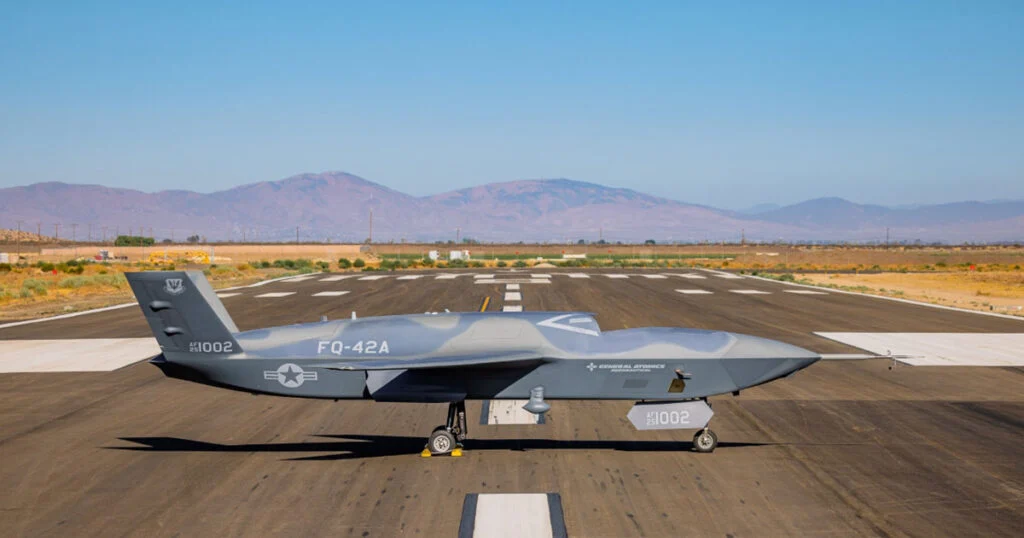
FQ-42 Vengeance Delivered to Creech Air Force Base

GA-ASI delivers the latest FQ-42 Vengeance to Creech Air Force Base to support continued U.S. Air Force Collaborative Combat Aircraft testing, evaluation and experimentation activities

Sep 22, 2026
GA-ASI & Hanwha Aerospace Validate Short-Field Battlefield Operations for MALE Drones

GA-ASI and Hanwha Aerospace have completed historic flight operations from a simulated battlefield in South Korea, proving the Mojave STOL uncrewed aircraft can land and launch from rough terrain

Sep 21, 2026

THE WEEKLY eBRIEF

The latest defense technology news, straight to your inbox.

Get our weekly roundup of technology developments, new products and industry news.

By subscribing, you agree to receive the weekly DA eBrief newsletter from EchoBlue Ltd. Unsubscribe at any time using the link in every email. See our Privacy Notice.

Advancing Defense Capability Through Strategic Collaboration Defense Advancement works with major OEMs to foster collaboration and increase engagement with SMEs, to accelerate innovation and drive defense capabilities forward.