

Accelerate Defense Modernization through Strategic Sourcing
Discover cutting-edge solutions from leading global suppliers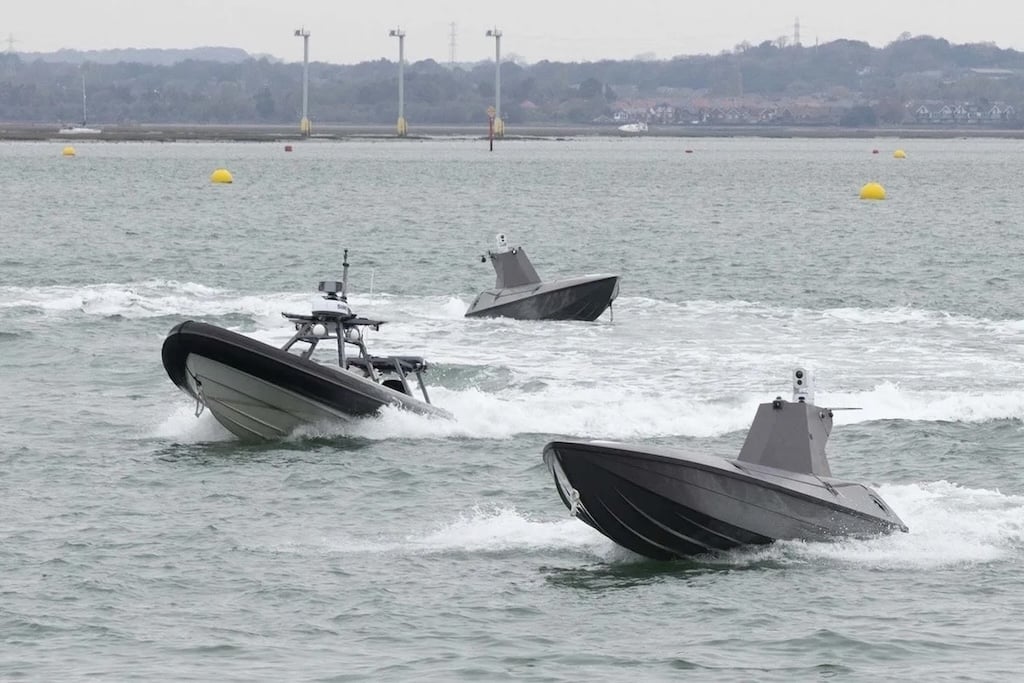
The Royal Navy has formally established its 1st Autonomous Squadron, marking a critical step in a four-year initiative to integrate uncrewed technology into traditional fleet operations.
Commissioned on November 5 at His Majesty’s Naval Base Portsmouth, the unit will operate uncrewed surface vessels (USVs) on the front line alongside standard warships. An audience of more than 200 navy personnel, dignitaries, media, families, and friends attended the ceremony, which included a practical demonstration of the Kraken and Rattler vessels maneuvering around Portsmouth Harbour from a central control hub.
The formation of the squadron demonstrates a commitment to building a hybrid navy, supported by a £1.5 billion investment over four years to integrate autonomous systems with traditional operations. This development aligns with upcoming defense discussions at the Atlantic Future Forum and the International Sea Power Conference in Oslo, Norway, where allied leaders will address Northern European collective security, Euro-Atlantic security, and rapid technological development.
Defence Secretary Wes Streeting MP commented, “The threat environment we are facing is fundamentally different from that of recent decades. A major determinant of military power now is who can innovate fastest. That’s why we are using the biggest sustained increase in defence spending since the Cold War to put the latest autonomous technology in the hands of our sailors, to help them protect our shores and those of our NATO Allies. The more ready we are to fight and win, the less likely we are to have to. This investment strengthens our warfighting readiness and therefore our deterrence.”
Royal Navy Fleet Commander Vice-Admiral Steve Moorhouse, speaking at the launch of the autonomous squadron, said, “The Royal Navy is doing something it has never done before. We are commissioning the first autonomous squadron in our history. That makes this a genuinely historic occasion. For generations, the Fleet has been built around ships, submarines, and aircraft, manned by sailors and Royal Marines. From today, an autonomous squadron takes its place alongside them. The seas are becoming more contested, more dangerous and harder to operate in. A hybrid navy is about giving our people better tools. It means more reach, more striking power and more options. It will help make the Fleet more lethal, harder to knock out of the fight and quicker to adapt. People will remain at the heart of it, as exemplified by all of you here today.”