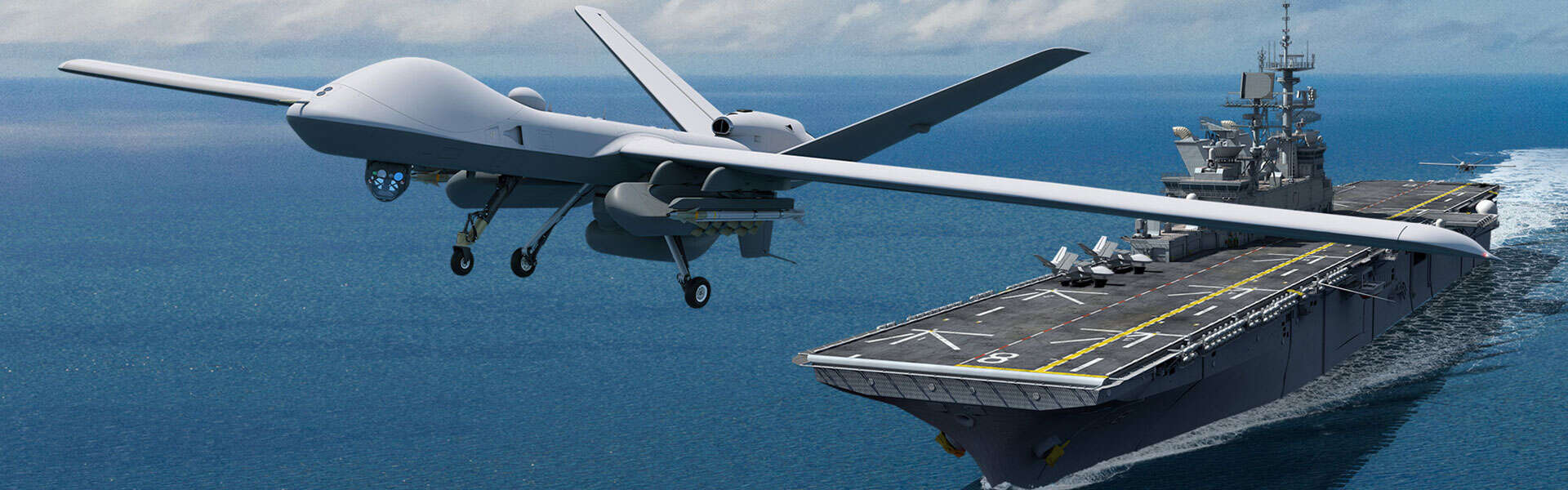
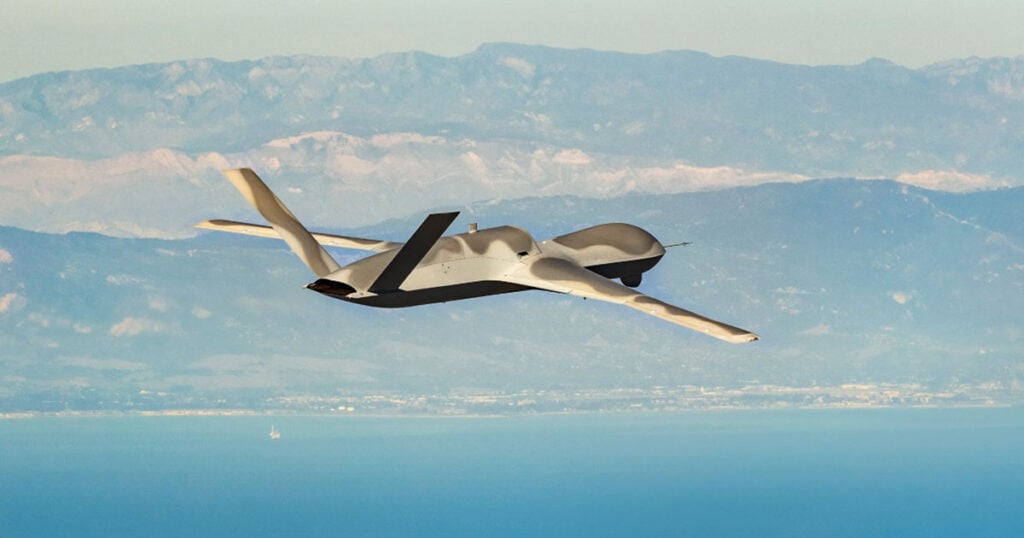
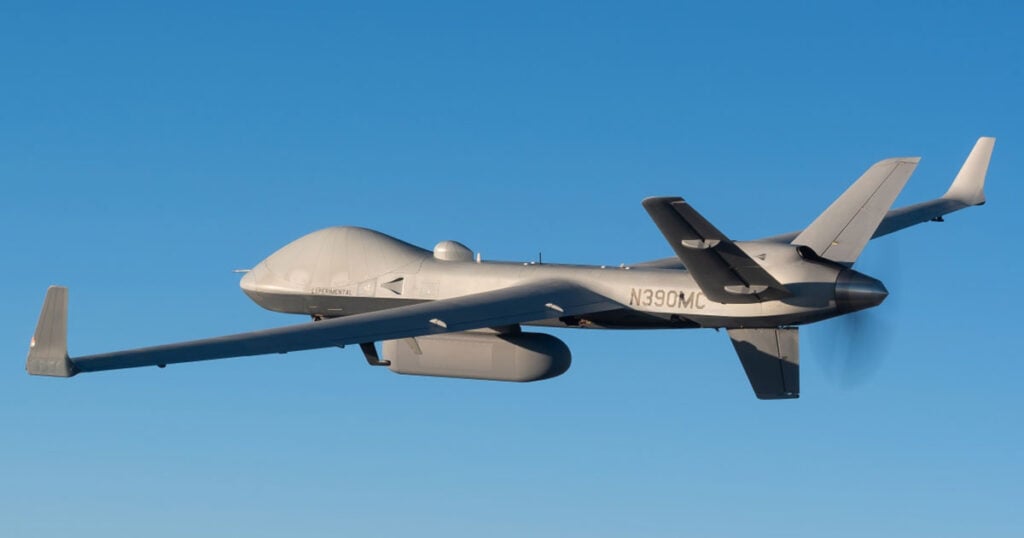
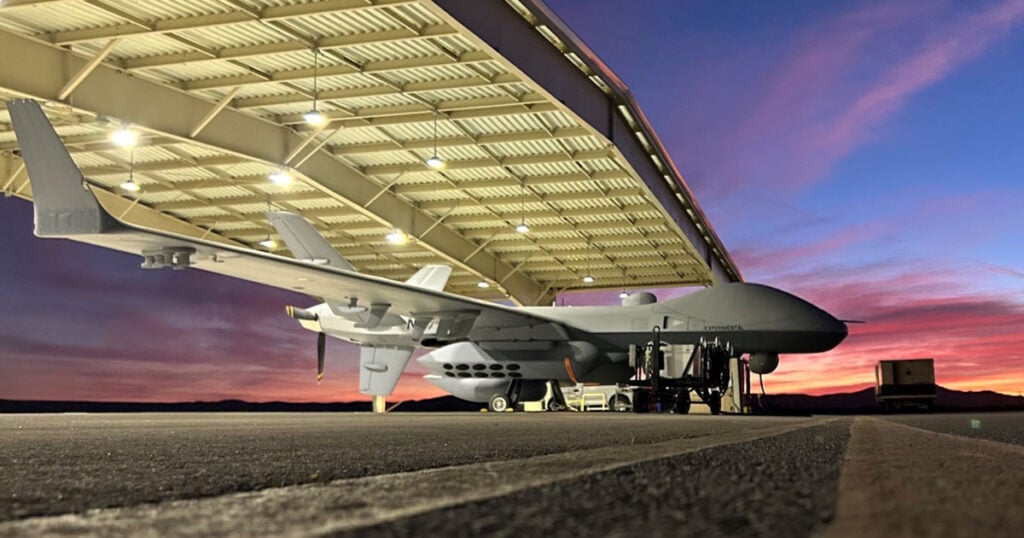
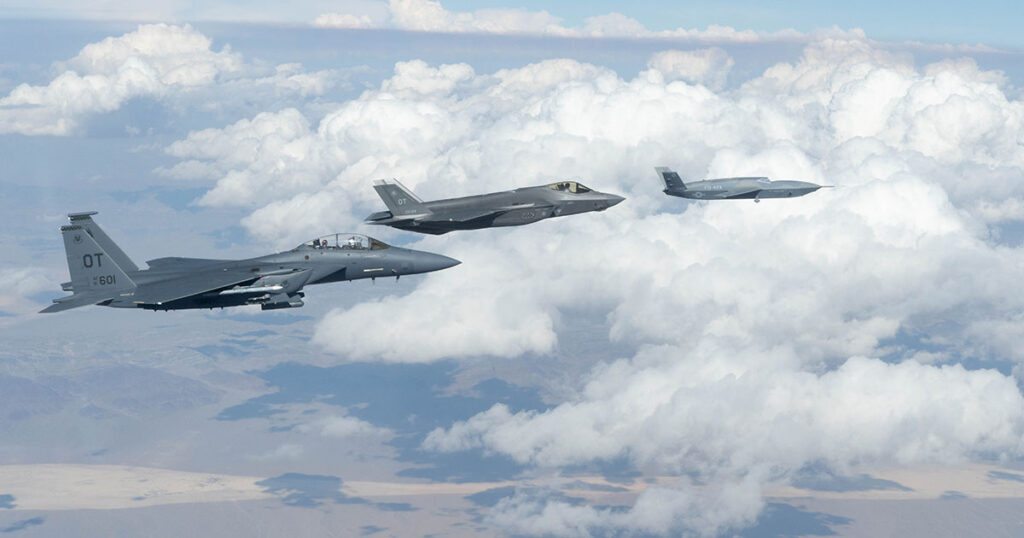
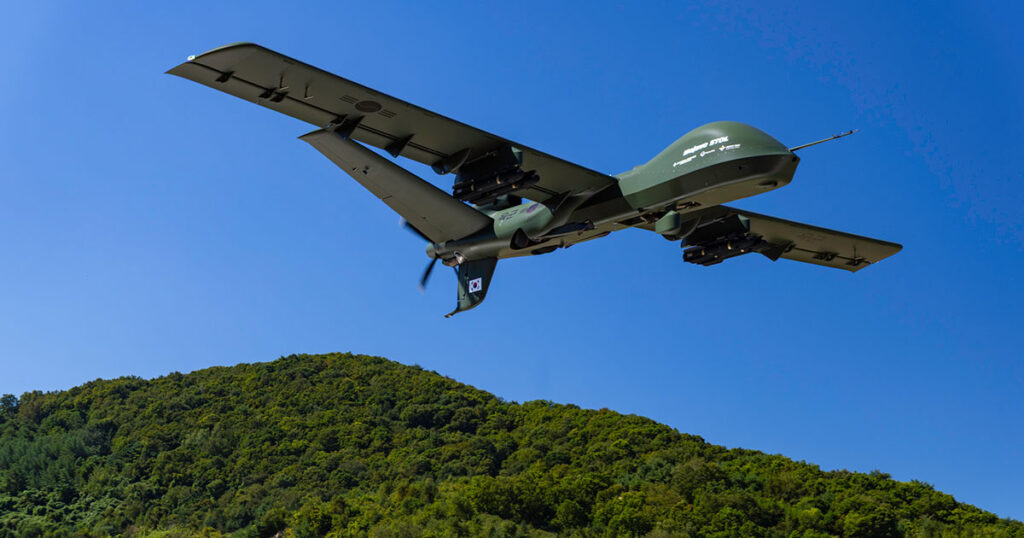
General Atomics Aeronautical Systems, Inc. (GA-ASI) has introduced Gambit 6, a Collaborative Combat Aircraft (CCA), the latest evolution in its Gambit Unmanned Combat Air Vehicles (UCAV) series.
Adding advanced air-to-ground capability to its proven air-to-air performance, the multi-role platform is optimized for missions such as electronic warfare, Suppression of Enemy Air Defenses (SEAD), and deep precision strike, making it a versatile solution for evolving defense needs.
Air forces throughout the world are looking to air-to-ground-capable CCAs to enhance operational capabilities and address emerging threats in a denied environment. Gambit 6 is being developed to meet the corresponding need for adaptability, scalability, and mission-specific performance.
GA-ASI President, David R. Alexander, stated, “These are real threats, and they require real solutions. The modular architecture and signature-reducing internal weapons bay of Gambit 6 allow for easy integration of advanced autonomy, sensors, and weapons systems, ensuring the aircraft can adapt to a wide range of operational scenarios.”
Airframes will be available for international procurement starting in 2027, with European missionized versions deliverable in 2029. GA-ASI is building industry partnerships throughout Europe with the aim of providing sovereign capabilities for all its platforms.
GA-ASI’s Gambit Series envisions multiple CCA variants rapidly reconfigured from a common core, enabling substantial commonality for rapid and affordable production at scale.
The Gambit Series is a modular family of unmanned aircraft designed to meet diverse mission requirements, including intelligence, surveillance, and reconnaissance; multi-domain combat; advanced training; and stealth reconnaissance. It’s built around a common core platform that accounts for a significant proportion of the aircraft’s hardware, including the landing gear, baseline avionics, and chassis. This shared foundation reduces costs, increases interoperability, and accelerates the development of mission-specific variants like Gambit 6.
By leveraging specialized configurations and advanced autonomy, Gambit aircraft offer tailored capabilities that enhance operational efficiency, reduce costs, and improve survivability in contested environments. One Gambit derivative is the U.S. Air Force’s YFQ-42A, developed as part of that service’s effort to field an AI-enabled uncrewed wingman. Based off the original Gambit 2 concept, the YFQ-42A is designed to complement human-crewed fighters like the F-35 and Next-Generation Air Dominance (NGAD) systems, expanding sensing, weapons capacity, and survivability in contested airspace.
The original concept for Gambit was announced three years ago and was based on four models. Gambit 1 is a nimble sensing platform optimized for long endurance; Gambit 2 adds the provision for air-to-air weapons; Gambit 3 looks much like Gambit 2 but is optimized for a complex adversary air role; Gambit 4 is a combat reconnaissance-focused model with no tail and swept wings. Then in 2024, GA-ASI announced Gambit 5 for ship-based CCA operations.