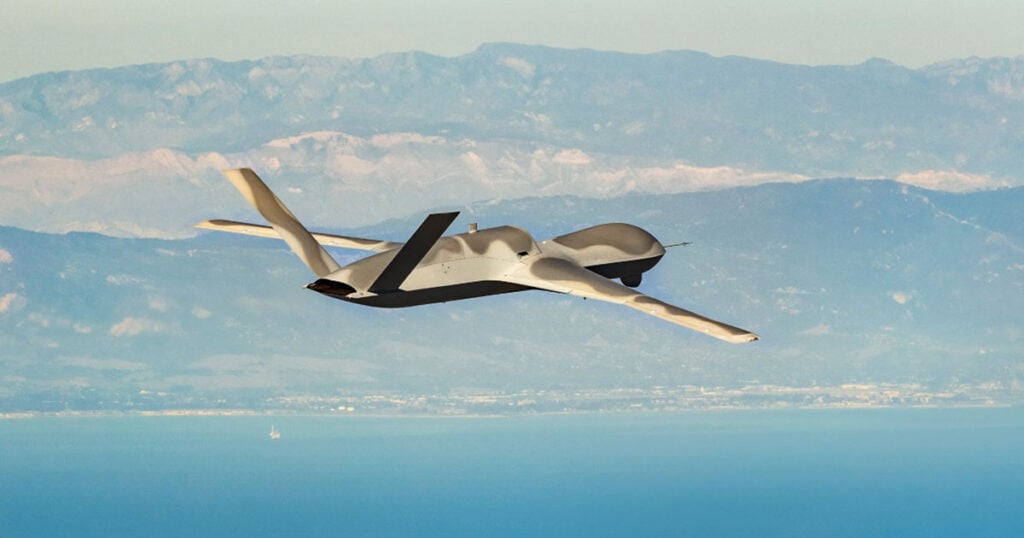
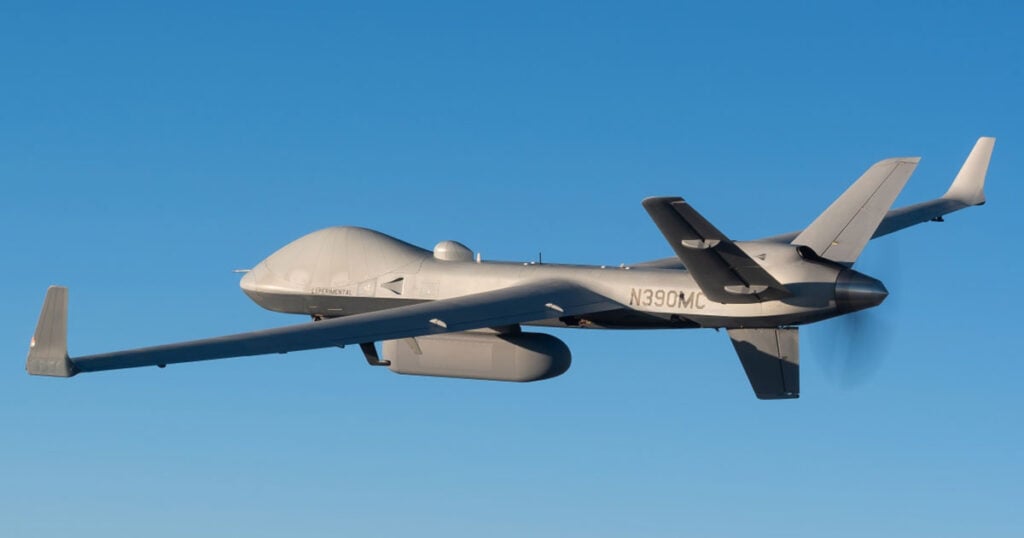
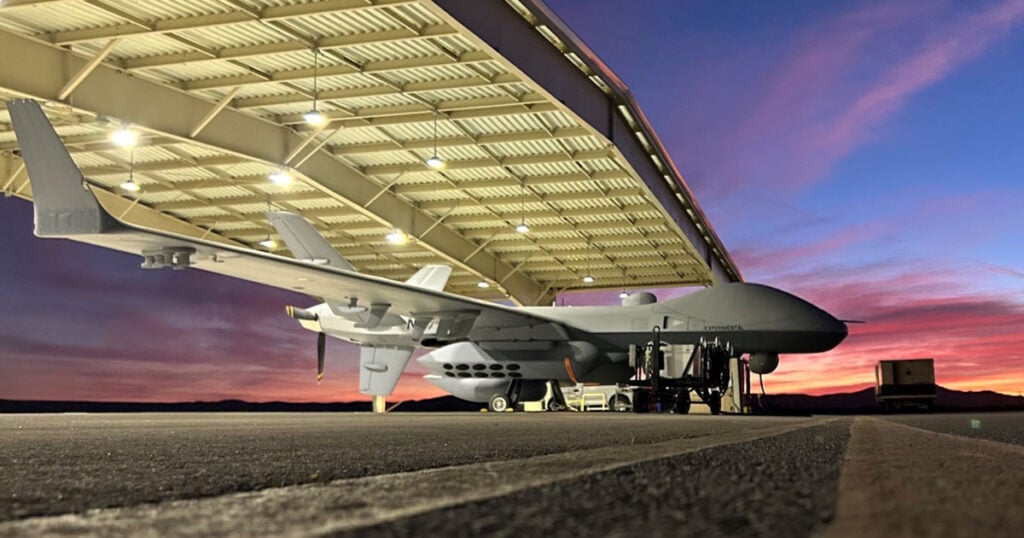
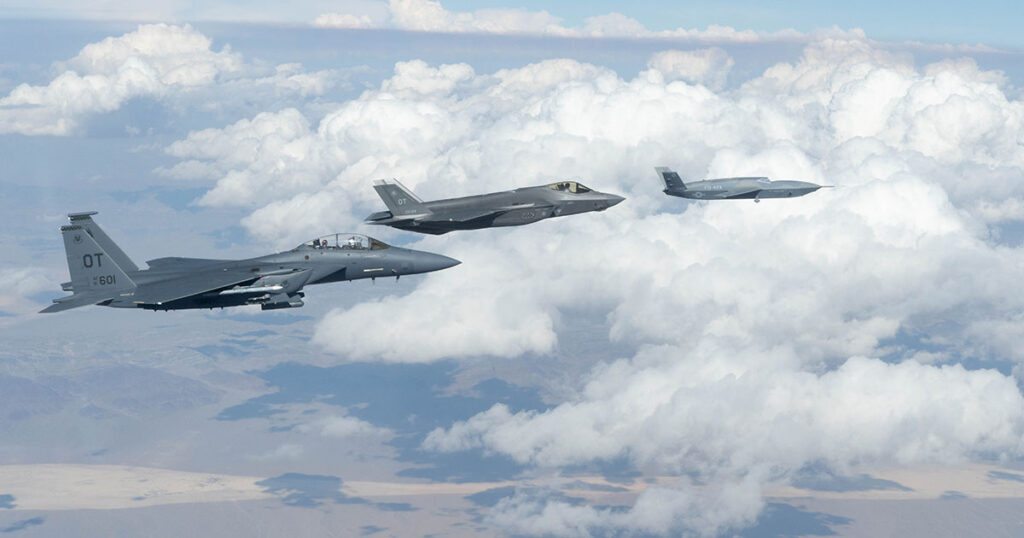
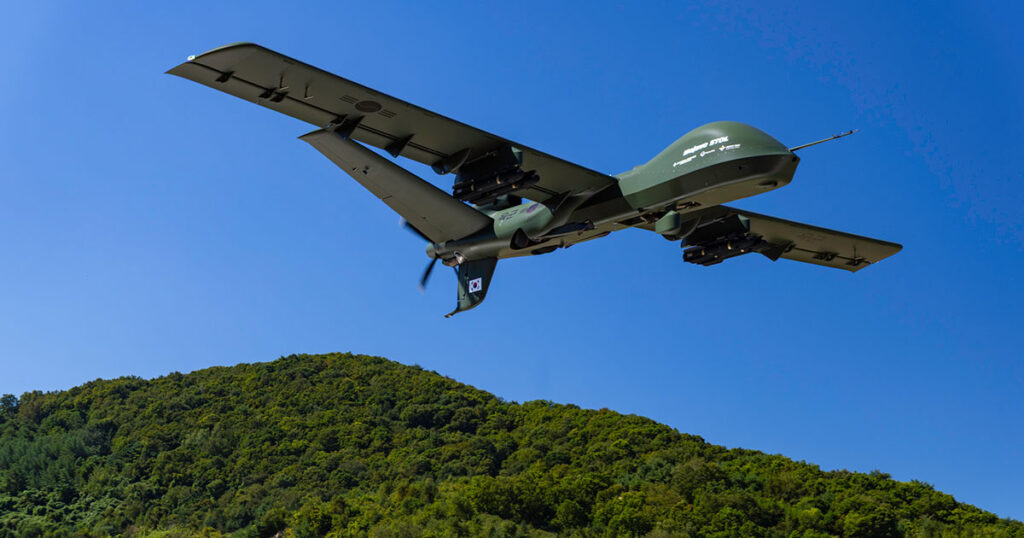
General Atomics Aeronautical Systems, Inc. (GA-ASI) has commenced flight testing of the YFQ-42A Collaborative Combat Aircraft (CCA) with the U.S. Air Force, marking a significant milestone in the development of next-generation uncrewed combat platforms.
The YFQ-42A has been developed to provide affordable, production-ready capability at scale, aligning with the U.S. Air Force’s initiative to field over 1,000 Collaborative Combat Aircraft within an accelerated timeframe. Ground testing of the platform began in May 2025.
GA-ASI President David R. Alexander commented, “What a great moment for the U.S. Air Force and for GA-ASI. It’s been our collaboration that enabled us to build and fly the YFQ-42A in just over a year. It’s an incredible achievement and I salute the Air Force for its vision and I salute our development team for delivering yet another historic first for our company.”
The aircraft is designed for semi-autonomous air-to-air missions, incorporating stealth characteristics and advanced digital engineering processes. Building on the design methodology proven by the XQ-67A Off-Board Sensing Station (OBSS), the YFQ-42A integrates GA-ASI’s AI-enabled autonomy core, matured over more than five years of flight trials with the MQ-20 Avenger®. The integrated capabilities of a stealthy, air-to-air-focused uncrewed jet, combined with a learned AI autonomy core, provide warfighters with a definitive advantage in the future fight
In March 2025, the U.S. Air Force designated the platform as the YFQ-42A, following GA-ASI’s 2024 selection to deliver a fully production-representative CCA. The “Y” prefix denotes its production-representative status, to be removed when serial production begins.
GA-ASI maintains large-scale production capacity at its 5 million-square-foot manufacturing facility in Poway, California, producing more than 100 aircraft annually. To date, the company has developed more than 25 different uncrewed aircraft types, delivering over 1,200 systems that have accumulated nearly 9 million flight hours. At any given moment, more than 50 GA-ASI aircraft are airborne worldwide.