



RF Drone Detection
Discover cutting-edge solutions from leading global suppliers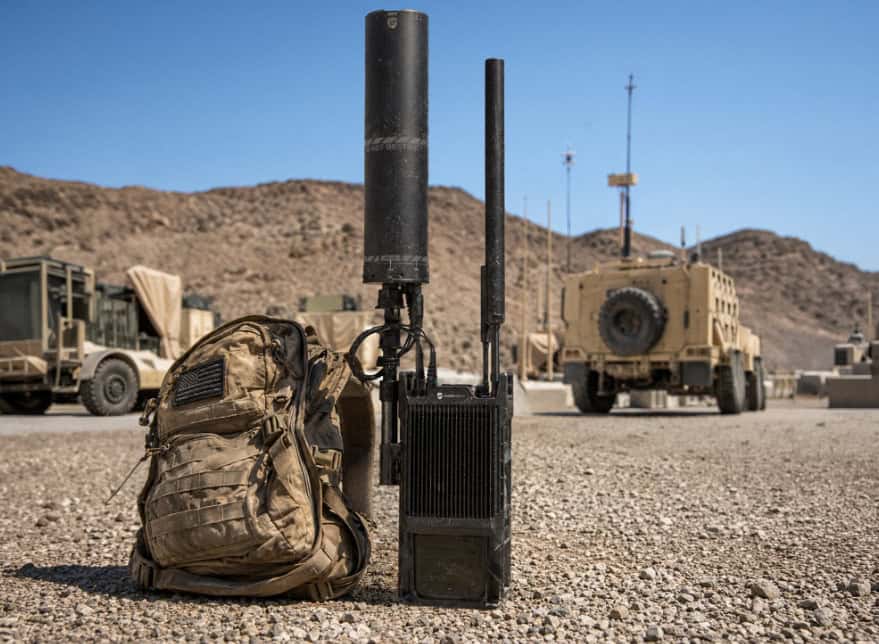
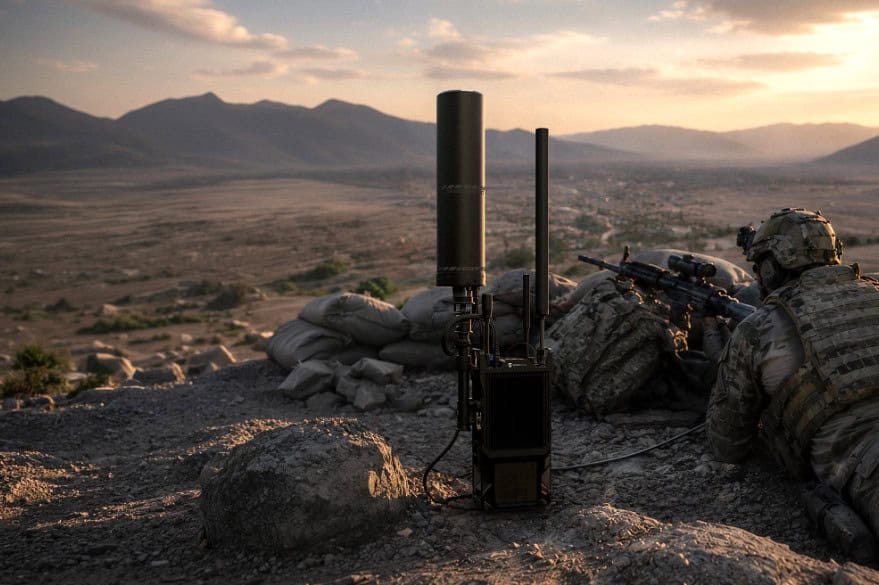
DroneShield has launched its latest flagship product, the RfRecon, a portable radio frequency intelligence solution designed to assist defense, government, and security organisations in understanding the electromagnetic environment.
Built on the company’s proprietary RfAI-3 intelligence architecture, the device allows operators to rapidly sense, identify, locate, and assess radio frequency activity from a single unit. Rather than merely gathering spectrum data, the platform provides the operational context necessary to enable faster, more informed field decisions amidst the growing volume and complexity of uncrewed systems, electronic warfare capabilities, and wireless communications.
The system represents a significant hardware and performance evolution compared to previous industry-adopted solutions. It delivers approximately six times more radio frequency spectrum coverage, four times greater processing and artificial intelligence compute, 31 times more storage, and eight times more memory. Additionally, the unit introduces advanced capabilities including precision direction finding, Bluetooth and Wi-Fi Remote ID, AIS/ADS-B detection, integrated GNSS, and hardware-based security.
Angus Bean, Chief Executive Officer of DroneShield, said, “The electromagnetic spectrum has become one of the most important sources of operational intelligence on the modern battlefield, but collecting data is no longer enough. The teams that gain the greatest advantage will be those that can rapidly understand what they’re seeing and confidently act on it. RfRecon reflects that shift by bringing RF intelligence directly to the tactical edge.”
Engineered to operate within a layered defence architecture, the solution extends intelligence from tactical environments to enterprise command-and-control structures across dismounted, vehicle-mounted, expeditionary, and fixed-site operations. Its open architecture and support for industry-standard data transfer allow integration with existing security ecosystems, including ATAK, third-party command-and-control platforms, and complementary sensor technologies. The platform can also integrate into layered counter-UAS architectures incorporating cyber takeover and kinetic defeat capabilities, with ongoing software roadmap updates planned to deliver future operational enhancements over time.