




Unmanned Ground Vehicles (UGV)
Discover cutting-edge solutions from leading global suppliers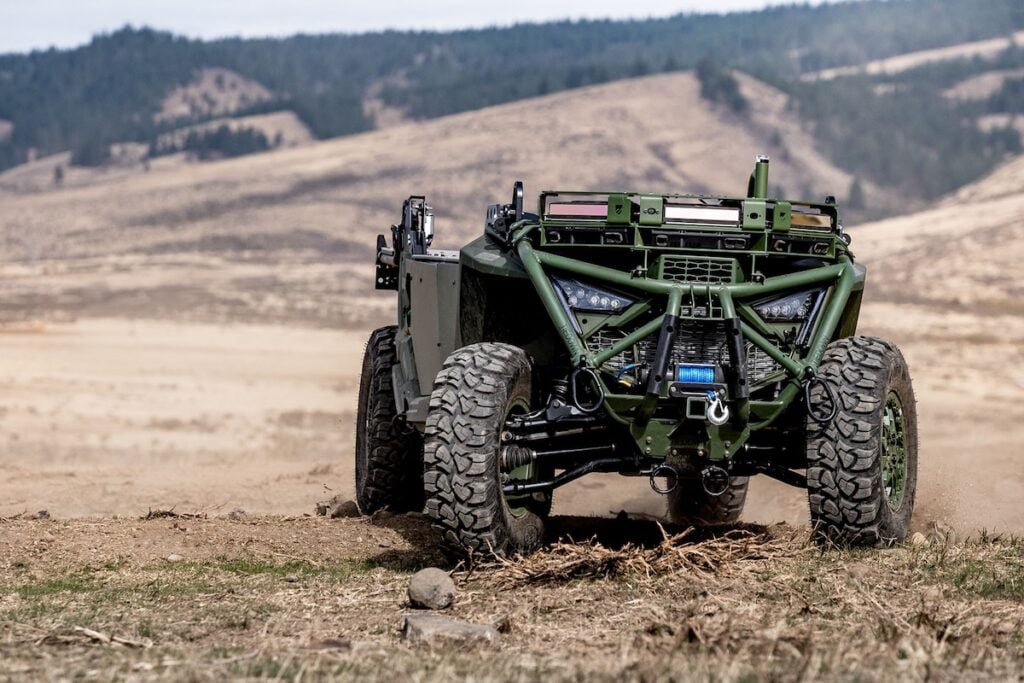
Overland AI has launched IBEX, a next-generation fully autonomous ground vehicle developed under a production contract for the U.S. military.
The platform joins the company’s ULTRA vehicle in its line of autonomous ground vehicles designed to operate across Denied, Degraded, Intermittent, and Limited (DDIL) environments. Functioning without the need for remote control or teleoperation, IBEX maneuvers independently by leveraging the OverDrive software stack, OverWatch user interface, and SPARK hardware infrastructure to perceive and navigate complex terrain.
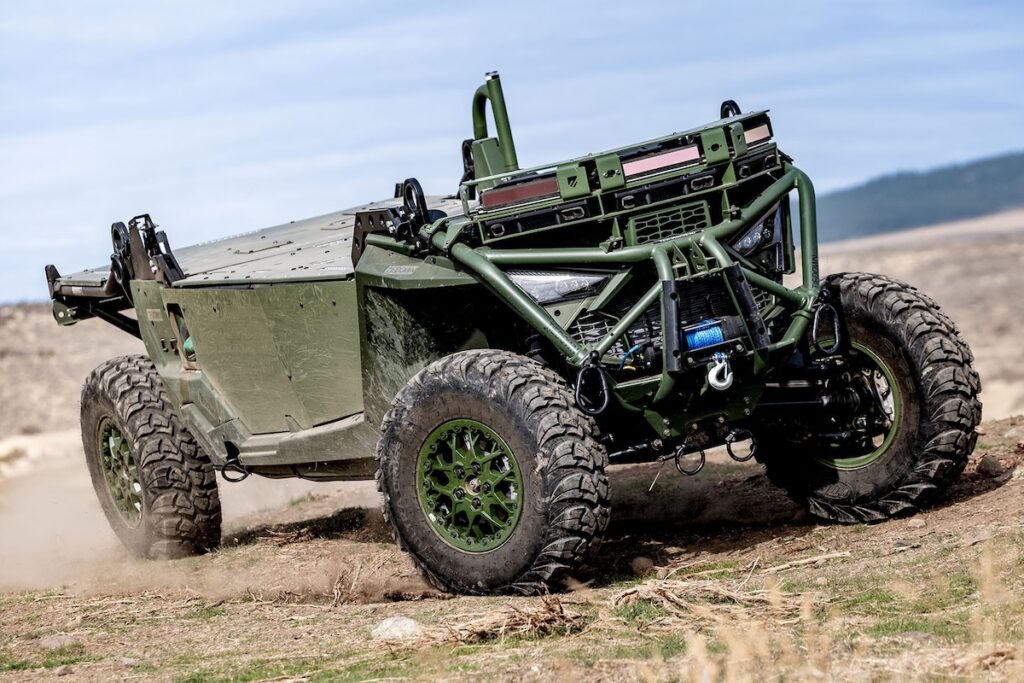
In terms of physical performance, the platform delivers a 2,000-pound payload capacity and can travel autonomously at speeds exceeding 35 mph. Powered by a single tank of diesel or JP-8, the vehicle achieves an operational cruising range of 250 miles at 20 mph. To address persistent energy constraints in forward operating areas, the vehicle also supplies 5 kW of export power to support attached mission payloads and auxiliary systems.
Logistically, IBEX shares parts and fuel compliance with the Polaris MRZR, aligning with equipment that the military already fields, fuels, and maintains. The platform is also engineered to be V-22 transportable, providing units with flexible mobility across diverse theaters.
“We pride ourselves on developing technology that is informed directly by the warfighter,” said Greg Okopal, co-founder and chief operating officer of Overland AI. “IBEX is a new platform built on the MRZR’s proven chassis, engine, and drivetrain, so it can be deployed on day one and maintained with the parts and fuel units already have.”
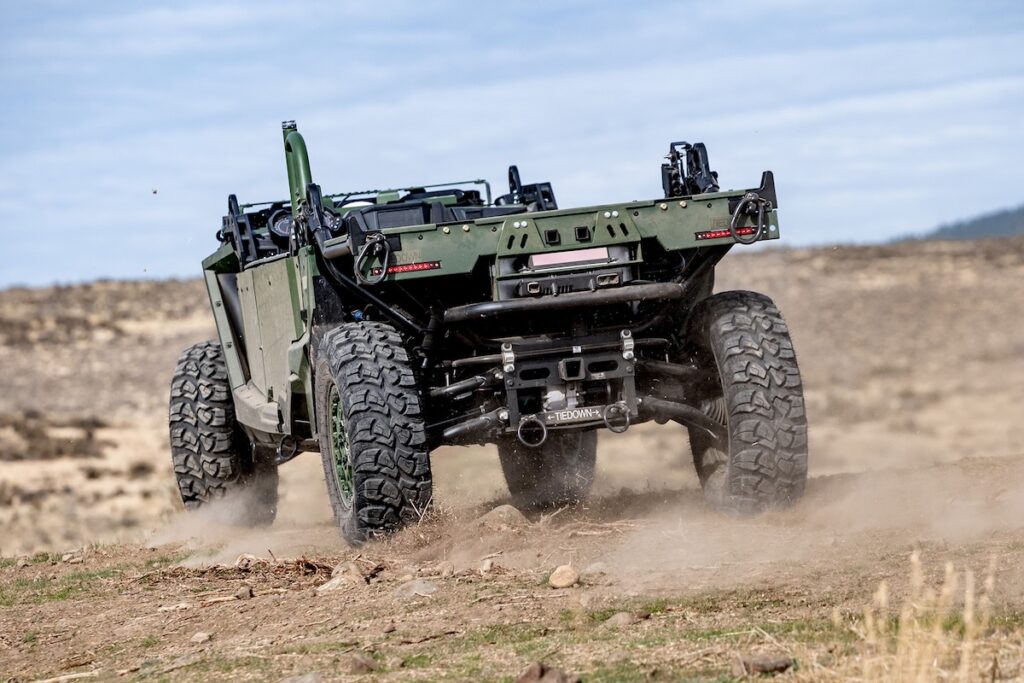
The U.S. Marine Corps has selected IBEX for integration into its Marine AirDefense Integrated System (MADIS) to strengthen the counter-UAS platform’s lethality, sustainability, and survivability. The underlying autonomy stack has previously undergone evaluation with warfighters across the Army, Marine Corps, and SOCOM, as well as Department of War research laboratories, executing operational profiles such as resupply, counter-UAS, breaching, and electronic warfare missions.
Beyond standard mobility roles, the vehicle is designed to serve as an integrated power node, communications node, and compute node. Fielded at scale, the vehicles create a distributed operational network providing energy, connectivity, and processing directly to the forward edge of the battlefield.