


The peaceful nations of Northern Europe didn’t choose to rewrite their defense and security outlook for the coming decades. The decision was forced upon them by aggression in the east.
Now that they’ve decided to act, however, they’re moving swiftly.
In 2023 and then 2024, following decades apart from the Alliance, Finland and then Sweden acceded to the North Atlantic Treaty Organization. Meanwhile, neighbors Norway and Denmark – charter members of the original group of nations that signed the North Atlantic Treaty in 1949 – have begun working along with other European allies to strengthen their preparations.
All the same, even though the unity of the allies and the expansion of the Atlantic Alliance is good news for peace and stability, it doesn’t make the new challenges any less daunting: NATO has added more than 800 miles of frontier along its eastern front.
Monitoring this border – along with the rest of the eastern approaches to the Alliance – is essential, along with the importance of maritime domain awareness in the Norwegian Sea, the Barents Sea, and north into the Arctic.
Covering all the thousands of square miles is difficult enough, but compounding the problem is that they include some of the most inaccessible terrain and extreme conditions on the planet. When it isn’t inhospitable, it’s downright dangerous.
That’s why one of the best solutions is to not send any people at all.
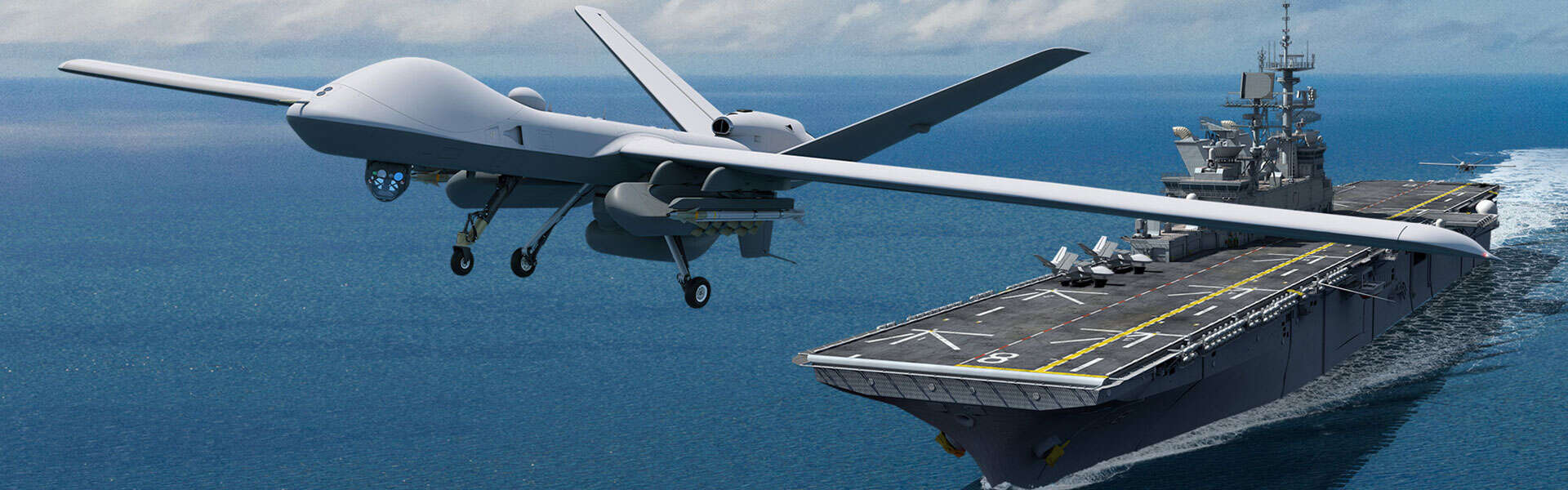
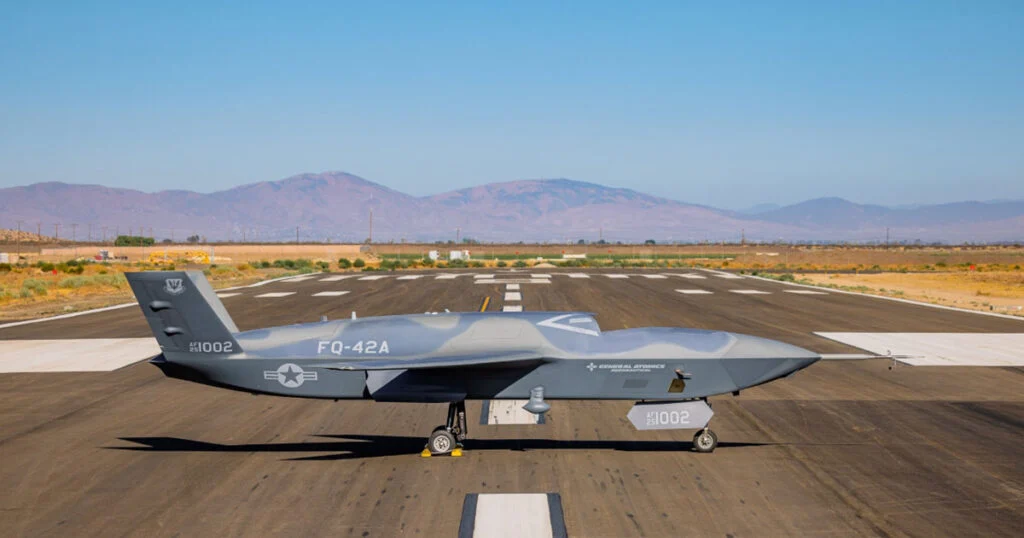
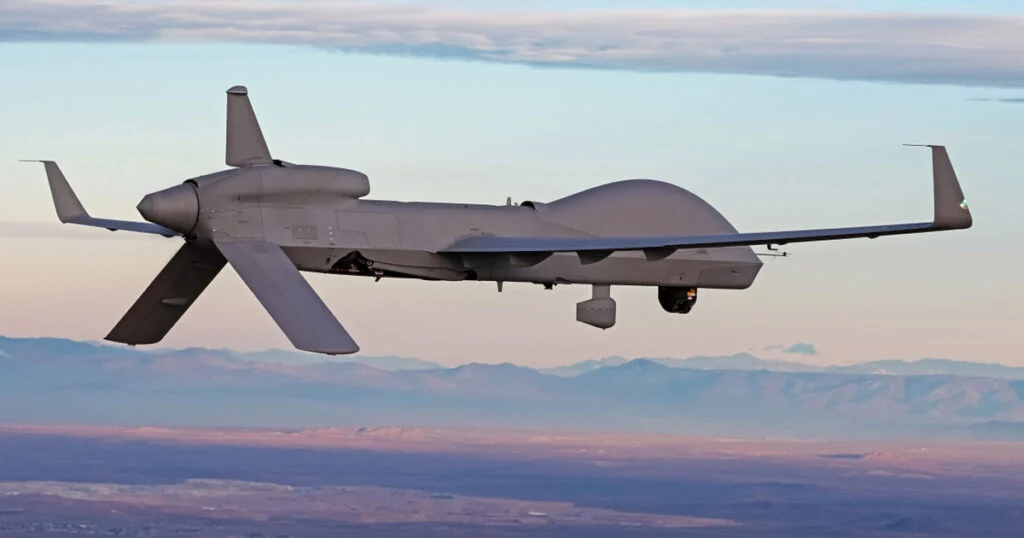
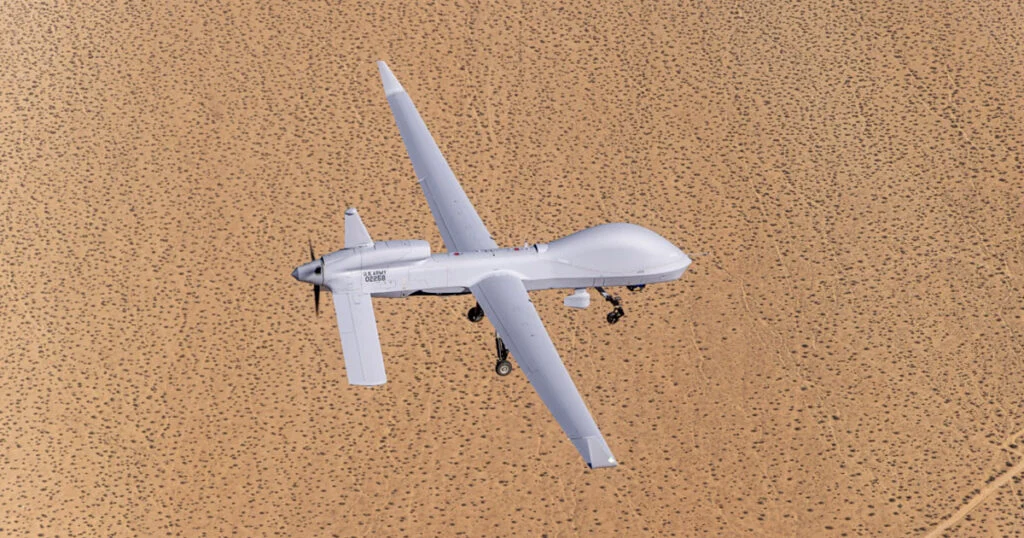
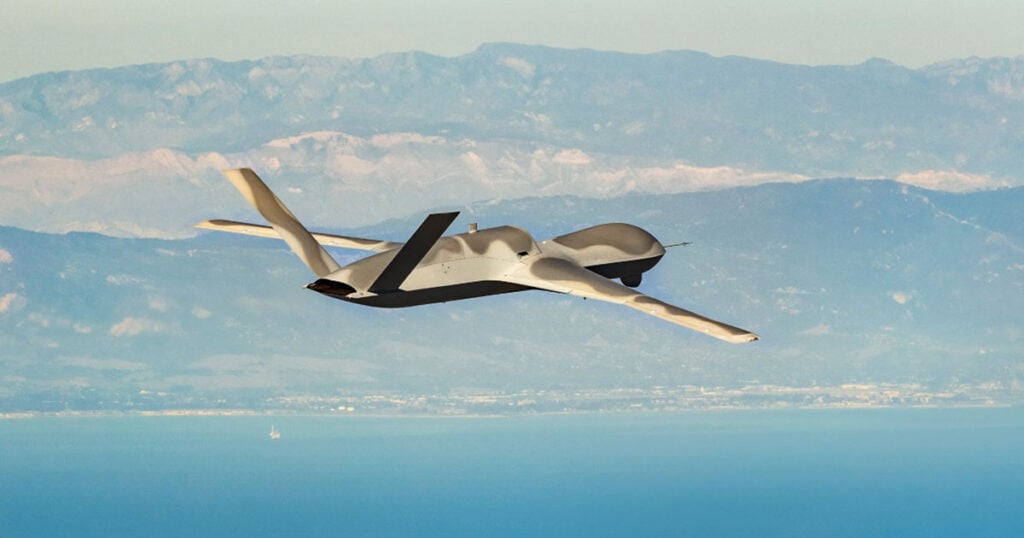
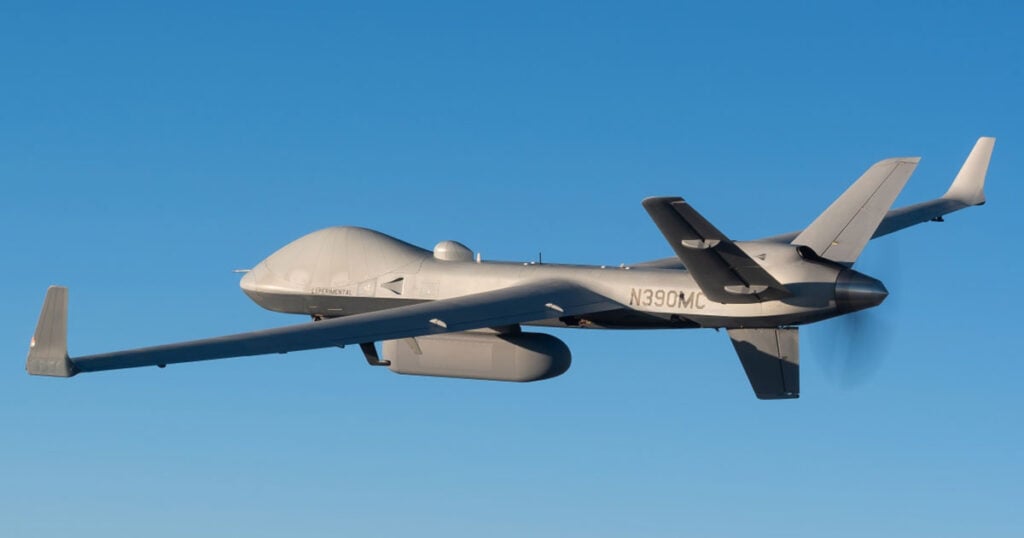
Uncrewed aerial systems such as the MQ-9B SkyGuardian® and SeaGuardian® are ideal tools to help the northern allies tackle the unwanted new imperatives of this tough security environment. They can contribute in ways no other platform can and enable the Nordic and other northern countries to work more closely together for their own security and the whole NATO Alliance.
San Diego-based General Atomics Aeronautical Systems, Inc., which builds the MQ-9B, already supplies remotely piloted MQ-9 aircraft to several European NATO allies, including Belgium, the Netherlands, the United Kingdom, France, Spain, and Italy. More operators, of more different types of aircraft, are pending.
In the case of MQ-9B, the aircraft can fly for more than 30 hours in some configurations, making it ideal to cover long distances and spend ample time on station. The aircraft’s onboard sensors send back a wealth of multi-spectral, multi-domain intelligence that gives constant real-time awareness about what’s transpiring in key locations – intelligence that can then be shared and acted upon to provide maximum value.
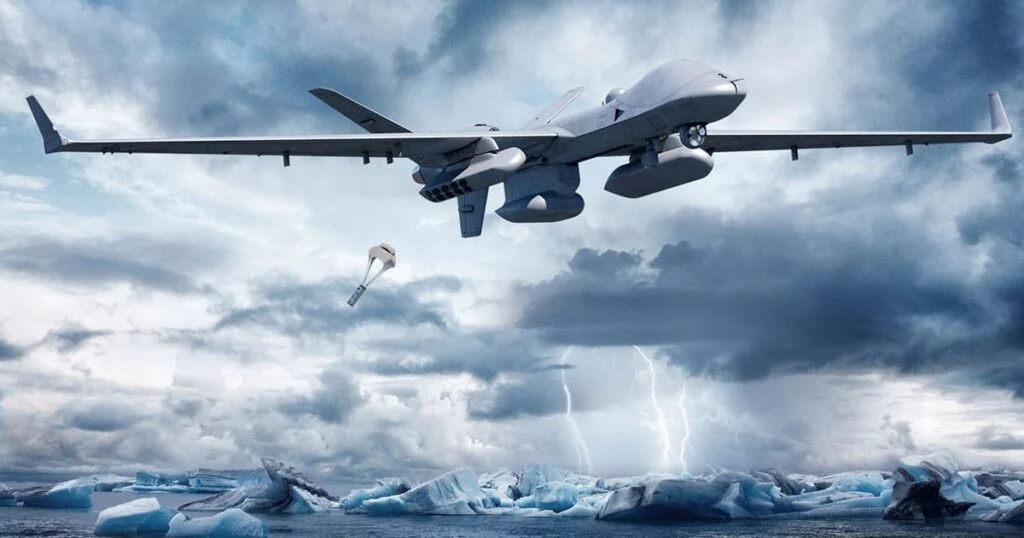
SkyGuardian and SeaGuardian can also carry a number of highly versatile external payloads for specialized missions, from intelligence gathering to communications relay to maritime surface search and much more. In many of these configurations, the aircraft can handle many different missions at the same time: a SeaGuardian that takes off to monitor traffic on the surface of the Baltic Sea also could hear distress calls from vessels that need help or support search and rescue operations below.
MQ-9B is also the only aircraft of its kind that can search for and track submarines beneath the surface, ensuring critical undersea domain awareness for the Atlantic allies.
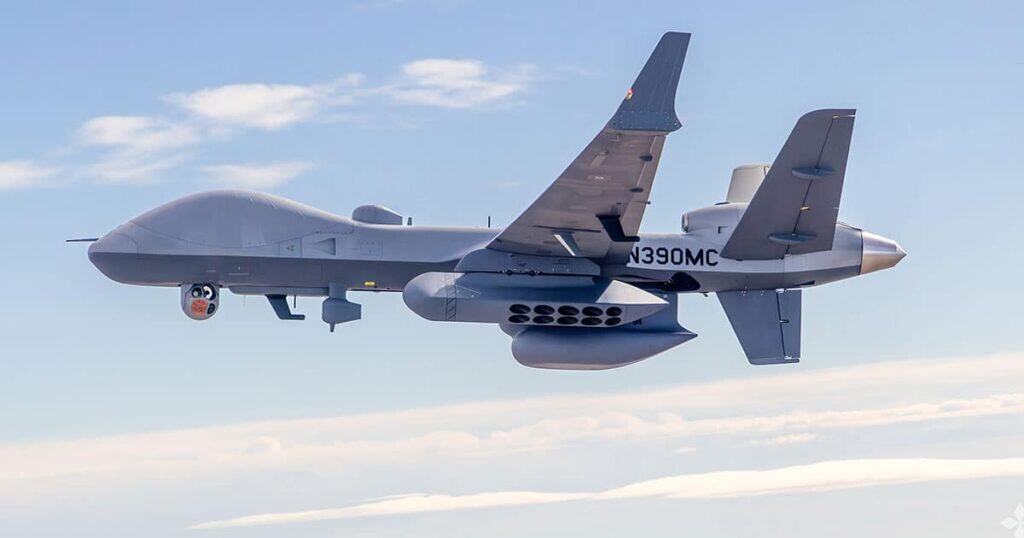
The aircraft do this with no human pilot to put at risk – no danger from enemy action or in the event of a mishap. That means that operators can send them out over the water or above remote, rugged, or frozen terrain without the need to also stage rescue crews for the area. This not only saves lives and simplifies managing human-crewed units, such as search-and-rescue vessels or helicopters, but also saves on the associated costs.
This is one reason why MQ-9B SeaGuardian is so much less expensive than a large airliner-derived maritime patrol aircraft. Other reasons are its long wingspan and highly efficient propulsion, which together ensure the aircraft requires much less fuel. This setup is also more environmentally conscious than a larger jet-powered aircraft.
SeaGuardian, SkyGuardian, and their payloads are only part of the solution. Getting the maximum effectiveness out of advanced hardware requires equally sophisticated software – also produced by GA-ASI.
Innovative systems, for example, let a single human controller operate multiple aircraft at once. Picture a flight of MQ-9B aircraft fanning out over a big section of territory or ocean and patrolling semi-independently under the supervision of an operator working via satellite link. One aircraft might see a target of interest on the surface; another aircraft might overhear a distress call from a vessel in its area.
Working with GA-ASI’s support systems, operators, intelligence officers, search and rescue authorities, and others can respond to these events in real time and process, exploit, and disseminate the intelligence that’s coming in.
A NATO nation might not only do so for its own purposes – to coordinate a rescue response, for example, because its coast guard was the closest to the ship in need – but also for the whole Alliance. Using the seamless interoperability made possible by MQ-9B and its support systems, the service that detected the target of interest could rapidly brief other nations or the whole Alliance about what it had detected, if necessary.
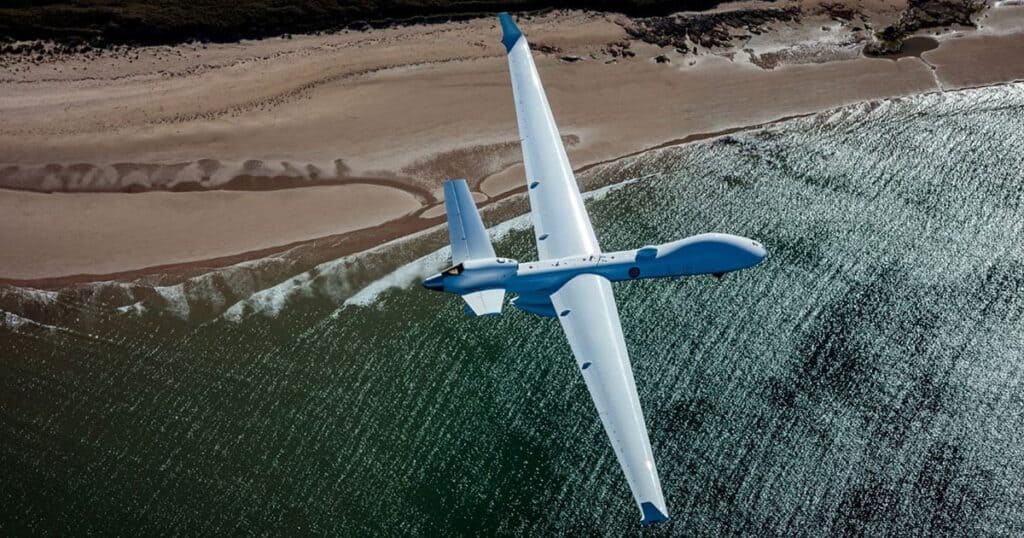
Maritime domain awareness has always been critical, but the coming decades will only heighten the importance of intelligence and surveillance in the Arctic – an area of particular relevance to the Nordic NATO allies and other Arctic powers in the Alliance. The retreat of sea ice means growing stretches of open water, which means more navigation of all types – and power projection.
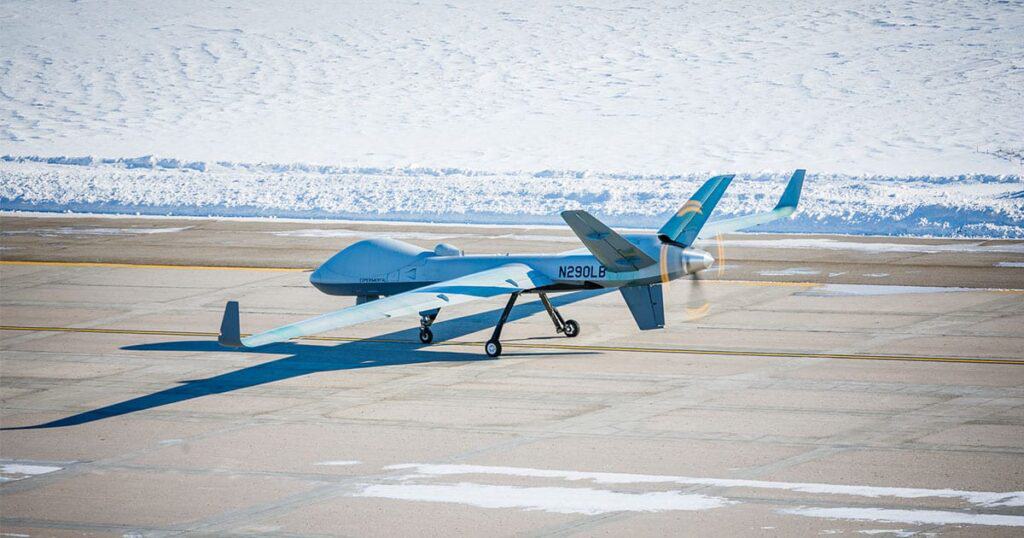
With a greater number of icebreakers and aggressive claims about its designs on the Arctic, Russia is ahead in this competition. NATO allies can accelerate the speed at which they start to even the odds with MQ-9B as the platform of choice for multi-domain ops (ISR, ASW, and ASuW). Canada has selected the MQ-9B as its choice for Arctic surveillance, in part because of proven cold-start, anti-icing, high-latitude SATCOM, and other capabilities that make it ready for work in the high latitudes.
With MQ-9B, the Nordic and Northern European allies now have a surveillance platform to choose that can perform all their key missions with low acquisition and operating costs.