Ruggmate, a developer of rugged hardware and Human-Machine Interface (HMI) equipment for military, naval and defense applications, highlights the importance of pace, structure, and collaboration in delivering successful mission-critical projects.
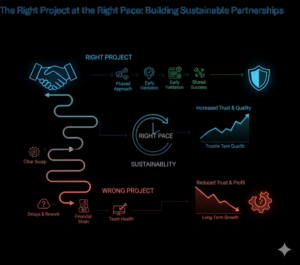
In complex defense environments, project outcomes are influenced by more than technical requirements and delivery timelines. According to Ruggmate, a critical factor is ensuring that projects progress at the right pace, supported by clear communication, defined responsibilities, and aligned expectations.
The Role of Pace in Project Success
Every project develops its own pace, shaped by deadlines, decision-making processes, and communication quality. When this pace is misaligned, whether too fast or too slow, it places unnecessary strain on teams and can negatively impact outcomes.
Ruggmate emphasizes that excessive urgency can lead to fatigue and reduced quality, while unclear decision-making processes and responsibilities can create friction and slow progress. Establishing a balanced and realistic pace allows teams to operate with focus and consistency rather than under constant pressure.
Structuring Projects for Effective Collaboration
Sustainable partnerships, particularly in defense and mission-critical sectors, rely on more than technical expertise. Ruggmate notes that clearly defined working methods, responsibilities, and decision structures from the outset are essential to avoiding friction as projects evolve.
Projects that deliver the highest value tend to share several common characteristics. Decision-makers are clearly identified, and technical objectives are aligned early in the process. Development is structured into defined phases, allowing for early validation and feedback, while responsibility is shared across stakeholders rather than shifted between them.
When these elements are in place, project momentum develops naturally, enabling steady progress without unnecessary disruption.
Project pace has a direct impact on team performance and well-being. Persistent schedule compression and unclear expectations can place sustained pressure on teams, ultimately affecting overall outcomes.
By contrast, realistic planning combined with phased development supports motivation, helps maintain high standards, and contributes to more effective project outcomes.

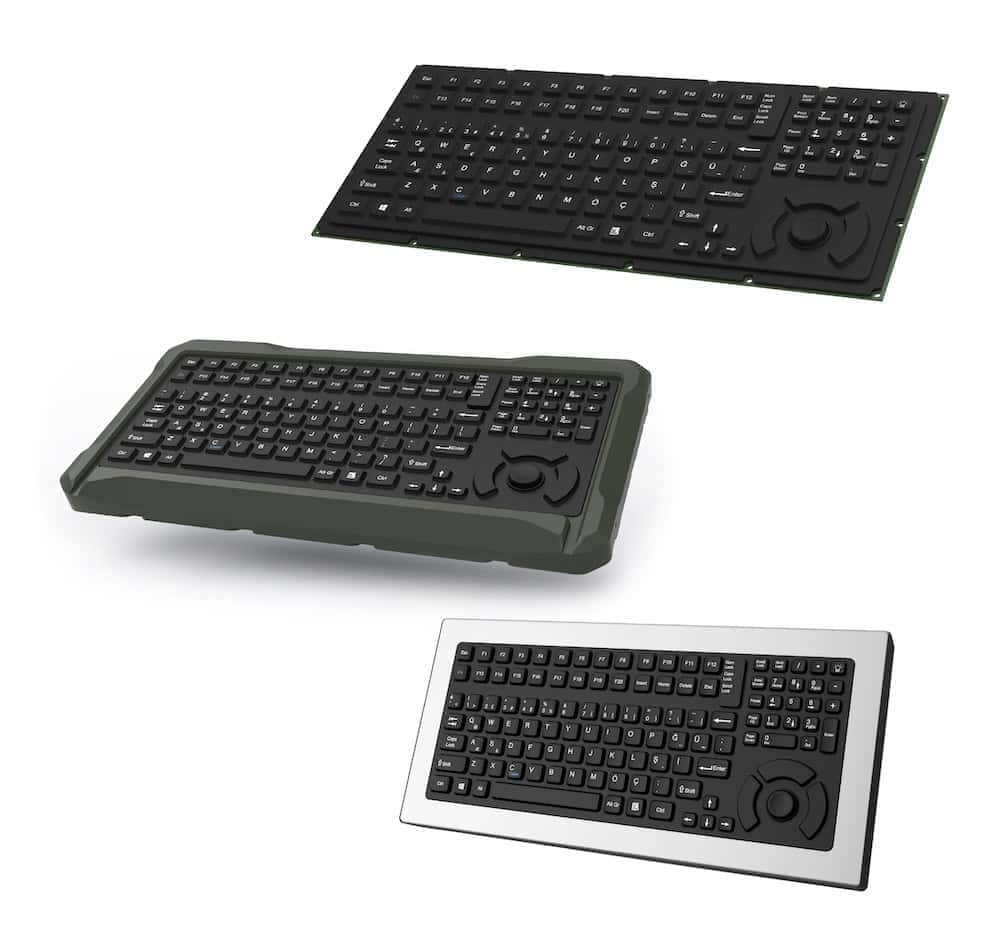
Ruggmate rugged GCS keyboards.
Aligning Approach with Mission-Critical Technologies
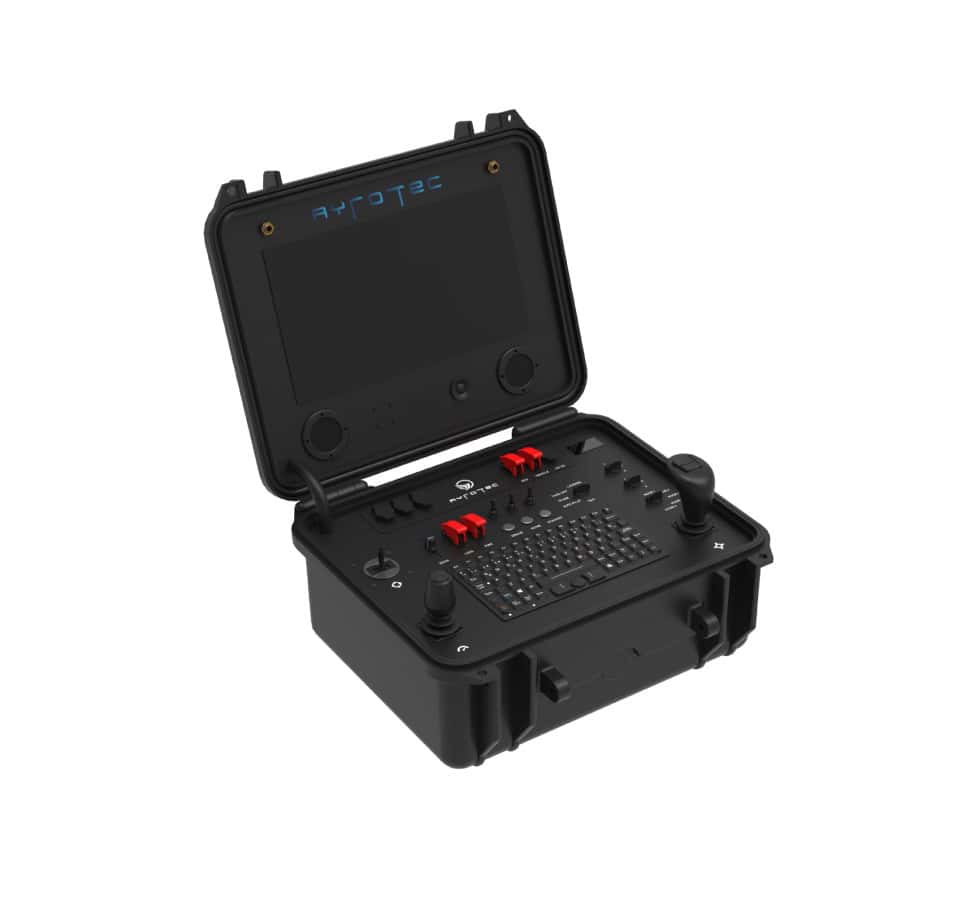
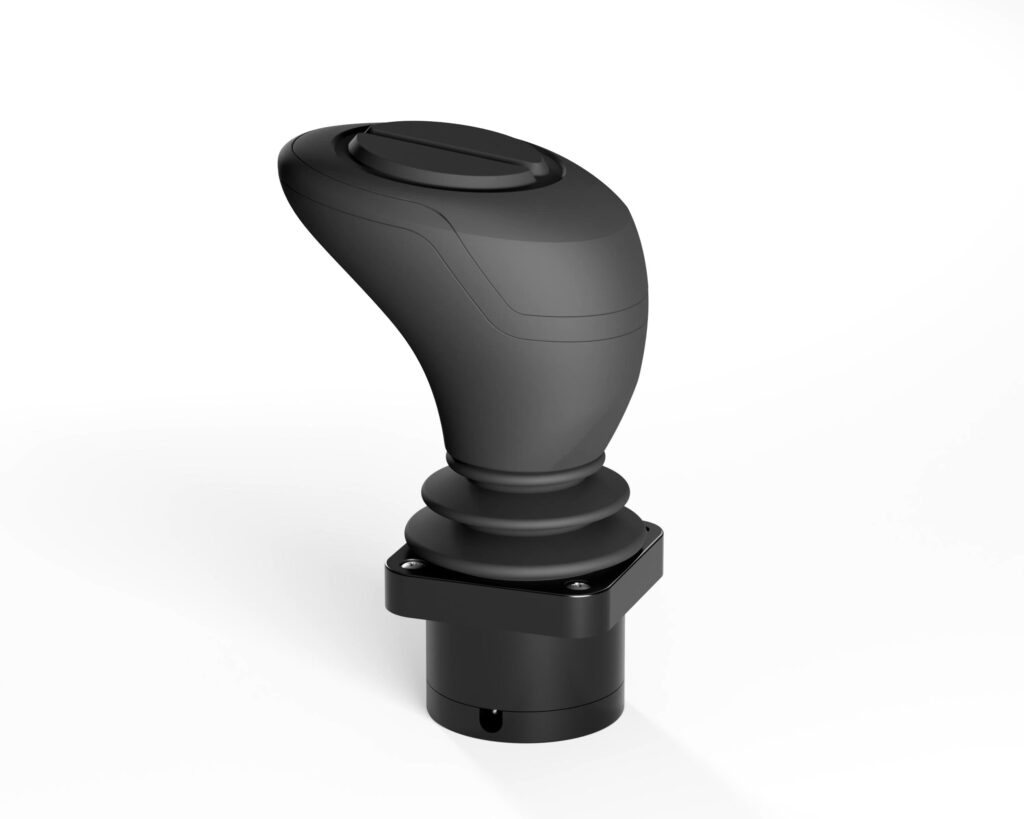
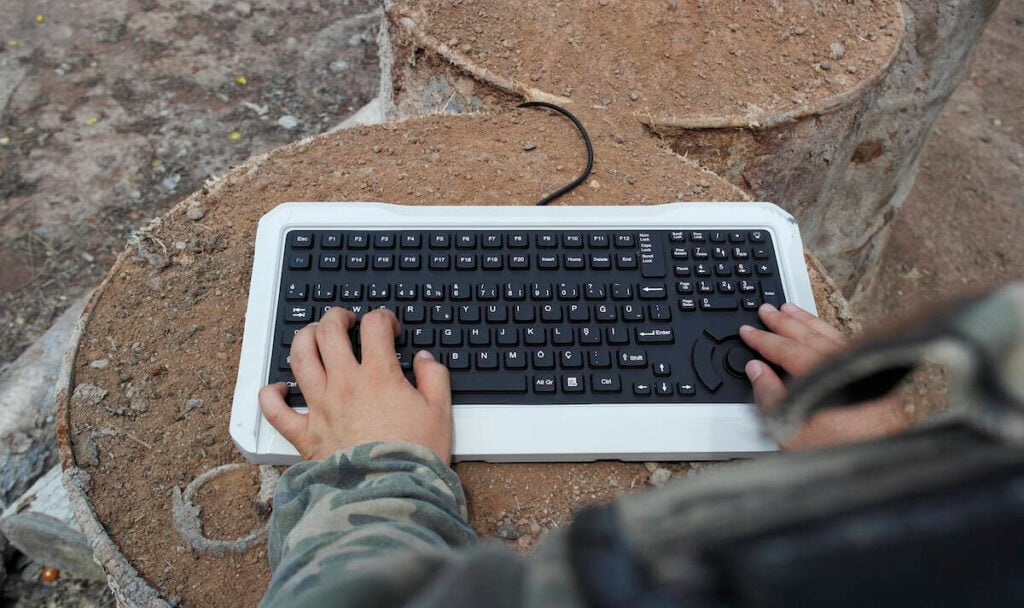
Ruggmate’s portfolio reflects the demands of mission-critical defense environments, where effective project execution is critical. This includes customizable Ground Control Stations (GCS) for tactical Unmanned Aerial Vehicles (UAVs) and unmanned systems, as well as high-reliability input devices such as panel-mounted keyboards and joysticks.
Designed to meet standards including MIL-STD-810, MIL-STD-461, and IP67, these systems are engineered for deployment in harsh operational conditions across land and naval platforms, where reliability and durability are essential.
Ruggmate underscores that sustainable collaboration requires a long-term perspective. Prioritizing short-term gains at the expense of structure and pacing can introduce greater challenges later in the project lifecycle.
Instead, working with the right partners and maintaining an appropriate pace enables more effective collaboration and better overall results. For Ruggmate, success is not defined solely by completing a project, but by completing it in a way that supports quality, team well-being, and enduring partnerships.