



General Atomics Aeronautical Systems, Inc. (GA-ASI) President David Alexander has called for the rapid fielding of Uncrewed Combat Air Vehicles (UCAVs), highlighting the need to shift from experimentation to operational capability delivered at scale.

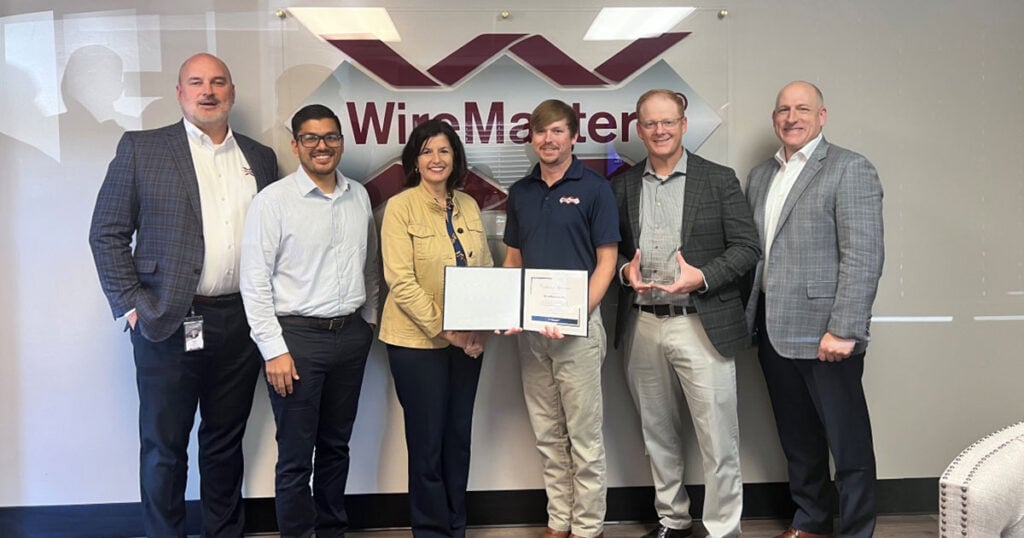
GA-ASI President David Alexander
“If you wait 5-8 years to bring these aircraft to combat, they’ll be too late,” Alexander said. “They need to come out now and they need to come out in large numbers. The time for talk is done.”
According to Alexander, recent conflicts have demonstrated the rapid evolution of modern warfare, with advanced munitions, drone swarms, and sophisticated integrated air defense systems presenting significant challenges to even well-equipped forces. In this environment, he said, UCAV development must shift from evaluation to execution.
“Our company has had a front-row seat to witness the almost unbelievable pace of change on today’s battlefield,” Alexander commented. “Over the past 30 years, our uncrewed aircraft have flown more than 9 million flight hours, most of them in combat.”
From Evaluation to Execution
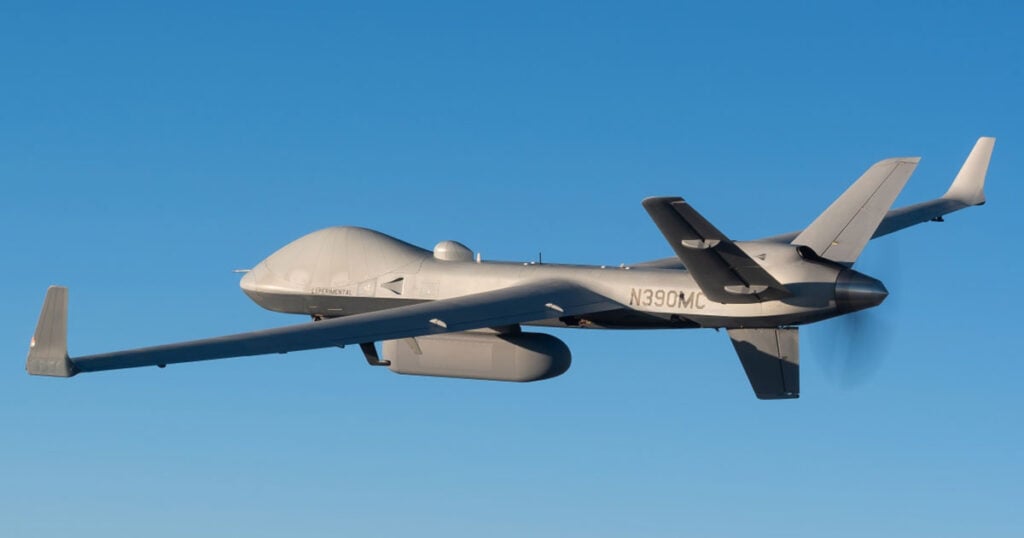
Alexander outlined an approach focused on rapidly fielding systems, deploying them in operational environments, and adapting capabilities using real-world data. He noted that GA-ASI followed a similar model during the early development of the Predator platform, which first flew in July 1994 and entered operational service in 1995.
“The Predator changed aviation history with rudimentary remote piloting systems flying an aircraft that used an engine no more powerful than you’d find on a snowmobile,” he stated.
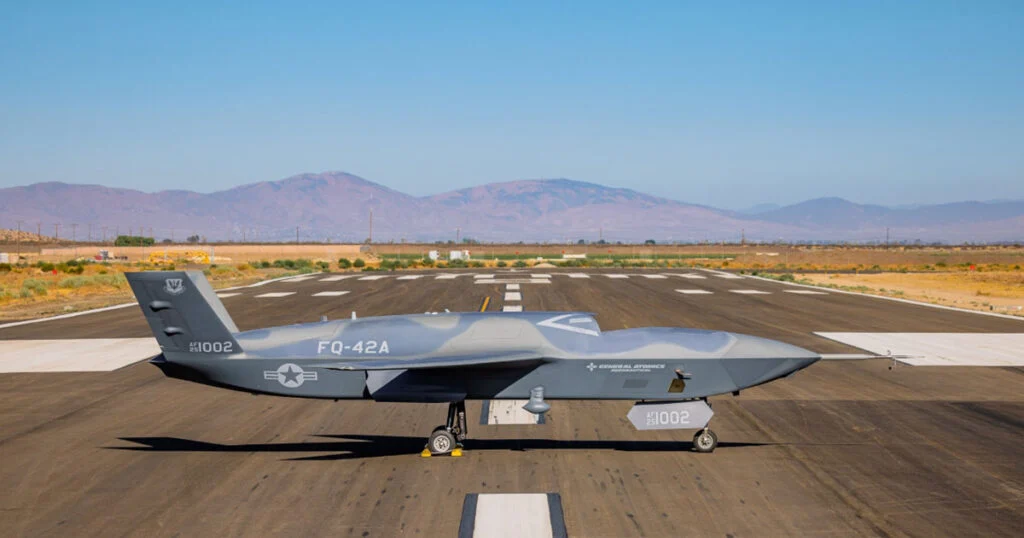
GA-ASI’s YFQ-42 aircraft on the flightline at the company’s High Desert Test Range as part of the Air Force’s Collaborative Combat Aircraft flight test campaign.
Lessons learned through early operational use helped shape subsequent aircraft designs, demonstrating what Alexander described as a model for fielding new capabilities quickly. He added that removing the pilot from the cockpit allows the company to take a more aggressive approach to deploying new systems without putting aircrews at risk.
The Gambit Series & CCA
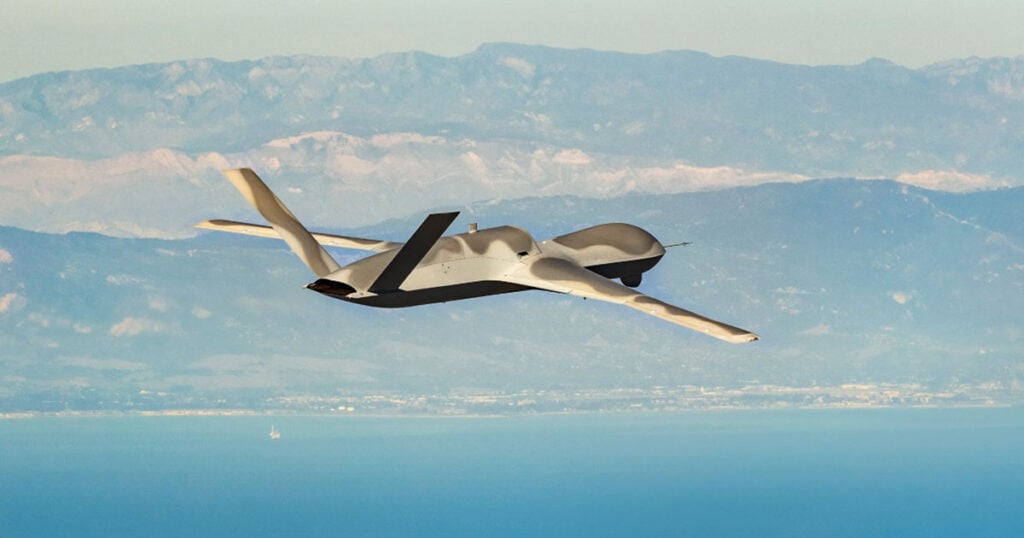
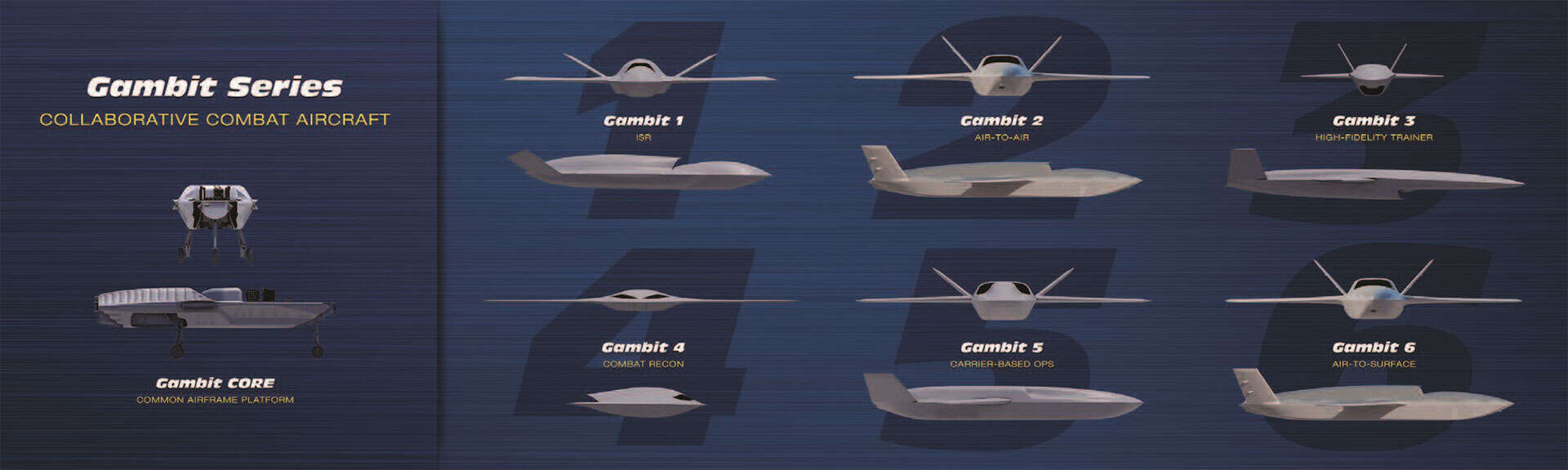
To support faster deployment of UCAV capability, GA-ASI developed the Gambit Series, a family of six variants built around a common core architecture. The approach allows mission-dedicated aircraft to be produced more simply and at lower cost than independent airframes.
The U.S. Air Force endorsed this concept through its Collaborative Combat Aircraft program, commissioning the aircraft that became the General Atomics YFQ-42A. The first aircraft conducted its maiden flight in summer 2025, with several additional aircraft now in low-rate production.
GA-ASI’s vision for the Gambit Series centers on pairing semi-autonomous uncrewed aircraft with crewed fighters such as the F-35 and future Next-Generation Air Dominance (NGAD) platforms.
Production & Vertical Integration
Alexander also highlighted GA-ASI’s vertically integrated business model, which he said enables the company to maintain control across multiple elements of aircraft production, including airframes, avionics, landing systems, cables, and harnesses. The company also owns three airports used for engineering testing and development.
With approximately 5 million square feet of manufacturing capacity, Alexander said GA-ASI is prepared to scale production immediately.
“Our company has the production capacity, the know-how, the track record and most importantly – actual aircraft flying – that we’re ready to produce at scale today,” he stated.
Alexander added that GA-ASI’s status as a privately held company allows it to operate with greater agility while still delivering complex aerospace programs.
“We’re big enough to take on, and do, and accomplish what we say we’re going to do,” he said. “But we’re still small enough to lean forward, to forecast at our own risk, and operate the company more like a commercial company.”
Citing the company’s delivery of more than 1,400 aircraft and over 9 million flight hours, Alexander concluded that GA-ASI is ready to support the rapid fielding of uncrewed combat aircraft capabilities.
“General Atomics Aeronautical Systems is a national asset,” he said. “It has taken more than 30 years to get where we are today, and we’re wholly dedicated to unmanned aircraft.”
To find out more information, read ‘Time to Get Real’ here >>