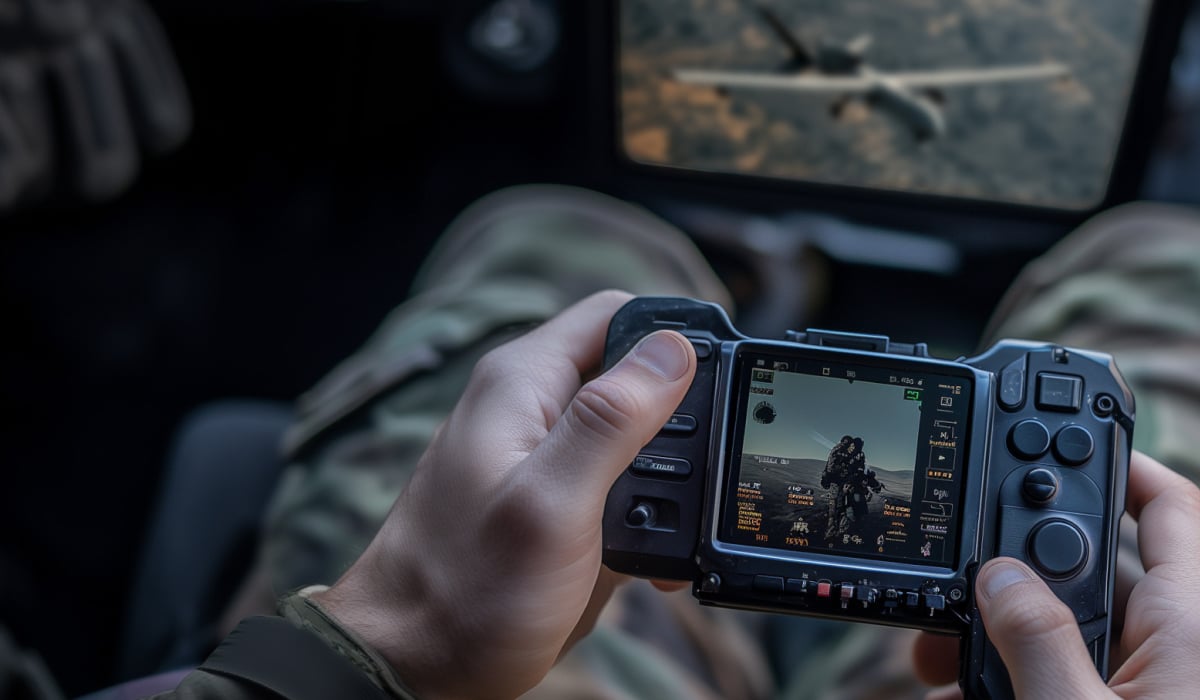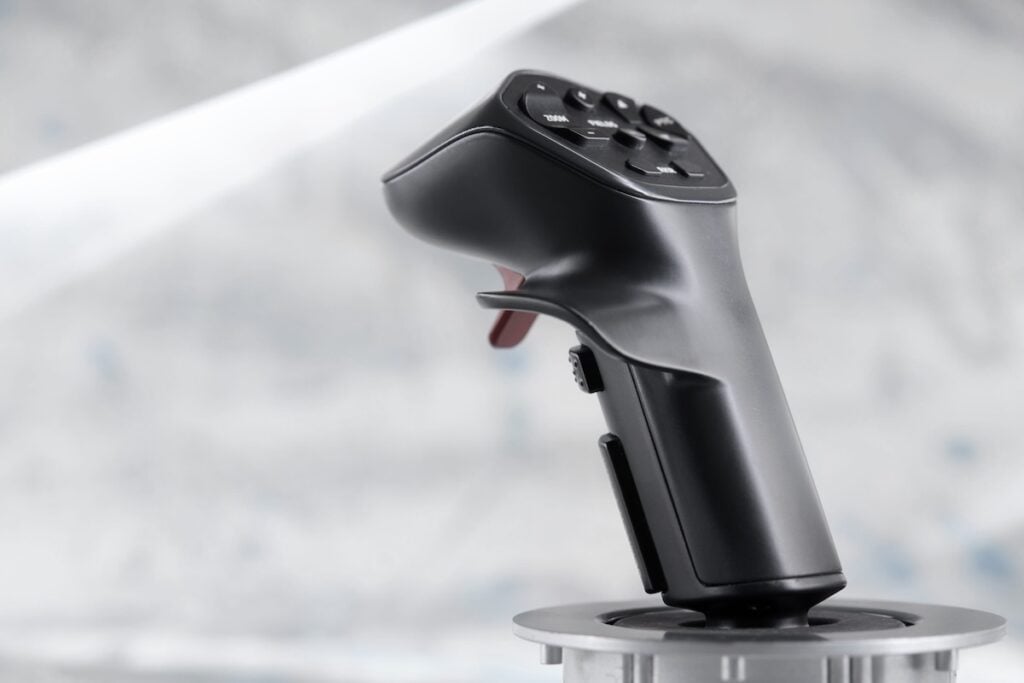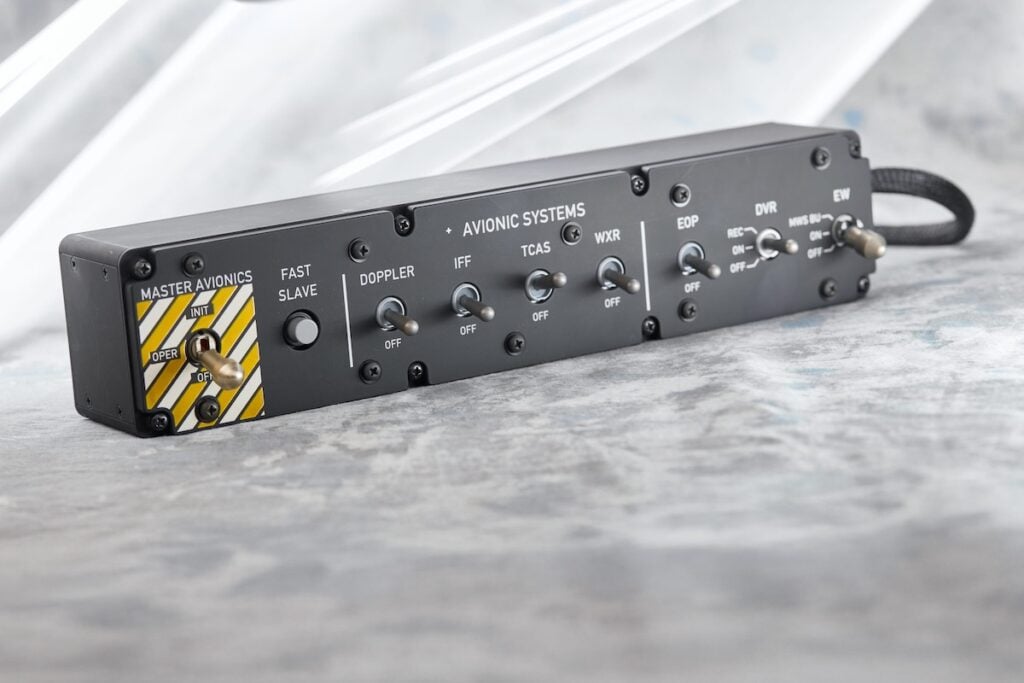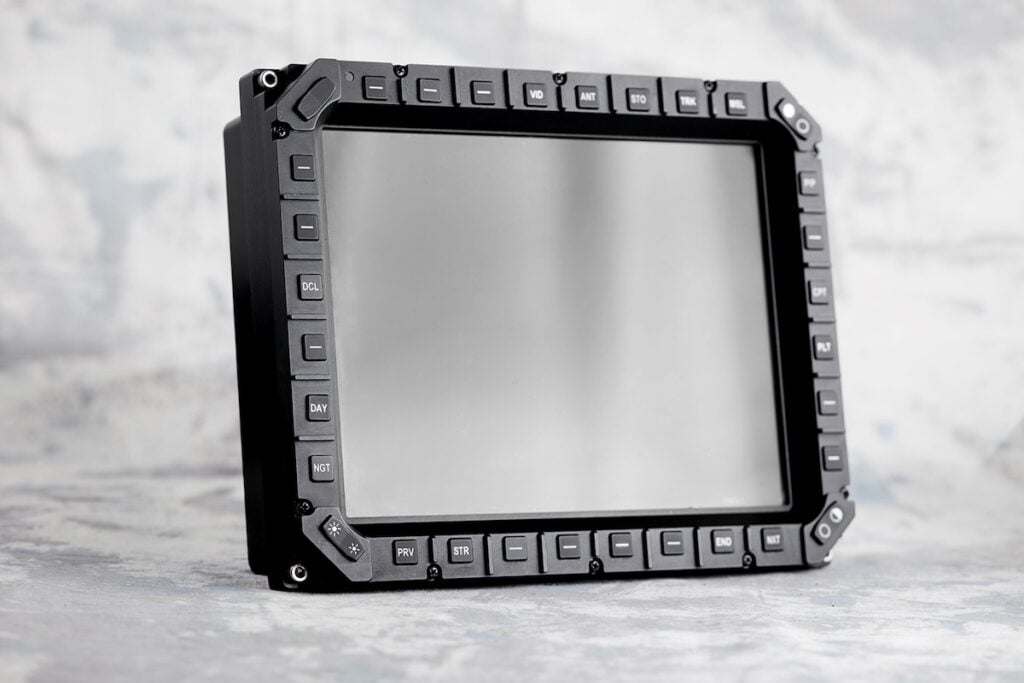




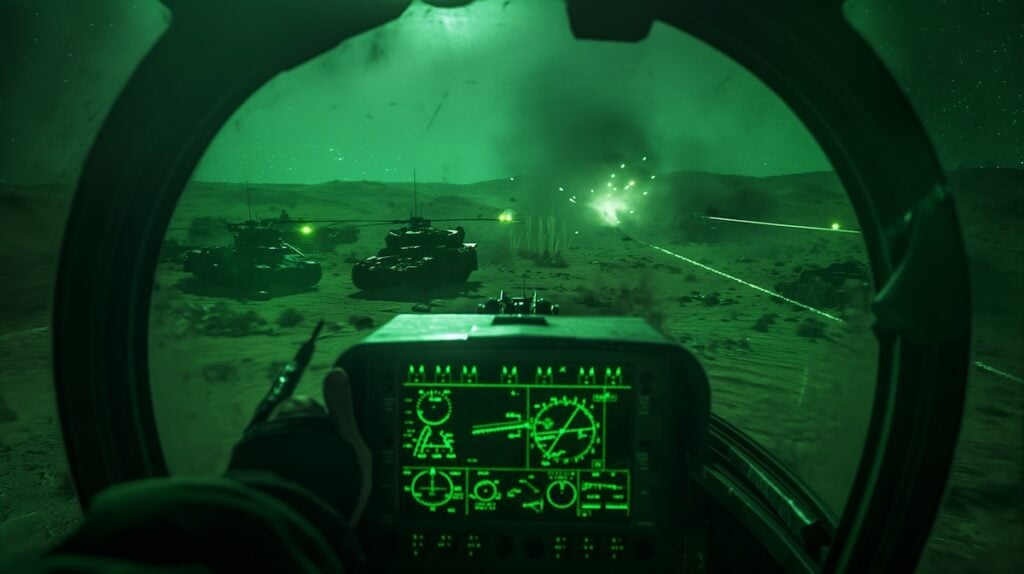
Aeromaoz outlines why Night Vision Imaging System (NVIS) compatibility is an important consideration in military Human-Machine Interface (HMI) design, examining how electronic displays and controls can operate alongside night vision equipment without producing emissions that could interfere with its use.
The company highlights the role of spectral filtering, adaptive brightness control, and software optimization in addressing the technical challenges of night vision integration.
Understanding NVIS Compatibility
Night vision equipment provides military personnel with tactical advantages in low-light conditions. However, integrating night vision goggles with cockpit displays, control panels, and digital interfaces requires careful management of instrument illumination.
Aeromaoz emphasizes that night vision goggles are used to observe the external environment, not to view instruments themselves. NVIS-compatible instruments must therefore avoid emitting light that interferes with the goggles when operators look away from instruments to observe their surroundings through the goggles.
Night vision goggles typically operate within the near-infrared range of 700-900 nanometers, making them sensitive to emissions invisible to the human eye. Conventional LED displays, backlighting systems, and indicator lights can produce emissions that may cause halos, blooming effects, or complete image washout, potentially affecting operational effectiveness and safety.
Meeting Military NVIS Standards
NVIS compatibility is primarily governed by MIL-STD-3009 and MIL-L-85762, which establish acceptable emission levels and spectral characteristics for military displays and lighting systems under photopic (daylight) and scotopic (night vision) conditions.
Compliance requires sufficient luminance for daylight operation while maintaining near-infrared emissions below specified thresholds.
Color and contrast management present additional challenges. Traditional red lighting can still interfere with certain night vision systems, while excessive display brightness can compromise night vision functionality. Designers must therefore consider color selection and brightness control to balance instrument readability with night vision compatibility.
Aeromaoz’s Approach to NVIS Integration
Aeromaoz describes its approach to NVIS compatibility as combining hardware, software, and human factors considerations.
Its proprietary spectral filters are used to block near-infrared emissions while preserving visible light transmission. According to the company, these filters are matched to specific display technologies and operational requirements, drawing on field testing across global military deployments.
The company’s adaptive brightness control systems can automatically detect when night vision equipment is in use and adjust display characteristics accordingly. These implementations incorporate ambient light sensors, user input, and operational mode detection to support transitions between daylight and night vision-compatible configurations.
Aeromaoz rugged HMI systems also employ software algorithms that can dynamically adjust color temperature, saturation, and contrast ratios. Specialized display modes can prioritize critical information while reducing overall emission levels.
Applications Beyond Military Operations
Although NVIS compatibility originated in military applications, Aeromaoz identifies additional uses in search and rescue operations, police tactical units, and firefighting services.
These include search and rescue teams responding to night-time emergencies, police tactical units operating in low-light conditions, and firefighters working in smoke-filled environments. These applications also require NVIS-compatible interfaces when night vision equipment is used alongside electronic instruments.
Emerging Technologies and Future Requirements
Developments in display technology continue to introduce new considerations for NVIS-compatible HMI design. Organic Light-Emitting Diode (OLED) displays offer superior contrast ratios and more precise spectral control, potentially simplifying NVIS compatibility while improving display quality.
Aeromaoz reports integrating OLED technologies into rugged military applications, addressing considerations including power consumption, environmental durability, and long-term reliability in harsh operating environments.
The increasing integration of augmented reality and heads-up display technologies into military HMI systems introduces further complexity. These technologies must combine synthetic imagery with real-world observations while maintaining compatibility with night vision equipment. Aeromaoz describes its approach to these requirements as involving integration between display hardware, optical systems, and software algorithms.
Aeromaoz emphasizes that as military operations become increasingly dependent on electronic systems, NVIS compatibility remains an important consideration throughout HMI development, from initial design and component selection to testing and operational deployment.