
Showcase your capabilities
If you design, build or supply VTOL UAV, create a profile to showcase your capabilities and connect with visitors who have an active requirement for your solutions.




Military VTOL UAVs combine runway-independent launch with mission flexibility in constrained environments. Configurations range from rotary-wing platforms optimized for hover and low-speed maneuvering to hybrid systems offering extended range and endurance through fixed-wing cruise.
Read the Technology Overview


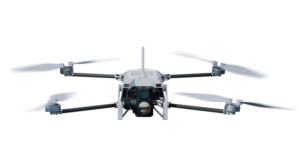
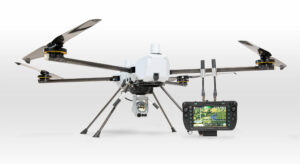
Compact UAS & Heavy-Lift Rotorcraft for Military ISR & Logistics Operations

Developing & Delivering A Range of Uncrewed Air Systems for Both Military & Commercial Applications

Autonomous UAV Platforms & Drone Services for Military, Government, Security & Emergency Response

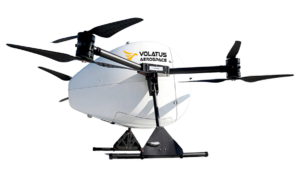
Unmanned Aerial Systems for Military & Defense Applications, from Mission-Critical ISTAR to Battlefield Logistics

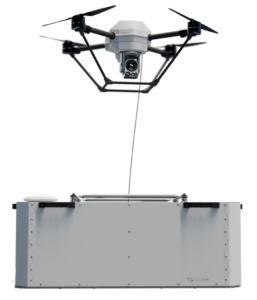
Cutting-Edge Tethered Drone Solutions for Mission-Critical Defense & Security Applications


Cutting-Edge Defense Technologies Empowering The Warfighter On The Modern Battlefield

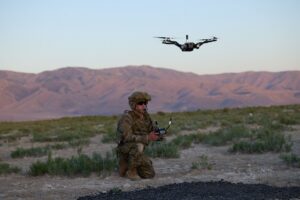
Advanced American-Made Drone Technologies for Aerial ISR (Intelligence, Surveillance & Reconnaissance)

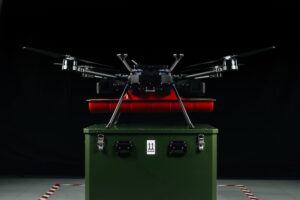
UK Sovereign Autonomous Uncrewed Systems for Defence, Security & Critical Infrastructure

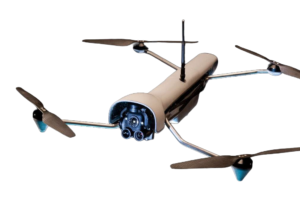
Mission-Ready, Blue UAS-Cleared & NDAA-Compliant Platforms for Defense, Government, and Security Operations

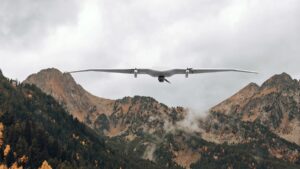
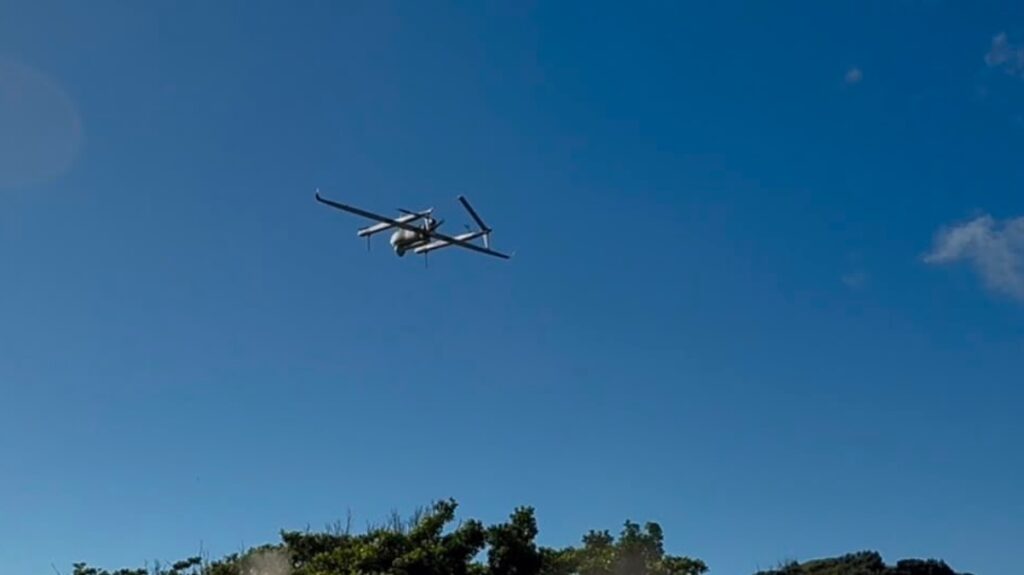
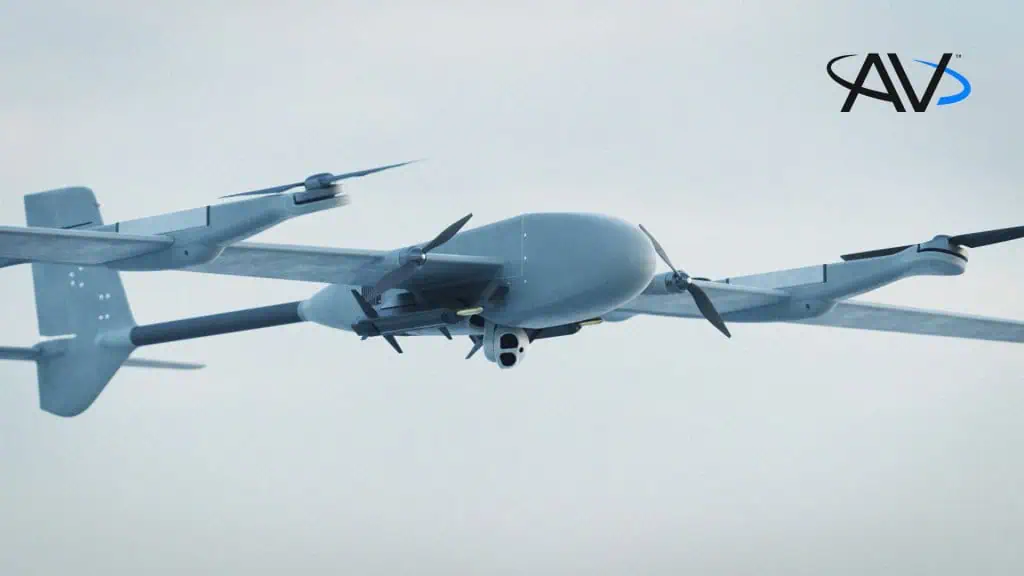
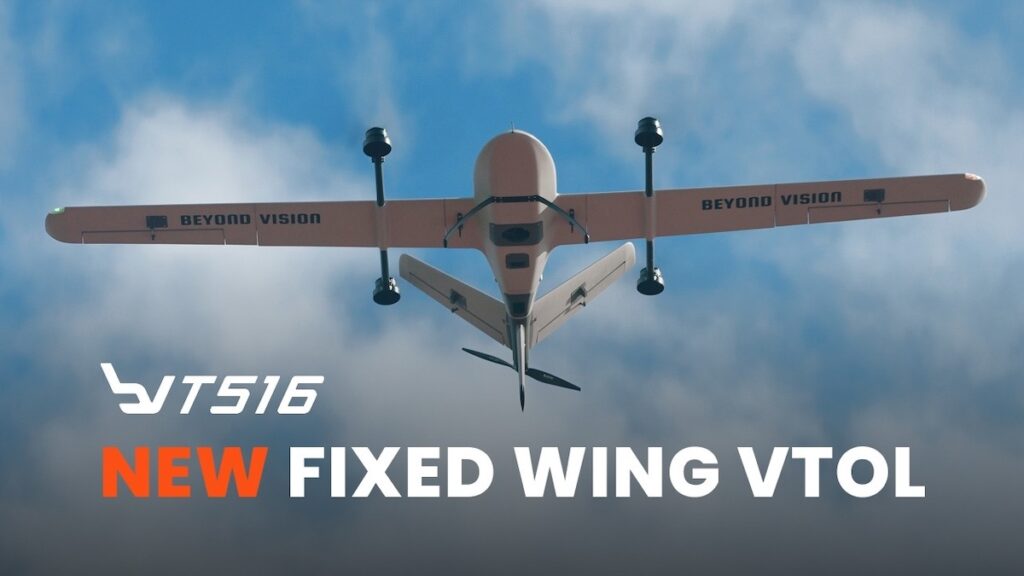
High-Performance VTOL Fixed-Wing UAVs for Defense, Government & Tactical Applications

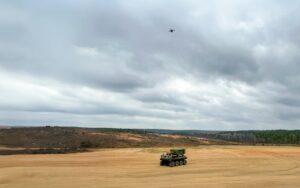
Advanced Tethered Drone Systems for Military, Government & Security Applications

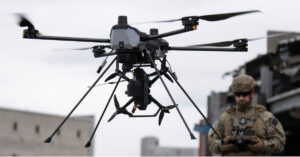
Tactical UAS Platforms for Mission-Critical Military, Defense & Law Enforcement Applications

If you design, build or supply VTOL UAV, create a profile to showcase your capabilities and connect with visitors who have an active requirement for your solutions.

Military VTOL UAVs support ISR and tactical missions in environments lacking conventional launch infrastructure. Configurations include multirotors, helicopter drones, and hybrid platforms, each suited to specific performance needs in constrained or mobile operations.
Military VTOL UAVs excel in a wide array of operational scenarios. Their ability to hover, transition to forward flight, and land vertically enables use in urban, jungle, mountainous, and shipborne environments. Key mission profiles include:
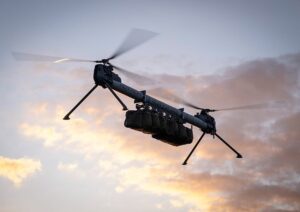
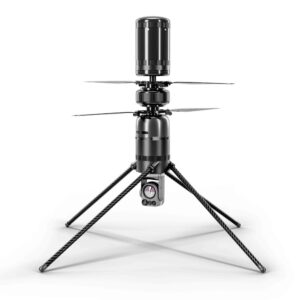
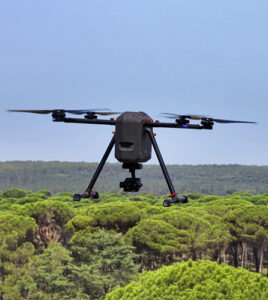
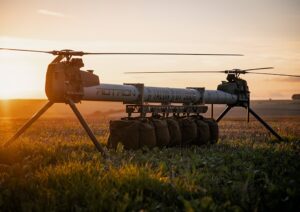
Talon DT-300 by Rotron Aerospace.
These UAVs are deployed by special forces, reconnaissance units, and naval forces, often integrated with electronic warfare systems, radar payloads, and thermal or IR cameras for enhanced mission performance.
VTOL UAVs are categorized by their propulsion and lift systems:
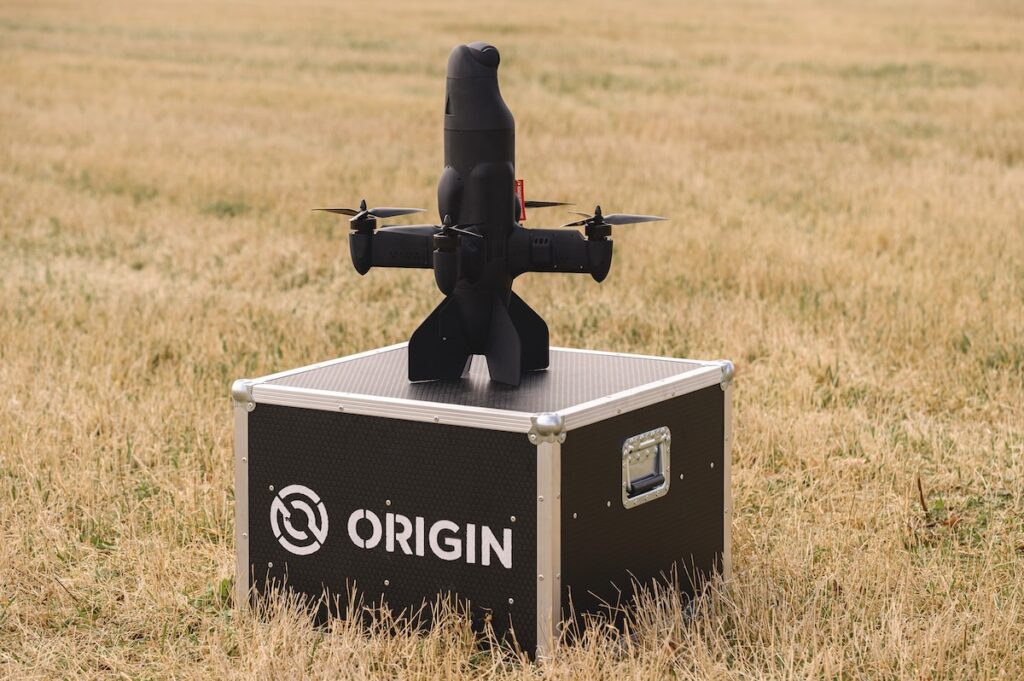
Quadcopters, hexacopters, and octocopters use multiple electric motors and fixed-pitch rotors. They offer unmatched stability in hover and are suited for low-speed, short-range missions such as overwatch, target identification, or indoor reconnaissance. Payload capacity and endurance are typically limited.
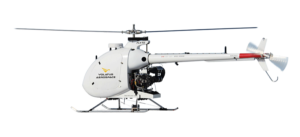
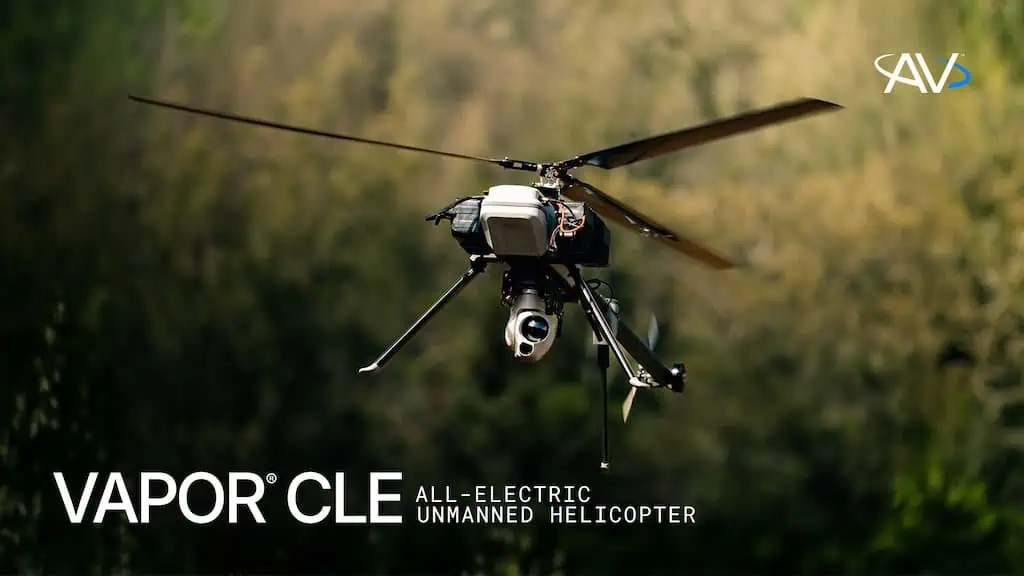
Featuring a single main rotor and tail rotor or coaxial rotors, helicopter UAVs offer greater endurance and lifting capability than multirotors. Operational efficiency and the ability to carry larger sensor or weapon payloads offset their mechanical complexity.
These UAVs use tilt-rotor or lift-plus-cruise configurations, offering extended range, higher speed, and greater endurance compared to multicopters, while retaining VTOL functionality.
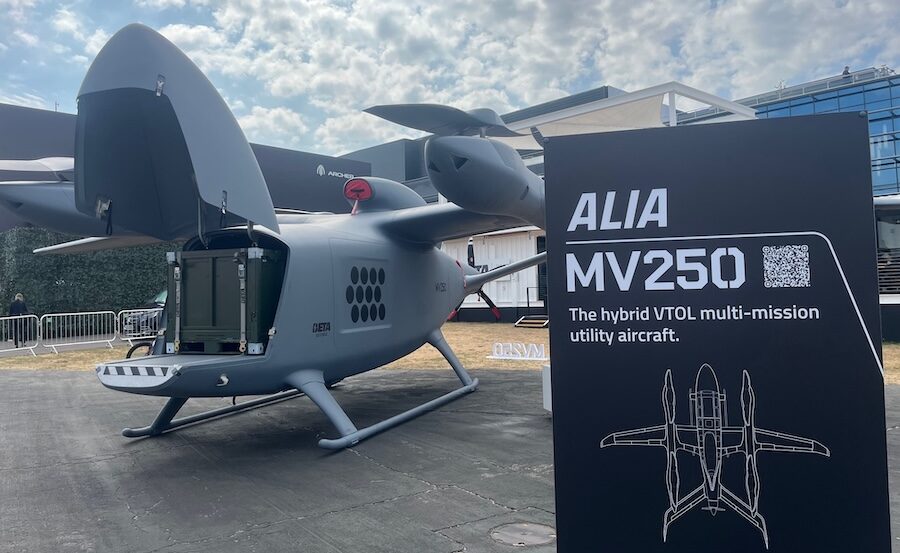
These aircraft merge rotary lift for vertical takeoff with fixed-wing aerodynamics for forward flight. Hybrid configurations include tilt-rotor, tilt-wing, and lift-plus-cruise designs. They are ideal for long-range ISR, communications relay, and combat missions requiring extended loiter and transit performance.

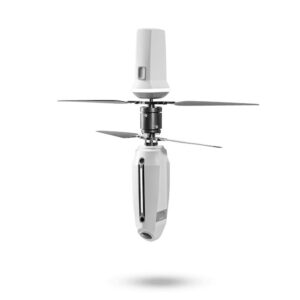
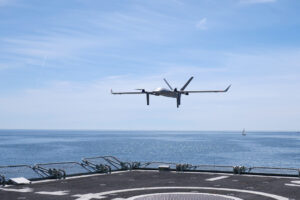
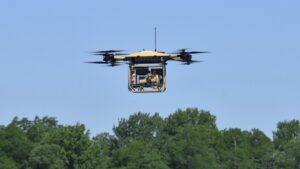
AM-FPV by PDW.
VTOL UAVs eliminate the need for launch rails or runways, enhancing deployability in expeditionary and denied-access environments where traditional fixed-wing UAVs are impractical. Within the VTOL category, rotary-wing platforms like quadcopters and hexacopters provide excellent hovering stability and maneuverability for short-range reconnaissance and surveillance missions. In contrast, hybrid VTOL UAVs integrate fixed-wing aerodynamics with vertical lift capabilities, offering superior range, flight efficiency, and endurance. They are well-suited for long-duration missions that still require vertical launch and recovery.
Key strategic advantages include:
A typical military VTOL UAV includes:

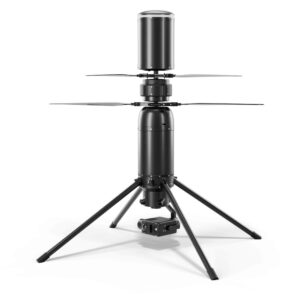
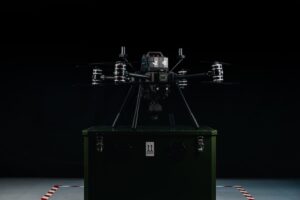
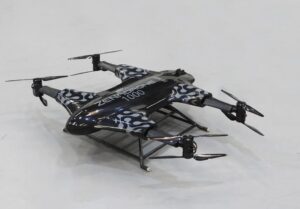
Teal 2 by Red Cat Holdings.
VTOL UAVs intended for defense applications often comply with standardized military and NATO frameworks, ensuring interoperability, reliability, and safety. Relevant standards include:
Military VTOL UAV development is trending toward greater autonomy, modular payload adaptability, and enhanced energy efficiency. Advancements in battery packs, hybrid propulsion units, and lightweight materials are extending endurance and reducing logistical burden. Persistent surveillance and autonomous drone swarming are expanding tactical options for forward-operating units and naval forces.
Future platforms will feature improved targeting systems, AI-enabled drone navigation, and increasingly silent operation profiles for covert missions. VTOL UAVs will continue to evolve as indispensable assets for precision ISR, multi-domain coordination, and strategic reconnaissance in both contested and denied operational environments.


 Searching Companies & Products


 Subscribe to the Weekly eBrief
The latest engineering and technical developments straight to your inbox - join thousands of engineers who receive it.
Subscribe to the Weekly eBrief
The latest engineering and technical developments straight to your inbox - join thousands of engineers who receive it.