






Showcase your capabilities
If you design, build or supply Military UAS, create a profile to showcase your capabilities and connect with visitors who have an active requirement for your solutions.


Unmanned Aerial Systems (UAS) offer advanced capabilities for surveillance, reconnaissance, and tactical missions. UAS platforms vary in design and function, ranging from small, tactical drones to large, strategic systems. Military UAS play a critical role in modern warfare, providing real-time intelligence, enhancing situational awareness, and supporting various applications, including target acquisition and threat assessment. Understanding the types and applications of UAS is essential for grasping their impact on defense strategies and operations.
Read the Technology Overview
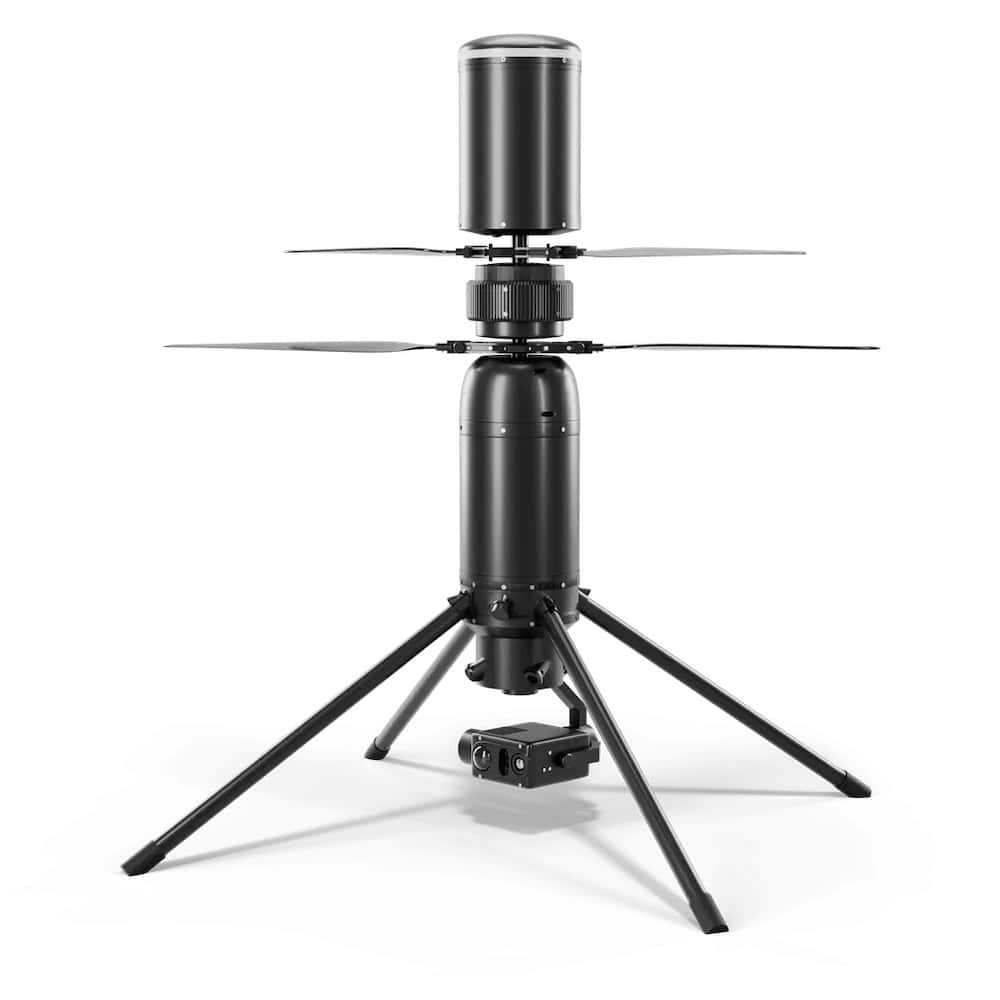
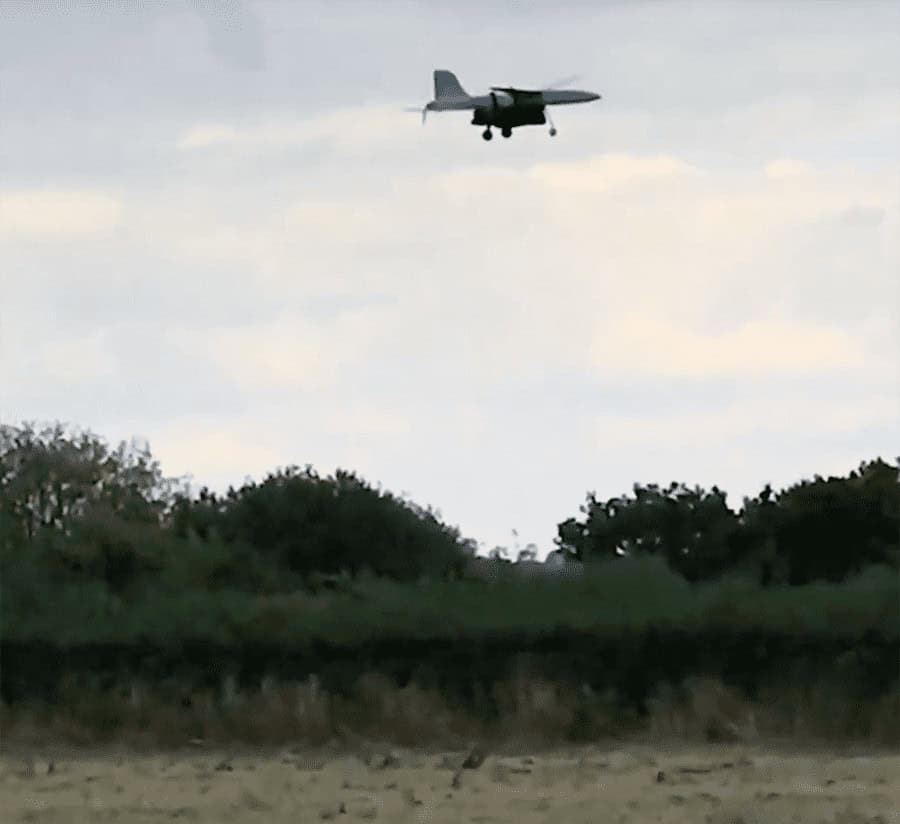
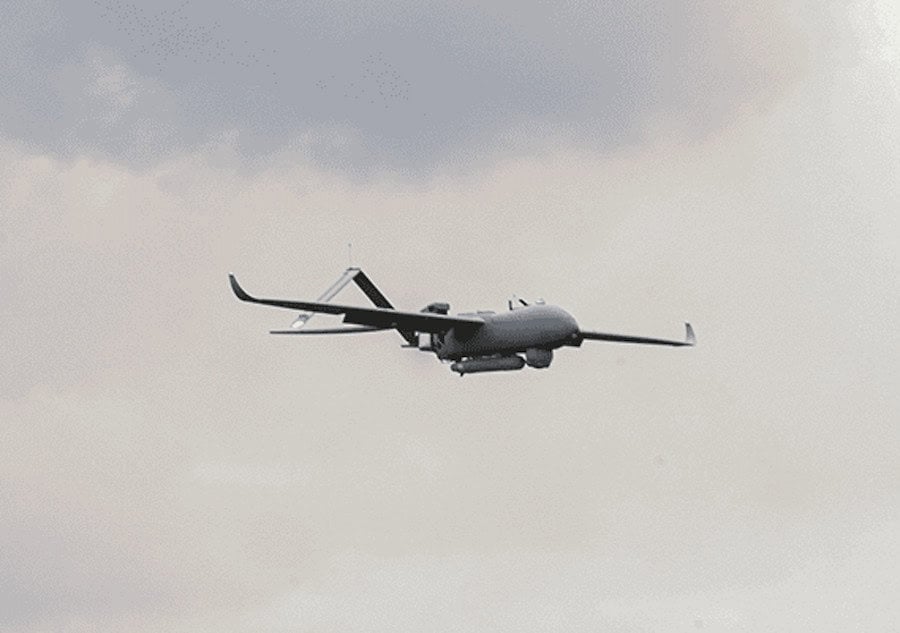

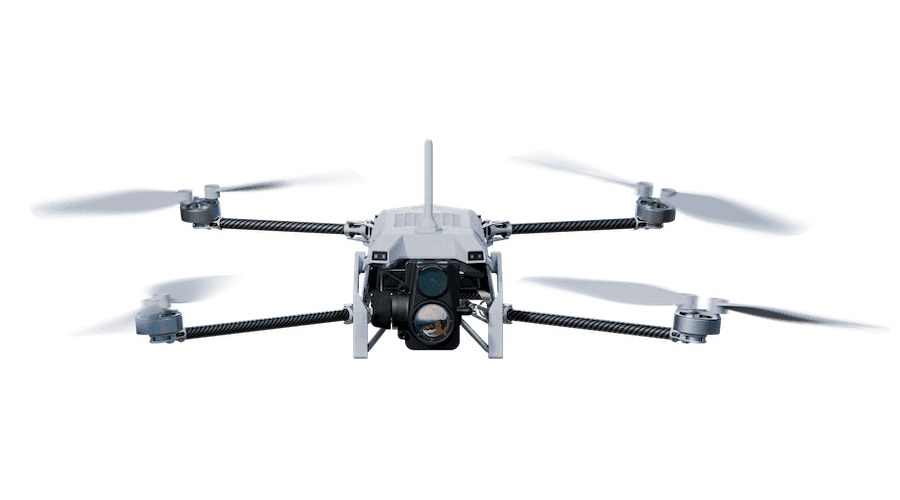
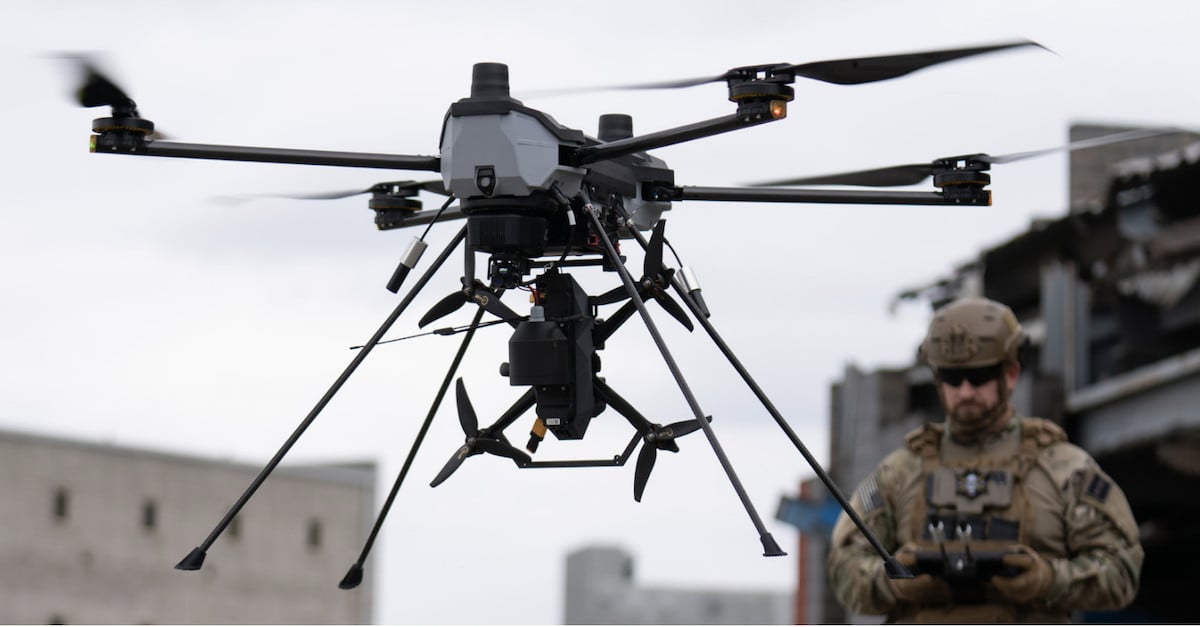
Compact UAS & Heavy-Lift Rotorcraft for Military ISR & Logistics Operations

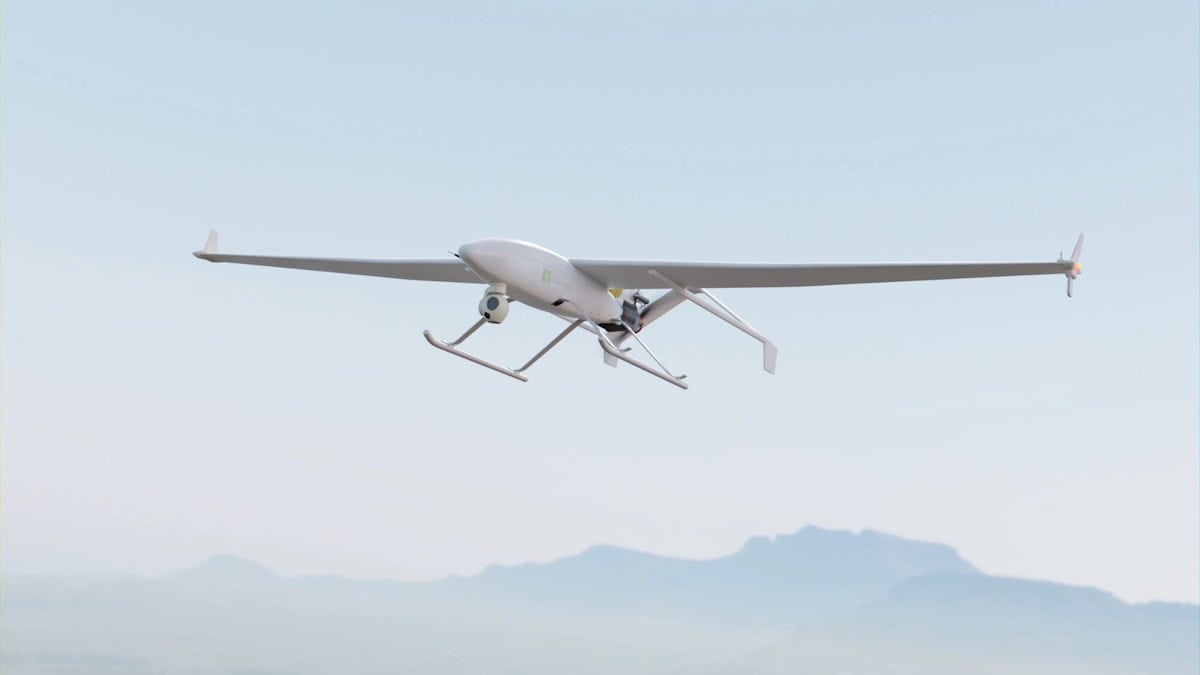
Developing & Delivering A Range of Uncrewed Air Systems for Both Military & Commercial Applications

Autonomous UAV Platforms & Drone Services for Military, Government, Security & Emergency Response

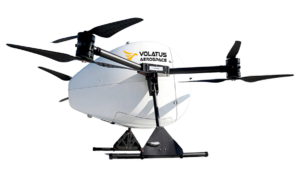
Unmanned Aerial Systems for Military & Defense Applications, from Mission-Critical ISTAR to Battlefield Logistics

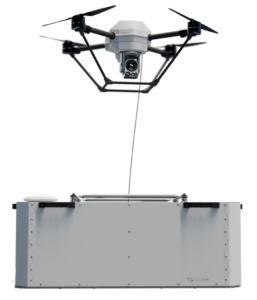
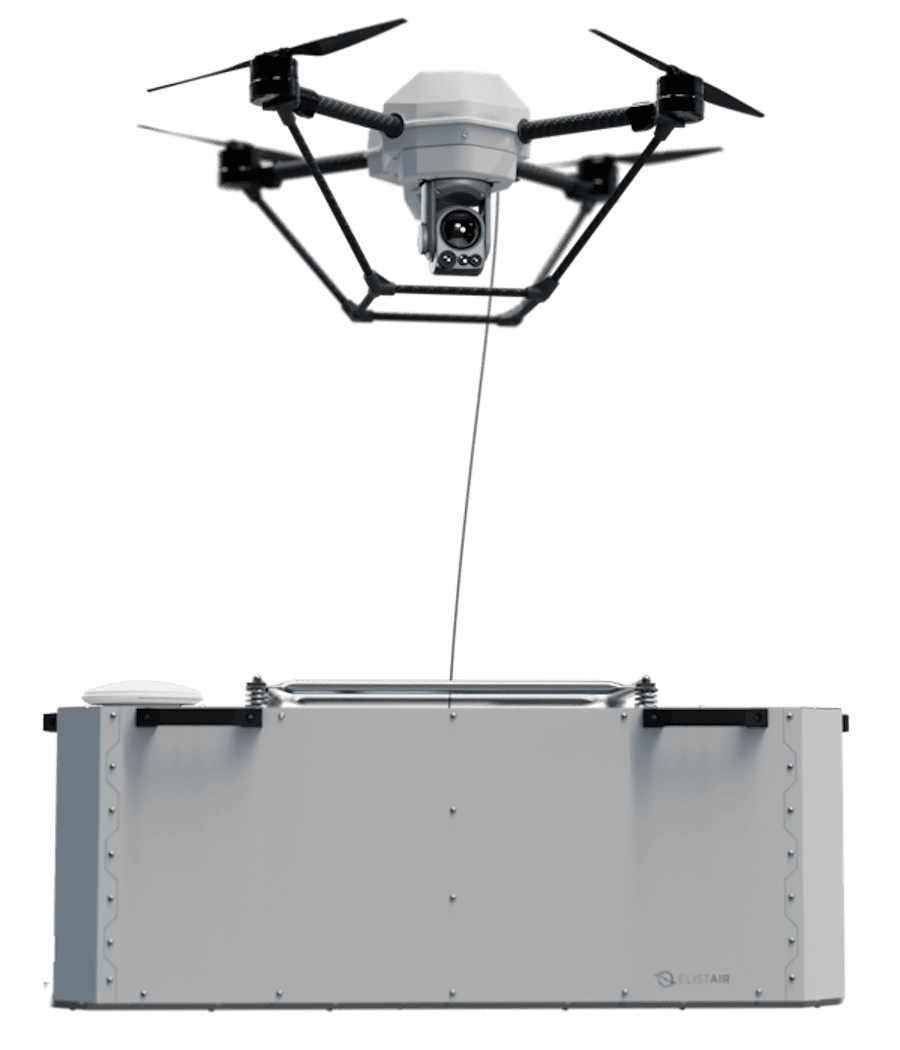
Cutting-Edge Tethered Drone Solutions for Mission-Critical Defense & Security Applications


Cutting-Edge Defense Technologies Empowering The Warfighter On The Modern Battlefield

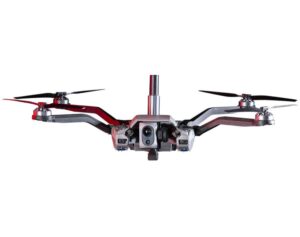
Advanced American-Made Drone Technologies for Aerial ISR (Intelligence, Surveillance & Reconnaissance)

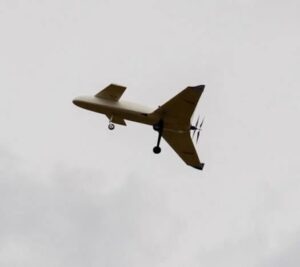
Manufacturer & Systems Integrator of Deployable Systems for Military, Government & Security Applications

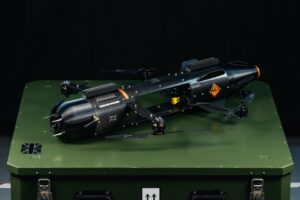
UK Sovereign Autonomous Uncrewed Systems for Defence, Security & Critical Infrastructure

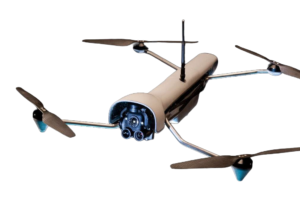
Mission-Ready, Blue UAS-Cleared & NDAA-Compliant Platforms for Defense, Government, and Security Operations

Advanced Tethered Drone Systems for Military, Government & Security Applications

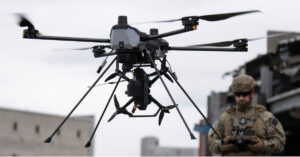
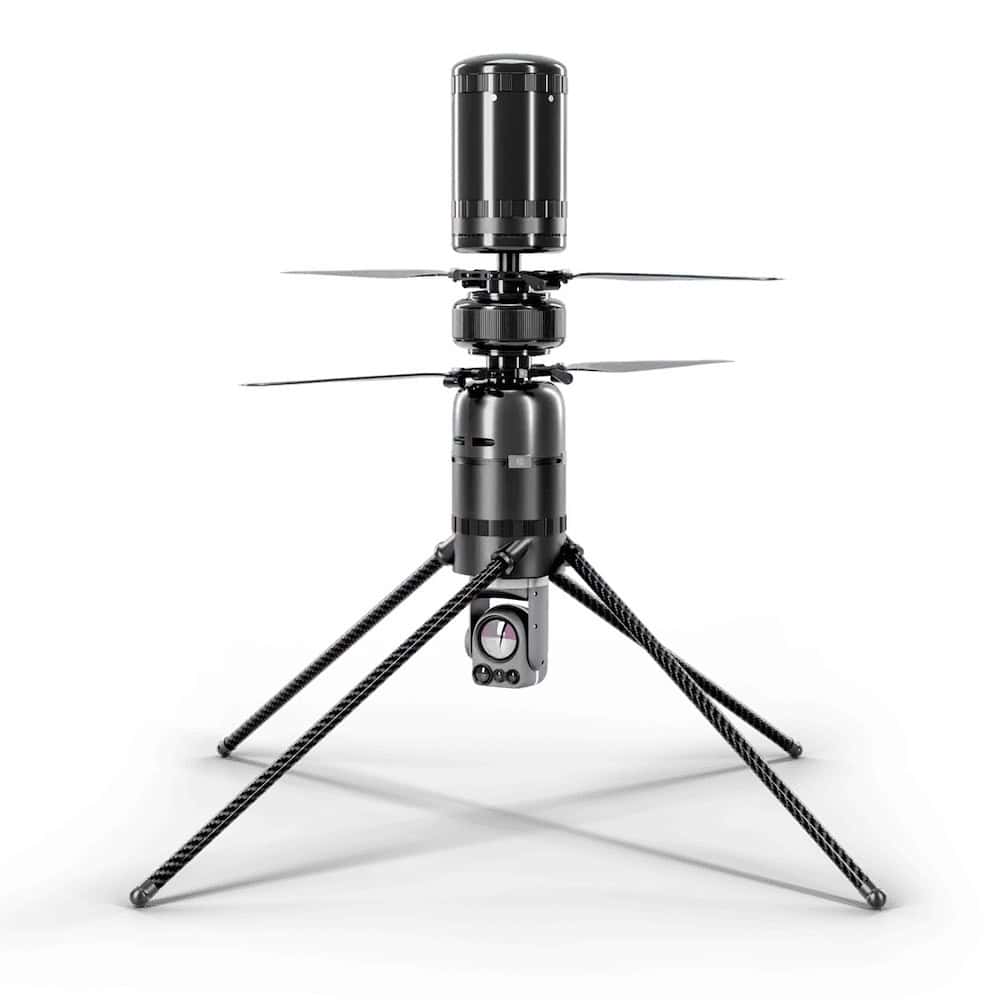
Tactical UAS Platforms for Mission-Critical Military, Defense & Law Enforcement Applications

If you design, build or supply Military UAS, create a profile to showcase your capabilities and connect with visitors who have an active requirement for your solutions.

Military UAS (unmanned aerial systems), also known as RPAS (remotely piloted aircraft systems) or tactical UAS, are utilized by armies, navies, air forces and special forces for a wide range of roles.
They provide a number of advantages over conventional aircraft, including rapid deployment, cost-effectiveness, and reduced risk and lower cognitive burden for operators. Tactical UAS may be directly controlled by a pilot or may feature a certain level of autonomy. Regulations state that any UAV used for deploying munitions must do so with a human in the loop.
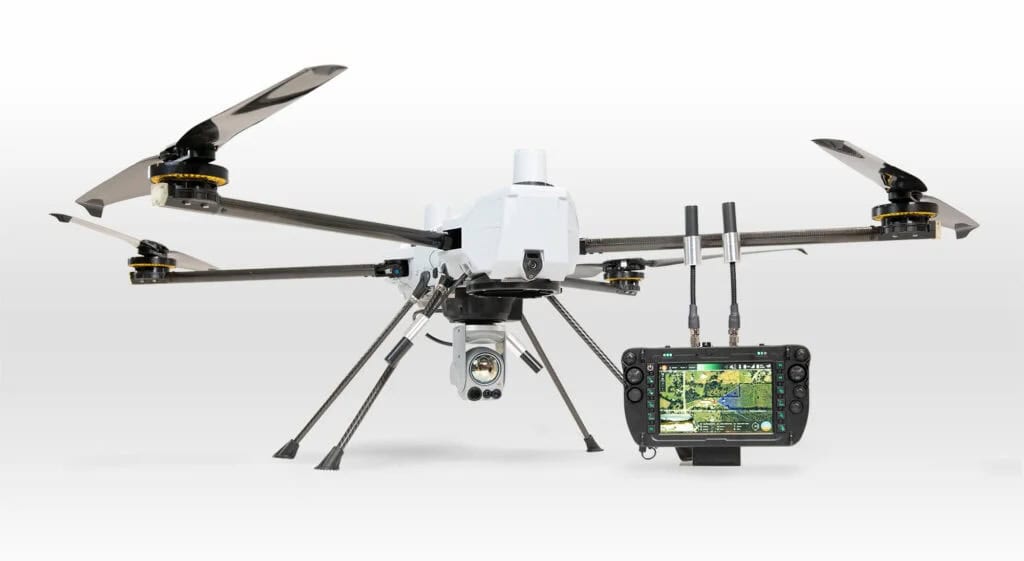
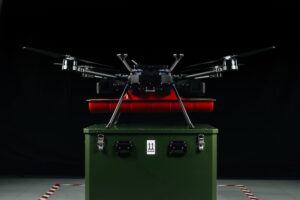
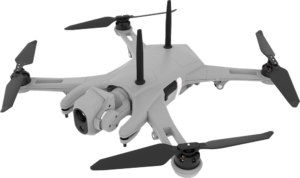
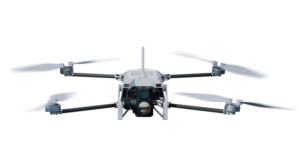
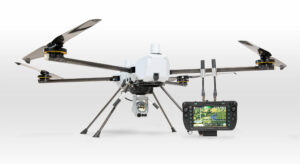
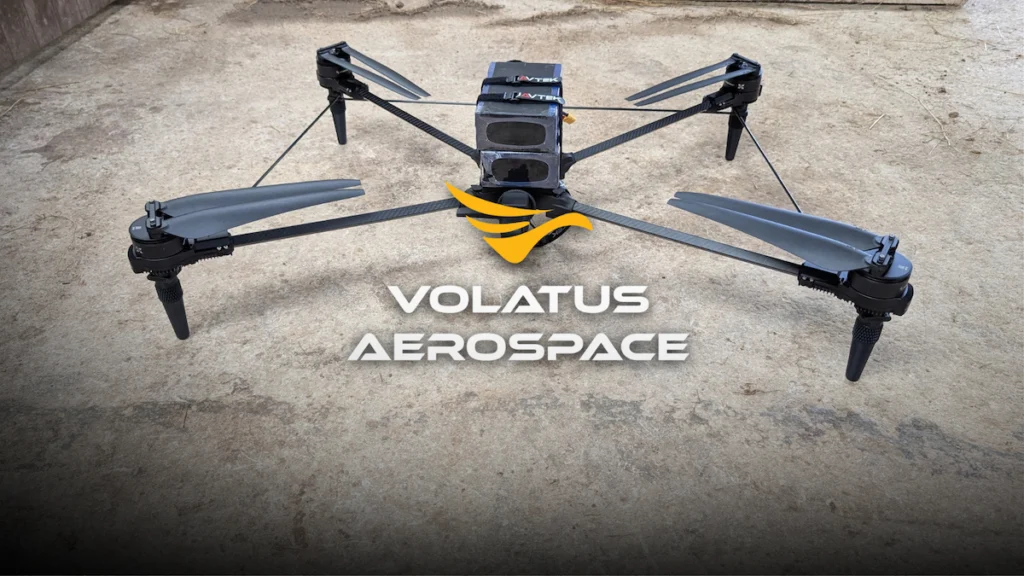
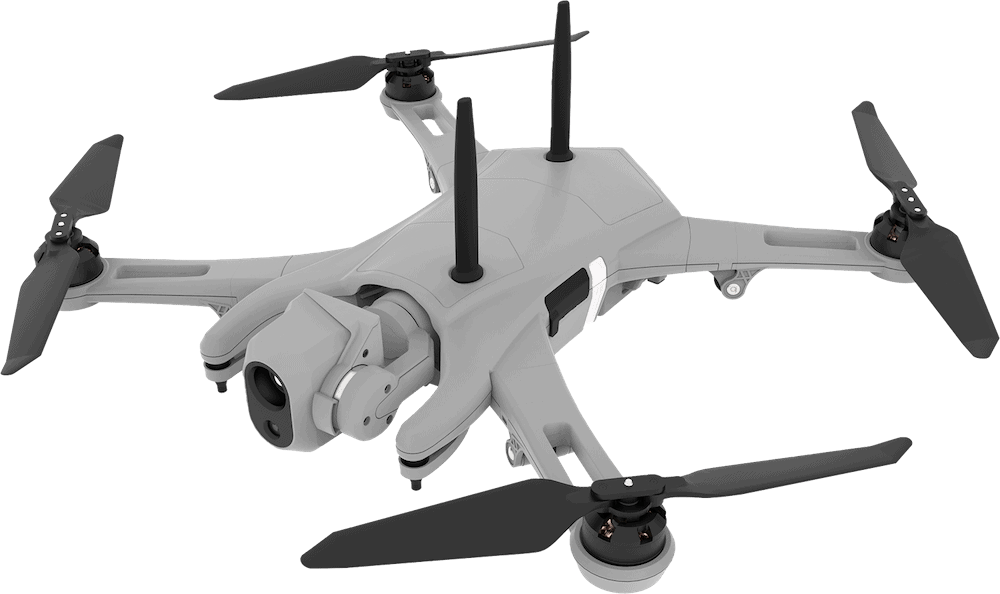
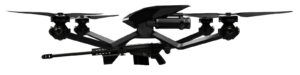
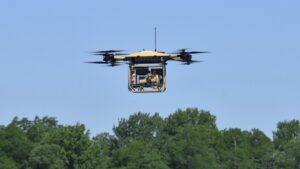
C100 Heavy-Lift Quadcopter by Performance Drone Works
UAS may be deployed by military forces for a wide range of applications. Some of the most common include:
Drones of all sizes are ideal for capturing vital information that can be used for situational awareness and decision making, typically using high-definition visible and thermal cameras.
Some unmanned aerial systems can be equipped with munitions that can be used to engage a variety of targets, including ground troops, vehicles, other aircraft, and buildings. Specialized loitering munitions have been developed that are essentially a single-use drone with a built-in warhead.
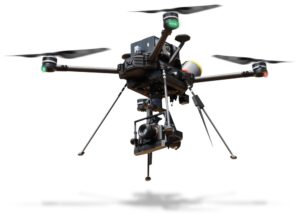
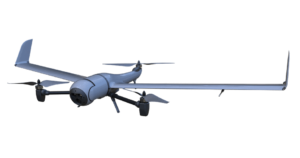
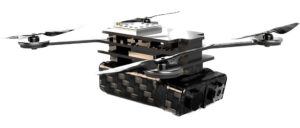
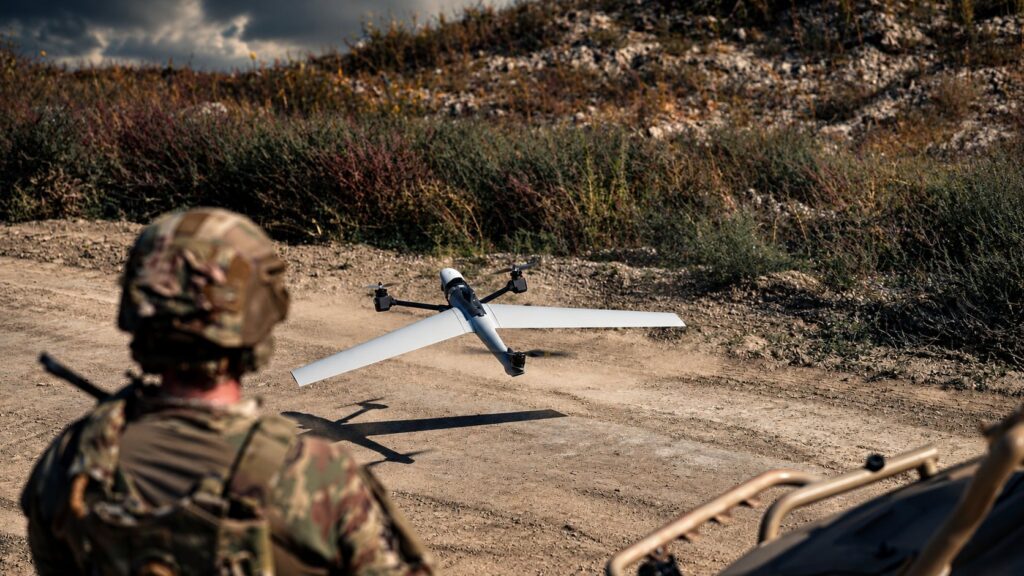
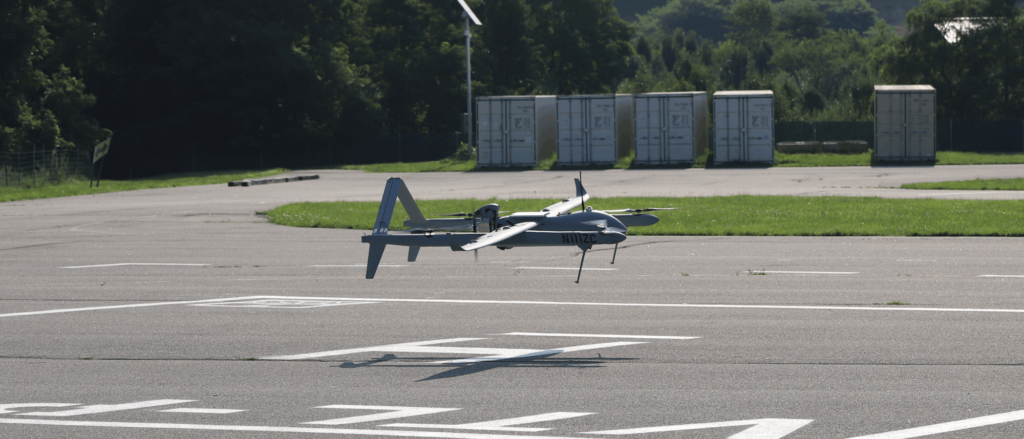
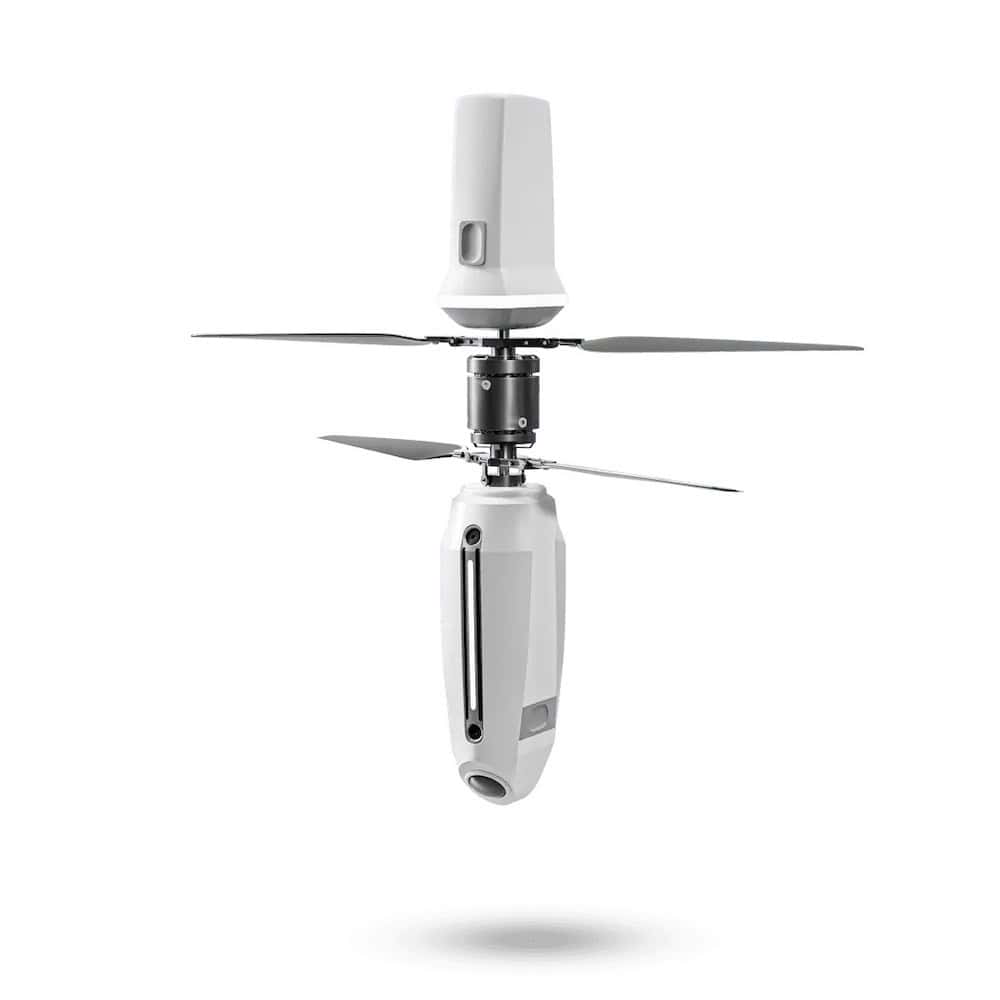
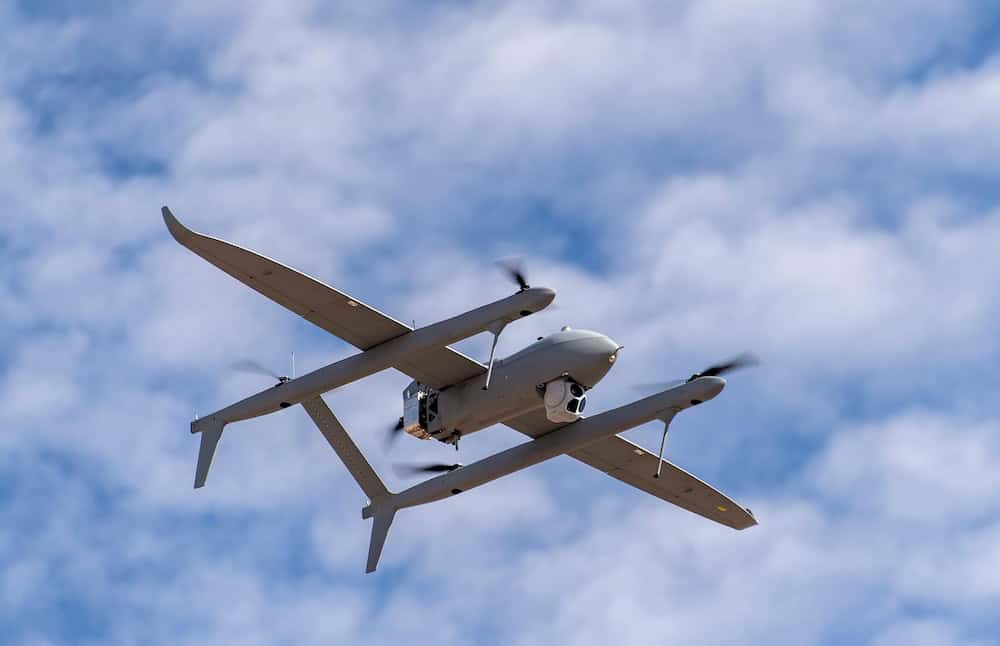
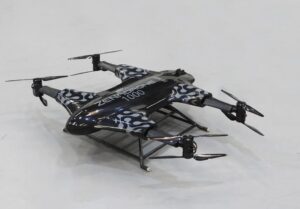
Sensus M VTOL Multirotor Drone by ISS Aerospace
UAS platforms may use specialized payloads that can be used to disrupt or jam enemy communications and radar, intercept information transmitted wirelessly, or protect friendly forces from these types of attacks.
Heavy-lift military UAS can be used to transport and deliver essential cargo including ammunition, medical supplies, and spare parts. Medevac drones have also been developed that can be used to extract a casualty from the battlefield.
Military UAS may operate LOS (line-of-sight) or BLOS (beyond line-of-sight), depending on the mission requirements, environment, and abilities such as endurance and range.
They may utilize a number of different command, control and communications methods – smaller UAS platforms typically use RF (radio frequency), while larger UAS may have the size and payload capacity to allow them to host satellite communications (SATCOM) terminals, allowing them to be operated from almost anywhere in the world.
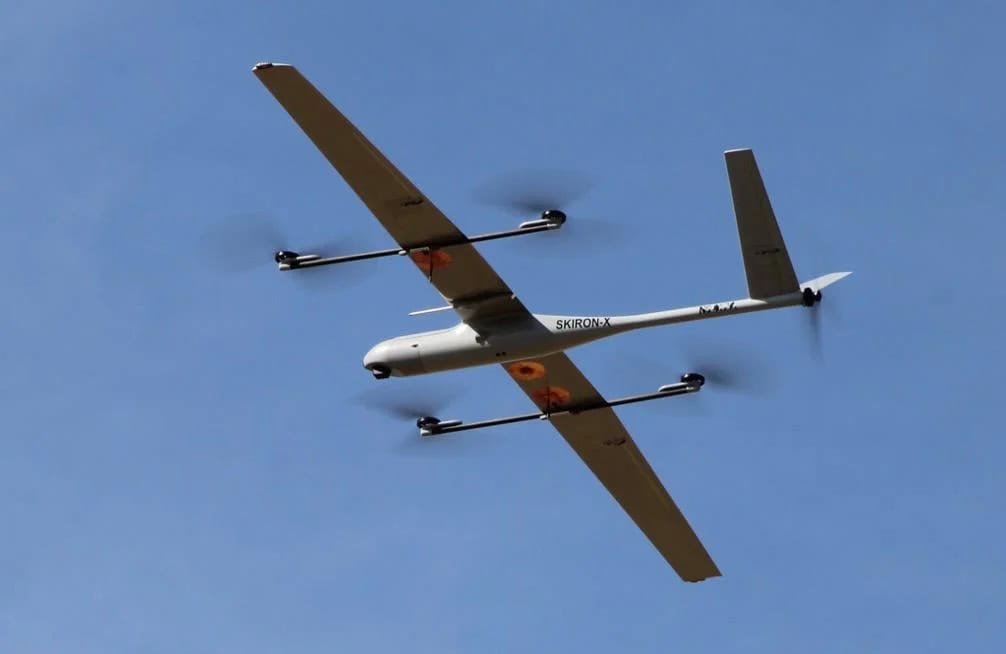
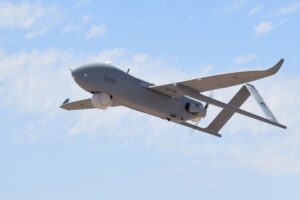
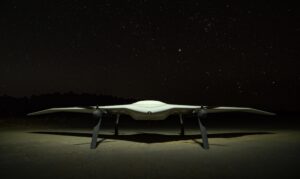
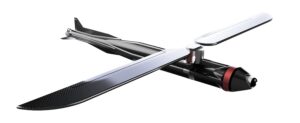
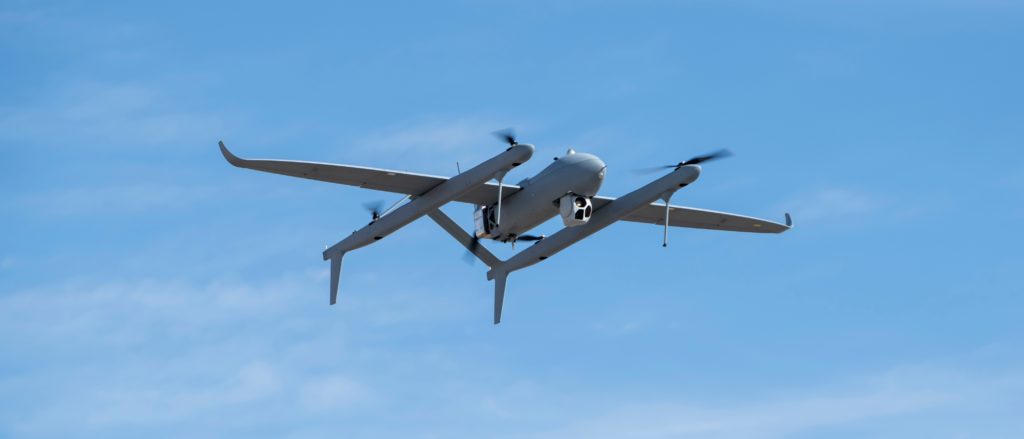
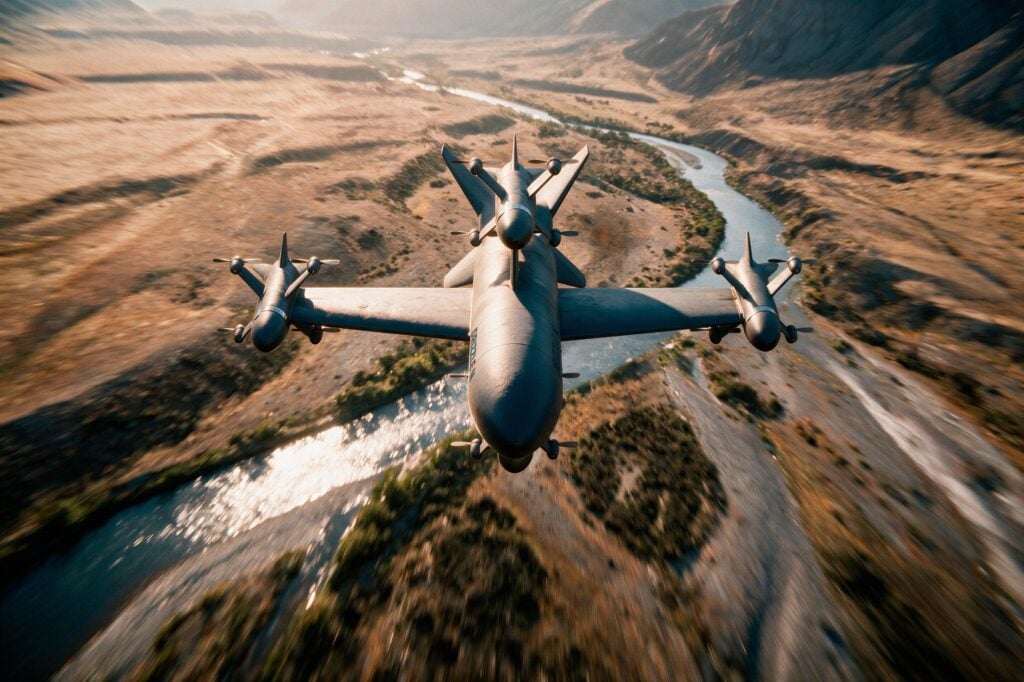
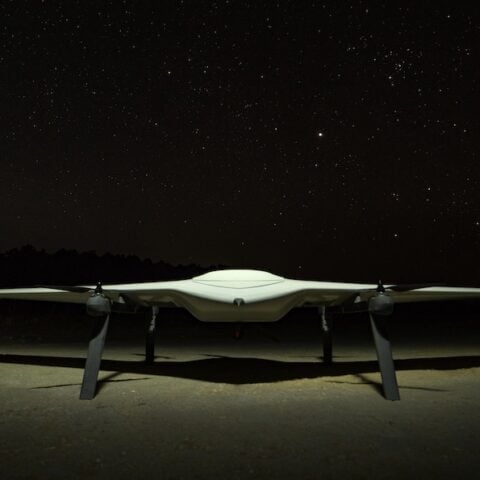
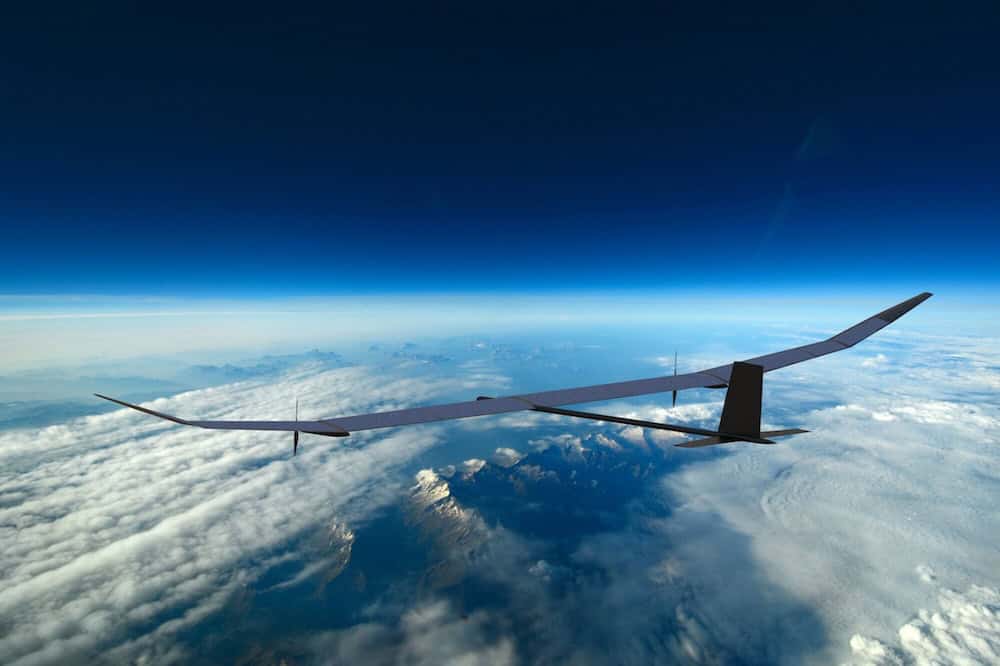
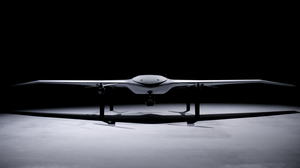
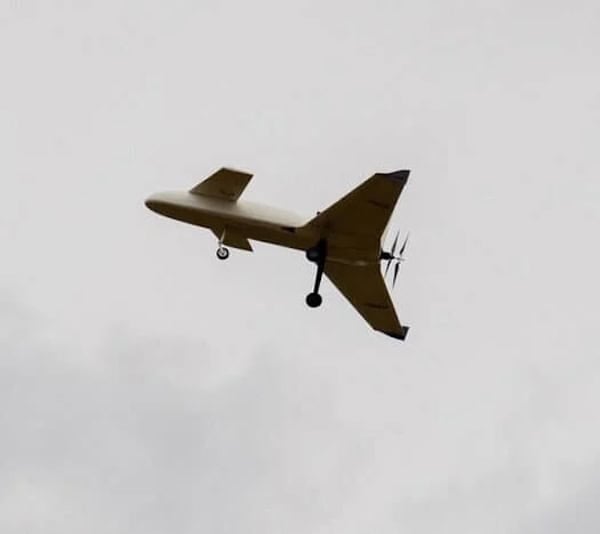
Military UAS Skiron X by Aurora Flight Sciences
There are many different types of UAS, ranging from palm-sized battery-powered quadcopters to fixed-wing aircraft with wingspans of over a hundred feet and powered by turbojet engines.
Military UAS can be categorized in a number of ways – two common systems include Classification by NATO and the U.S. Department of Defense (DoD). Both of these use maximum takeoff weight (MTOW) as a basis, with the lower group or class numbers representing lower weights.
These are small drones, weighing under 150 kg, designed for short-range missions like surveillance, reconnaissance, and infantry support. Their range is typically under 50 km, and they provide real-time tactical data in the field. These systems are often deployed quickly and used in small-unit operations for situational awareness.
Tactical UAS, ranging from 150 to 600 kg, are built for medium-range missions, up to approximately 200 km. They focus on battlefield surveillance, tactical mapping, target acquisition, and reconnaissance, providing real-time intelligence to tactical commanders. These drones offer more endurance and payload capacity than Class I systems and are key for communications relay and operational support in active combat zones.
The largest category includes Medium-Altitude Long-Endurance (MALE) and High-Altitude Long-Endurance (HALE) drones, weighing over 600 kg. These UAS are used for long-range missions like strategic intelligence, surveillance, and precision strikes. MALE systems typically fly at altitudes of up to 30,000 feet, with endurance of over 24 hours, while HALE drones exceed these altitudes and offer flight durations of 30 hours or more, serving in strategic and combat roles.
These are small systems, weighing less than 20 lbs (9 kg), designed for operations below 1,200 feet above ground level (AGL). They typically fly at speeds under 100 knots and are used for short-range reconnaissance, surveillance, and light payload delivery. Examples include hand-launched drones like the RQ-11 Raven. Group 1 UAS are often employed by ground troops for rapid situational awareness in combat zones.
Weighing between 21 and 55 lbs (9–25 kg), Group 2 UAS operate below 3,500 feet AGL and maintain speeds of less than 250 knots. These drones are larger and can carry more sophisticated sensors than Group 1. They are frequently used for extended surveillance and tactical data gathering.
Group 3 systems, weighing between 56 and 1,320 lbs (25–600 kg), operate below 18,000 feet and at speeds under 250 knots. These UAS are capable of medium-range missions, supporting tactical and operational reconnaissance. Their size and endurance make them suitable for battlefield intelligence and communications support. An example of this category is the RQ-7 Shadow.
With a weight exceeding 1,320 lbs (600 kg) and no ceiling on operating altitude, Group 4 UAS fly at speeds below 250 knots. These drones are typically used for long-duration missions, offering persistent surveillance, reconnaissance, and strike capabilities. Systems like the MQ-1 Predator fall into this category, capable of carrying munitions for precision strikes in addition to ISR (Intelligence, Surveillance, Reconnaissance) roles.
The largest category, Group 5 UAS weigh more than 1,320 lbs (600 kg) and have no limits on operating altitude or speed. They include platforms like the MQ-9 Reaper and RQ-4 Global Hawk, which are designed for high-endurance, high-altitude operations. These systems are used for strategic intelligence, surveillance, and armed combat missions, and can remain in the air for extended periods, providing critical battlefield and strategic intelligence.


 Searching Companies & Products