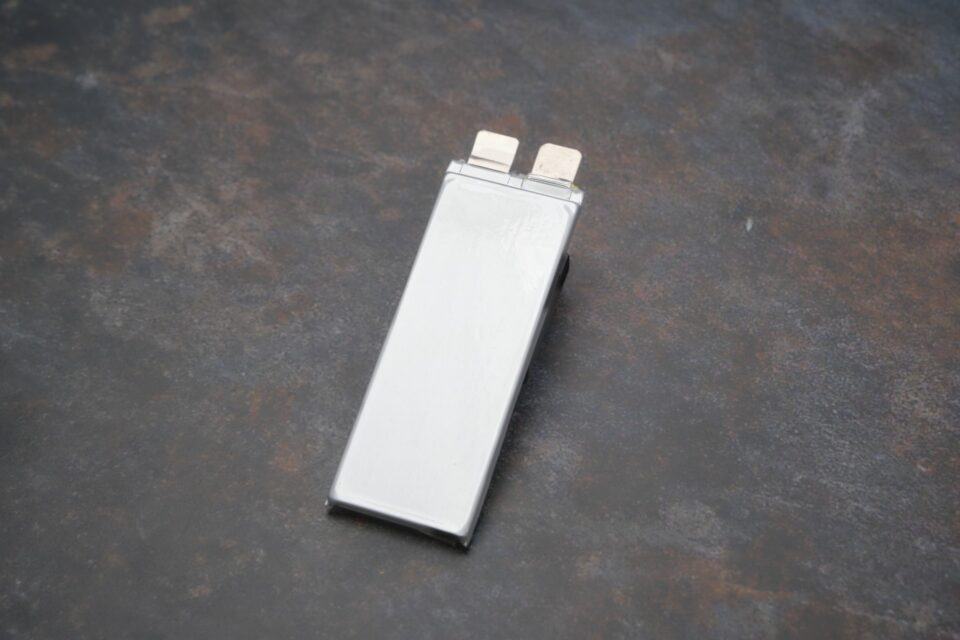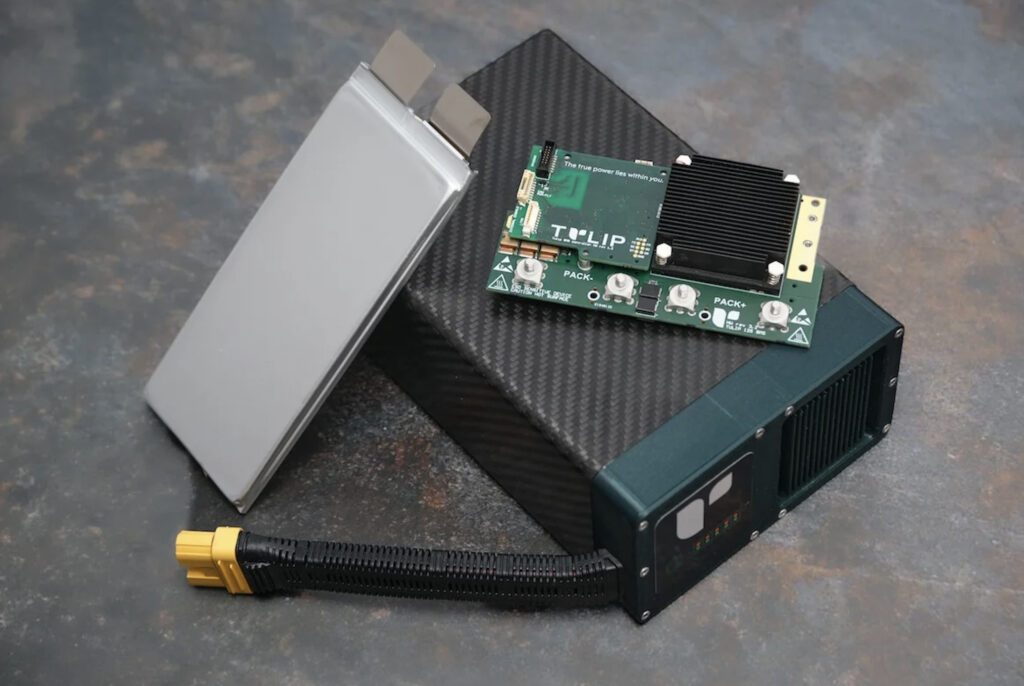




Tulip Tech and Factorial Energy have established a strategic commercialization framework after initial customer flight testing of Factorial’s solid-state and lithium-metal cells yielded more than a 30% increase in flight range prior to any engineering optimization.
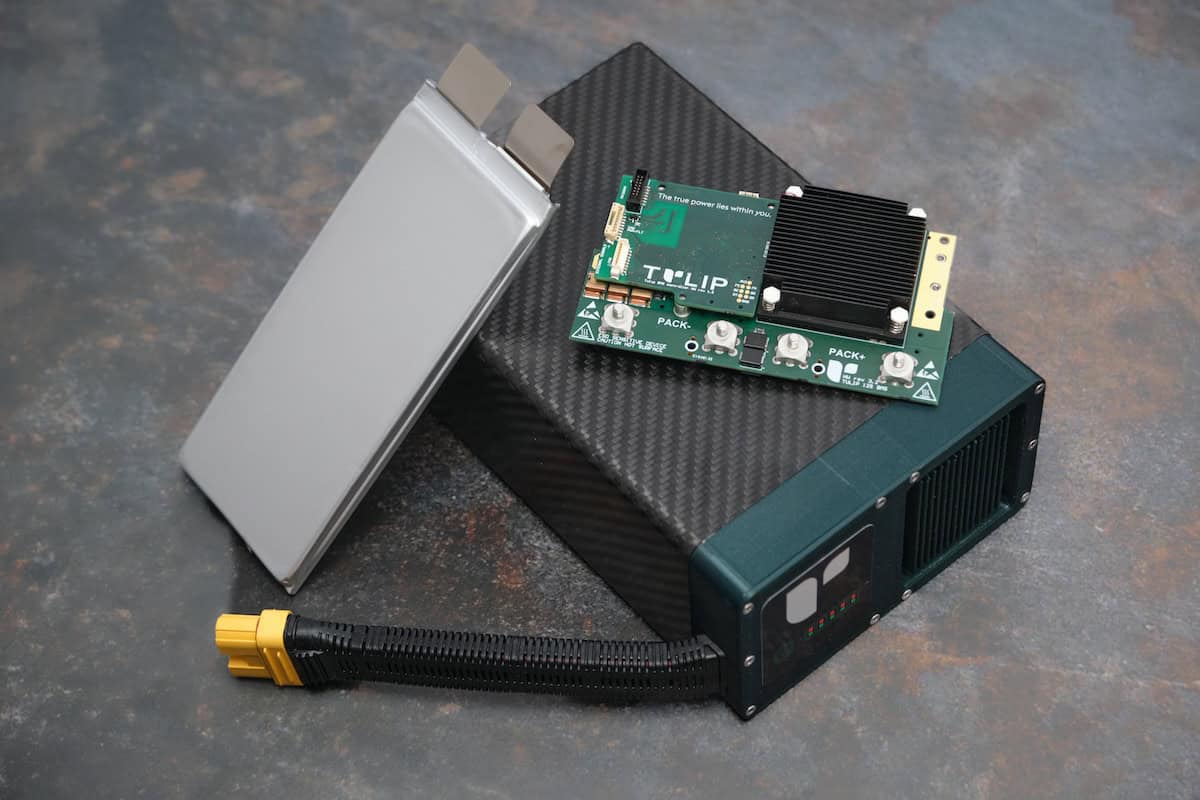
The agreement addresses a widespread limitation in unmanned systems, where standard off-the-shelf battery packs rated around 250 Wh/kg frequently prevent platforms from achieving their engineered performance. Tulip Tech closes this gap by evaluating operating profiles, duty cycles, environmental conditions, form factors, timelines, and production volumes before selecting cells from a database of over 50 suppliers or developing custom solutions.
The formal agreement between the companies covers joint customer engagement and a roadmap toward volume production.
Bernd Rietberg, Founder and CEO of Tulip Tech, commented, “Battery performance is the ceiling on almost every drone mission, and Tulip’s job is to raise that ceiling by matching each mission to the best cell technology available. In this program, Factorial’s solid-state and lithium-metal platform delivered more than a 30% range gain in initial testing — a standout result that has earned its place in our portfolio. We’re excited to move from testing into commercialization, and to keep pushing UAV performance further alongside all of our cell partners.”
Siyu Huang, CEO of Factorial, added, “Tulip has been an excellent partner to scale together with speed and reach. Last year our automotive cell platform powered a historic 1,200+ kilometer drive on a single charge. This year it’s the sky. Our first long distance flight delivered more than 30% longer range. Where lithium-ion runs out of road, lithium metal is just taking off.”
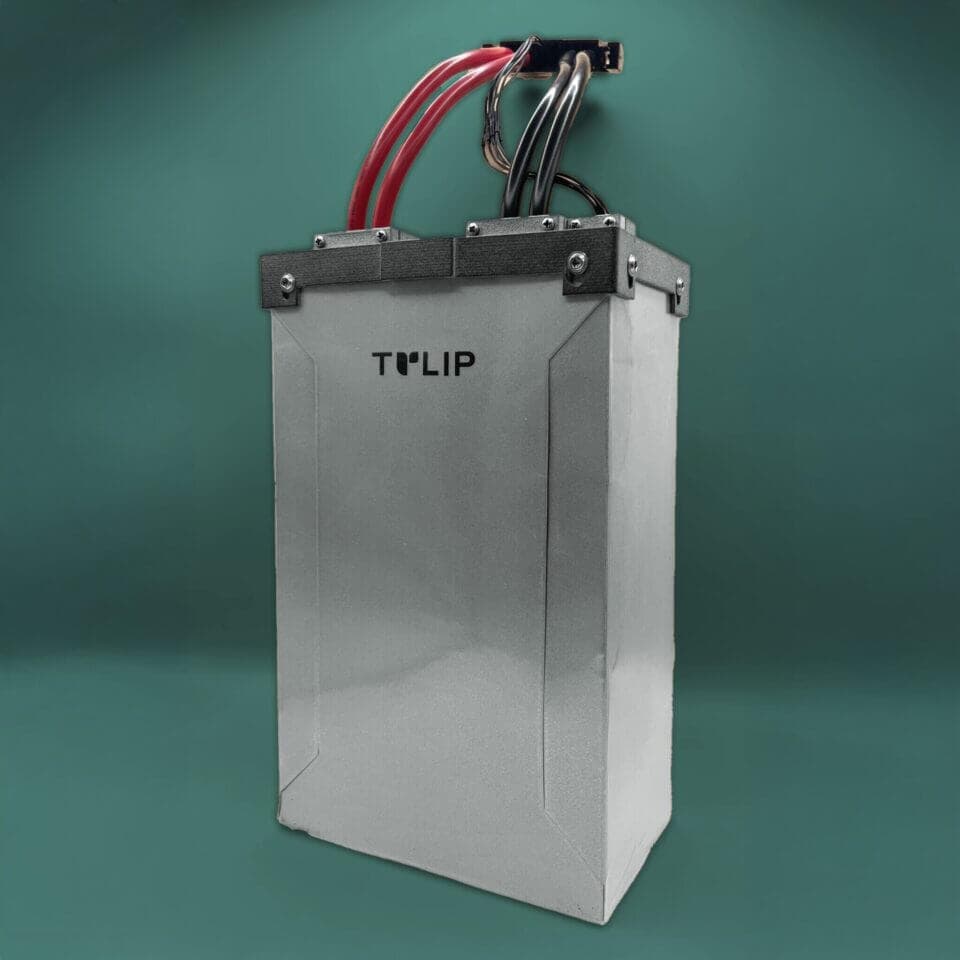
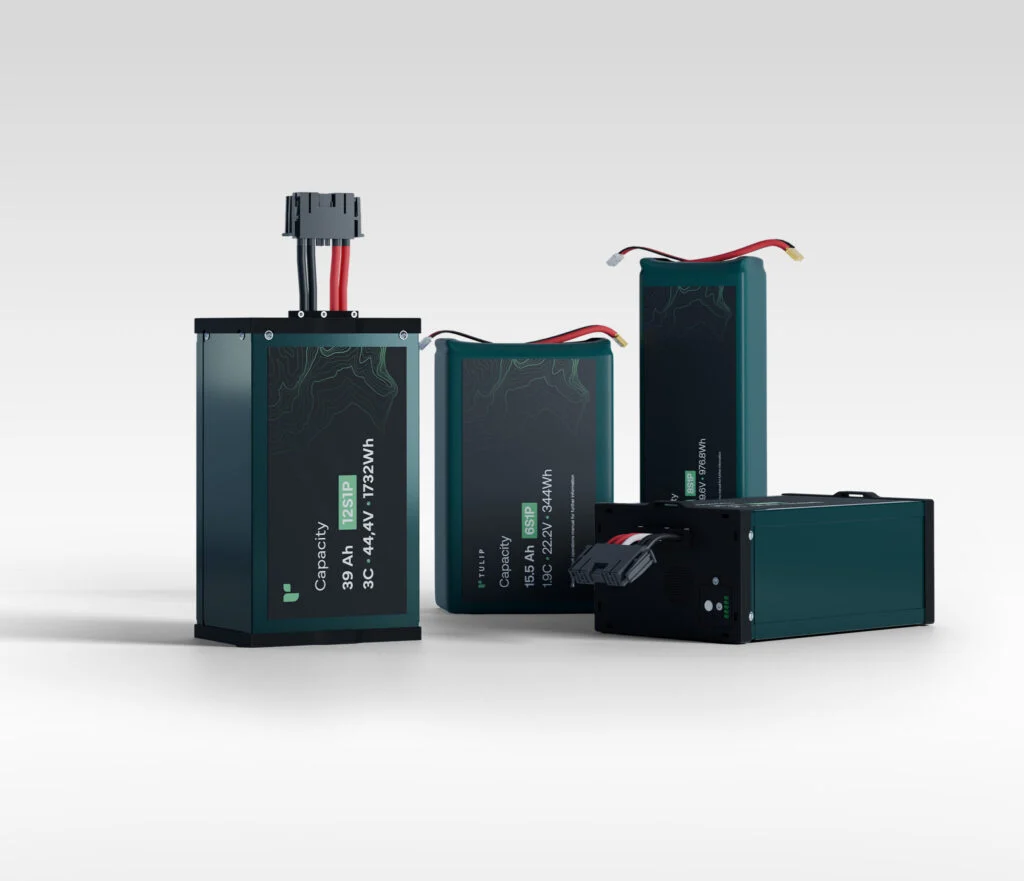
Incorporating Factorial’s chemistry expands the range of mission profiles Tulip Tech can address. This mission-tailored integration approach has already produced measurable field gains across several platforms, including extending the DeltaQuad Evo flight time to eight hours using a 450 Wh/kg pack without hardware modifications, increasing the Acecore Noa flight duration by 63% via a retrofittable 39 Ah lithium-metal pack at 360 Wh/kg, and increasing underwater battery life for Lobster Robotics by 60% within the same hull dimensions.
Tulip Tech produces and delivers more than 100,000 battery packs monthly, serving over 250 defense, security, and commercial customers, including NASA. Each pack assembled in the Netherlands is validated individually for voltage, internal resistance, DCIR uniformity, and capacity—maintaining a field failure rate below 1%. As procurement rules tighten across Europe and the United States, the integration of Factorial’s chemistry into Tulip Tech’s compliant supply chain allows original equipment manufacturers to achieve significant density gains while adhering to strict origin requirements.