



Accelerate Defense Modernization through Strategic Sourcing
Discover cutting-edge solutions from leading global suppliers
Defense Advancement’s most-read articles in July 2026 highlighted reader interest in technologies supporting mission capability across air and maritime operations, autonomous platforms, and defense robotics.
Rather than centering on a single domain, the month’s leading stories reflected a broad mix of Intelligence, Surveillance & Reconnaissance (ISR) payload integration, tethered drone operations from Unmanned Surface Vessels (USVs), edge AI hardware for autonomous platforms, anti-submarine RPAS concepts, and tactical drone testing under the Drone Dominance Program.
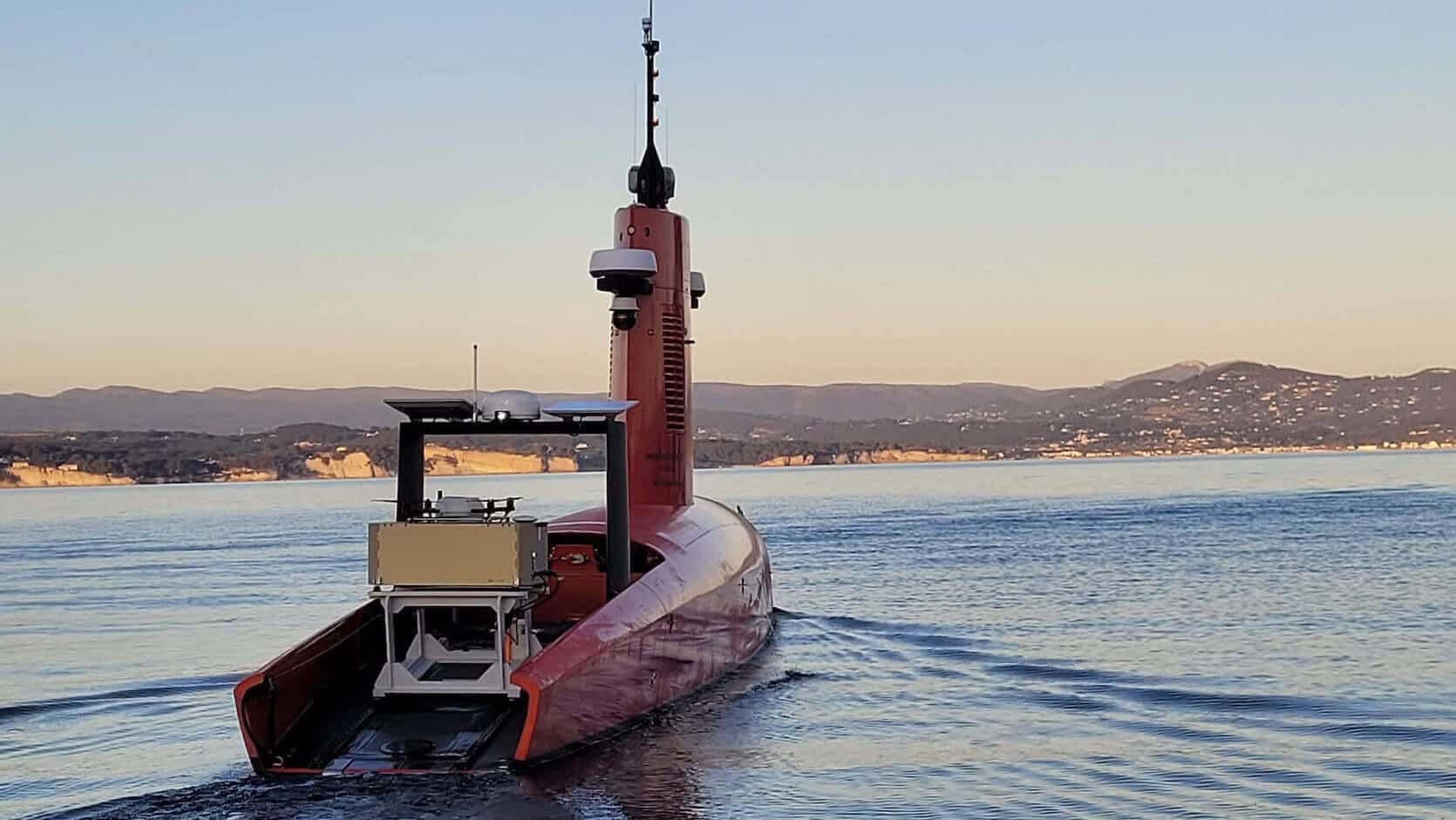
At the top of July’s readership, Elistair and Exail partnered to integrate an automated tethered drone system onto Exail’s DriX USV.
The integration pairs Elistair’s Khronos DroneBox with the USV, enabling the tethered drone to operate from the vessel’s deck and rise to 60 meters for up to 24 hours at a time. Designed to extend the surveillance horizon beyond standard deck-level sensors, the system streams live encrypted video over a secure data link and is suited to coastal surveillance, port and critical-infrastructure protection, counter-trafficking operations, and search and rescue missions.
Modular ISR integration also drew strong interest as CENTUM signed a collaboration agreement with CAVOK UAS to support the integration of CENTUM ISR systems into CAVOK UAS VTOL platforms.
Signed during Eurosatory, the agreement focuses on combining CENTUM’s signals intelligence capabilities with optronic payloads for surveillance and defense missions. The collaboration will support modular configurations that allow ISR systems and payloads to be adapted to mission requirements, including rapid deployment, surveillance, detection, and the integration of multiple sensors on a single light tactical unmanned platform.
On the autonomous systems side, ARK Electronics introduced the ARK Jetson PAB V3 for next-generation defense robotics platforms.
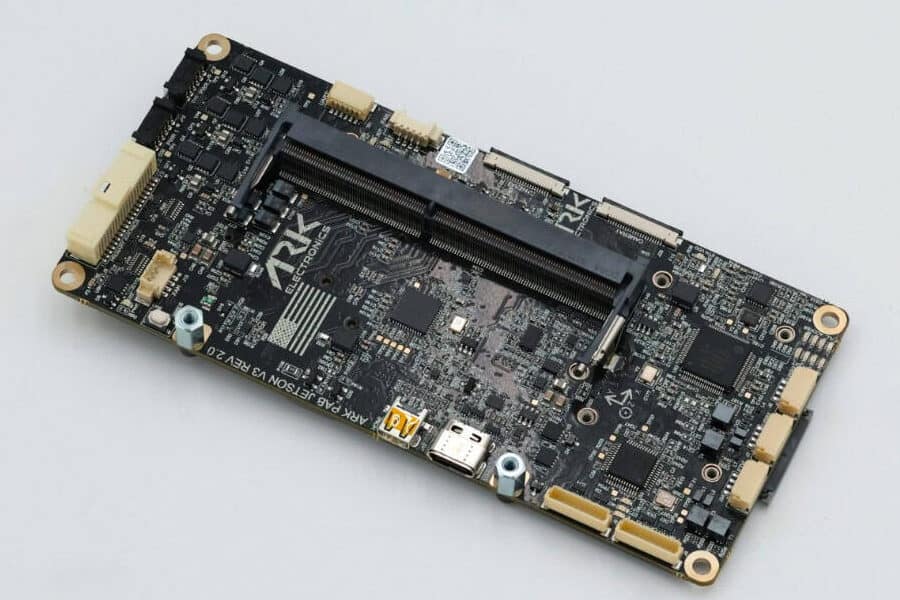
Built around NVIDIA Jetson Orin NX and Orin Nano modules, the Pixhawk Autopilot Bus carrier board is designed to simplify integration of edge AI computing and flight control systems for autonomous platforms. The NDAA-compliant board is engineered and manufactured in the United States, weighs 66 grams, and supports connectivity including Gigabit Ethernet, multiple USB interfaces, CAN, SPI, I2C, MIPI CSI camera connections, and M.2 expansion for storage and wireless communications.
In the maritime aviation space, Airbus signed a Memorandum of Understanding with Kawasaki Heavy Industries to explore opportunities for a Japanese anti-submarine warfare variant of the U950 Eurodrone.
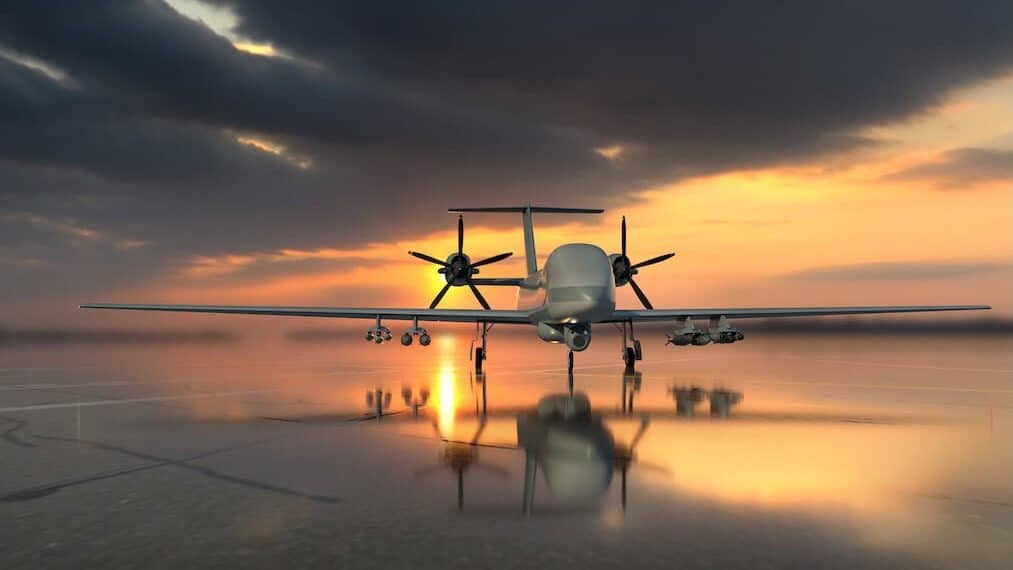
The companies will assess options for the design, development, and commercialization of a future Japanese maritime version of the Large Long Endurance Remotely Piloted Aircraft System. Future discussions are expected to cover possible configurations, Japanese sensor and effector integration, and potential workshare for Japanese industry during production and sustainment.
Completing July’s top five, Teal Drones, a subsidiary of Red Cat Holdings, advanced to Gauntlet II of the Drone Dominance Program after completing the Phase 2 Qualifier.
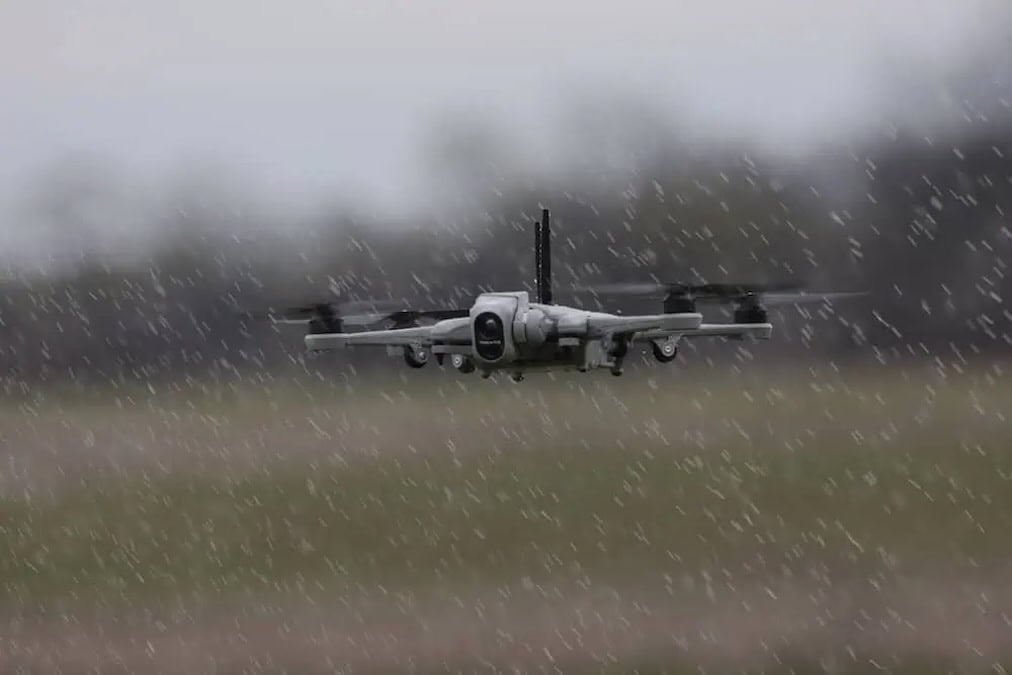
The company is among 19 companies invited to the next evaluation, scheduled to take place at Fort Carson, Colorado, in August 2026. Its progression follows a Camp Grayling qualifier where 49 companies were invited to compete and approximately 79 unique drones were tested across Long Range Strike and Tactical Assault in Close Quarters mission areas.
July’s leading stories centered on technologies being readied for specific defense roles, from ISR payload integration and persistent USV-based surveillance to autonomous platform hardware, proposed anti-submarine RPAS configurations, and tactical drone evaluation.