Accelerate Defense Modernization through Strategic Sourcing
Discover cutting-edge solutions from leading global suppliers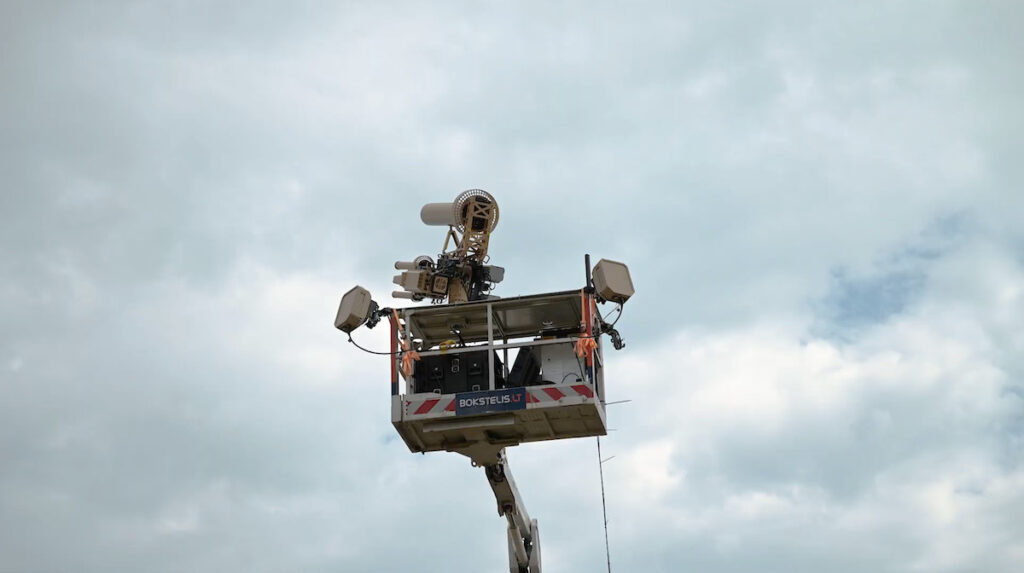
Military operators from Allied nations have evaluated SPX Communication Technologies’ BlackTalon Ecosystem counter-uncrewed systems capability during NATO’s Baltic TRUST 26 exercise in Riga, Latvia.
The exercise forms part of NATO Allied Command Transformation’s Layered Counter Unmanned Aircraft Systems Initiative (LCI-X) programme of operational experimentation, bringing Allied operators together with industry. Serving as part of the Crucible Series—following previous trials in Romania and Finland—Baltic TRUST 26 focuses on moving beyond baseline technical connectivity to evaluate whether emerging systems can deliver tangible battlefield effects, support command decisions, share information, and enable coordinated counter-UAS action in realistic, threat-informed environments.
Developed by Enterprise Control Systems (ECS), part of the SPX Communication Technologies Group, BlackTalon Ecosystem is a fielded open-architecture counter-UAS system. It integrates seamlessly across multiple sensor types, including radar, electro-optical/infrared (EO/IR), passive radio frequency, acoustic sensing, and electronic attack, allowing military forces to quickly add or adapt capabilities as aerial threats evolve rather than redesigning the system architecture.
Operational challenges in Latvia put that adaptability to the test. Because the Latvian training area is heavily forested, operators raised the BlackTalon sensor suite significantly to establish a clear line of sight over the 30-meter-plus Baltic pine canopy. During the exercise, BlackTalon was tasked with receiving and fusing sensor data streams from six participating companies alongside its own, successfully orchestrating data to serve the active mission.
Graeme Forsyth, counter-UxS Product Manager at ECS, comments, “Drone activity across the Baltics and Eastern Europe has emerged as a daily operational reality, from incursions over borders to strikes on energy sites. The nations are building capability now, and our job is to make sure they can do that with systems that work reliably today, and can adapt quickly to new threats as they emerge.”
The themes running through the exercise reflected NATO’s wider position that no single organization can deliver counter-UAS capability alone. Interoperability, integration into wider air command-and-control architecture, and close collaboration between industry and military operators remain essential priorities to successfully mitigate modern threats.
Captain Joe Pisoni, United States Navy, Director of LCI-X, says, “Technical interoperability is only the starting point. The real test is whether military and industry systems can work together in the field, support commanders and give operators the information they need at the speed of the fight. Baltic TRUST 26 allows us to take promising technologies beyond connectivity and prove how they contribute to integrated battlefield capability.”
Forsyth adds, “Interoperability and integration are how this threat gets beaten. BlackTalon Ecosystem is built to integrate best-in-class capability from a range of providers. As well as being operationally proven, exercises like BATT26 get BlackTalon Ecosystem into the hands of people facing the threat every day.”
Following Baltic TRUST 26, the BlackTalon Ecosystem remains in the region, with further demonstrations and army trials planned across the Baltics and Eastern Europe over the coming months. Participation in BATT26 does not constitute NATO endorsement of SPX Communication Technologies, its products, or its technology.