Accelerate Defense Modernization through Strategic Sourcing
Discover cutting-edge solutions from leading global suppliers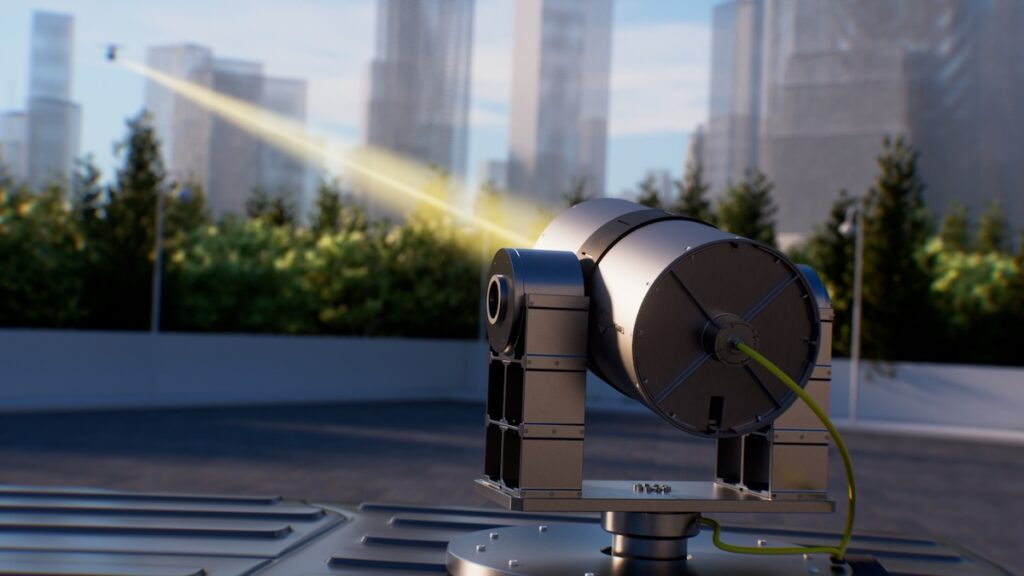
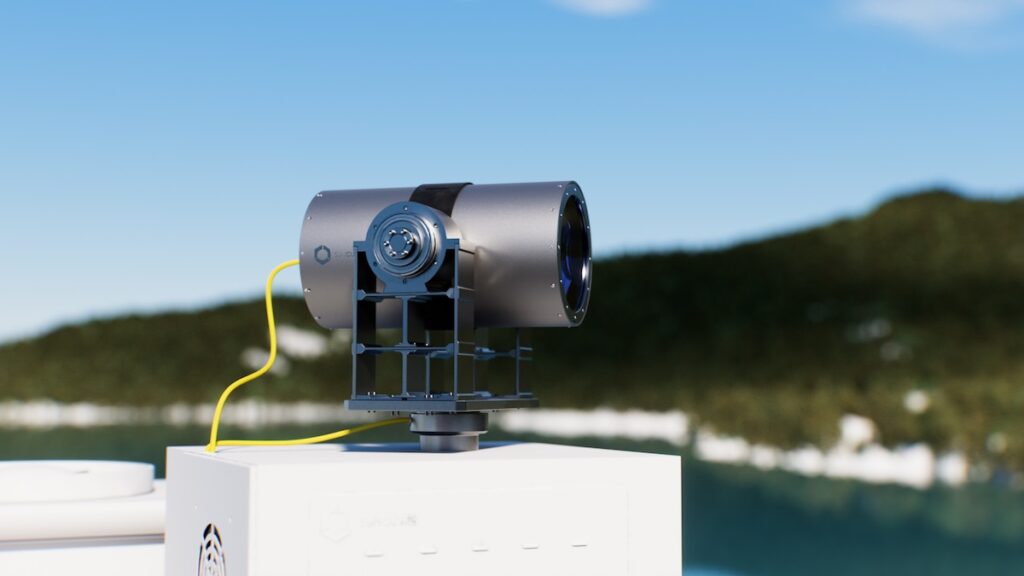
Deep-tech startup SunCubes has deployed SimScale’s AI-native cloud simulation platform to accelerate the design and validation of laser-based in-flight wireless charging technology for unmanned aerial systems.
Battery performance and limited operational range remain major bottlenecks across the unmanned aerial vehicle sector, directly constraining delivery operations, long-range pipeline surveillance, and offshore asset monitoring. With the global industry projected to grow from $24.4 billion in 2025 to $52.1 billion in 2033 across sectors including energy, agriculture, logistics, construction, and security, overcoming power constraints is critical. SunCubes’ in-flight charging solutions are engineered to eliminate these endurance constraints by enabling drones to recharge in flight or at remote stations without physical contact.
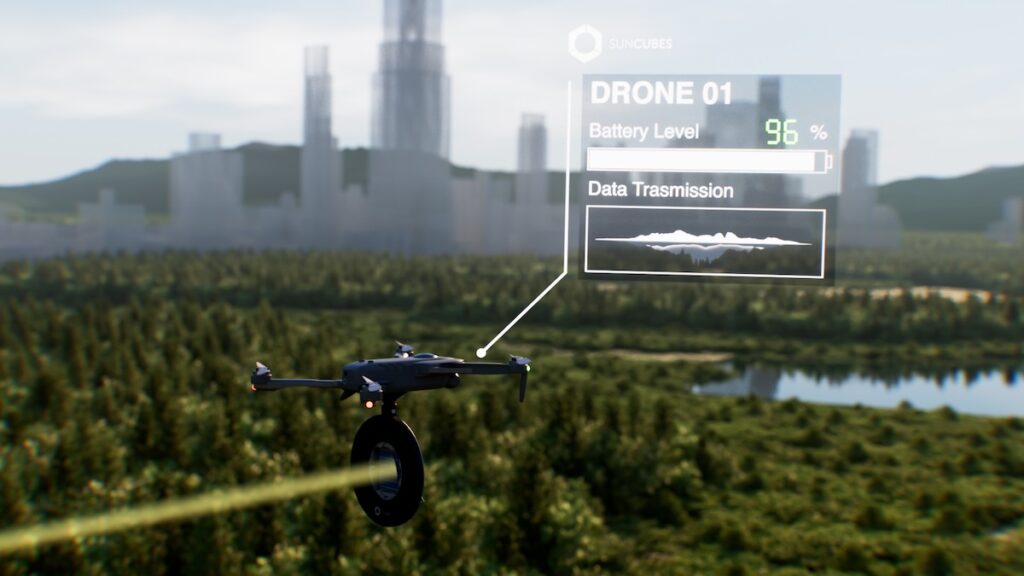
To develop its wireless energy transfer hardware and advanced drone architectures, SunCubes’ engineering team relies on SimScale’s cloud-native simulation platform and AI-powered agentic simulation capabilities. The software allows the engineering team to evaluate thermal, structural, and aerodynamic performance in the cloud without the time and cost requirements of physical prototyping.
“Simulation is not a support function for us – it’s how we build,” says Davide Russo, Co-Founder and Chief Innovation Officer, SunCubes. “SimScale gives us the capability to run complex, multi-physics analysis on our UAV designs and energy transfer systems in the cloud, with AI that helps us set up and interpret simulations faster than ever. For a team our size, this means we’re not blocked by inadequate tools and can move at startup speed, which is critical to our success.”
“SunCubes represents a genuinely new frontier for engineering simulation,” says David Heiny, Co-Founder and CEO of SimScale. “Laser-based wireless charging for drones is one of the most technically demanding hardware challenges in the industry today, and seeing a team this focused on using AI-assisted simulation as a core design tool is exactly the future we’re building toward.”