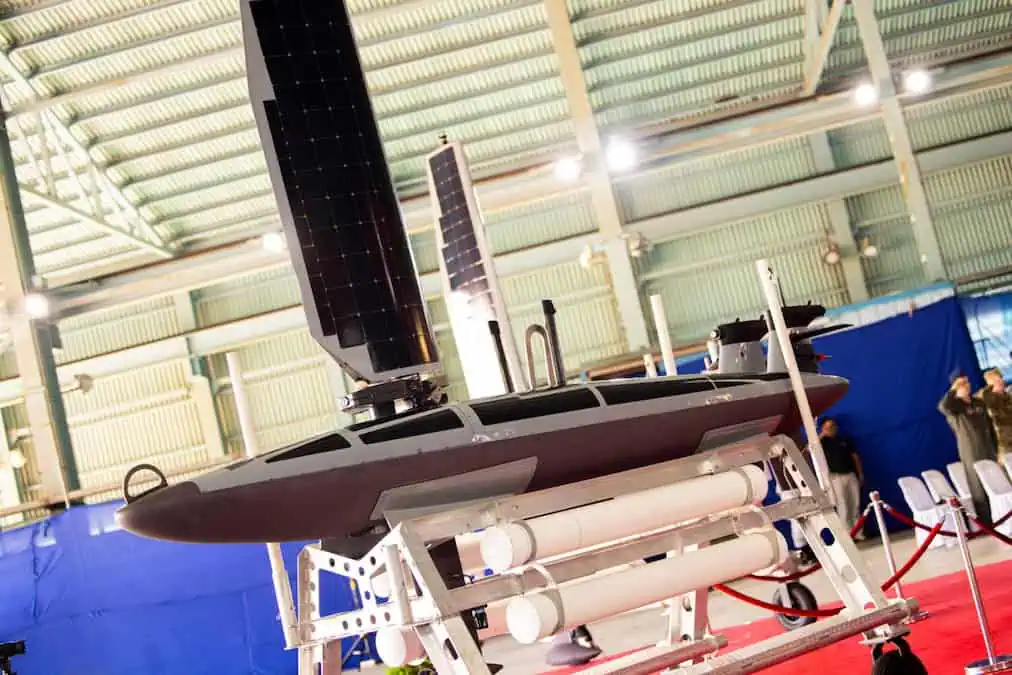
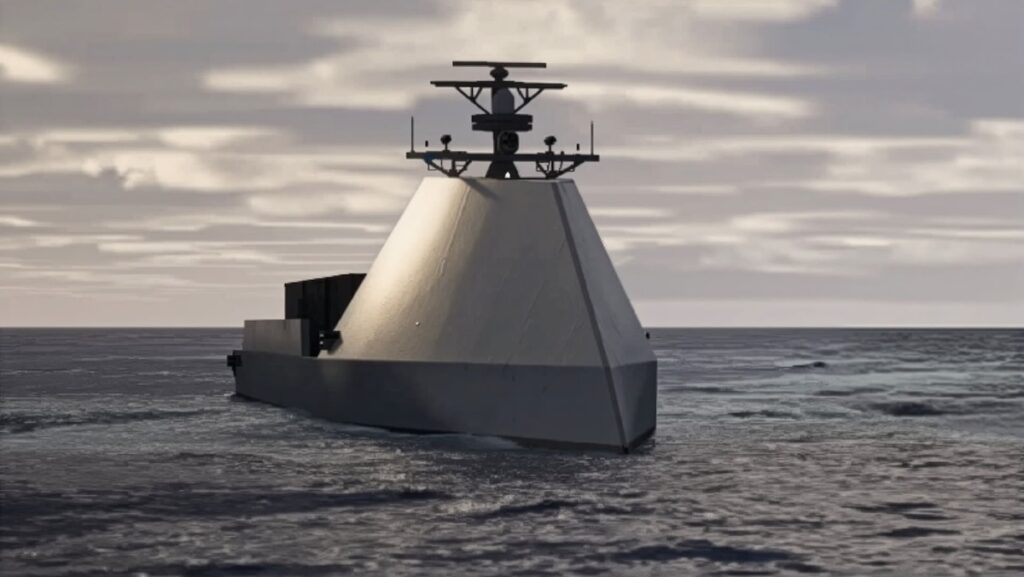
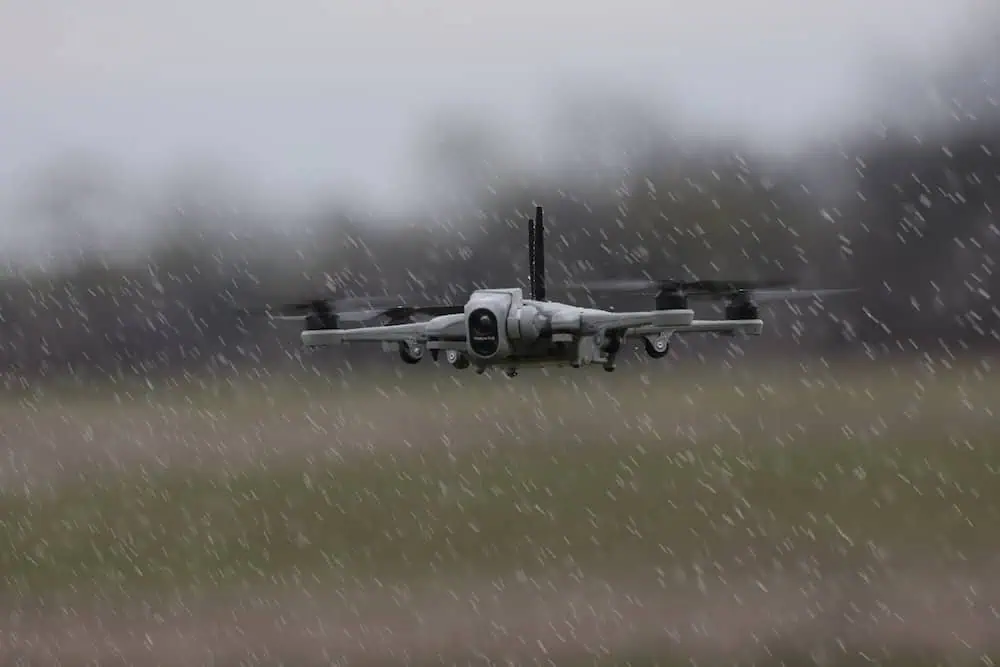
If you design, build or supply Autonomous Surface Vehicles (ASVs), create a profile to showcase your capabilities and connect with visitors who have an active requirement for your solutions.
Autonomous Surface Vehicles For Defense, Security, And ISR Operations
Overview by
Olivia Hannam
Updated:
Autonomous surface vehicles (ASVs) are uncrewed platforms designed to operate on the water’s surface with varying levels of remote, supervised, or fully autonomous control. In defense settings, they are used to extend reach, increase persistence, and support maritime operations in contested, hazardous, or manpower-constrained environments. Typical systems combine GNSS, INS, radar, lidar, sonar, cameras, IR sensors, data link systems, mission control software, and collision avoidance systems to navigate, sense, communicate, and execute assigned tasks.
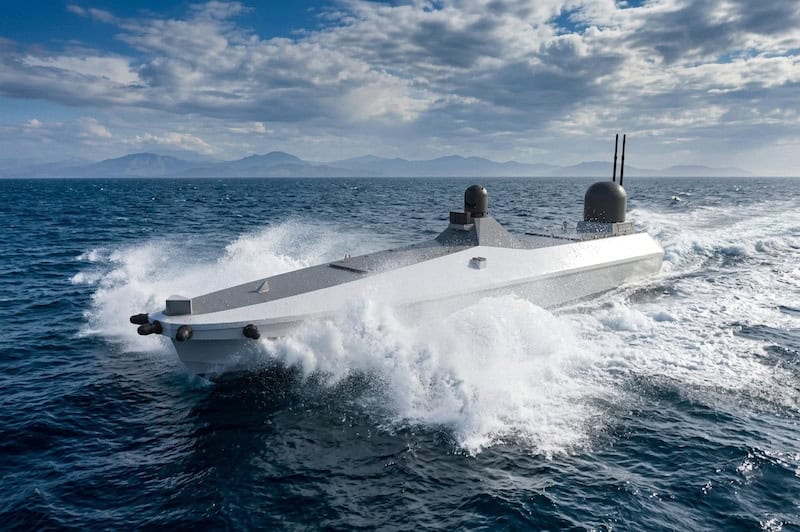
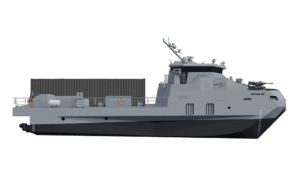
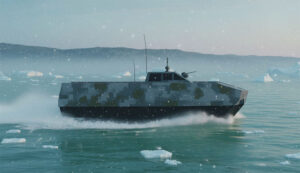
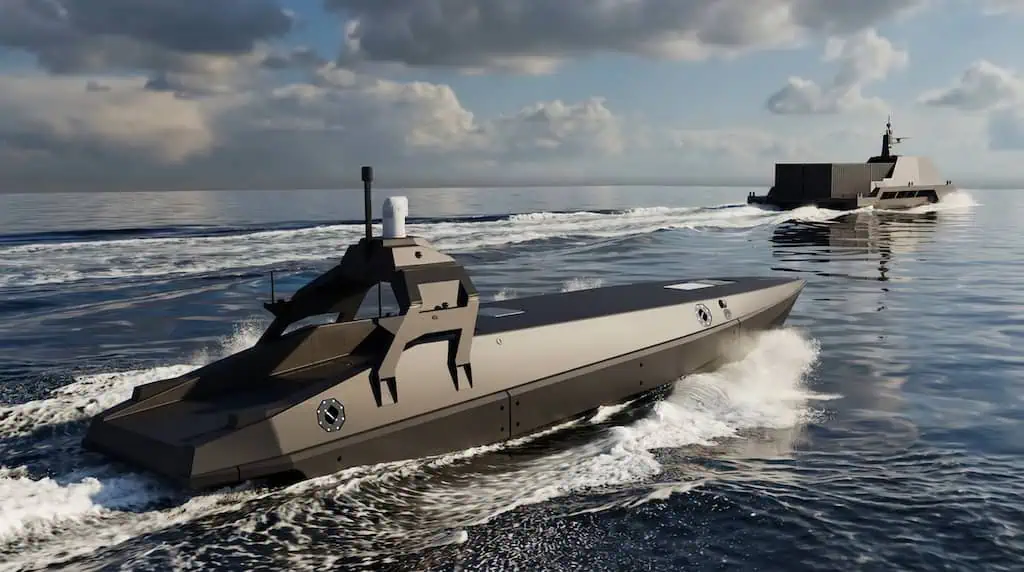
AIRCAT Panther, an autonomous surface vessel, by Eureka Naval Craft
These platforms are increasingly relevant across naval operations, border security, harbor protection, and emergency response because they can remain on station longer than crewed craft and can be configured for ISR, hydrographic survey, communications relay, or force protection. Depending on the mission profile, an autonomous boat may prioritize endurance, payload modularity, seakeeping, low observability, or high-speed interceptor-boat performance. The result is a flexible maritime robotics capability that supports both peacetime security tasks and high-tempo defense missions.
Applications Of Autonomous Surface Vehicles
ISR And Intelligence Gathering
Autonomous surface vehicles are widely used for ISR, reconnaissance mission support, and intelligence gathering in coastal and littoral zones. Payloads may include radar, electro-optical sensors, infrared sensors, sonar systems, and SIGINT packages for persistent maritime surveillance.
Border Security and Law Enforcement
Autonomous surface vehicles support border security and law enforcement operations by patrolling maritime boundaries, detecting unauthorized vessels, and monitoring coastal activity. Equipped with radar, cameras, and radio communication systems, they enhance maritime domain awareness and enable persistent surveillance in high-risk or remote areas.
Port and Harbor Protection
For port security, harbor security, and force protection operations, ASVs can patrol restricted waters, investigate contacts, and safeguard critical infrastructure. Their autonomous navigation systems, combined with camera, radar, and communication systems, improve situational awareness and response capabilities in congested environments.
Search And Rescue And Disaster Response
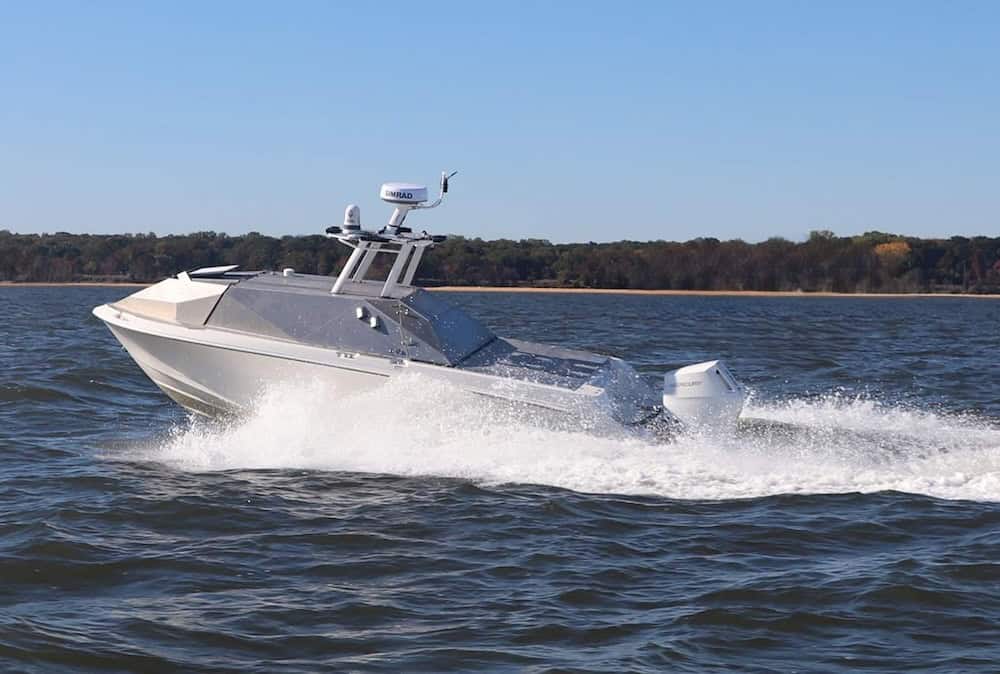
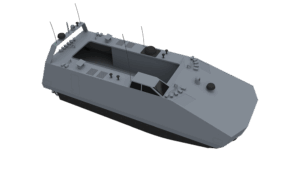
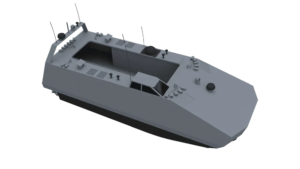
AIRCAT Bengal MC from Eureka Naval Craft
In search-and-rescue, emergency-response, and disaster-response operations, uncrewed surface vehicles can enter dangerous areas without exposing crews to unnecessary risk. They can support SAR operations, carry sensors for situational awareness, and provide communication relay functions.
Hydrographic Survey And Environmental Monitoring
Defense users also deploy ASVs for hydrographic surveying, seabed mapping, and environmental monitoring to support mission planning and route clearance. These roles often rely on sonar, GNSS, inertial navigation systems, and precise integration of navigation systems.
Anti-Submarine Warfare And Mine Countermeasures
Some unmanned surface vessel concepts support anti-submarine warfare, mine countermeasures, and broader naval operations. In these roles, autonomy helps distribute sensors across larger areas and supports coordinated operations with other manned and unmanned assets.
Types Of Autonomous Surface Vehicles
Small Autonomous Surface Vehicles
Small ASVs are optimized for portability, rapid launch, shallow water access, and short-duration ISR or survey tasks. They are often used for port protection, harbor security, and localized inspection missions.
Medium Autonomous Surface Vehicles
Medium platforms balance endurance, payload capacity, and deployability for multi-mission operations. They are commonly selected for maritime surveillance, search-and-rescue mission support, and hydrographic surveys.
Large Autonomous Surface Vehicles
Large autonomous surface vessels offer longer endurance, greater payload module options, and integration into broader C2 systems. They are more suited to extended ISR, communications relay, anti-submarine warfare support, and offshore maritime interdiction operations.
High Speed Interceptor And Tactical Platforms
Some autonomous boats are configured for fast response, escort missions, or tactical interception. These designs emphasize propulsion system performance, hull efficiency, collision-avoidance systems, and reliable command-and-control systems.
Key Technologies And System Comparisons
Compared with a conventional remotely operated naval drone, a more advanced autonomous surface vehicle can reduce operator workload through onboard autonomy, machine-learning algorithms, and mission-control systems. Systems with stronger INS and GNSS fusion usually provide more resilient navigation, while platforms integrating radar, LiDAR, cameras, sonar, and IR sensors offer better all-weather situational awareness.
Platform selection usually depends on endurance, payload capacity, communication system architecture, and propulsion approach. Electric and hybrid propulsion systems can reduce acoustic and thermal signatures, while diesel propulsion may still suit high-power or long-range requirements. Data link resilience, satcom systems, onboard computer performance, and power management systems also affect mission effectiveness.
Relevant Defense And Maritime Standards
Autonomous surface vehicles used in defense environments are typically assessed against a mix of maritime, military, and interoperability requirements rather than a single dedicated standard. Relevant frameworks may include COLREGs for navigation behavior, NATO STANAG requirements for interoperability and data exchange, and MIL-STD specifications related to environmental testing, electromagnetic compatibility, interface assurance, and mission system integration.
For procurement and integration, defense stakeholders also review cybersecurity, radio communications, command-and-control systems, and safety case requirements alongside vessel classification and mission payload standards. Compliance expectations vary across the Navy, the Coast Guard, security agencies, and operational theaters, so autonomous surface vessel programs are usually evaluated against mission-specific defense and maritime certification requirements.
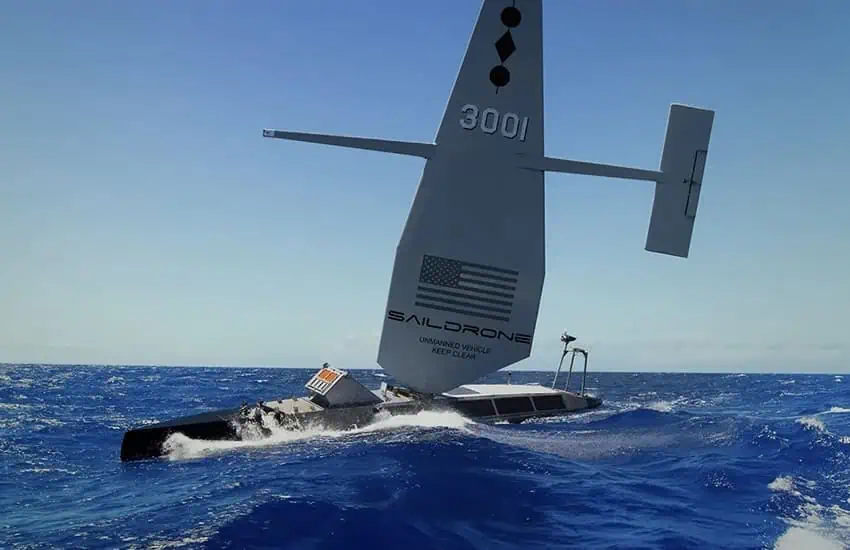
A recent naval exercise demonstrated live-fire missile capabilities from a Saildrone autonomous surface vessel, proving that uncrewed ocean platforms can seamlessly integrate combat-ready strike systems into carrier strike group operations
U.S. Embassy Philippines has confirmed the transfer of four long-endurance platforms to expand the Philippine Navy’s capability to monitor critical waterways above and below the surface
The selection of HII's ROMULUS platform for at-sea testing marks a major milestone for naval autonomy as the unmanned surface vessel transitions to critical open-ocean trials to prove its multi-domain operational readiness
Anduril Industries and Kraken Technology Group are collaborating to deliver scalable, mission-ready unmanned vessels designed to support the U.S. Navy’s transition toward a sophisticated and capable hybrid fleet
Eureka Naval Craft is a leading U.S.-based developer of high-speed crewed and uncrewed vessels for naval defense, coast guard, and humanitarian operations, built on advanced Surface Effect Ship (SES) technology
DTC has formed a strategic partnership with FLANQ to equip autonomous uncrewed surface vessels with secure, resilient command and control capabilities for defense and maritime security missions across Europe
Hanwha Defense USA, Hanwha Systems Co, and HavocAI have partnered to develop 200-foot autonomous surface vessels, combining Hanwha’s shipbuilding and manufacturing scale with HavocAI’s collaborative autonomy software to support future U.S. defense programs
Following $50 million in development, the new autonomous vessel demonstrates resilience in Sea State 9 conditions and offers modular payload integration for contested environments
Dec 10, 2025
Advancing Defense Capability Through Strategic Collaboration
Defense Advancement works with major OEMs to foster collaboration and increase engagement with SMEs, to accelerate innovation and drive defense capabilities forward.