MCM USV Platforms for Mine Countermeasures Operations
Source USV platforms for naval mine countermeasures from trusted manufacturers and suppliers serving defense and maritime security programs. These unmanned surface vessels enable mine detection, mine clearance, and force protection. They combine modular payloads, autonomous navigation systems, and low-risk deployment concepts to support modern naval operations.
If you design, build or supply Mine Countermeasures USV, create a profile to showcase your capabilities and connect with visitors who have an active requirement for your solutions.
MCM USV Platforms for Mine Countermeasures Operations
Overview by
Summer James
Updated:
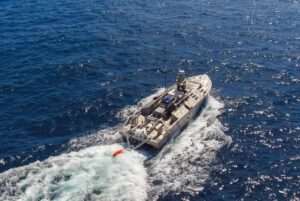
Mine countermeasures (MCM) USV systems are unmanned surface vessels developed to support mine countermeasures in hazardous littoral and open-water environments. They reduce risk to crews by towing sweep payloads, deploying AUV and ROV assets, and extending the reach of mine countermeasure vessels during minehunting and minesweeping missions. These crafts offer a scalable way to improve clearance capacity, protect shipping lanes, and strengthen maritime security operations.
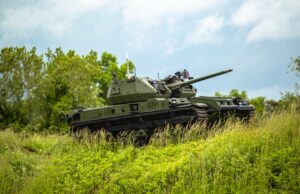
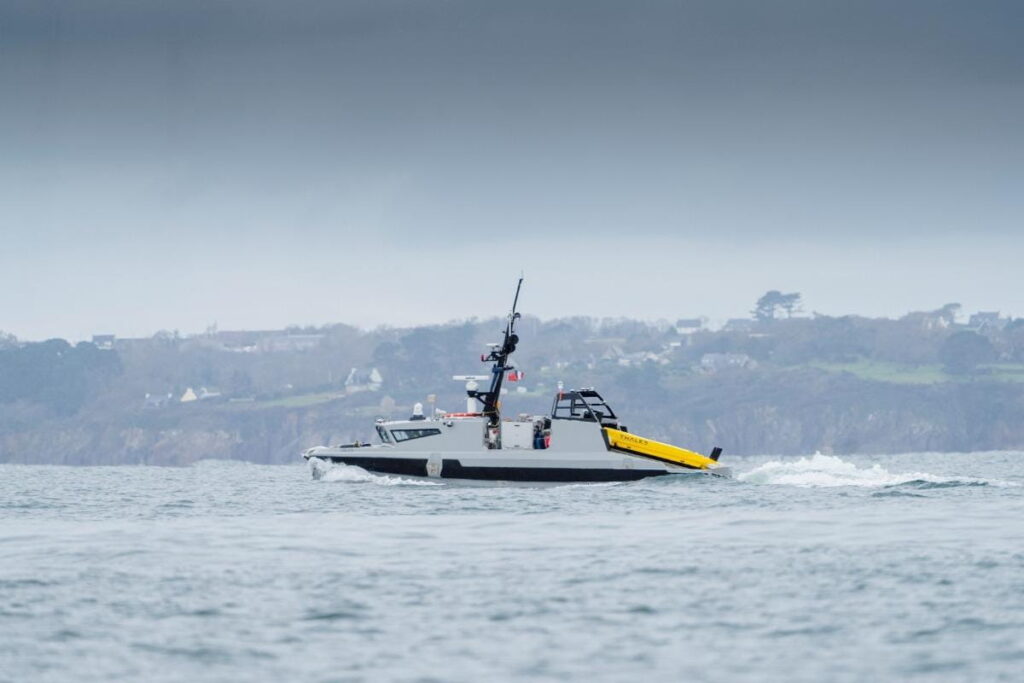
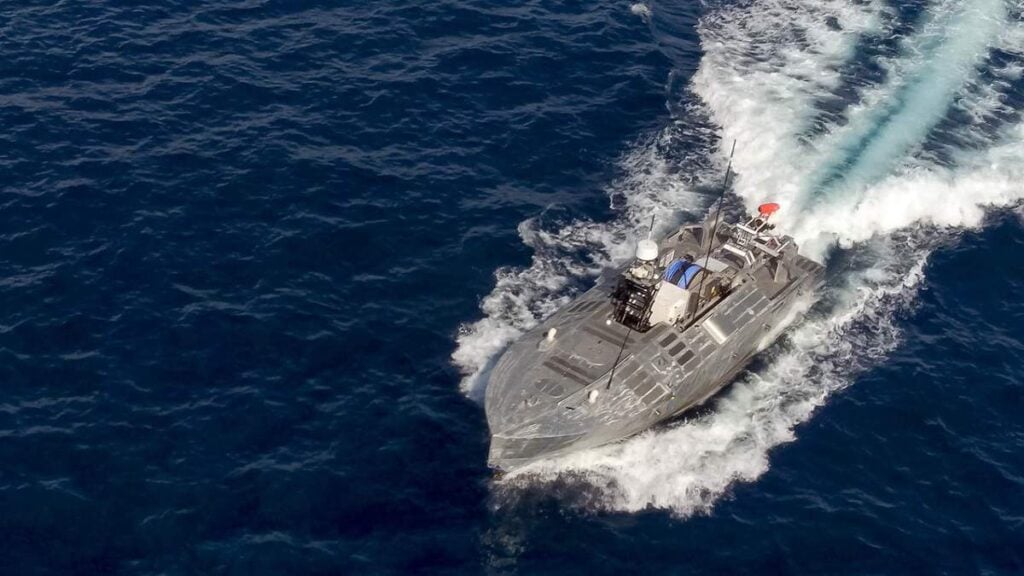
CUSV by Textron Systems
MCM USV Applications and Roles
Mine Detection and Classification
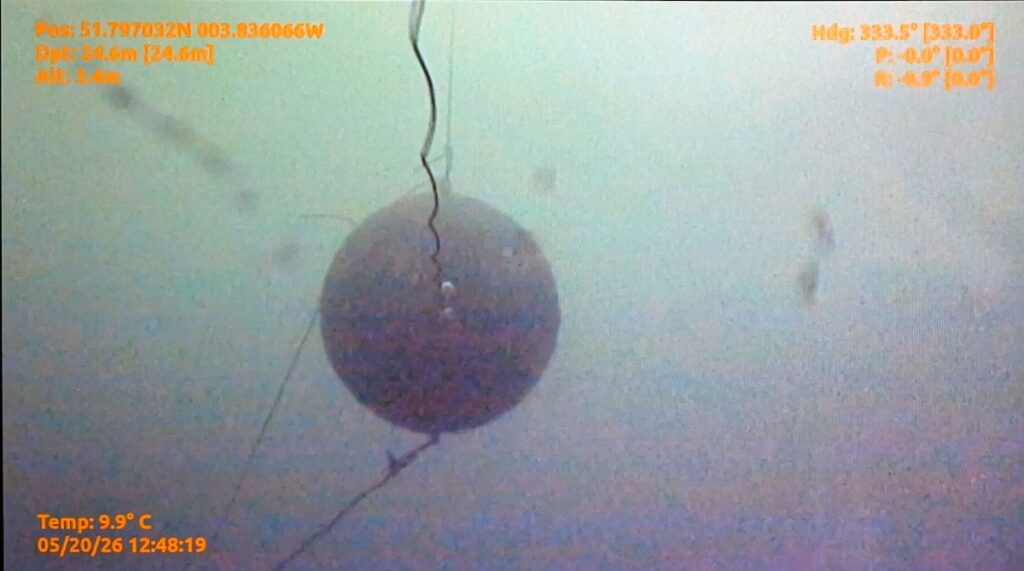
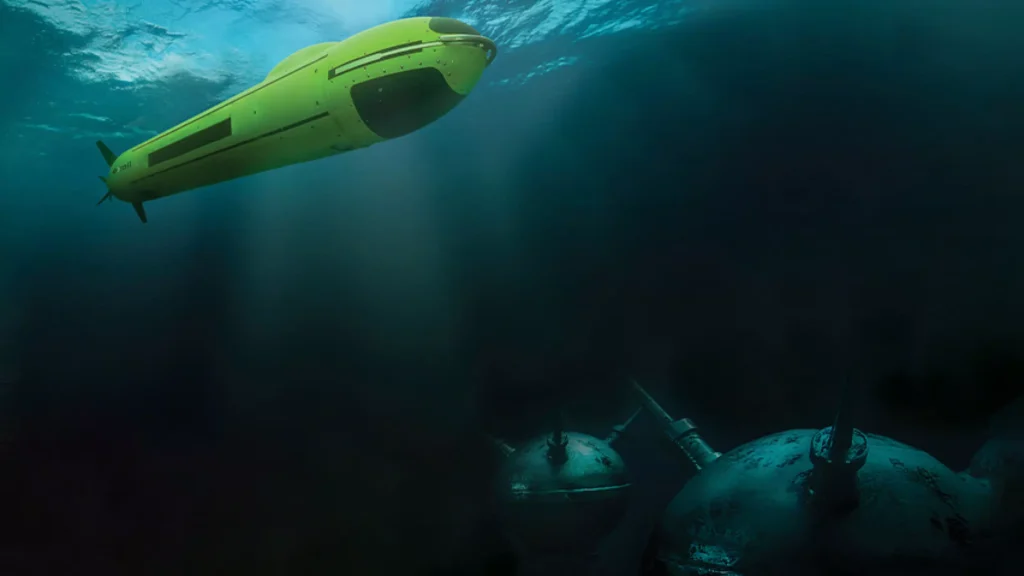
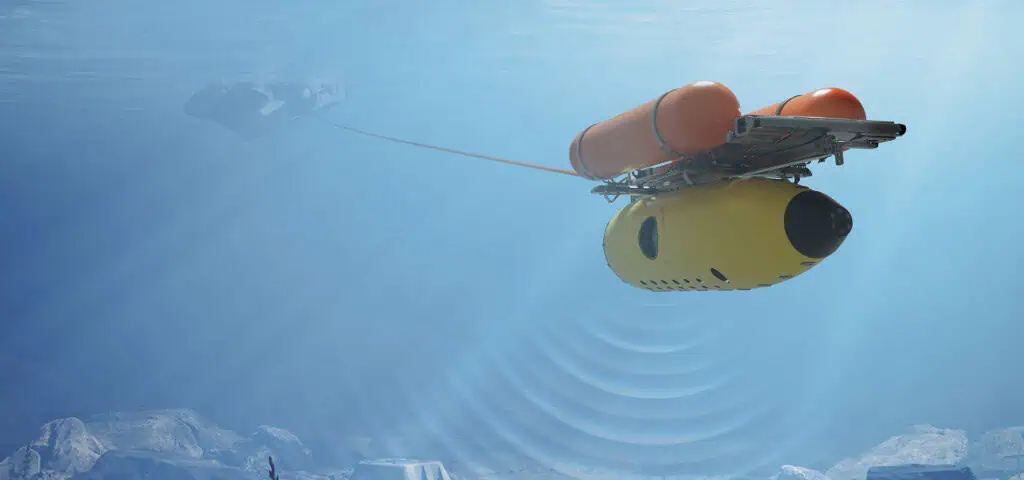
MCM USV platforms can deploy towed sensors, AUV systems, and UUV payloads to support underwater mine detection and classification in contested waters. Their standoff operation helps reduce exposure to crewed minesweepers and survey vessels.
Mine Sweeping Operations
An unmanned minesweeper can tow influence payloads and tow cable assemblies to simulate acoustic, magnetic, or pressure signatures used in minesweeping. This supports efficient mine clearance across ports, approaches, and chokepoints.
Mine Neutralization Support
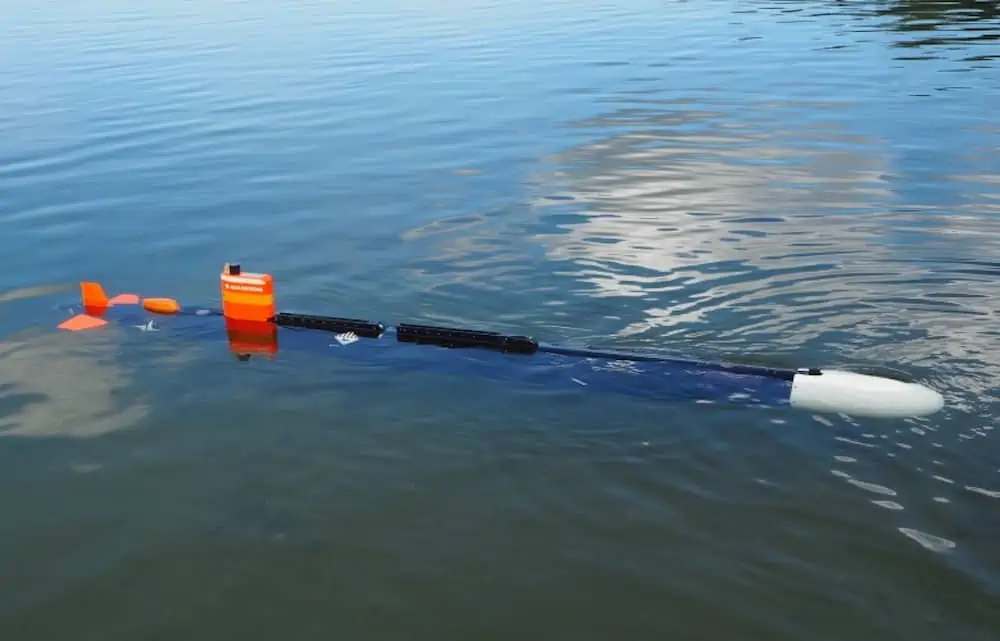
USVs can serve as deployment and control nodes for ROV systems and mine-neutralization payloads. This improves coordination during the identification and disposal of naval mines.
Maritime Security Operations
MCM USV platforms are also relevant to maritime security operations that require persistent surveillance and route assurance. They can support offshore platforms and naval base protection, as well as access control in sensitive coastal areas.
Types Of Mine Countermeasures USV
Remote-Controlled MCM USV
These systems are optimized for direct operator control from remote control stations. They are well-suited to missions requiring close supervision and payload handling in complex environments.
Autonomous Navigation MCM USV
These vessels use autonomous navigation systems and mission management software to follow planned routes, reducing operator workload. They are useful for repetitive survey, patrol, and clearance support tasks.
Modular Multi-Mission USV
A modular hull design enables rapid reconfiguration for mine detection, unmanned influence-sweep system operations, or ISR support. This gives naval users more flexibility across changing mission sets.
High-Endurance Sweep USV
These platforms emphasize fuel efficiency, power generation system capacity, and robust propulsion systems for extended operations. They are often selected for long-duration minesweeping and wide-area route clearance.
Typical MCM USV components
MCM USVs typically combine a mission computer, autopilot system, marine radar, infrared camera, inertial navigation system, and radio communication system with resilient C2 systems and satellite communication system links. Propulsion system choices may include diesel engines, battery systems, waterjet propulsion systems, or a hybrid propulsion system, depending on endurance, signature, and speed requirements. Launch and recovery system design is also important when the USV is paired with an autonomous underwater vehicle, mine neutralization vehicle, or unmanned influence sweep system.
MCM USV Compared With Other MCM Platforms
Compared with crewed mine countermeasures (MCM) vessels, an MCM USV reduces personnel risk and can be deployed in higher-threat areas with a smaller operational footprint. Compared with an AUV or UUV, it offers greater payload capacity, stronger communications, and better suitability for towing sweep systems, although underwater systems may provide finer-resolution seabed search. In practice, the most effective mine countermeasures architecture often combines USV, AUV, ROV, and mission management system integration.
Key Technical Considerations
Procurement teams often assess hull size, payload modularity, stabilization system performance, launch-and-recovery system compatibility, and communications resilience. Sensor fit may include infrared cameras, marine radar, and navigation packages built around an inertial navigation system. Propulsion selection should also consider the acoustic signature, maintenance burden, endurance, and integration with electric or hybrid marine propulsion systems.
Relevant Standards and Defense Frameworks
MCM USV programs may align with naval interoperability, autonomy, and communications requirements defined at the platform or subsystem level. Relevant frameworks can include STANAG-based interoperability requirements, cyber and software assurance controls, environmental qualification standards, and MIL-STD requirements for electromagnetic compatibility, ruggedization, and system integration. Requirements vary by navy and mission profile, so compliance priorities should align with launch and recovery, C2 systems, navigation, and payload performance.
Royal Navy divers have completed rapid training on a portable submersible mine disposal system from Video Ray ahead of an upcoming multinational mission to the Strait of Hormuz aboard the RFA Lyme Bay
The Royal Navy has received the second of four remotely-controlled primary systems designed to aid underwater mine countermeasures through advanced autonomous seabed mapping and uncrewed identification technologies
Thales delivers advanced naval unmanned surface vessel, equipped with TSAM towed and SAMDIS multi-view sonars, to the French Navy, as part of the Franco-British Maritime Mine Counter Measures programme
Textron Systems is set to support the software development and payload integration for the Navy’s Mine Countermeasures (MCM) Unmanned Surface Vehicle (USV), focusing on future mission capabilities and advanced system integration
The Royal Norwegian Navy has upgraded its mine countermeasure capabilities with Patria’s SONAC ACS, an advanced acoustic minesweeping system designed for effective and modern naval operations
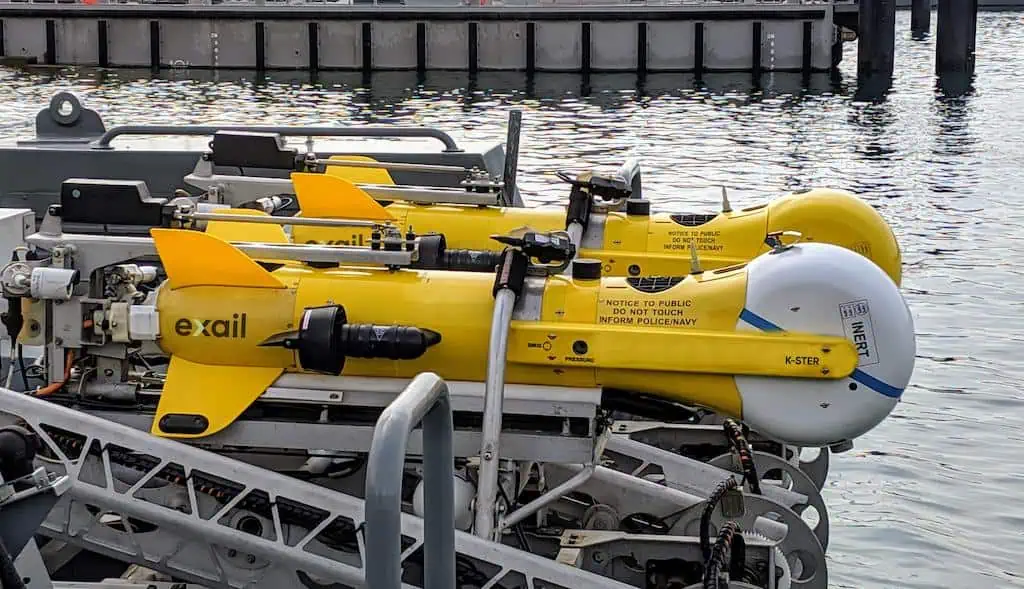
NATO has awarded Exail a €60 million order for the K-Ster C underwater mine disposal vehicle, equipped with a powerful shaped charge to effectively neutralize all types of mines
ATLAS ELEKTRONIK UK will deliver three Mine Hunting Capability autonomous underwater vehicles comprising nine vehicles in total along with a training and support package to run for three years from delivery
The latest defense technology news, straight to your inbox.
Get our weekly roundup of technology developments, new products and industry news.
THANK YOU FOR SIGNING UP
Thanks for joining us. Check your inbox.
We've sent you an email. Click the confirmation link to complete your subscription to the weekly eBrief. In the meantime, explore the latest news, suppliers and technologies on DA.
Advancing Defense Capability Through Strategic Collaboration
Defense Advancement works with major OEMs to foster collaboration and increase engagement with SMEs, to accelerate innovation and drive defense capabilities forward.