



Showcase your capabilities
If you design, build or supply Motion Control Systems, create a profile to showcase your capabilities and connect with visitors who have an active requirement for your solutions.





Precision motion control systems govern the motion of critical assets on modern defense platforms, from stabilized platforms and weapon turrets to high-performance flight control surfaces. These motion control systems leverage ruggedized controllers, sophisticated actuators, and closed-loop feedback systems to ensure sub-millimeter accuracy and dynamic responsiveness.
Read the Technology Overview

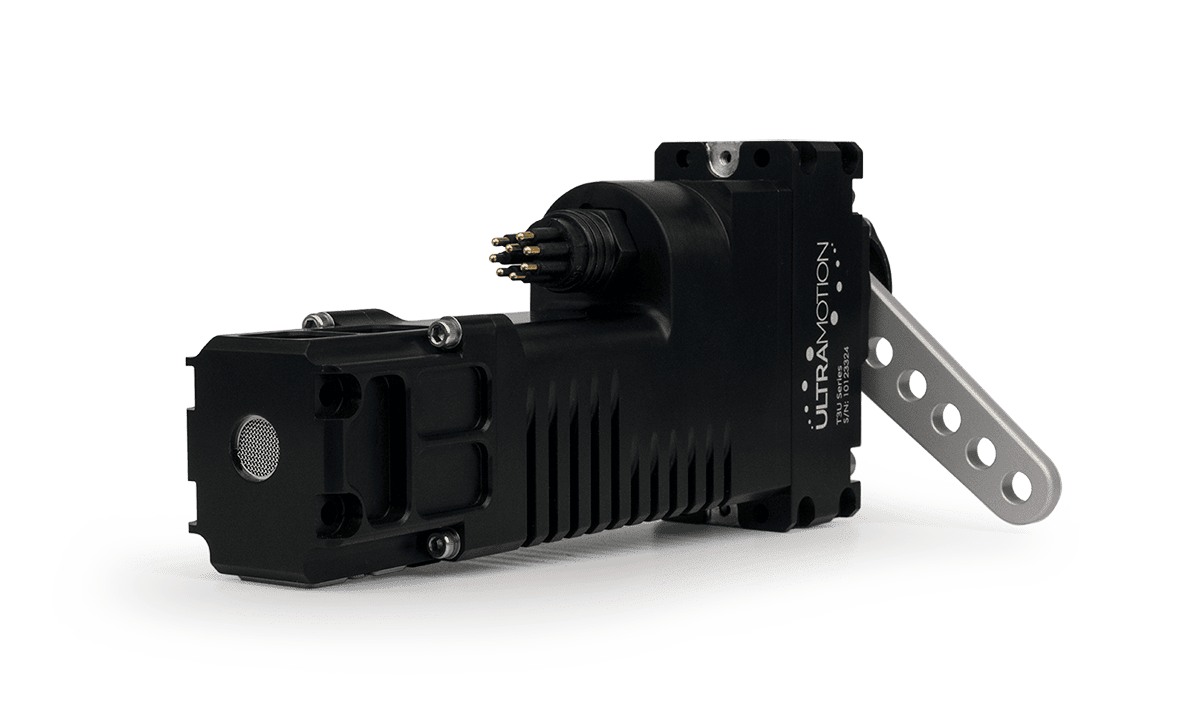
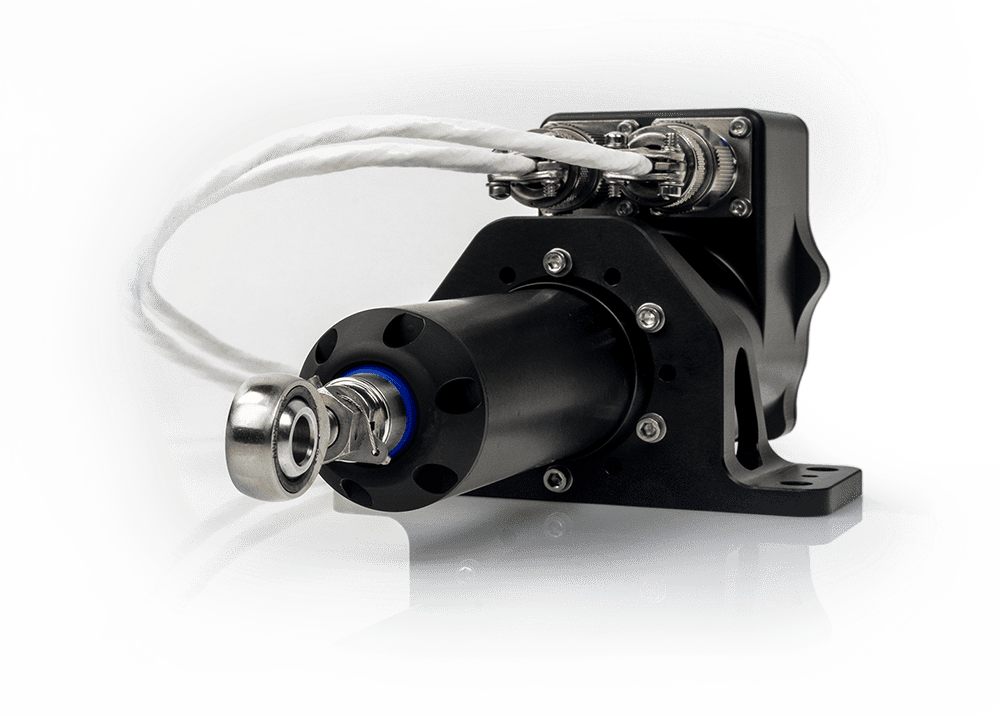
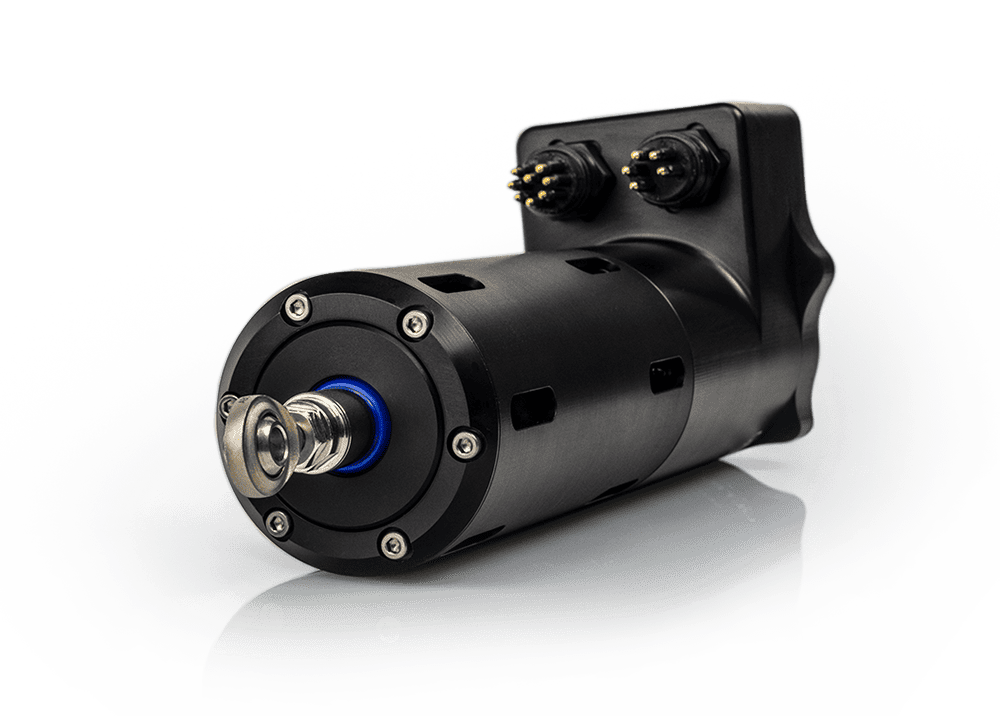
Advanced Motion, Control & Power Solutions for Uncrewed Vehicles Operating in Demanding Mission Environments


Solid-State Power Distribution & Motion Control Solutions for Mission-Critical Applications

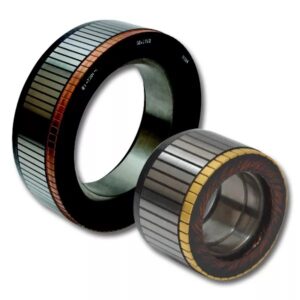
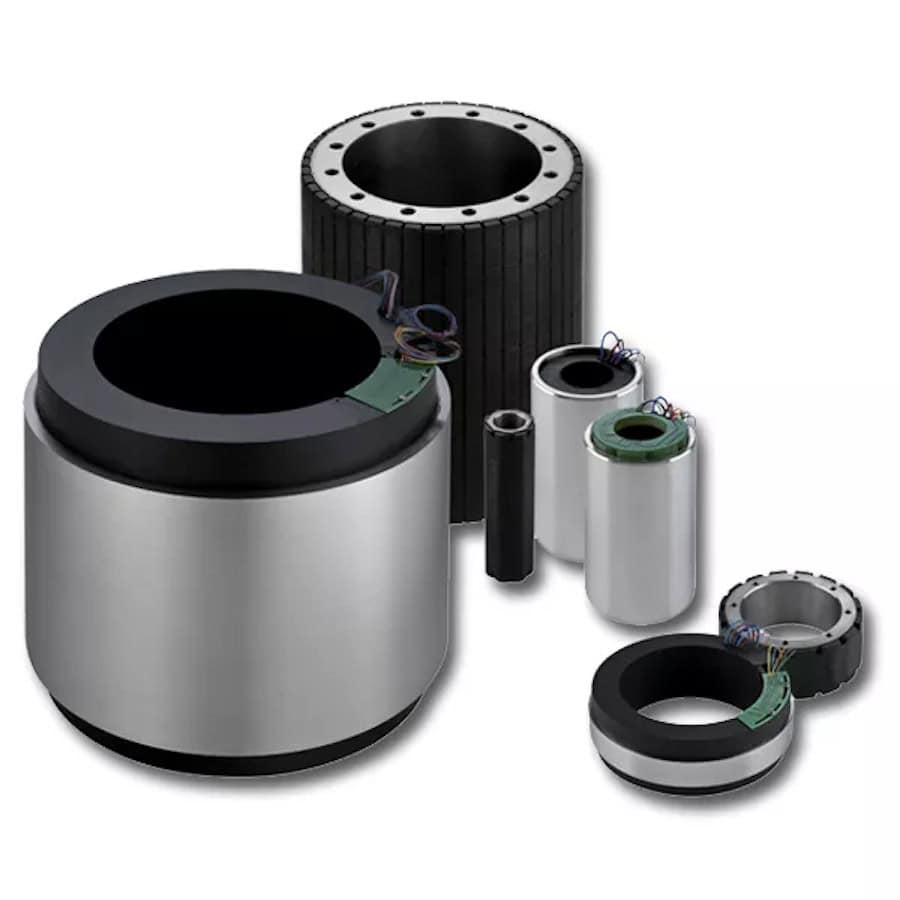
Innovative Precision Motor & Motion Solutions for Mission-Critical Military & Aerospace Applications

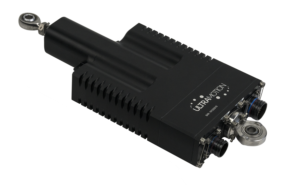
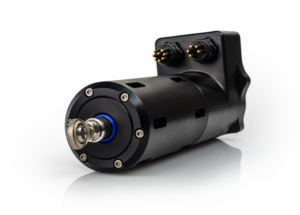
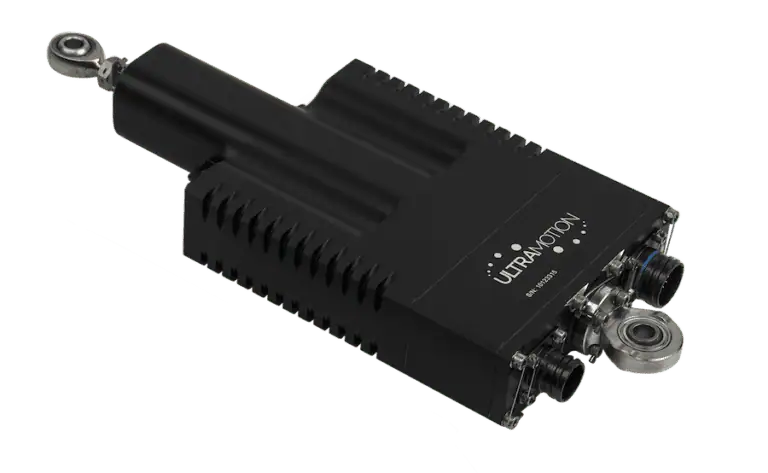
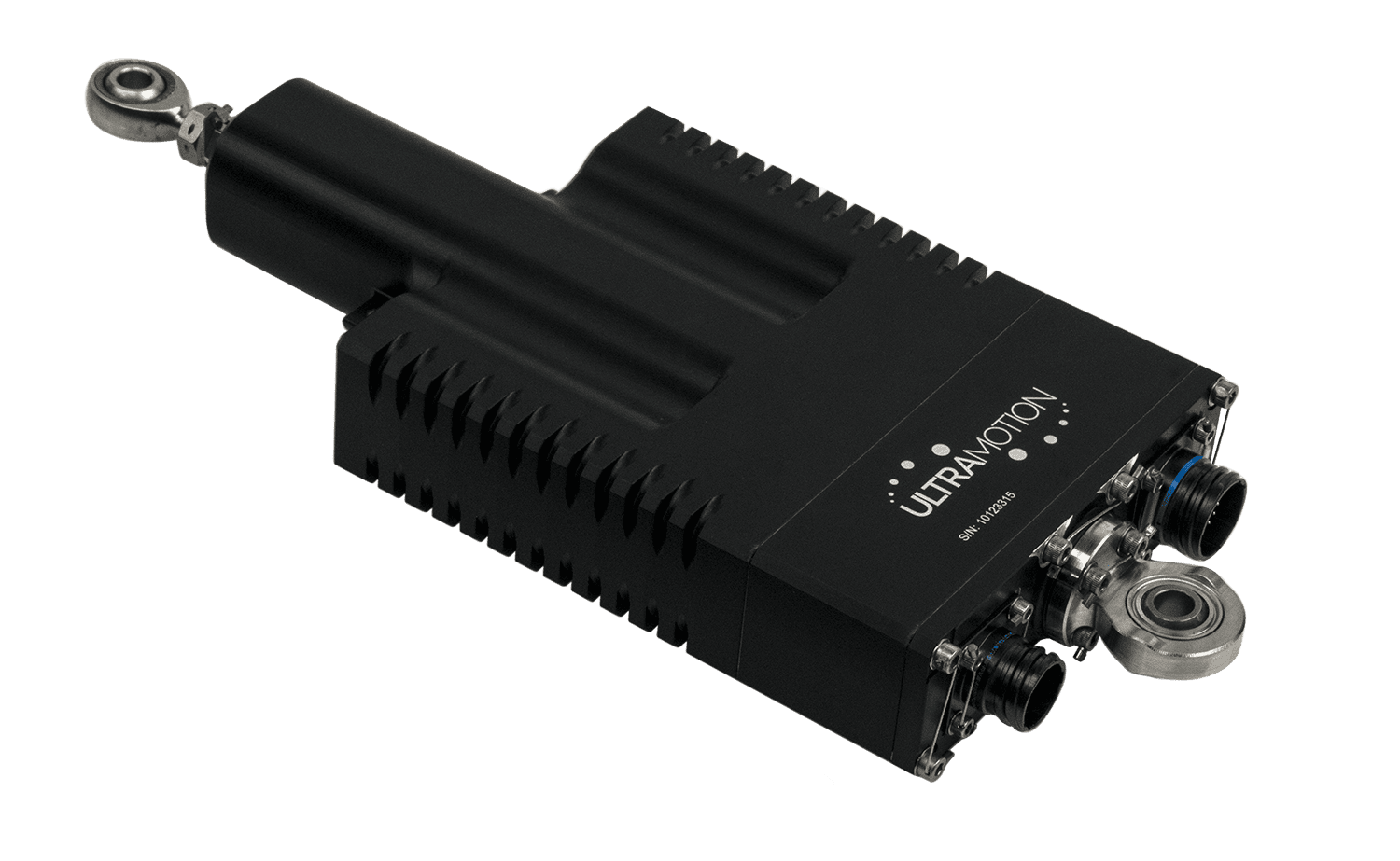
Rugged Electro-Mechanical Linear & Rotary Servo Actuators for Aerospace & Defense Applications

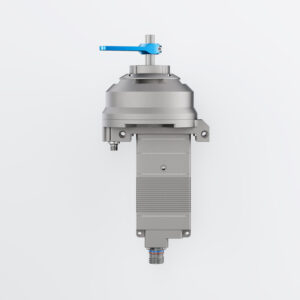
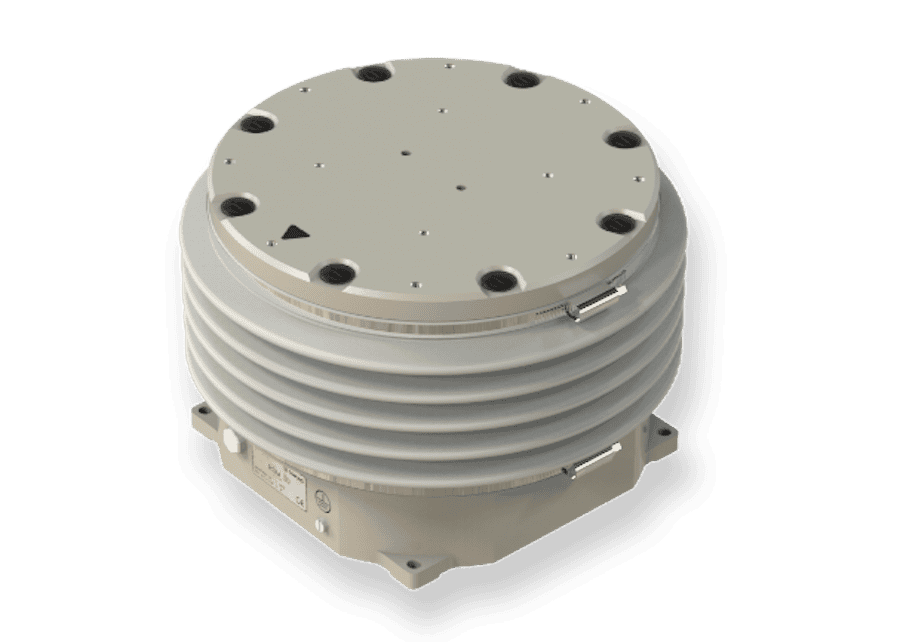
Cutting-Edge Electro-Mechanical Actuators for Military & Defense Applications

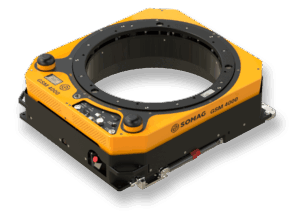
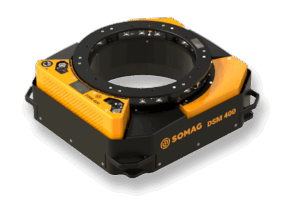
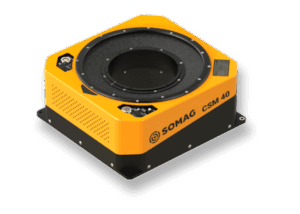
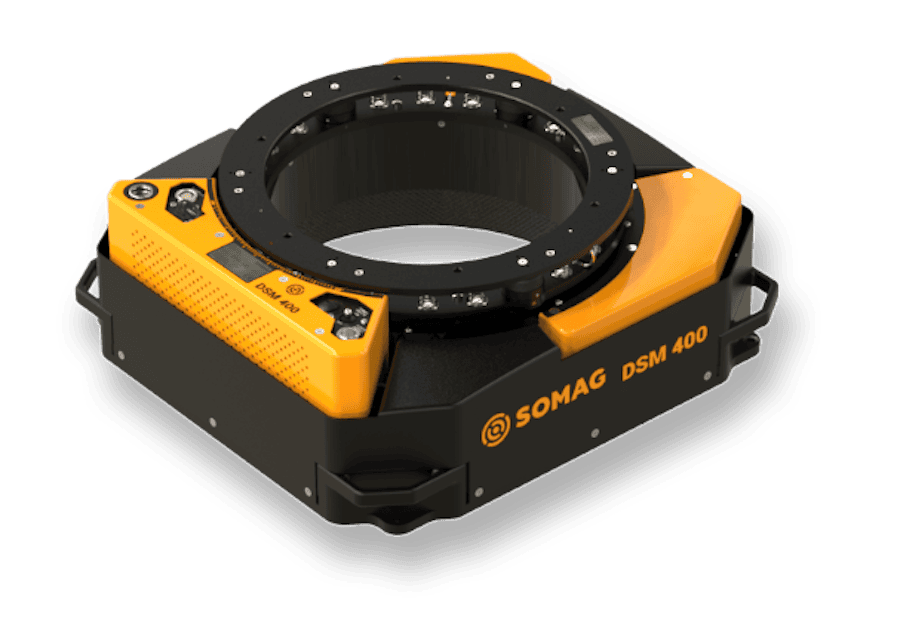
High-Precision Gyro Stabilization Mounts for Mission-Critical Military & Defense Applications

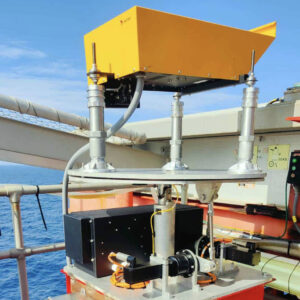
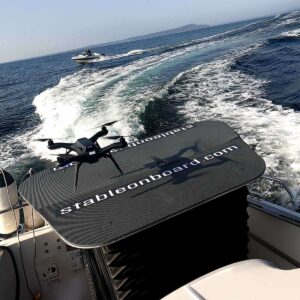
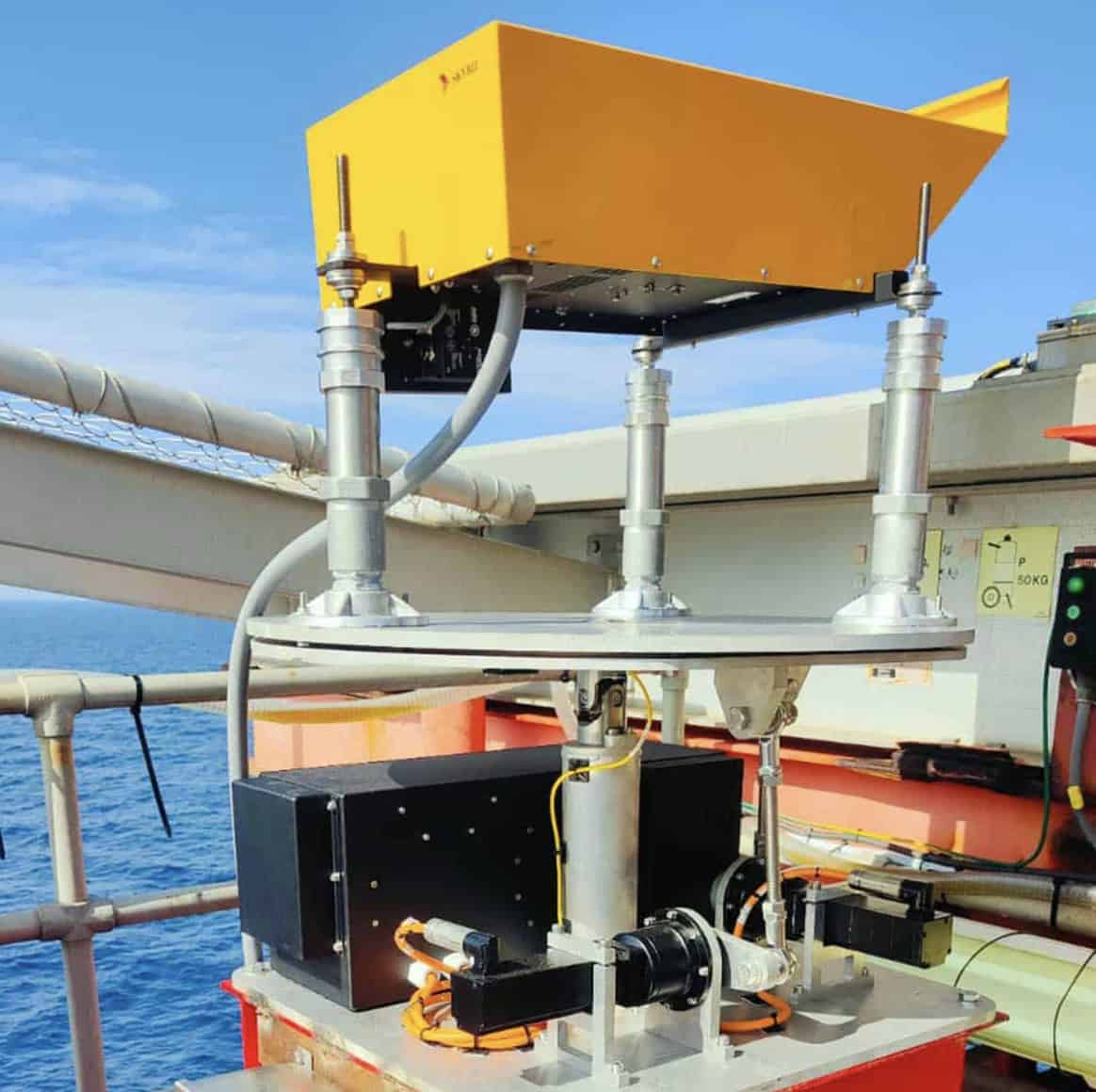
Stabilized Platforms for Military Use: Radar, Antennas, LiDAR, UAV & Patients

If you design, build or supply Motion Control Systems, create a profile to showcase your capabilities and connect with visitors who have an active requirement for your solutions.

Motion control systems form the precise, coordinated backbone of modern defense platforms. They govern the motion of mechanical elements through the combined use of ruggedized controllers, sensors, actuators, and advanced feedback loops. From the servo mechanisms that align sophisticated radar antennas to the stabilizers that keep high-resolution targeting pods locked on a fast-moving target, motion control systems ensure accuracy, repeatability, and immediate responsiveness across air, land, sea, and space defense applications.
A typical defense-grade motion controller integrates high-performance electronics, real-time control algorithms, and ruggedized actuators engineered to perform reliably under the harshest vibration, extreme temperature, and severe electromagnetic interference (EMI) conditions. These systems are essential wherever precision positional control and smooth, deterministic motion are mission-critical requirements.
In the defense sector, precision motion control translates directly into decisive mission effectiveness. Whether stabilizing sensors on a dynamic platform, guiding the flight control surfaces of a high-performance aircraft, or positioning a weapon system, the ability to achieve sub-millimeter accuracy and high dynamic responsiveness under combat conditions is vital. These military motion control systems underpin a vast array of defense motion applications, including precision targeting, navigation, surveillance, robotics, and payload handling. Each demands deterministic, real-time behavior and inherent fault tolerance.
At the heart of any defense motion solution lies a closed-loop motion control system. Sensors continuously measure position, velocity, or torque, feeding data back to the controller, which instantaneously adjusts the actuator output to minimize error. This feedback loop ensures the system maintains a precise trajectory and stability, even amid significant external disturbances. Advanced control algorithms, such as PID, adaptive, and predictive control, are key to allowing modern military grade motion control systems to maintain peak performance despite variable loads or dynamic environmental conditions.
Centralized architectures utilize a single controller to manage multiple actuators, offering simplified coordination but increased computational load. Distributed systems, by contrast, embed processing closer to the actuator level, significantly reducing latency and improving system resilience. This approach is particularly suited to autonomous platforms and complex robotic systems where rapid, localized decision-making is necessary.
Defense motion controllers interface closely with main mission computers and vehicle management systems to seamlessly align platform movement with broader operational goals. The use of real-time operating systems and deterministic military Ethernet networks ensures that critical feedback and command signals meet the tight timing requirements essential for weapon or sensor alignment.
Defense-grade controllers frequently leverage digital signal processors (DSPs) for high-speed control, programmable logic controllers (PLCs) for deterministic sequencing, and FPGAs (Field-Programmable Gate Arrays) where ultra-low latency and reconfigurable interfaces are required. Notably, FPGA-based control is increasingly common in modular, open-architecture systems aligned with the U.S. DoD’s MOSA (Modular Open Systems Approach) and the technical specifications of SOSA (Sensor Open Systems Architecture).
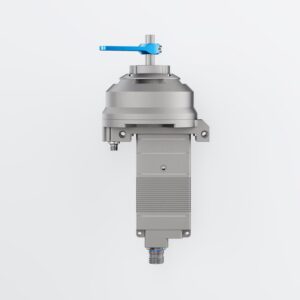
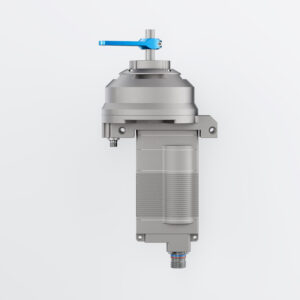
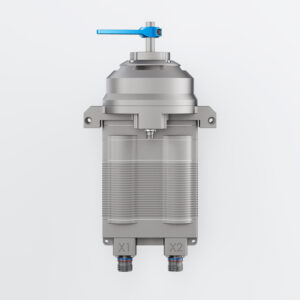
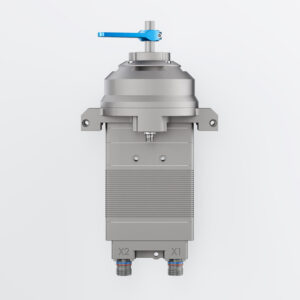
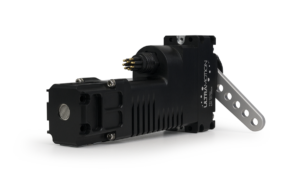
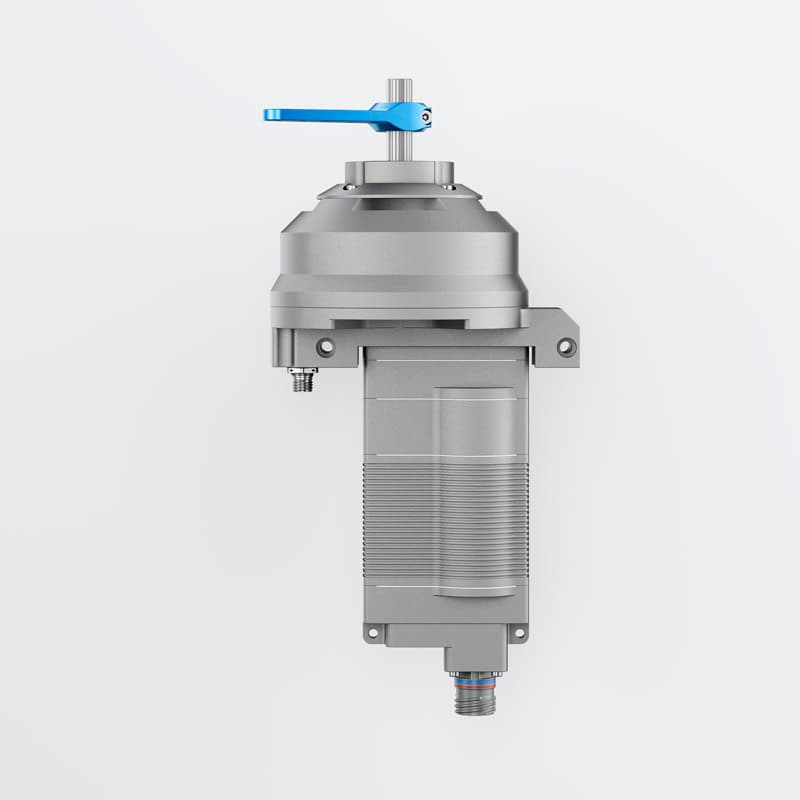
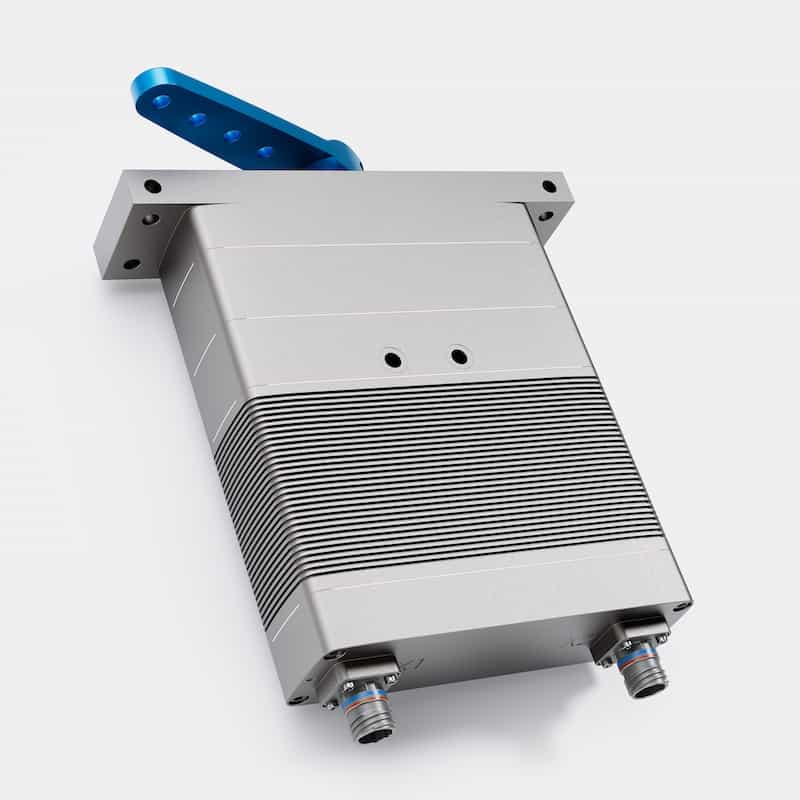
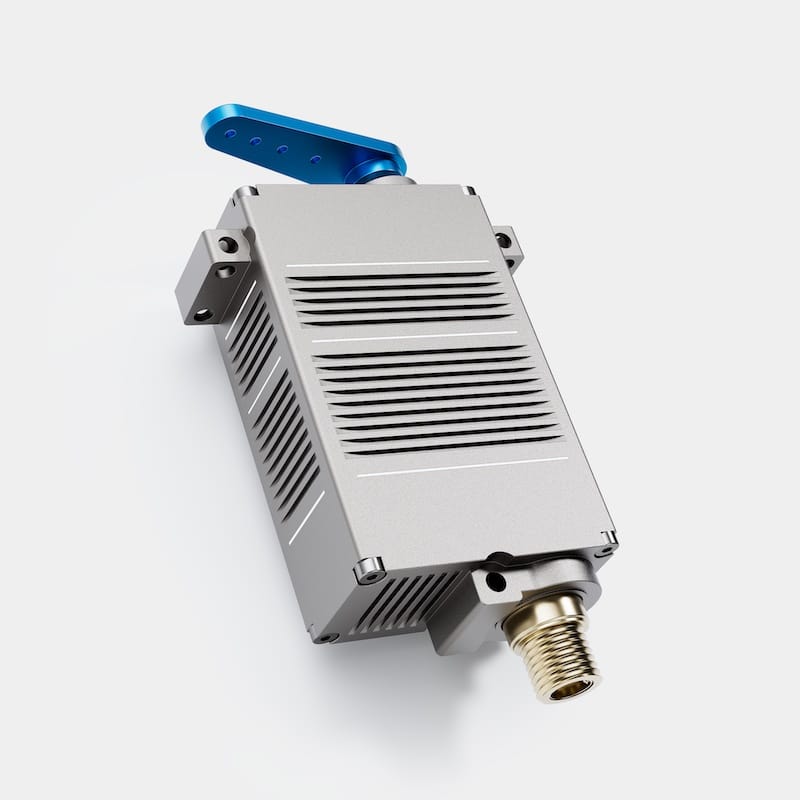
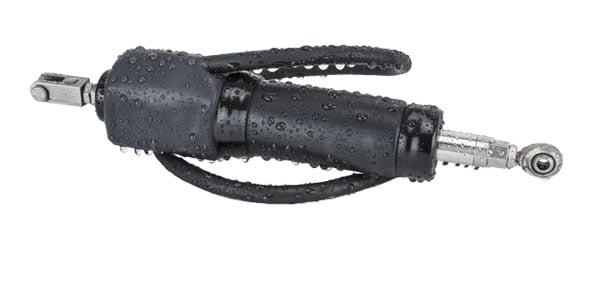
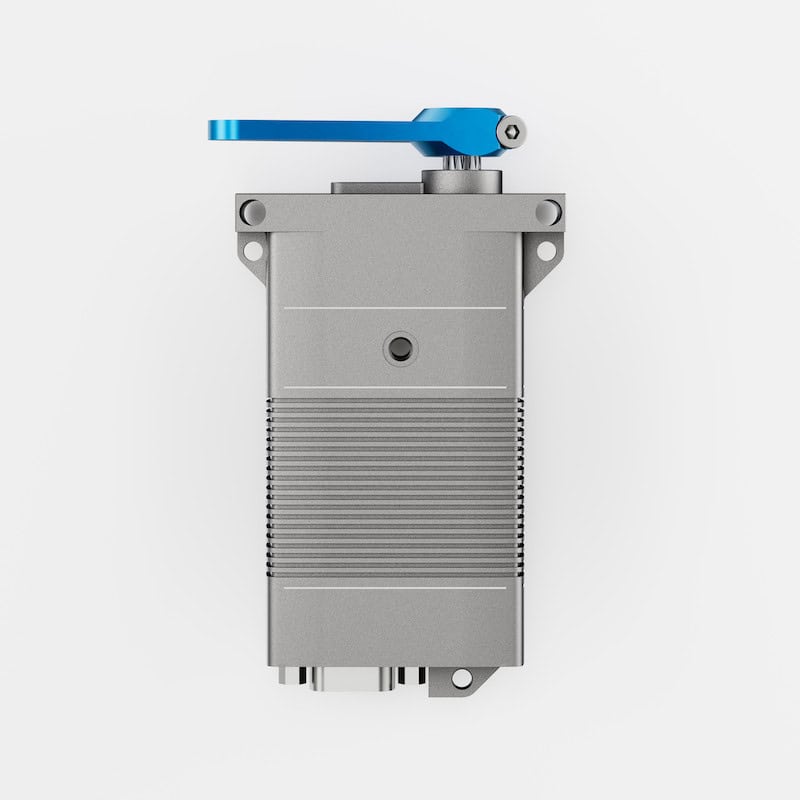
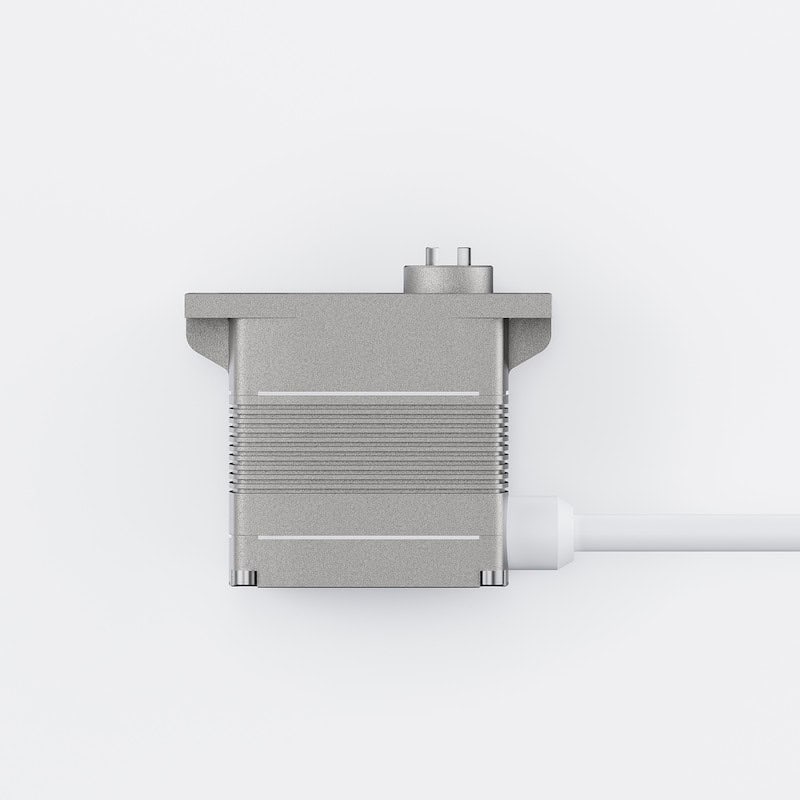
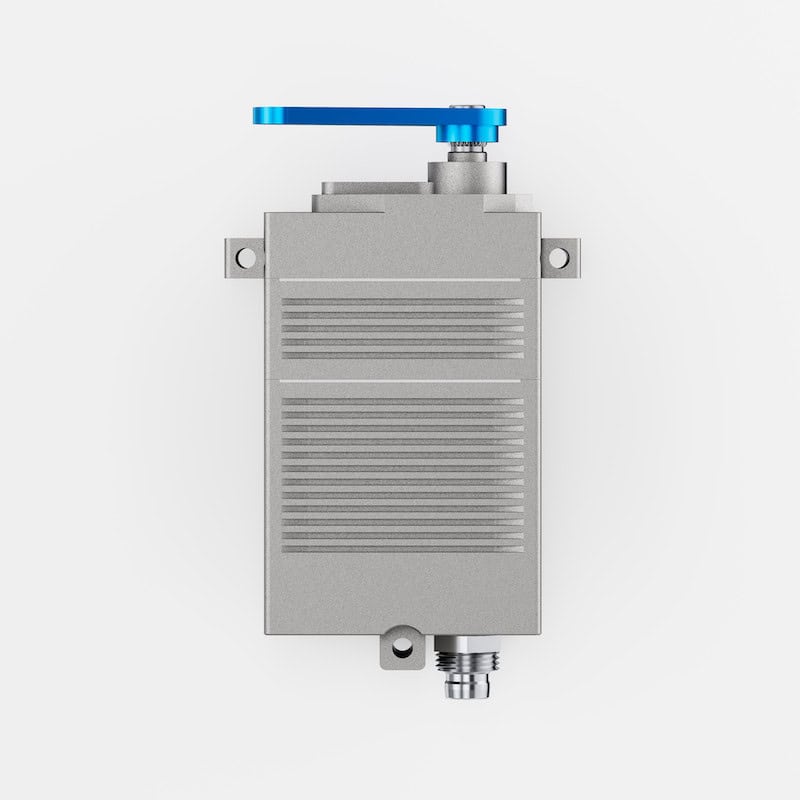
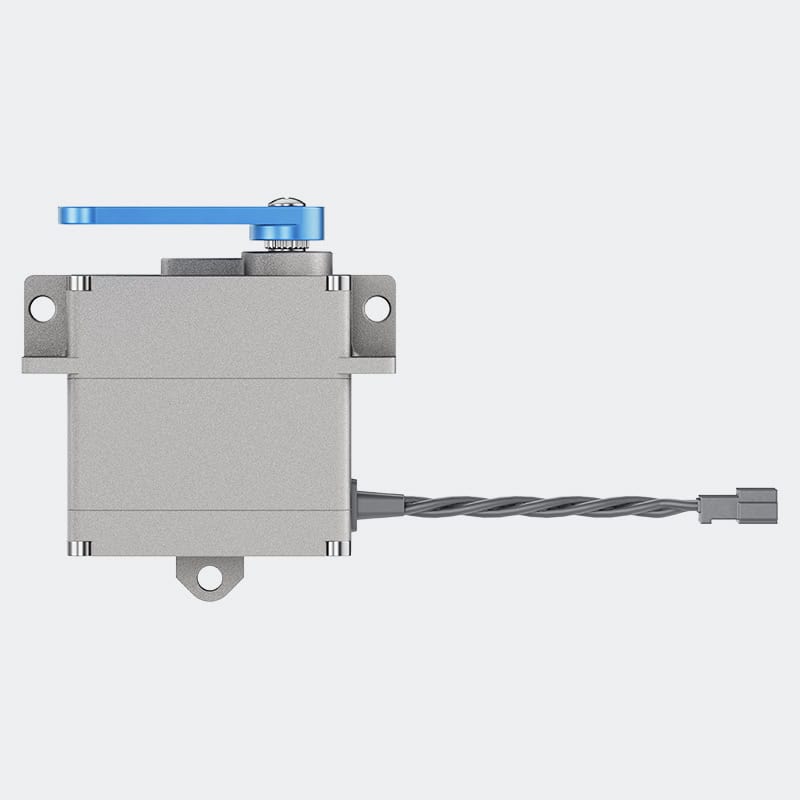
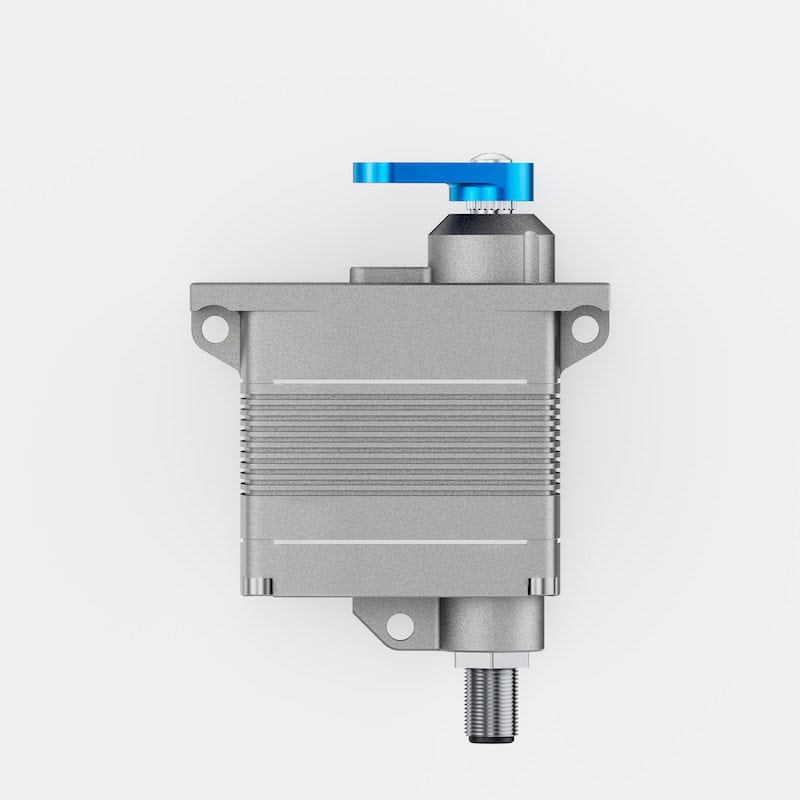
DA 30-MCCS actuator from Volz Servos
While traditional hydraulic systems still serve in heavy-duty actuation where maximum force density is required, such as in aircraft landing gear or armored vehicle turrets, there is a strong and active industry trend toward electromechanical actuators (EMAs) and hybrid electro-hydraulic systems. EMAs are increasingly favored for their cleaner operation, lower maintenance footprint, and superior digital controllability, supporting the industry-wide shift toward all-electric defense platforms.
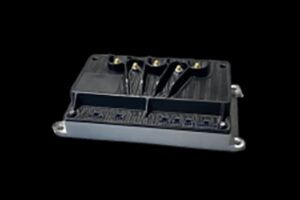
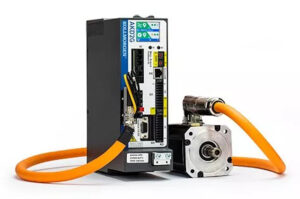
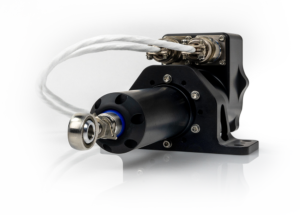
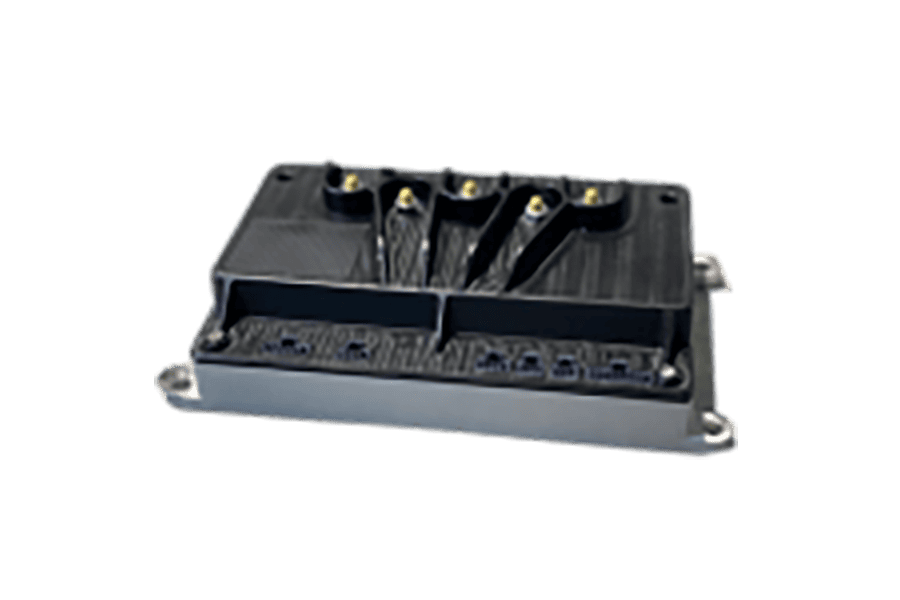
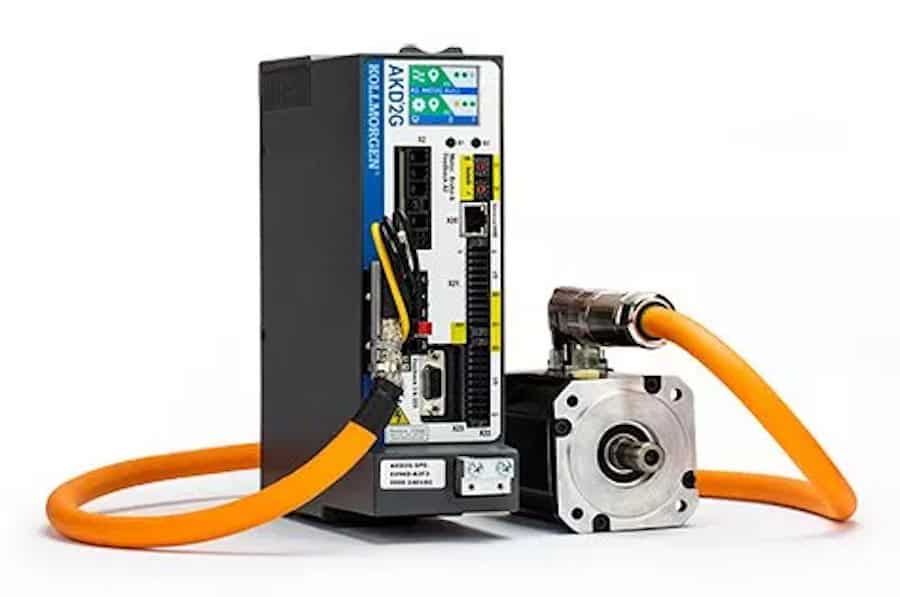
Rayon 135 DC Servo Motion Controller by Redler Technologies
Servo motors are the workhorse of high-precision actuation, delivering continuous position control with high torque-to-weight ratios. They are ideal for sophisticated stabilized gimbals, advanced antenna systems, and flight control surfaces. Stepper motors provide robust incremental control for applications where simple, open-loop positioning is acceptable, such as precise optical alignment mechanisms within specialized camera motion control systems or filter-wheel mechanisms inside ISR pods.
Brushless DC (BLDC) motors provide superior efficiency, reduced wear, and a minimal electromagnetic signature, making them highly beneficial for stealth platforms and long-endurance unmanned aerial vehicles (UAVs). Linear motors, meanwhile, eliminate mechanical transmission elements, providing direct linear motion control systems for rapid, vibration-free movement.
High-resolution position sensors, encoders and resolvers are fundamental for positional feedback, translating mechanical movement into precise digital signals. In harsh environments, magnetic and optical encoders must be ruggedized, shielded, and sealed to meet rigorous MIL-STD durability criteria.
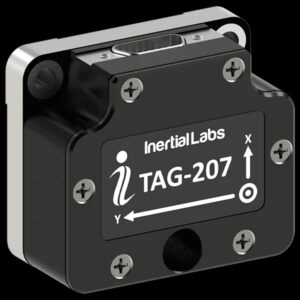
Two & Three Axis Gyroscopes (TAG) by Inertial Labs
Inertial Measurement Units (IMUs) integrate accelerometers, gyroscopes, and magnetometers to deliver essential 3D motion data. Data from inertial systems is fused with encoder and GPS data to enable stabilization on highly dynamic platforms, such as naval gun mounts or UAV gimbals.
Combining multiple sensing modalities provides necessary redundancy and significantly enhances accuracy. Sophisticated sensor fusion algorithms filter noise and detect anomalies, maintaining operational continuity and stability even in the event of partial sensor failure, a non-negotiable requirement for many multi-axis motion control systems.
Modern defense motion solutions are continually evolving, integrating next-generation technologies:
Defense motion systems are critical cyber-physical assets and are vulnerable to electronic intrusion. Modern controllers now employ secure boot processes, encryption, and hardware root-of-trust technologies to prevent unauthorized firmware tampering.
Compliance with DoD cybersecurity frameworks ensures that control networks maintain confidentiality, integrity, and availability under adversarial conditions. Secure communication protocols and isolated network domains are standard practice to safeguard against cross-platform compromise.
The defense sector relies heavily on specialist engineering companies that provide the core components for precision motion control systems. These firms are experts in designing, manufacturing, and integrating ruggedized, military-grade solutions for the most demanding applications – from actuation, motors, and sensing systems to full stabilized platforms. Find specialist motion control solutions vendors at the top of this page.


 Searching Companies & Products