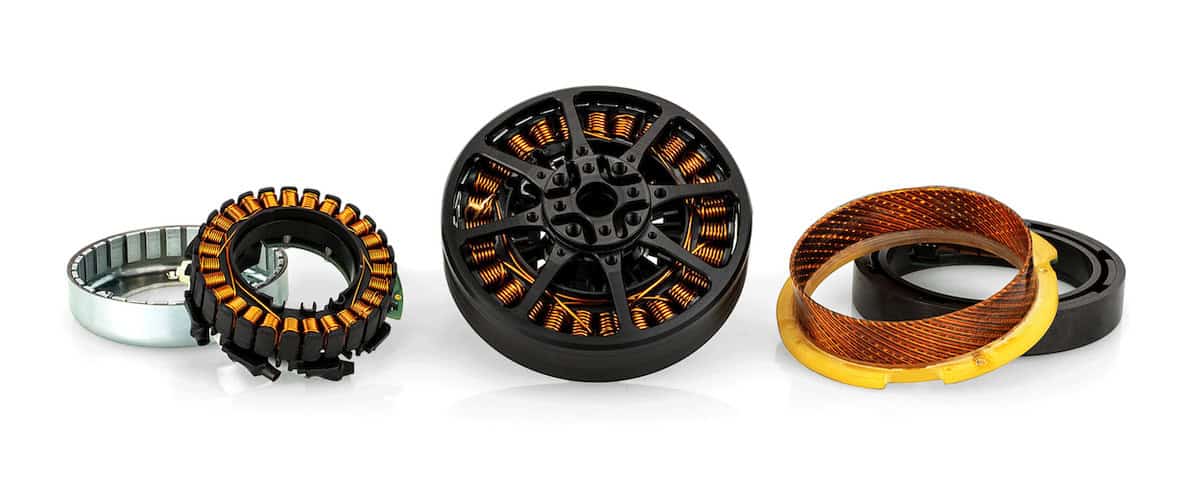
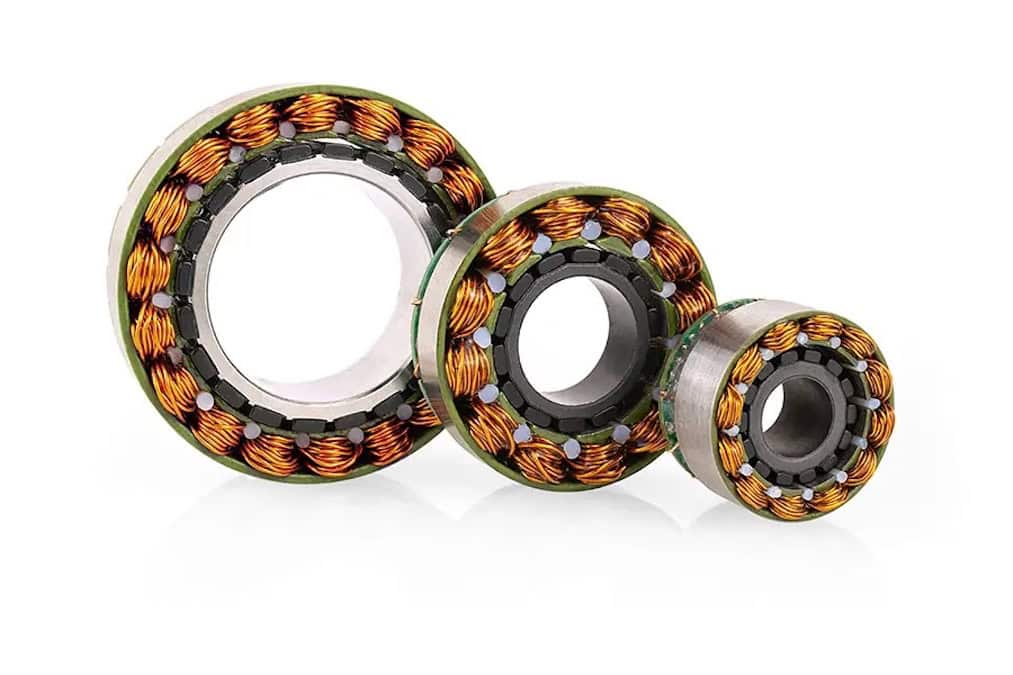
Allient has released a new whitepaper, An Engineering Guide to Motors for Drone Systems, which provides detailed guidance on the selection and application of motors in UAV platforms.
As a global designer and manufacturer of motion, control, power, and lightweight composite and advanced materials solutions, Allient supports drone and Unmanned Aerial Systems (UAS) with both COTS and MOTS components, as well as configurable solutions designed for defense applications and tailored to specific performance and integration requirements.
The whitepaper addresses the continued expansion of the drone market, where platforms are taking on more complex missions across a wide range of applications. As system demands increase, motor performance, efficiency, and reliability play a critical role in overall system effectiveness. The document outlines how motors support both propulsion and payload stabilization and details the types of motors commonly used in UAV systems, alongside key engineering considerations.
Technical topics covered include thermal design under airflow conditions, thrust-to-weight trade-offs, and the importance of evaluating motor performance under sustained load, available cooling, and thermal limits rather than nominal specifications alone. The guide also examines engineering challenges associated with UAV motor integration and provides insight into how these factors influence system design and operational capability.
A key focus of the whitepaper is the selection of motors based on mission profile. UAV platforms vary significantly in payload, flight duration, duty cycle, and operating environment, meaning no single motor configuration is suitable for all applications. The document identifies common mission profiles, including endurance-focused platforms, lift-oriented systems, and precision payload and gimbal applications, each with distinct requirements for torque delivery, efficiency, cooling strategy, and control approach.
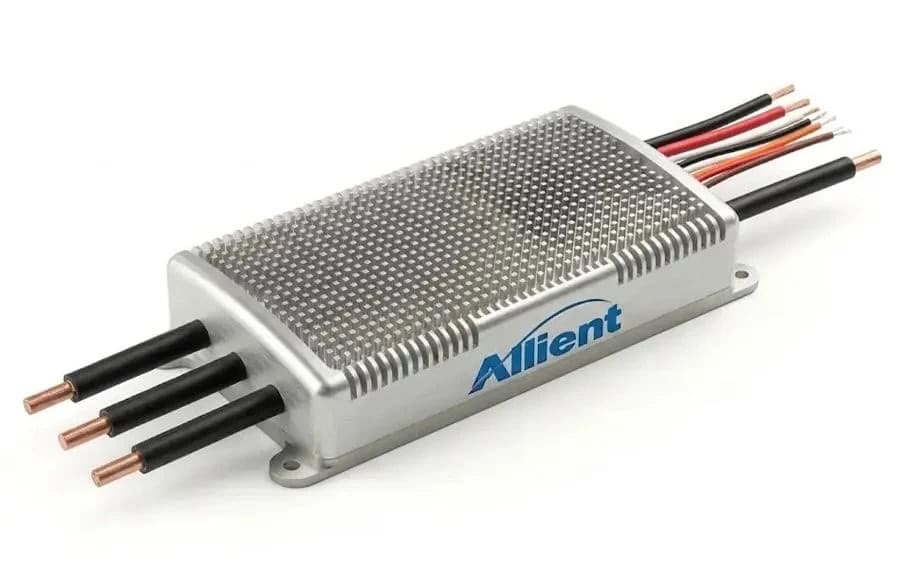
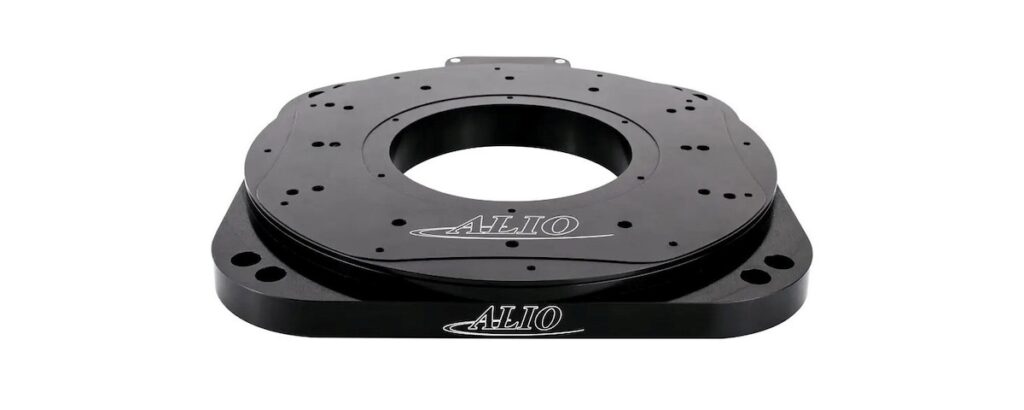
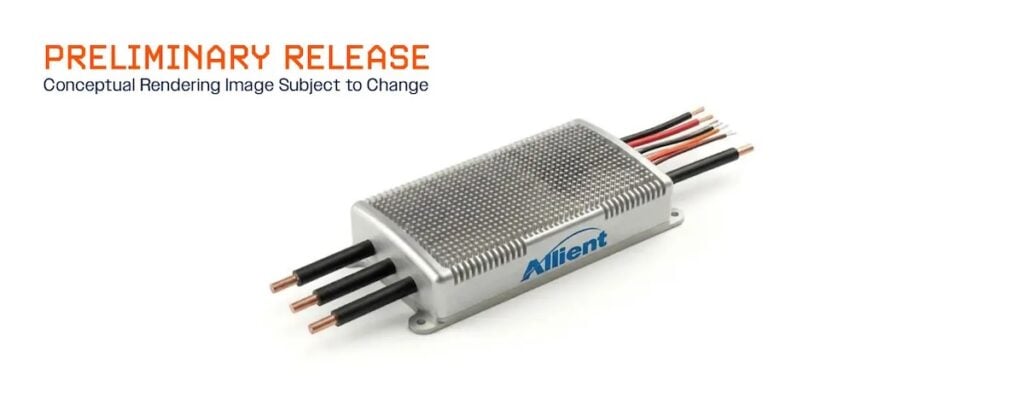
In addition, the whitepaper includes example use cases, emerging trends influencing UAV motor development, and a practical engineering checklist to support motor selection. Allient also highlights its capabilities in delivering propulsion motors, electronic speed controllers, gimbals, propellers, and mission-ready kits, supported by decades of engineering experience and high-volume manufacturing in the United States.