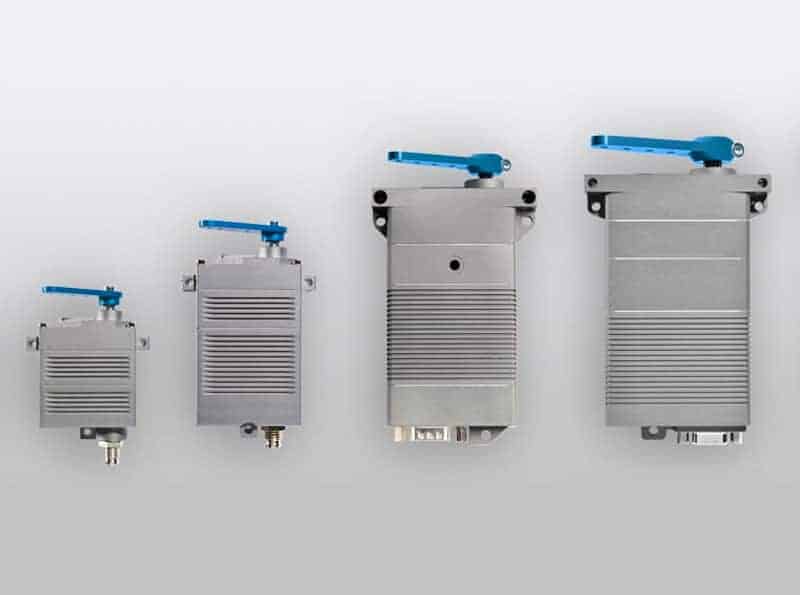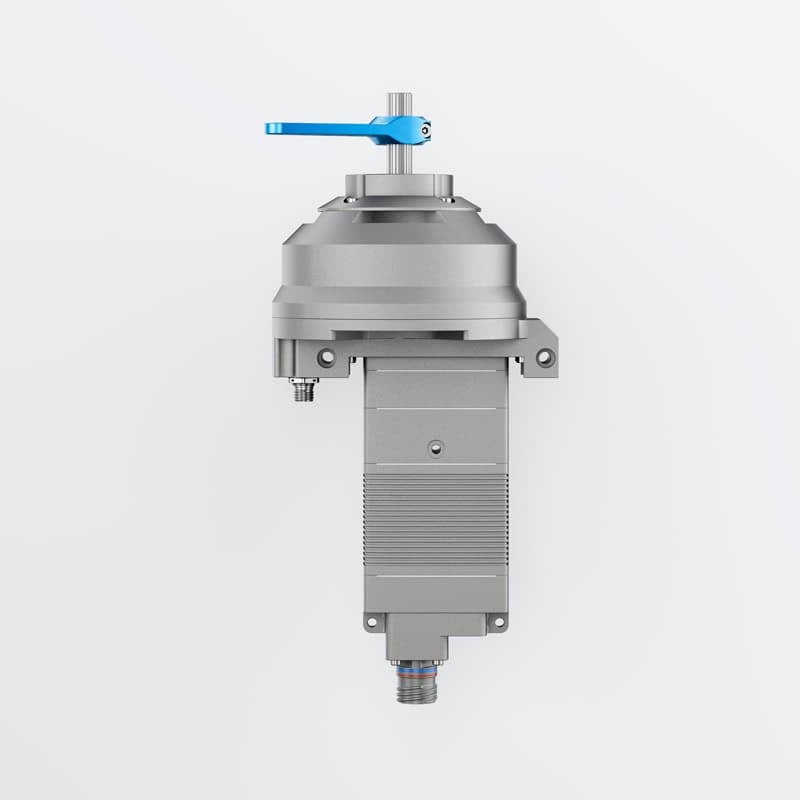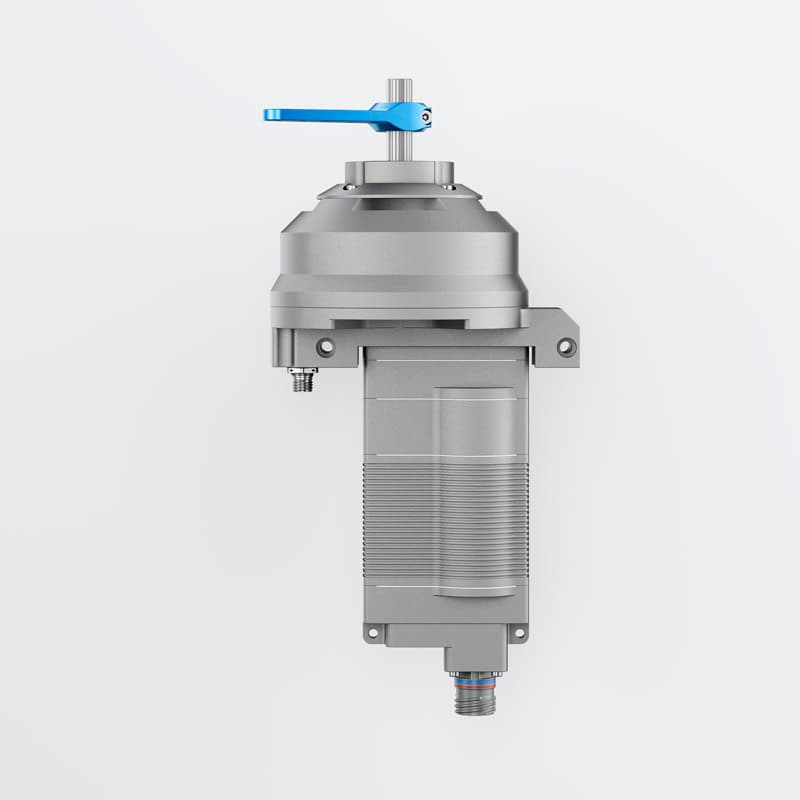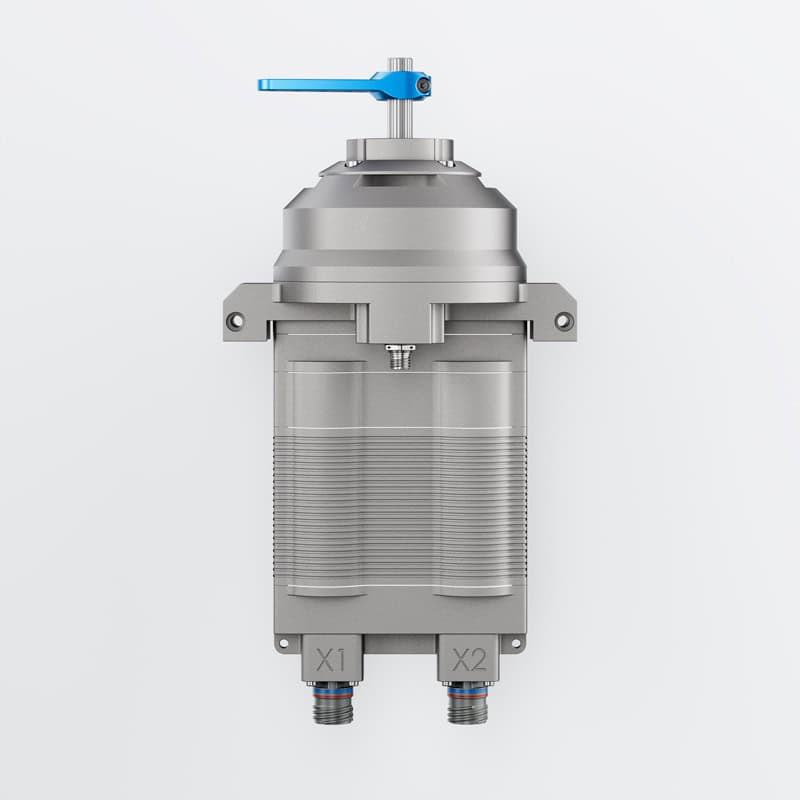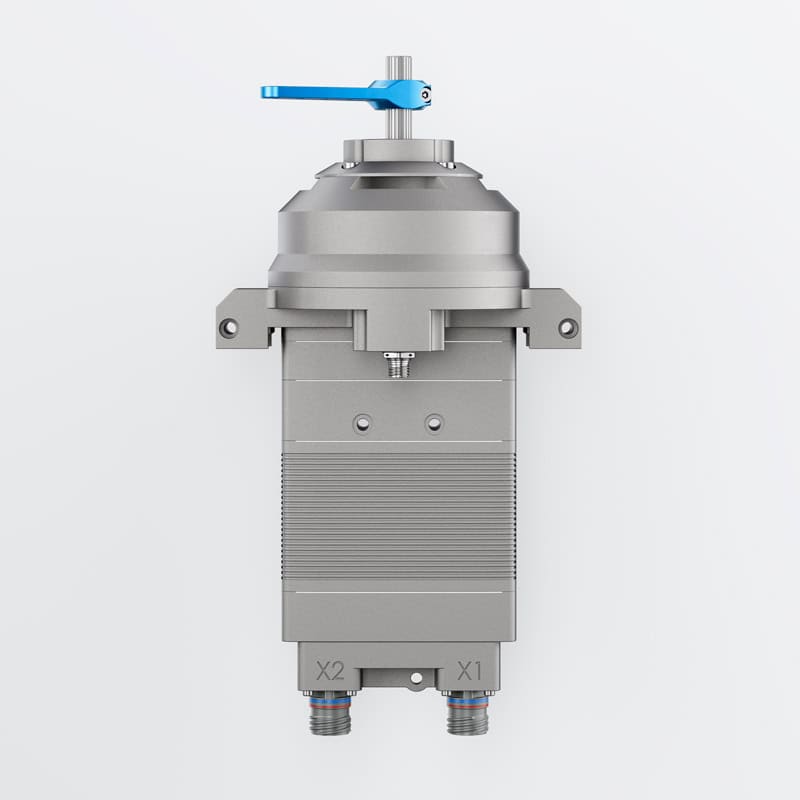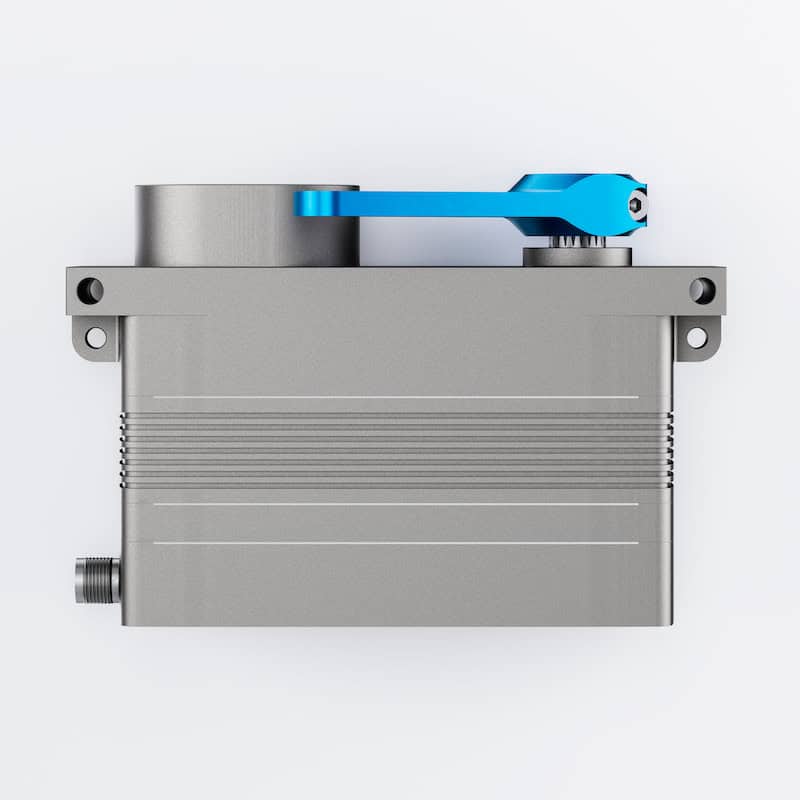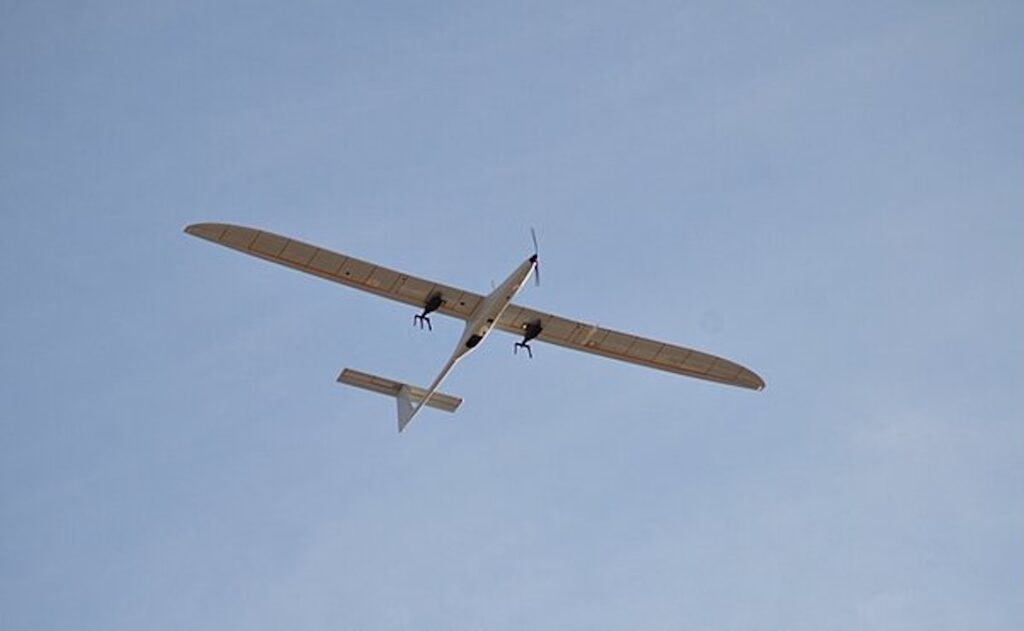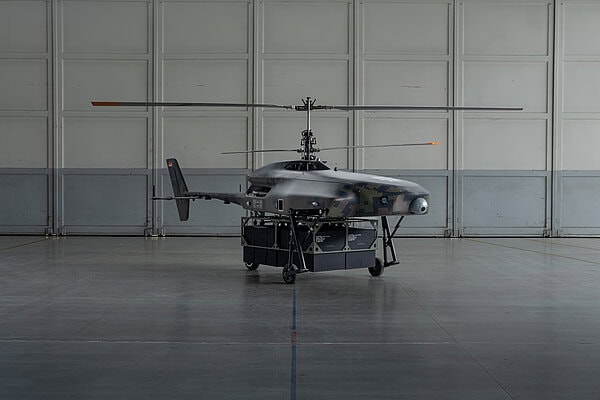

Volz Servos has provided high-performance actuation for Jetoptera’s FTC-250 powertrain to support the precise control requirements of its Fluidic Propulsion System.
The propulsion architecture departs from conventional rotor-based designs, utilizing compressed air and Coandă-type thrusters to generate thrust. This approach produces a powerful and quiet VTOL capability that requires extremely fast response times for airflow distribution and thrust-vectoring. Volz actuators serve as the core control mechanism for these functions, managing everything from airflow metering to compressor protection.
Specifically, the Volz servos drive butterfly valves that meter compressed air to each individual thruster. They are also responsible for rotating the rear thrusters approximately 100 degrees, allowing the aircraft to transition from vertical to wing-borne flight and back again within a six-second window. During forward flight, the actuators shut off the forward thrusters to optimize efficiency.
To ensure operational safety, the system utilizes redundant duplex servo architectures. The actuators also operate high-speed relief valves designed to prevent compressor stalls during rapid maneuvers. Jetoptera’s system benefits from a digital command interface and telemetry feedback, which reduces the need for extensive wiring and shielding while overcoming the inertia challenges typically found in traditional propeller-driven systems.
Volz CEO Phillipp Volz said, “This fluidic propulsion is a really powerful system and we are proud that Jetoptera chose Volz for actuators. What really matched with Volz and Jetoptera was the fast response, minimal EMI and cabling, and the digital bus control with telemetry.”
By integrating these high-bandwidth servos, the FTC-250 achieves the stable, rapid response necessary for fluidic propulsion to function effectively in real-world flight conditions.