Propulsion Systems for Military & Defense Applications
Military-grade engines, electric motors, propellers, and fuel management technologies
Propulsion systems are fundamental to the performance and capabilities of military platforms, powering vehicles, aircraft, and naval vessels across all domains. These systems influence speed, range, payload, and operational stealth, making them critical components in defense applications.
If you design, build or supply Propulsion & Fuel Systems, create a profile to showcase your capabilities and connect with visitors who have an active requirement for your solutions.
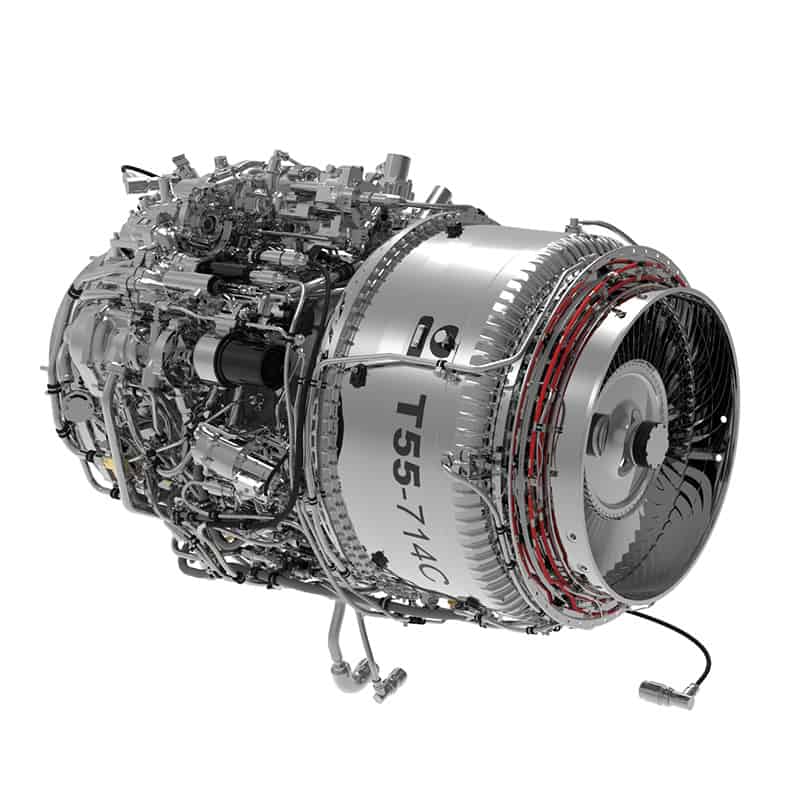
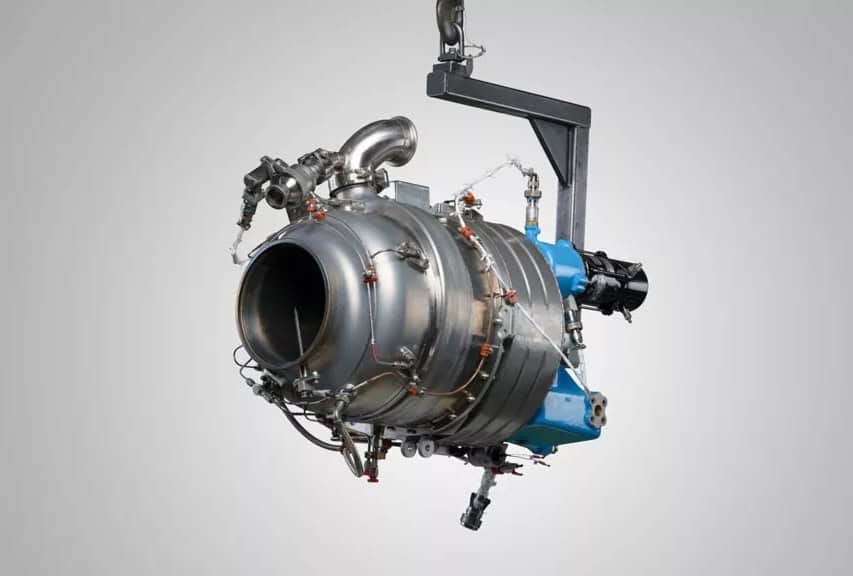
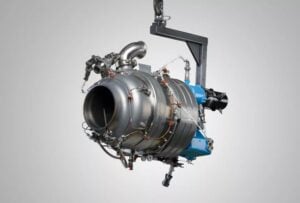
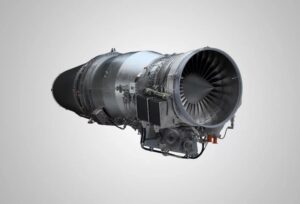
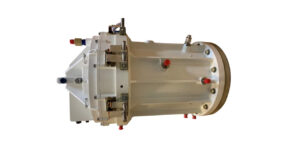
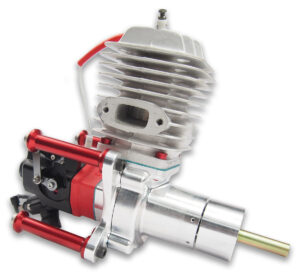
...in battle tank propulsion requirements, and currently serves as the powerplant for the M1 Abrams.... ......ed air induction system that reduces foreign object damage and decreases maintenance...
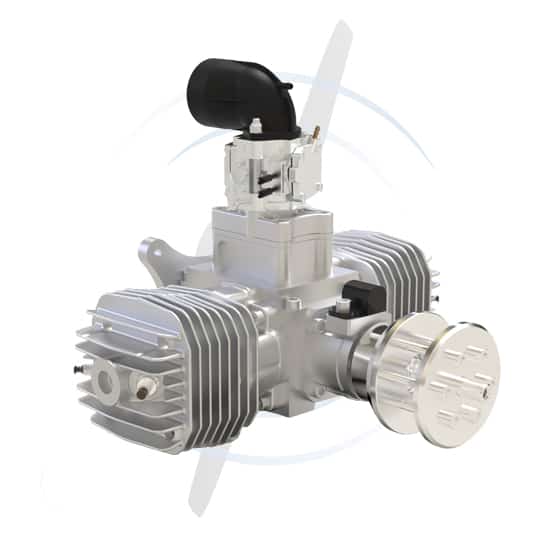
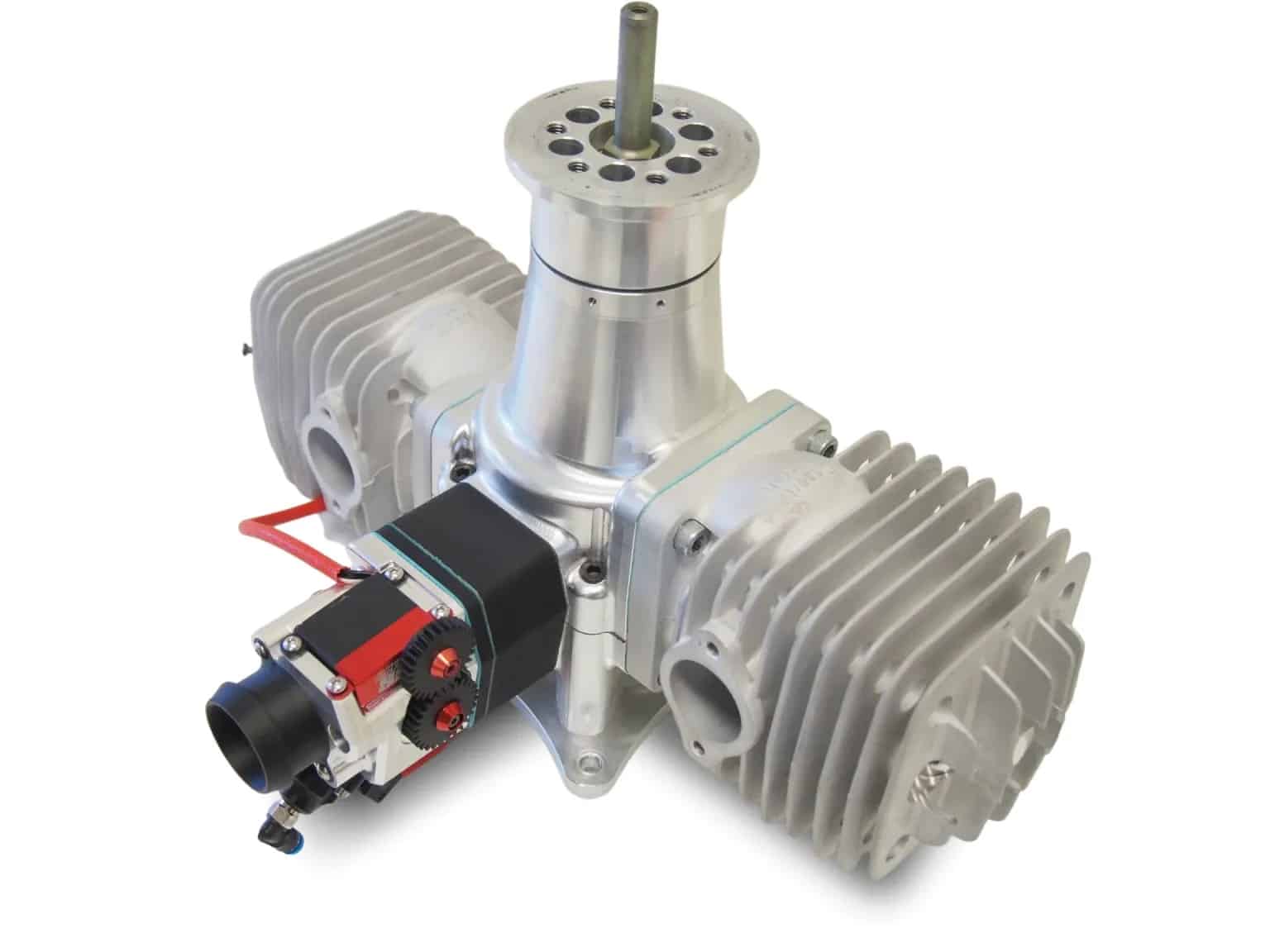
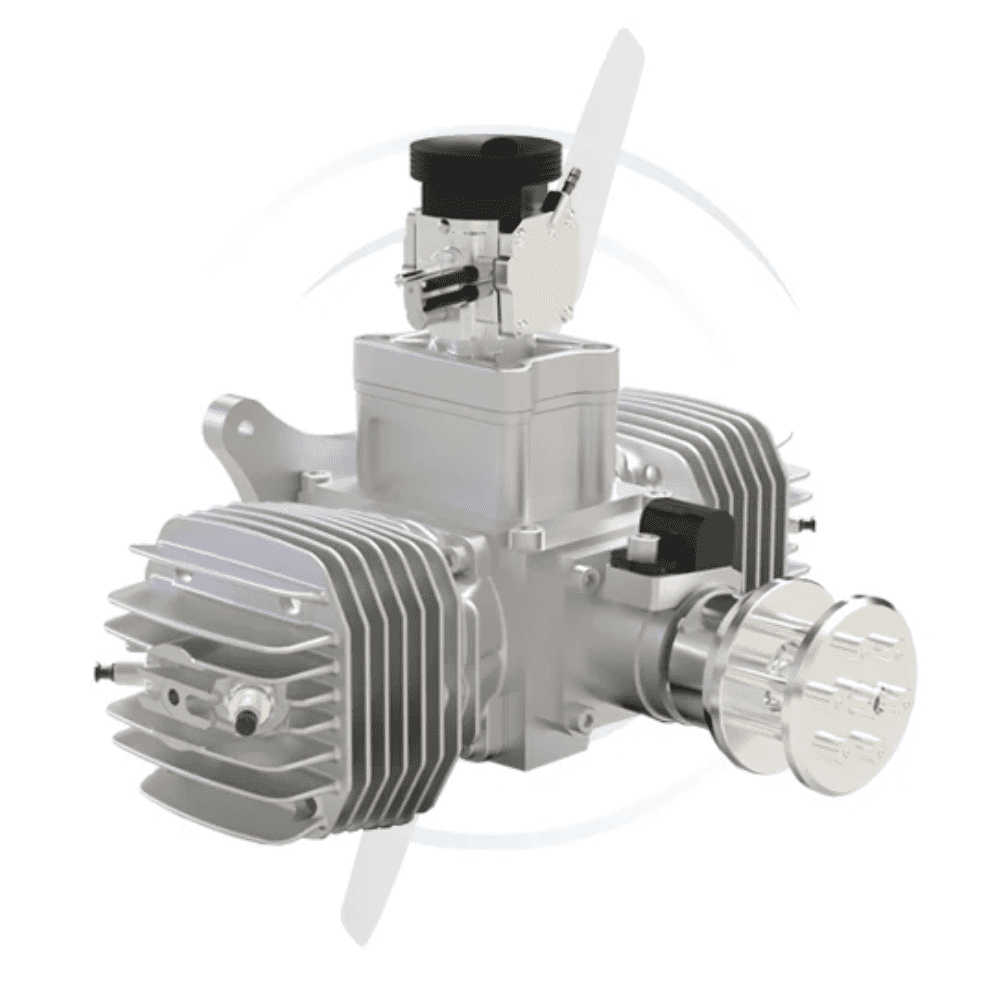
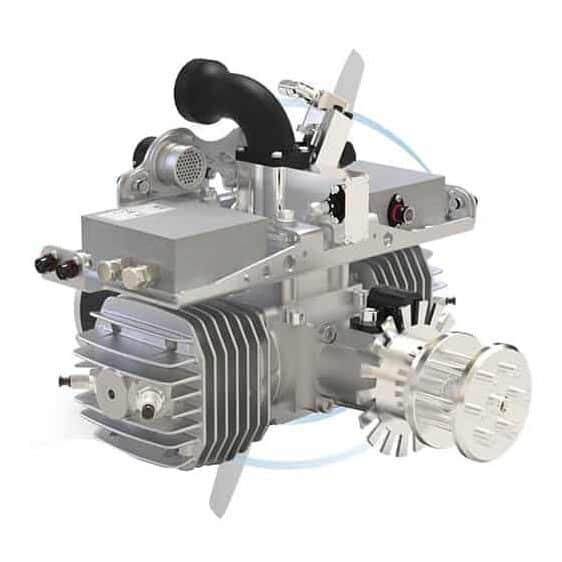
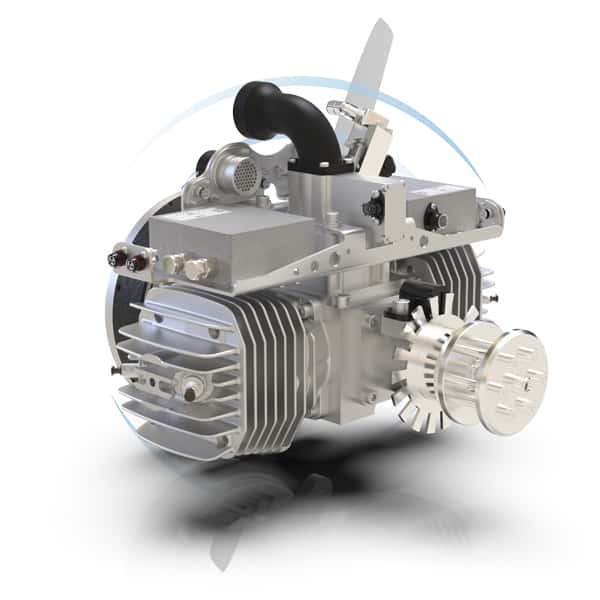
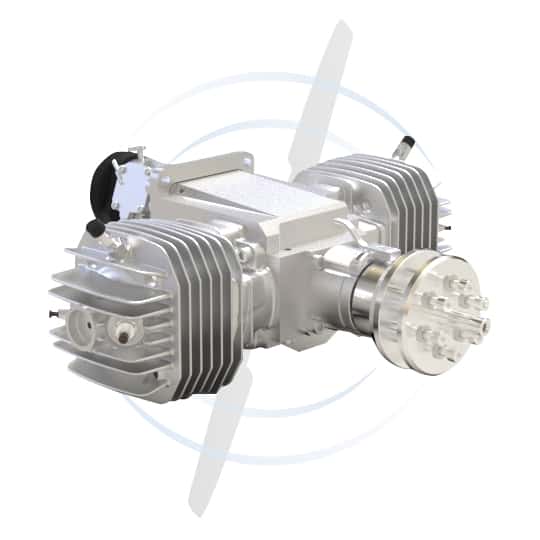
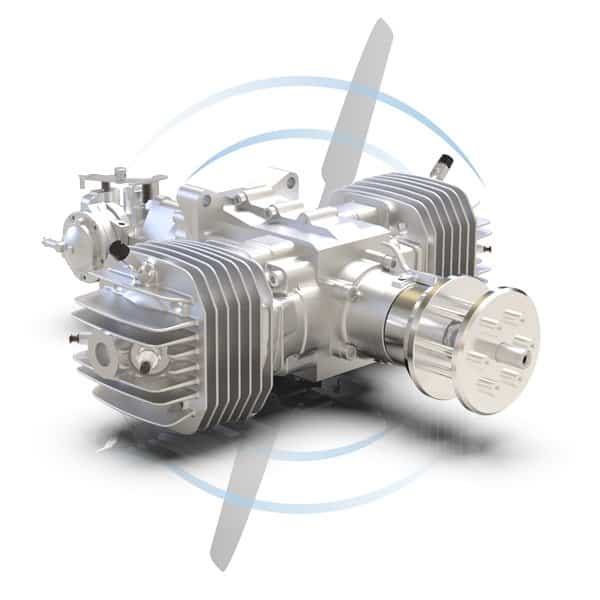
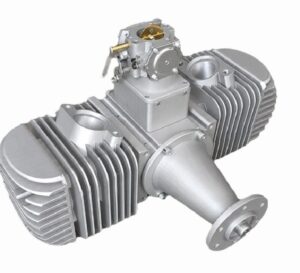
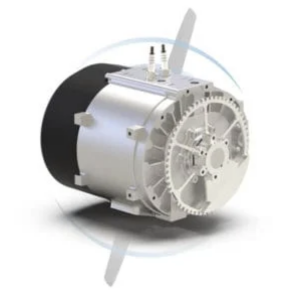
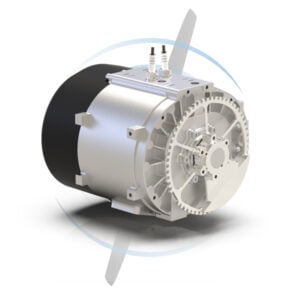
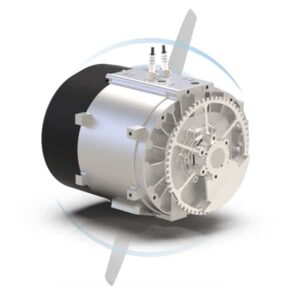
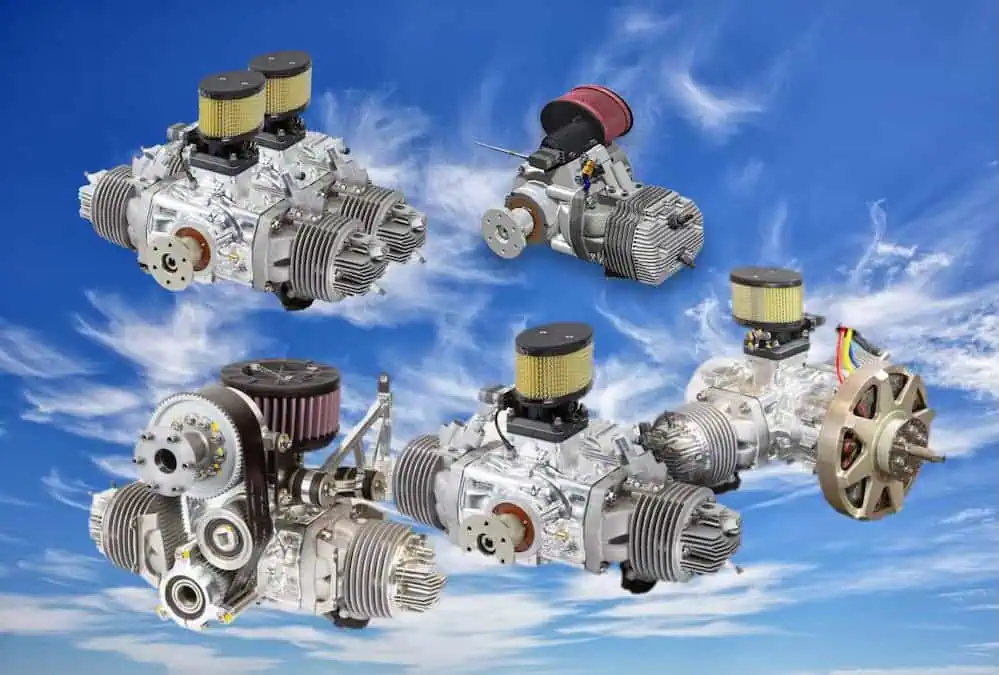
...lagship of our propulsion portfolio. This wankel propulsionsystem has a complex patented internal... ...ultiple engine systems flying in all environmental conditions globally. The SP-180 has a proven...
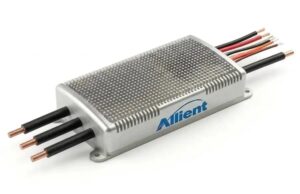
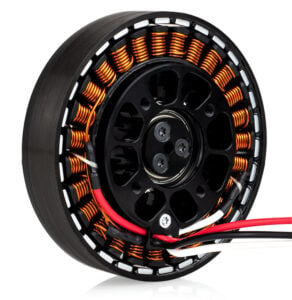
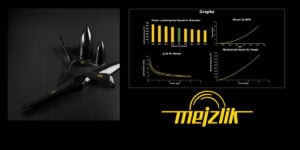
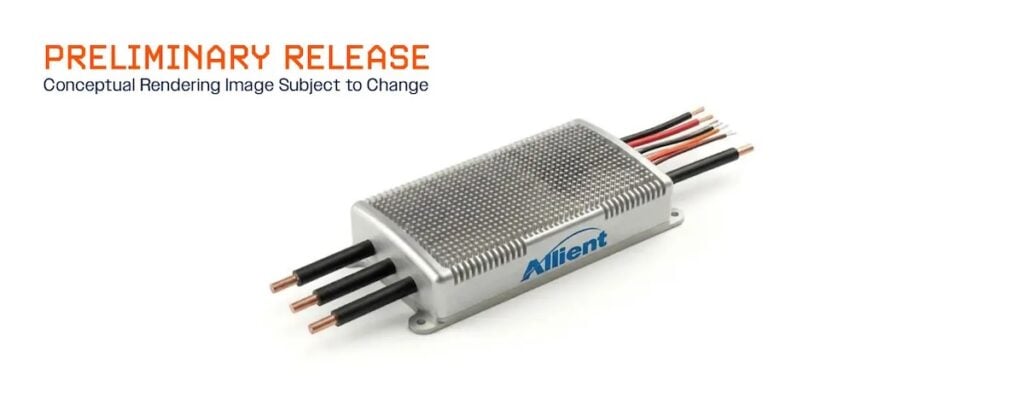
Gallium nitride-powered electronic speed controller for military UAV motor control
Gallium nitride-powered electronic speed controller for military UAV motor control
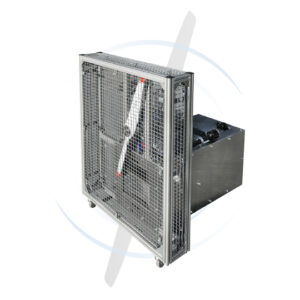
...r professional defense and government UAV propulsionsystems. Combining Gallium Nitride (GaN) power... ...rical power in defense UAVs, including heavy-payload and long-endurance platforms. Compact GaN...
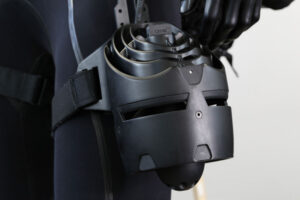
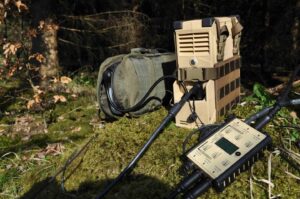
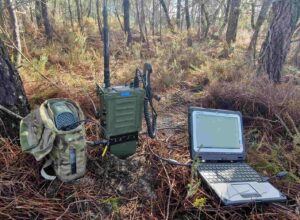
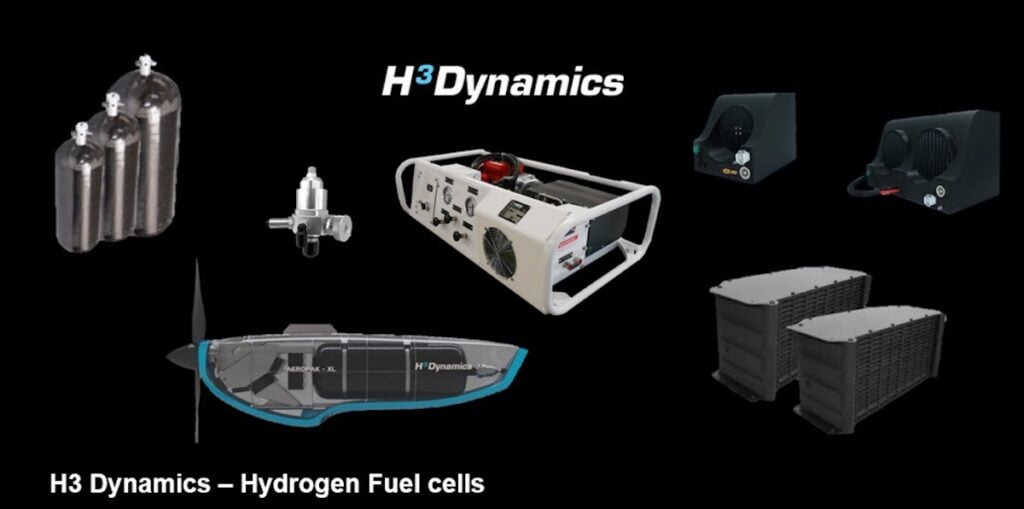
Portable military-grade fuel cell delivering up to 50W of continuous silent power
Portable military-grade fuel cell delivering up to 50W of continuous silent power
...eld-deployable applications. With up to 50W continuous output, the compact and lightweight system is... ... with standard military battery formats and power configurations. It is currently deployed with...
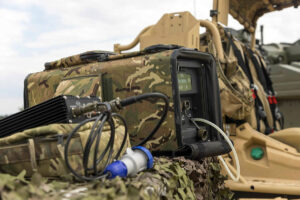
Portable military-grade fuel cell delivering up to 25W of continuous silent power
Portable military-grade fuel cell delivering up to 25W of continuous silent power
......pact and lightweight system is ideal for dismounted operations and covert or reconnaissance... ... with standard military battery formats and power configurations. It can be combined with the MERLIN...
Overview of Propulsion Systems for Military & Defense Applications
Overview by
Sarah Simpson
Updated:
In military operations, propulsion systems determine how defense platforms maneuver, sustain missions, and remain tactically effective. From high-thrust rocket engines used in interceptors to silent electric drives in subsea drones, the scope of military propulsion includes an array of technologies. Systems are selected based on mission needs: speed, endurance, stealth, and energy efficiency.
With evolving demands and technology innovation, modern defense propulsion now spans internal combustion engines, electric and hybrid powertrains, and alternative energy-based designs such as hydrogen fuel cells and solar-electric systems.
Applications of Military Propulsion Systems
Propulsion systems support a diverse set of defense applications, each with distinct operational requirements across air, land, sea, subsea, and space domains.
Manned and Unmanned Aircraft
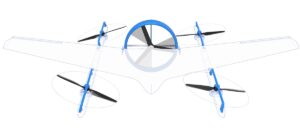
Manned aircraft and rotorcraft, as well as Unmanned Aerial Vehicles (UAVs), rely on propulsion systems selected according to endurance, payload weight, altitude, speed, acoustic signature, and mission profile. UAV propulsion systems may include electric motors, hybrid systems, piston engines, turbine engines, and heavy fuel designs for ISR and tactical missions, while military drone propulsion systems are often optimized for range, payload capacity, fuel compatibility, or reduced acoustic output.
A heavy fuel propulsion system can be important for larger UAVs where diesel, JP-5, JP-8, or similar fuels are preferred for logistics, safety, and compatibility with deployed military fuel supplies. Manned aircraft propulsion systems typically include turbine engines, turboshaft systems, turboprops, turbofans, and hybrid-electric propulsion to support high-speed flight, lift, range, and mission endurance.
Tactical Ground Vehicles and UGVs
Tactical military vehicles and Unmanned Ground Vehicles (UGVs) use compact piston engines, diesel piston engines, electric motors, onboard energy storage systems, and emerging hybrid systems optimized for power and efficiency. Engines for defense vehicles must support mobility across rough terrain, payload loads, long operating periods, and field maintenance constraints.
Military vehicle propulsion systems may include conventional drivetrains, electric drive units, hybrid-electric architectures, auxiliary power units, and integrated power management systems that support onboard electronics, sensors, and communications equipment.
Naval, Subsea, and Underwater Vehicles
Naval and subsea platforms, including Unmanned Underwater Vehicles (UUVs), require marine propulsion systems that balance endurance, acoustic signature, maneuverability, and power availability. Naval propulsion systems may include diesel engines, gas turbines, electric drives, nuclear propulsion, pump-jets, waterjets, and hybrid arrangements, depending on whether the platform is a surface vessel, submarine, unmanned surface vessel, or subsea vehicle.
UUVs commonly use silent propulsion based on lithium batteries, fuel cells, and electric motors for covert surveillance, mine countermeasure missions, seabed mapping, and subsea monitoring. In these applications, quiet operation, cavitation control, low-speed maneuverability, and endurance are often more important than maximum speed.
Space and High-Speed Defense Systems
Space propulsion systems are used in satellites, spacecraft, interceptors, and other high-altitude or orbital defense applications where thrust, guidance, and precise maneuvering are mission-critical. These systems may include chemical rocket engines, electric propulsion, cold gas thrusters, and other specialized architectures designed for vacuum operation, rapid response, or station-keeping.
In missile, interceptor, and launch-related applications, propulsion systems are selected according to acceleration, burn duration, thrust control, and operational environment.
Types of Propulsion Systems for Defense Platforms
The following propulsion architectures are used across air, land, sea, and undersea military domains:
Internal Combustion Propulsion
Widely adopted in legacy and modern platforms, combustion engines provide robust performance and reliability.
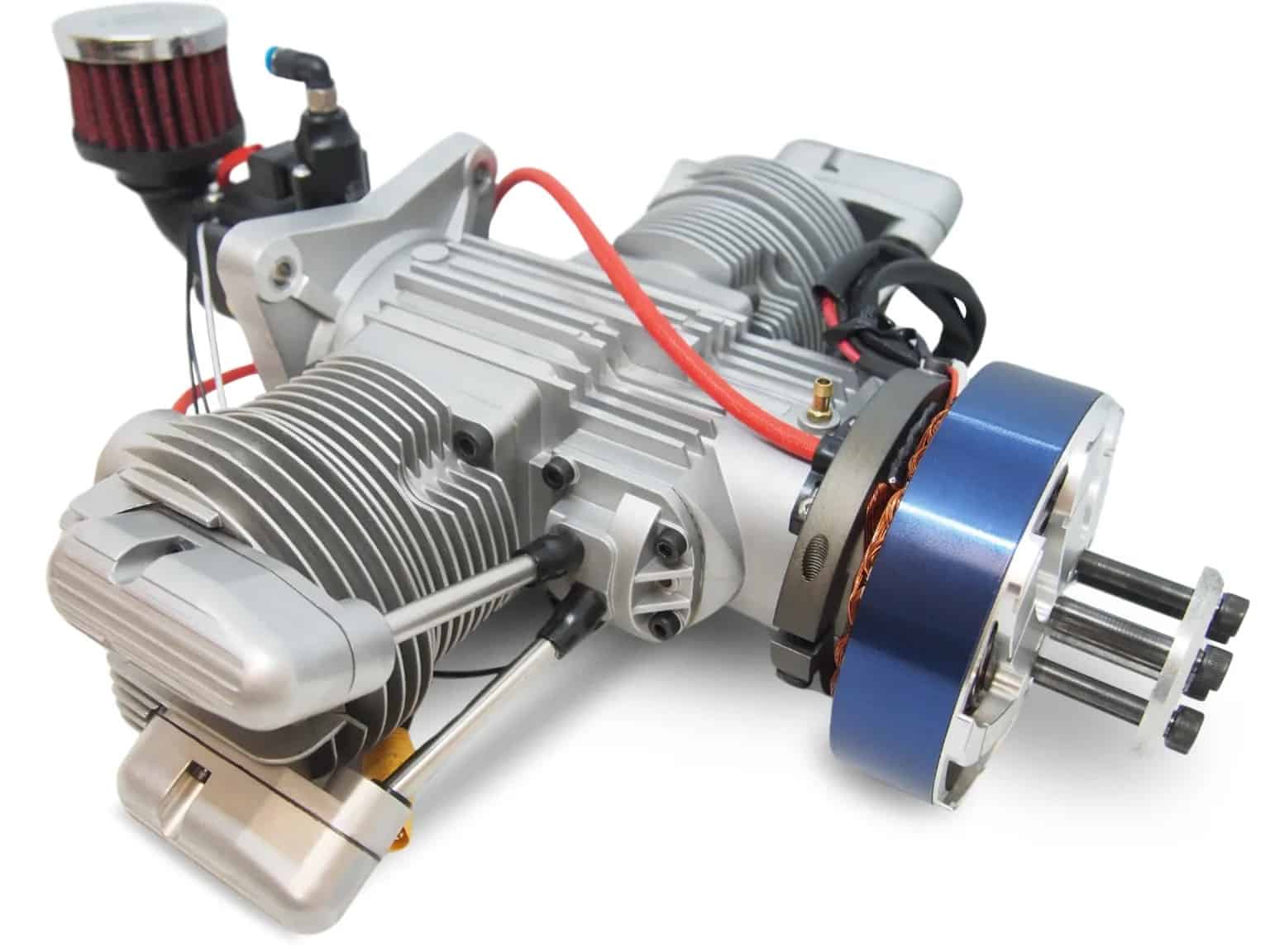
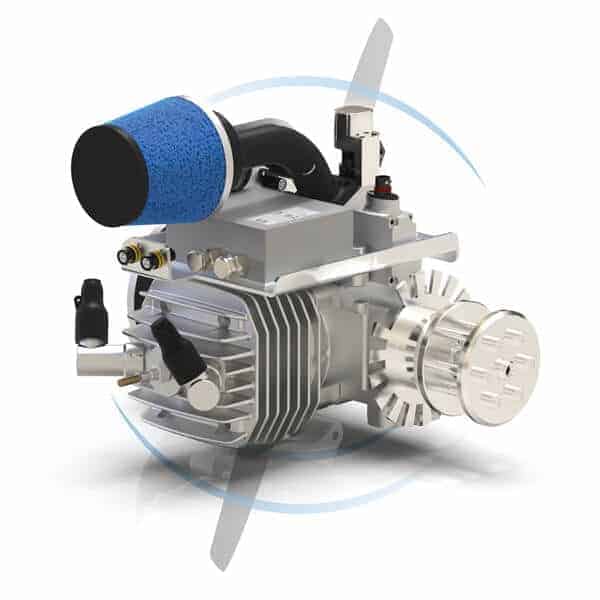
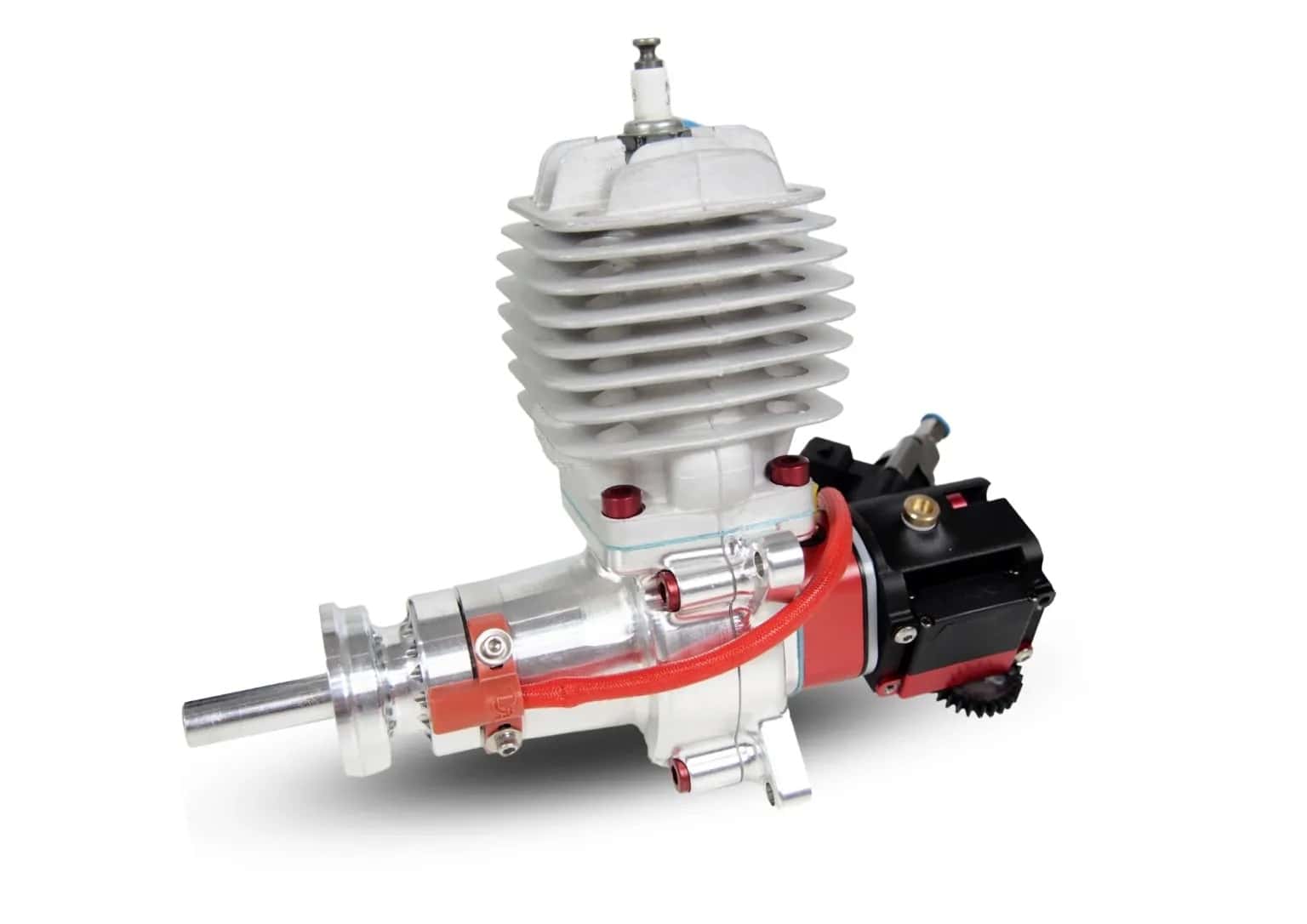
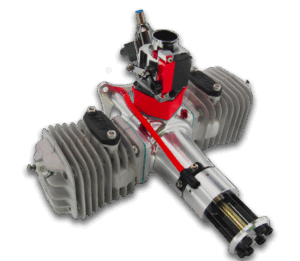
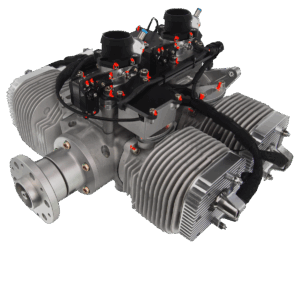
Piston Engines: Common in UAVs, UGVs, and small tactical vehicles. Two-stroke and four-stroke variations offer simplicity and mechanical durability. Deliver mechanical drive via gearboxes and drive shafts to rotary propulsors such as wheels or drone propellers.
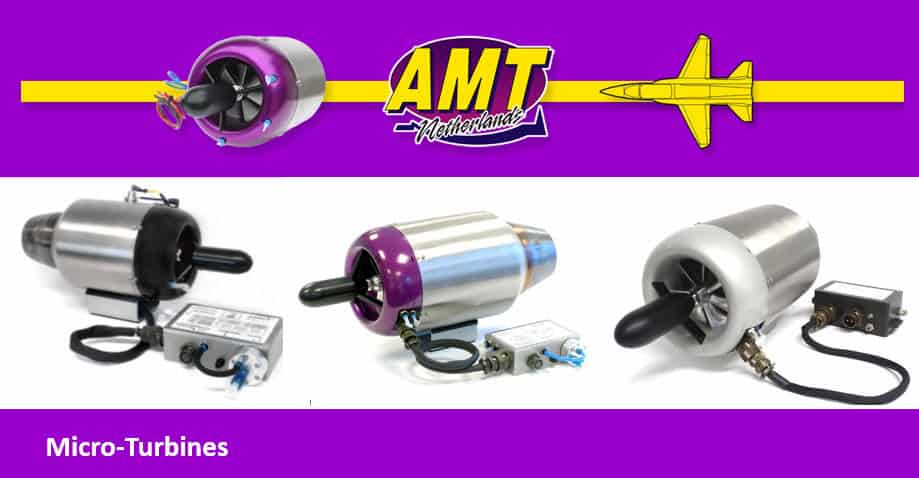
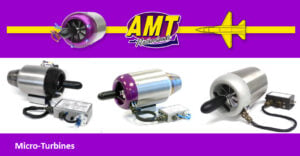
Turbine Engines: Encompass turbojet, turbofan, turboshaft, and turboprop models. Deployed in fast jets, drones, helicopters, and manned aircraft requiring high thrust-to-weight ratios.
Pulse Jet Engines: Valveless designs generating high thrust with no moving parts. Useful in expendable systems or target drones.
Rocket Engines: Include both solid and liquid propellant variants. Employed for rapid ascent and high-speed strike applications.
Fuel Supply Systems: Comprising fuel tanks, pumps, injectors, and integrated fuel management systems. These components ensure precise delivery and safety under extreme conditions.
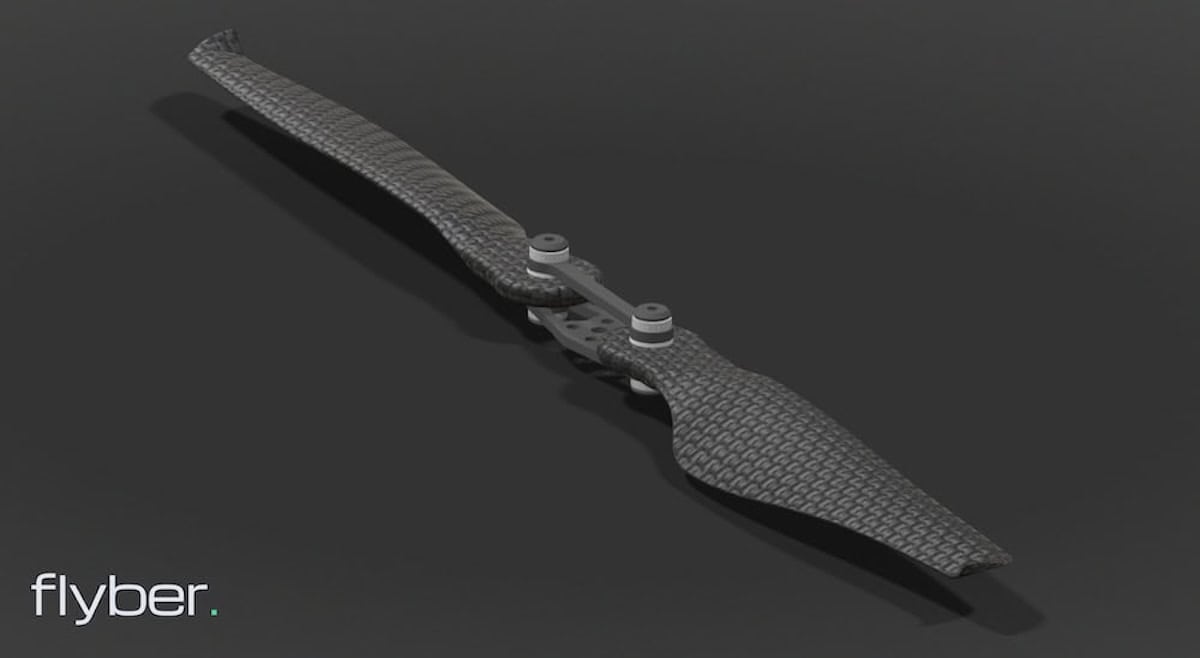
Mechanical Propulsors: Include propellers, rotors, and fans mechanically coupled to combustion engines. Propeller design impacts torque transfer, acoustic footprint, and propulsion efficiency.
Electric Propulsion
Electric systems are increasingly used for their quiet operation and low thermal signature, key for stealth missions.
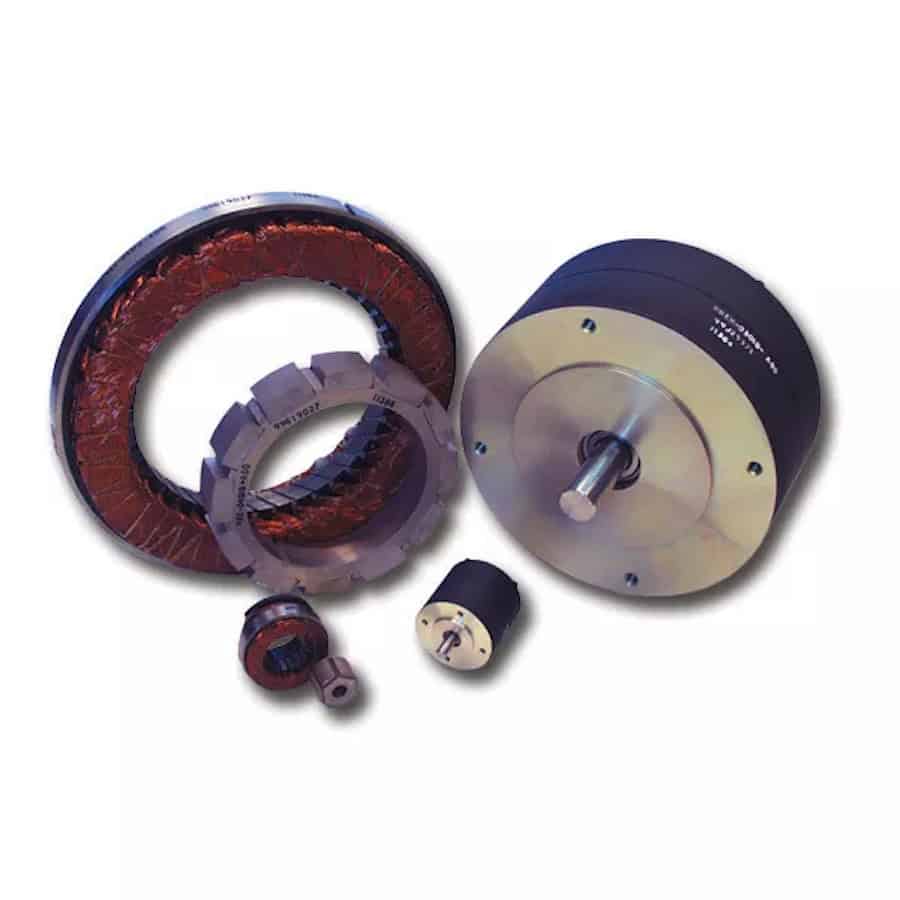
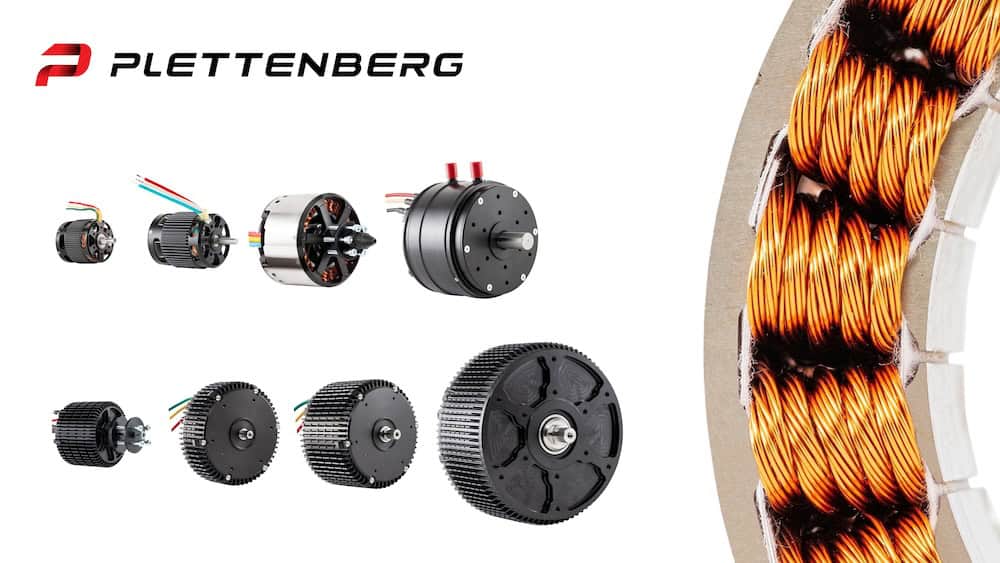
Electric Motors: Includes brushed DC, brushless DC (BLDC), stepper motors, and synchronous AC motors. Selection depends on torque requirements, weight, and control complexity.
Batteries: Lithium-ion (Li-ion), lithium-polymer (LiPo), and solid-state batteries power modern aerial, ground, and subsea defense drones.
Battery Management Systems (BMS): Monitor and optimize battery performance. Vital for safe operation and maximizing battery longevity in the field.
Charging Infrastructure: Incorporates onboard chargers and external ground-based systems. Enables rapid battery recharge during deployments or at forward operating bases.
Electric Propulsors: Propellers and waterjets integrated with electric motors are optimized for low noise and minimal heat emission, critical for ISR and clandestine missions.
Hybrid Propulsion
Hybrid systems combine combustion and electric propulsion to balance endurance, power, and stealth.
Hybrid Architectures: Parallel hybrids power propulsion and recharge batteries simultaneously. Series hybrids drive electric motors via combustion-generated electricity.
Hybrid Turbines: Modified turbine engines with electric augmentation. Applied in advanced UAVs and next-gen manned platforms.
Auxiliary Power Units (APUs): Generate electrical power independently of the main engine. Used to run avionics or recharge batteries when engines are off.
Hybrid Propulsors: Propeller systems designed for hybrid operation may include variable pitch control or decoupling mechanisms for switching between engine and motor drive.
Alternative and Emerging Propulsion Technologies
Next-generation propulsion is focused on sustainability, logistics efficiency, and battlefield survivability.
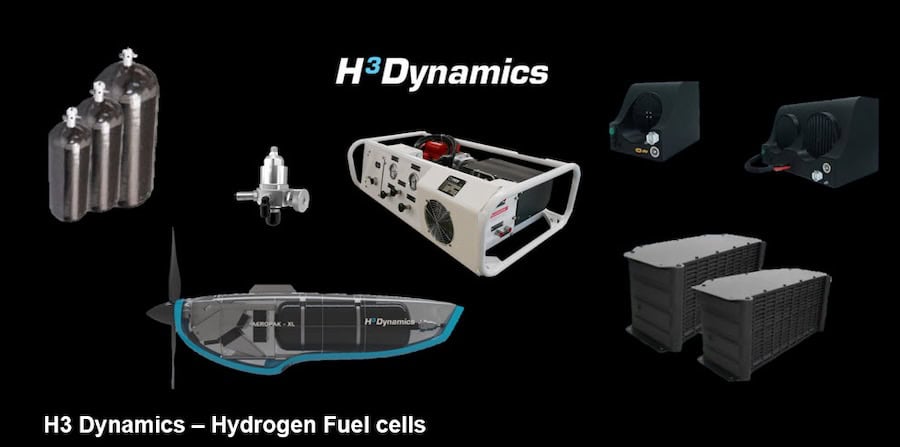
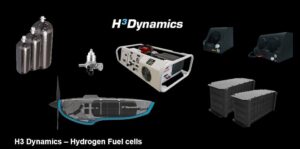
Fuel Cells: Include proton exchange membrane (PEM) and solid oxide fuel cells (SOFCs). Deliver clean, quiet energy using hydrogen or hydrocarbons.
Solar-Electric Propulsion: Integrates photovoltaic arrays for persistent ISR UAVs and long-duration maritime systems.
Nuclear Propulsion: Used in submarines and space-bound systems requiring unmatched endurance and independence from fuel supply chains.
Supercapacitor-Assisted Systems: Deliver instant high-power output for burst maneuvers or emergency propulsion, supporting hybrid powertrains.
Advanced Propulsors: Includes rim-driven thrusters, pump-jets, and waterjets designed for quiet, efficient thrust with minimal hydrodynamic or aerodynamic signature.
Key Components of Military Propulsion Systems
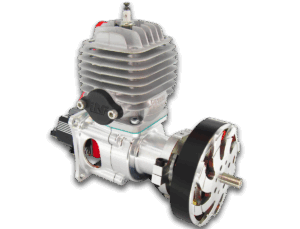
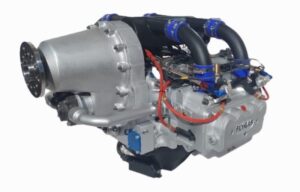
Hybrid propulsion system from Sky Power, the SP-180 SRE Hybrid Wankel Engine.
Defense propulsion systems rely on a range of integrated components and subsystems:
Energy Storage Systems (batteries): Includes Li-ion, LiPo, solid-state batteries, and supercapacitors. Selection affects endurance, recharge time, and operational safety.
Fuel Management Systems: Oversee distribution, metering, and quality of fuels. Enhance combustion efficiency and prevent supply failures.
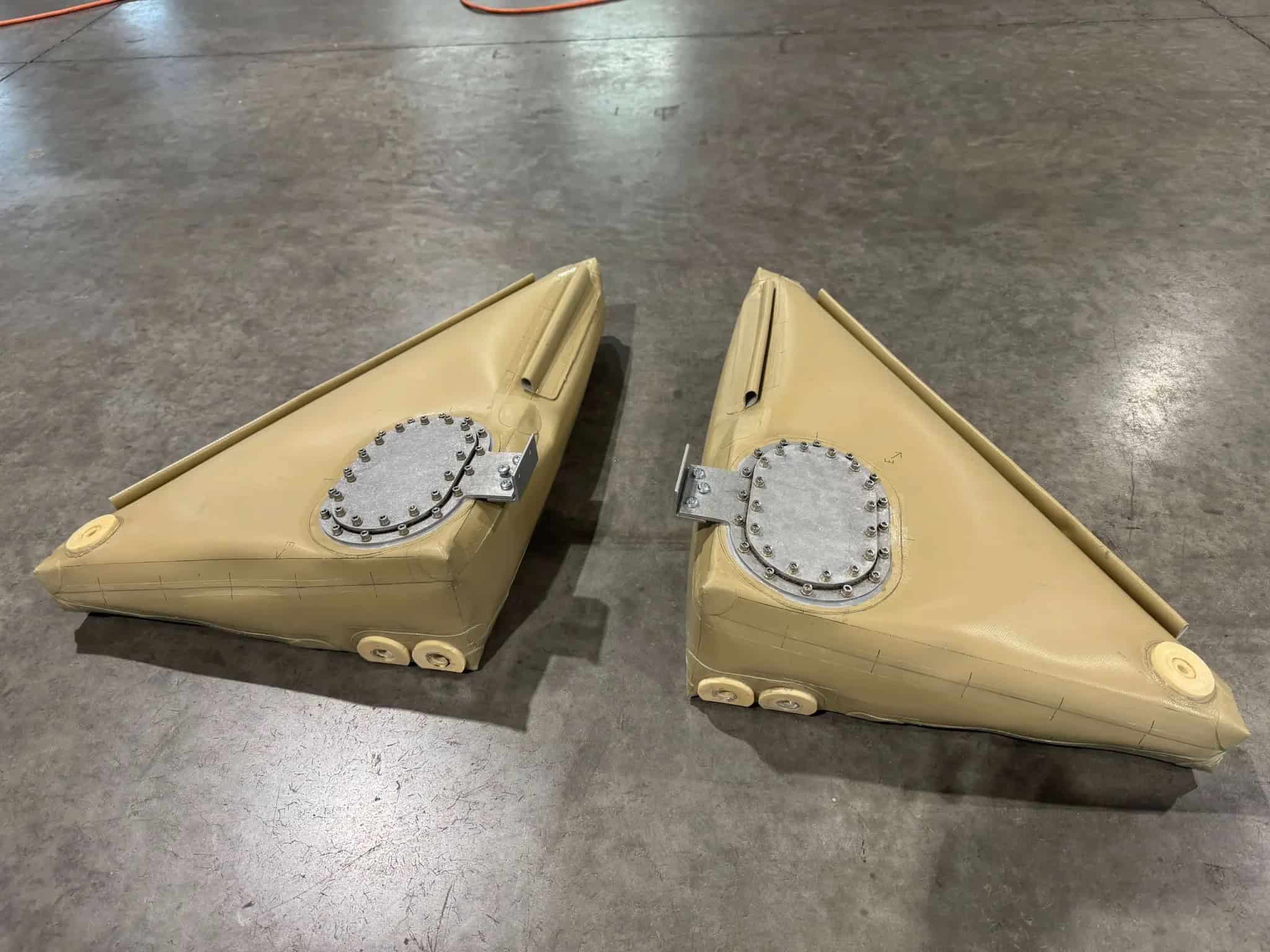
Fuel Tanks and Injectors: Designed to handle military-grade fuels under variable pressure, vibration, and G-loads.
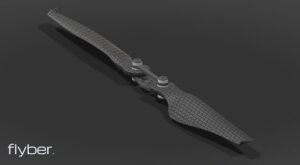
Propellers and Fans: Aerodynamic or hydrodynamic thrust devices optimized by material, shape, and rotation speed. Can be fixed, variable pitch, or ducted depending on mission constraints.
Pump-Jets and Waterjets: Submerged marine propulsors offering quiet, cavitation-resistant performance in naval and subsea platforms.
Onboard Charging Systems: Integrated into hybrid or electric vehicles to maintain energy levels during idle or movement.
Comparisons of Propulsion Types
Each propulsion type presents trade-offs in military contexts:
Propulsion Type
Advantages
Limitations
Combustion
High power density, mature technology
Noise, heat, fuel logistics
Electric
Low acoustic and thermal signature, fewer moving parts
Fuel Cell Advancements: Development of compact PEM and SOFC systems for mobile platforms.
Expanded Use of BLDC Motors: Offering high efficiency with minimal maintenance.
Silent Propulsion Technologies: For ISR and covert operations across all domains.
Hybrid UAV Propulsion Systems: Extending flight times while reducing acoustic signatures.
Onboard AI for BMS Optimization: Using machine learning to predict battery health and optimize mission planning.
Propulsion Efficiency Tuning: Real-time system adjustments for variable mission profiles.
Alternative Fuel Adoption: Including biofuels and synthetic fuels for compatibility with existing systems.
Fuel Cell Miniaturization: Supports longer missions with lower acoustic profiles in compact vehicles.
The evolving landscape of defense operations demands propulsion systems that are adaptable, efficient, and resilient under pressure. From legacy combustion technologies to cutting-edge electric and hybrid configurations, each propulsion solution serves a strategic role in achieving mission success. Continued innovation in materials, energy storage, and system integration will further enhance the capabilities of military platforms operating across increasingly complex and contested environments.
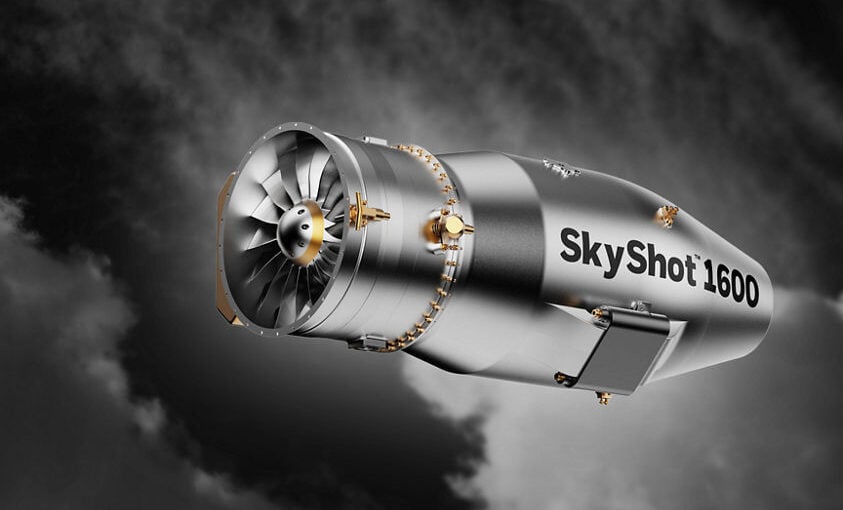
Honeywell Aerospace’s SkyShot 1600 advances to Preliminary Design Review under U.S. Air Force Autonomous Collaborative Platform program for collaborative combat aircraft and unmanned aircraft systems
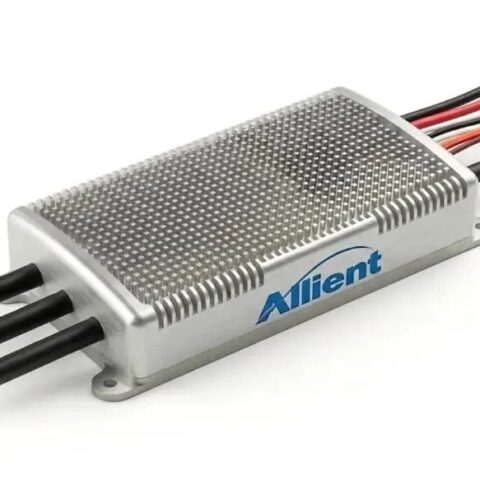
Allient has unveiled the Vyxalon Apex Drone Drive, an electronic speed controller featuring advanced Gallium Nitride technology designed to boost flight range, efficiency, and reliability across defense and industrial platforms
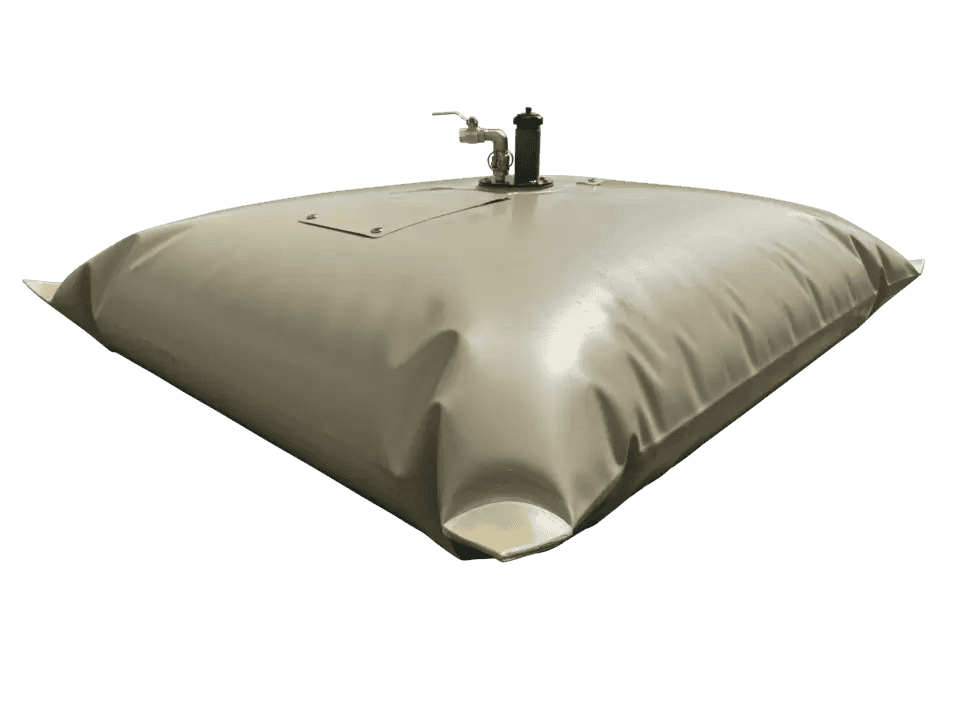
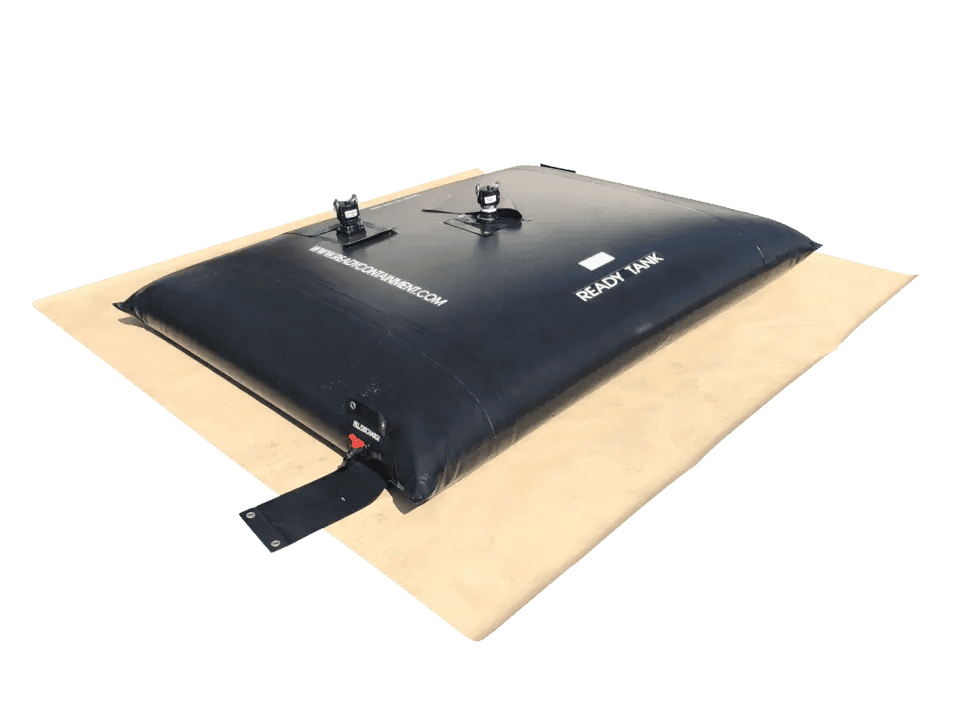
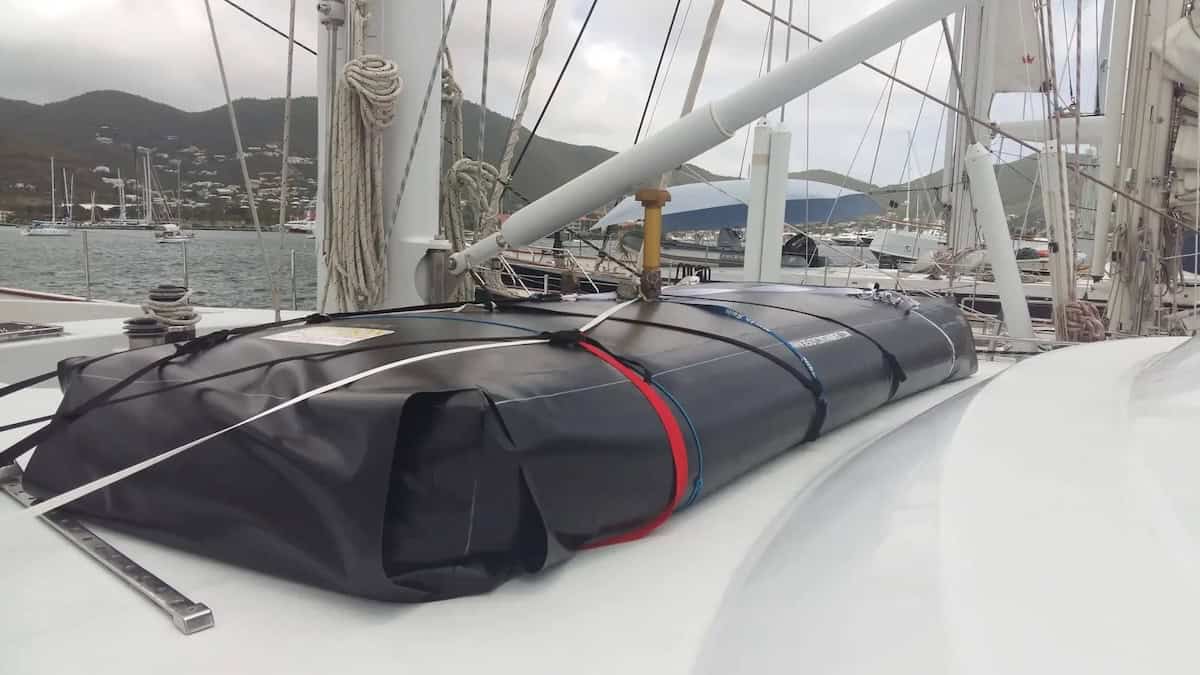
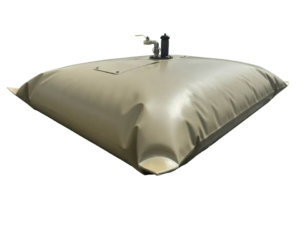
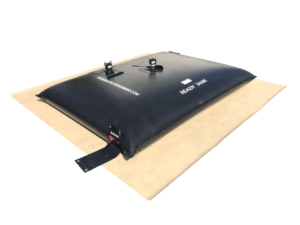
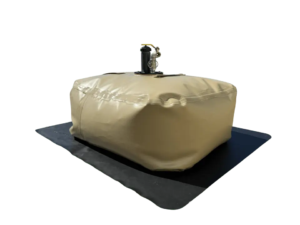
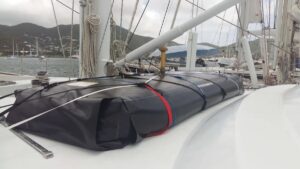
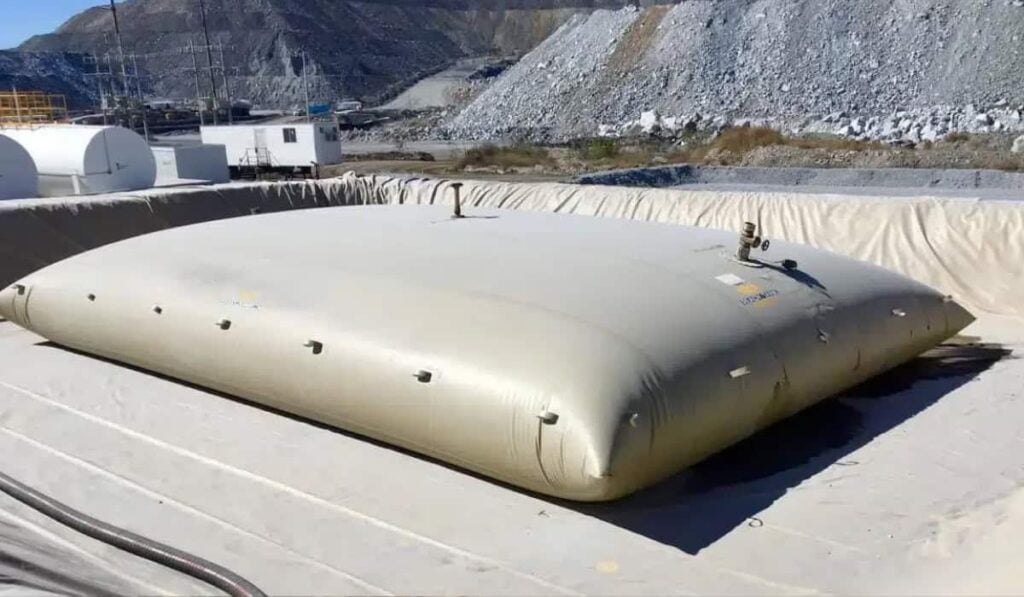
Ready Containment provides rugged, rapidly deployable spill containment and flexible liquid storage solutions for fuel, water, chemicals and other mission-critical fluids in demanding defense operations
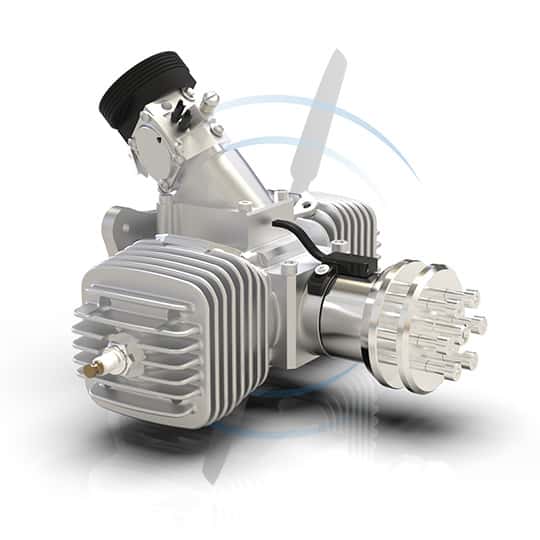
Sky Power International compares two-stroke and Wankel UAV propulsion systems, outlining how engine architecture influences vibration, integration, maintenance, payload compatibility, endurance, and mission-specific operational requirements
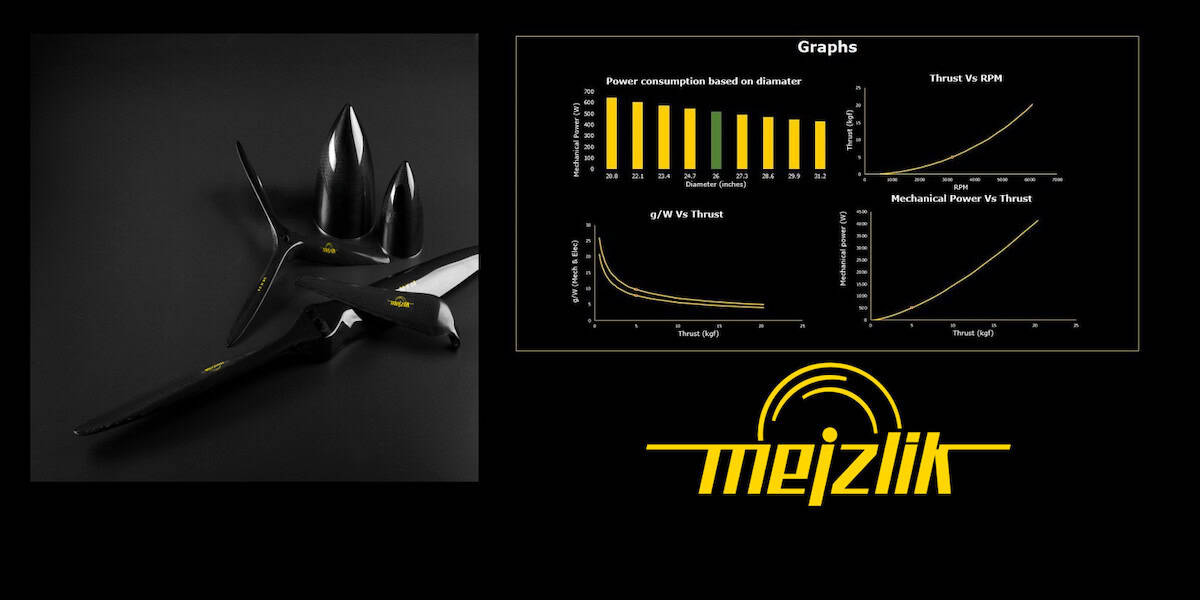
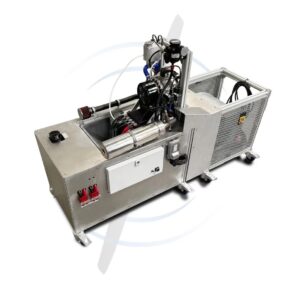
Tyto Robotics outlines a structured approach to UAV motor and propeller matching, combining thrust and performance-based calculations with experimental testing to validate and refine propulsion system design
UAV Propulsion Tech outlines the main factors involved in selecting motors and generators for Unmanned Aerial Vehicle (UAV) propulsion systems, addressing engineering requirements, system integration, and sourcing challenges
The latest defense technology news, straight to your inbox.
Get our weekly roundup of technology developments, new products and industry news.
THANK YOU FOR SIGNING UP
Thanks for joining us. Check your inbox.
We've sent you an email. Click the confirmation link to complete your subscription to the weekly eBrief. In the meantime, explore the latest news, suppliers and technologies on DA.
Advancing Defense Capability Through Strategic Collaboration
Defense Advancement works with major OEMs to foster collaboration and increase engagement with SMEs, to accelerate innovation and drive defense capabilities forward.