

UAV Propulsion Tech outlines six essential considerations for sourcing UAV engines, highlighting the technical and operational factors that influence propulsion selection across unmanned platforms.
As detailed in, 6 Things to Know Before Sourcing UAV Engines, engine choice plays a central role in determining payload capacity, endurance, reliability, and long-term operating cost. The discussion emphasizes that effective sourcing requires a structured evaluation process that extends beyond basic performance metrics.
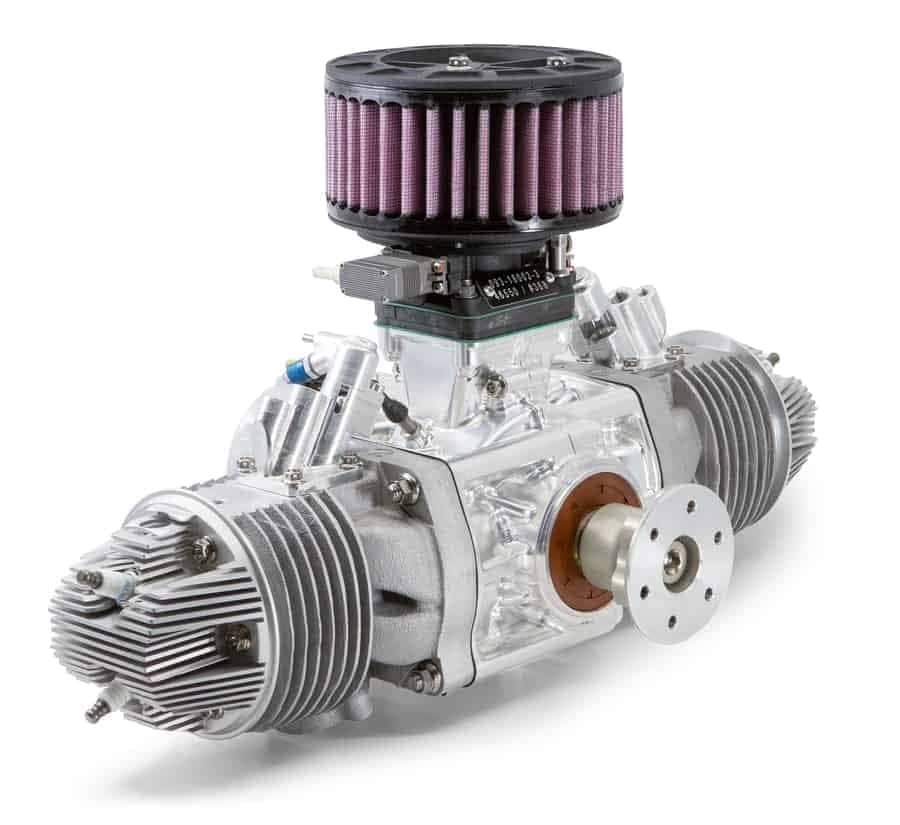
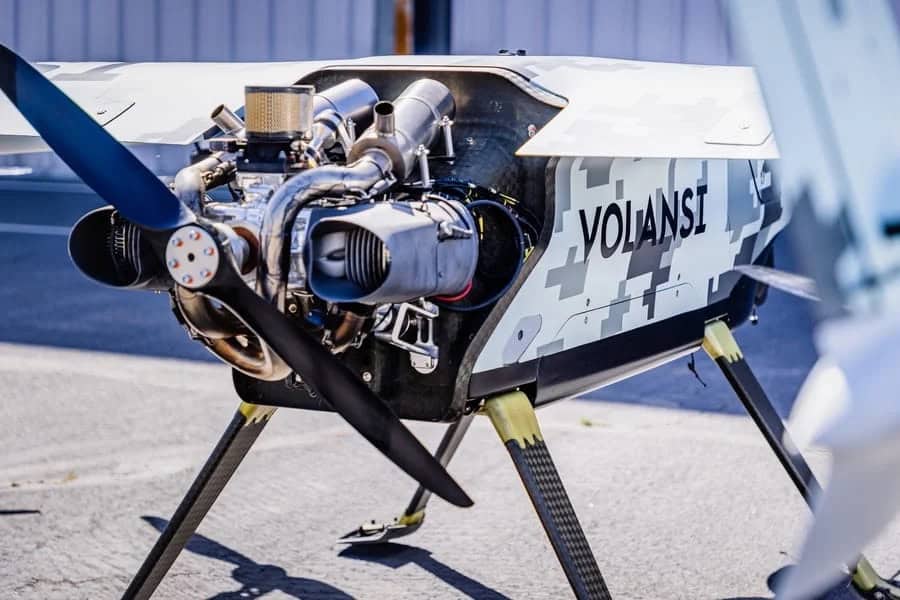
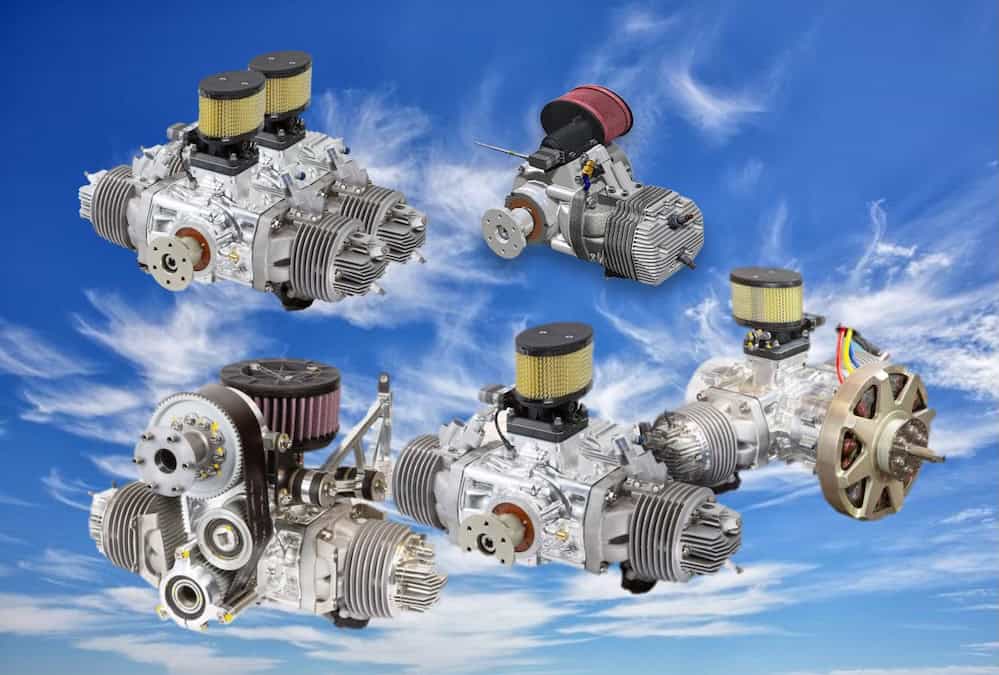
A key factor is power-to-weight ratio, which directly impacts aircraft efficiency and mission capability. Compact, lightweight engine designs enable greater payload flexibility while maintaining required thrust levels. Suter Industries’ portfolio, distributed by UAV Propulsion Tech, includes two-stroke configurations such as the SPA 144, delivering 8–12 hp at approximately 4.0 kg, and the TOA 288, producing up to 26 hp in a compact 288 cc format. These examples illustrate how optimized power density supports improved endurance and climb performance.
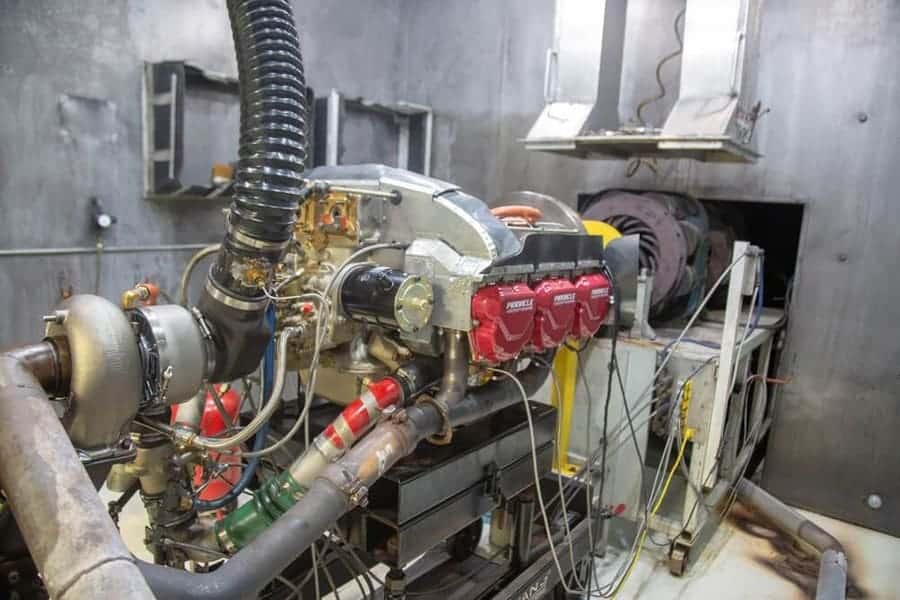
Fuel compatibility is another critical requirement, particularly for defense applications operating under NATO’s single-fuel policy. Engines capable of running on Jet A-1, JP-5, and JP-8 simplify logistics and improve operational safety. Suter addresses this with heavy-fuel variants such as the HF TOA 288-SDI and HF TOA 330-SDI, which utilize semi-direct injection and ECU-based control to manage performance across varying conditions.
Lifecycle cost, reliability, supply chain transparency, and engineering support further shape engine selection. Time Before Overhaul exceeding 500 hours, along with defined maintenance intervals, helps reduce cost per flight hour and downtime. At the same time, advanced engine management systems, verified European supply chains, and access to integration support all contribute to dependable, compliant, and efficient UAV operations.
UAV Propulsion Tech explores each of these six factors in detail, providing guidance for aligning propulsion choices with mission and program requirements.