USVs for Maritime Domain Awareness, ISR Missions and Coastal Surveillance
Source maritime domain awareness USV systems from leading manufacturers and suppliers delivering advanced unmanned surface vehicle platforms for ISR, maritime surveillance, and coastal security operations. These unmanned surface vessels integrate radar, lidar, cameras, and satellite communication systems to enable persistent vessel tracking, maritime intelligence, and real-time situational awareness across ports, the littorals, and open-ocean environments.
If you design, build or supply USVs for Maritime Domain Awareness, create a profile to showcase your capabilities and connect with visitors who have an active requirement for your solutions.
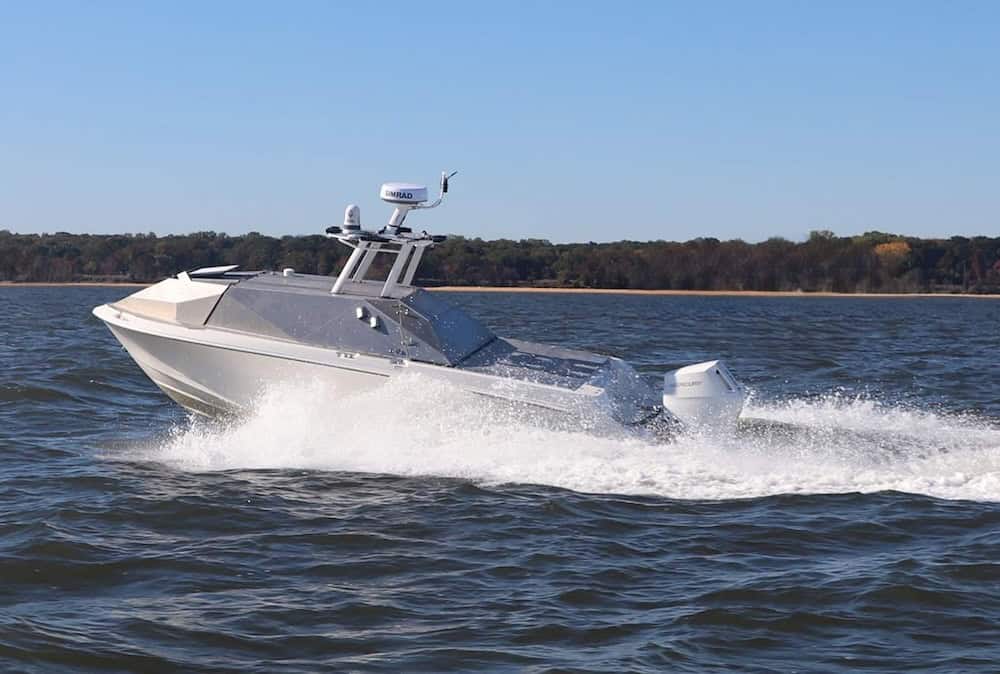
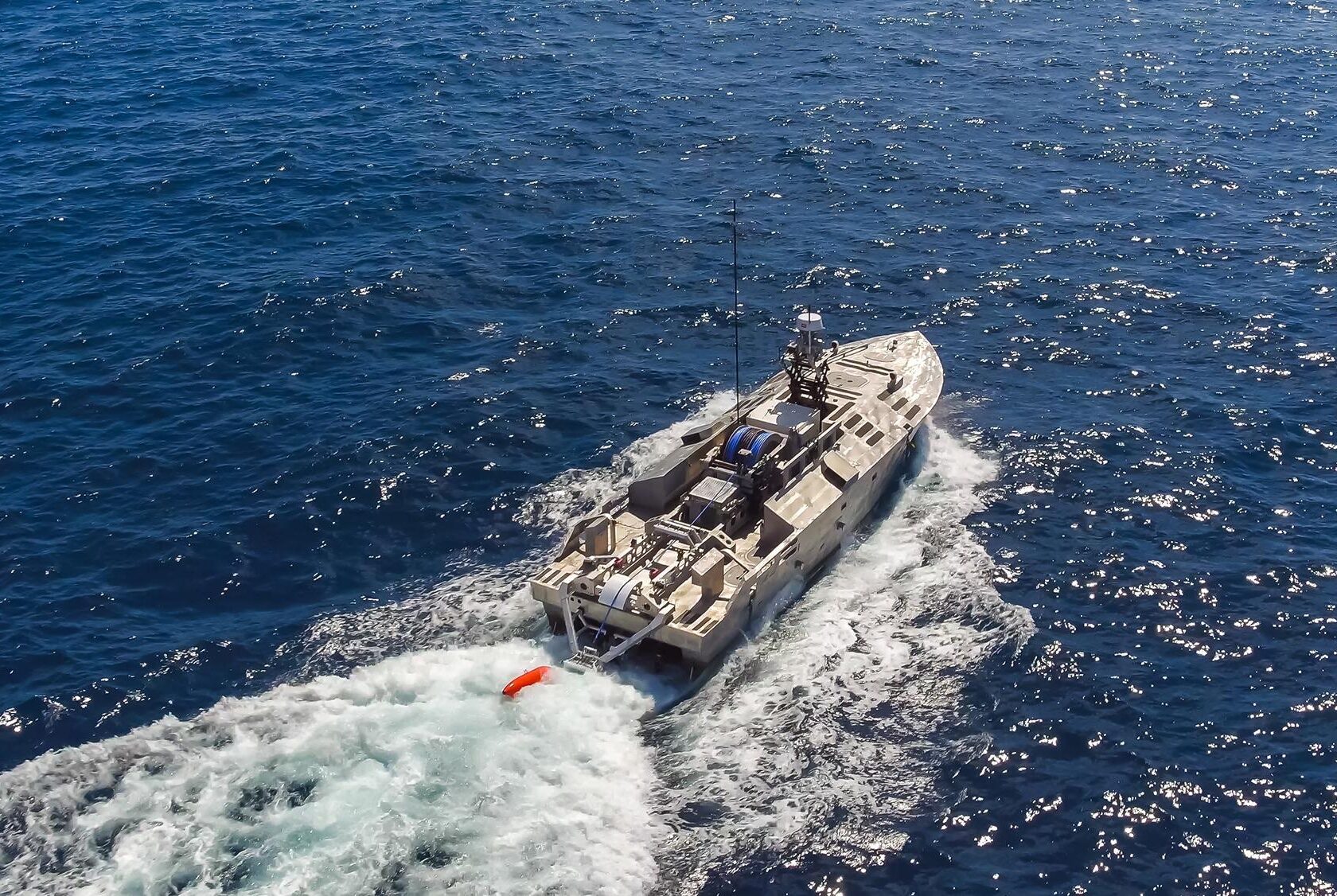
The CUSV (Common Unmanned Surface Vehicle) is a proven uncrewed maritime asset that allows naval... ......capacity payload bay can be easily and quickly reconfigured to serve multiple missions,...
USVs for Maritime Domain Awareness, ISR Missions and Coastal Surveillance
Overview by
Summer James
Updated:
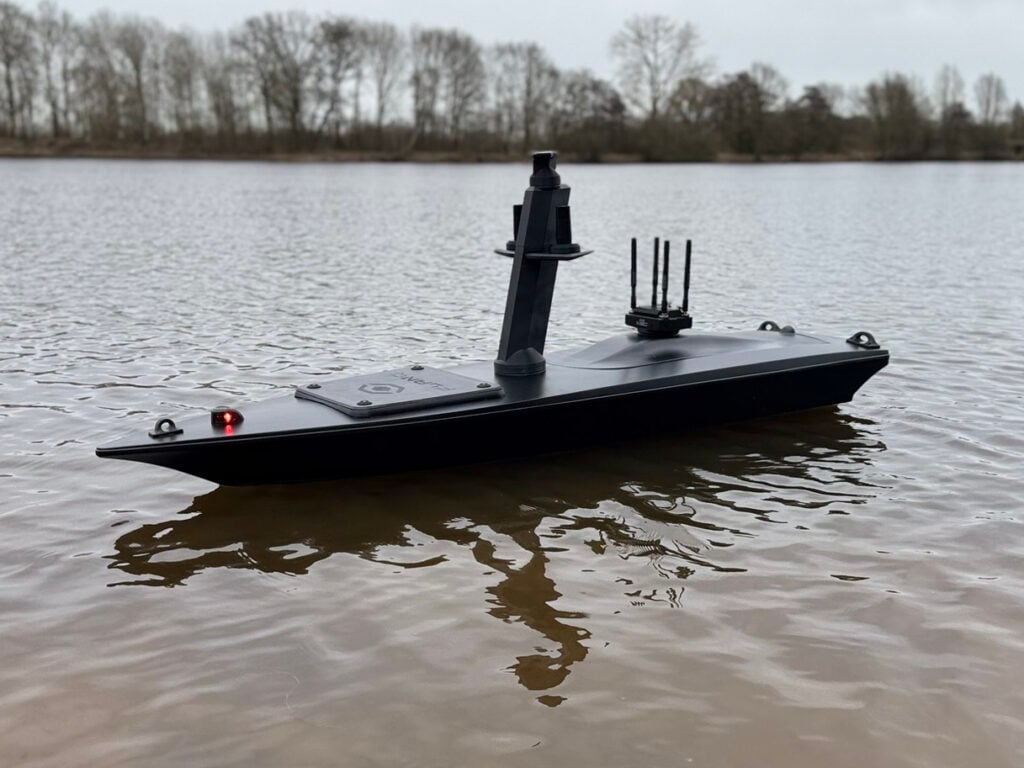
Maritime domain awareness USVs are unmanned surface vehicles designed for persistent ISR, maritime surveillance, and security operations. They integrate autonomous navigation systems, autopilots, and onboard control systems with multi-sensor payloads to detect, track, and classify vessels across wide maritime areas.
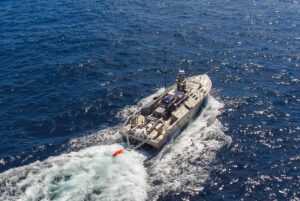
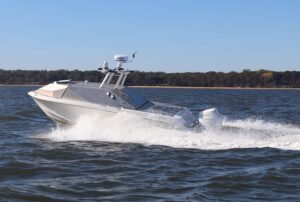
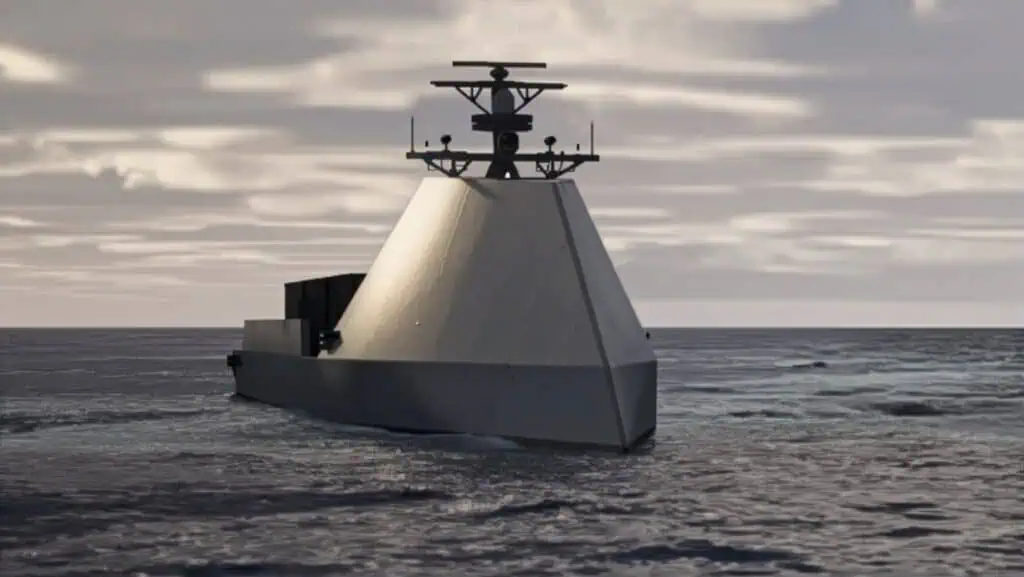
CUSV by Textron Systems
These platforms combine marine radar, lidar, electro-optical, and infrared sensors with automatic identification system data to enhance vessel tracking accuracy. Real-time communication via radio and satellite systems supports coordinated operations. Electric, solar-assisted, or diesel propulsion systems enable flexible endurance, speed, and mission performance in diverse sea conditions.
Applications of USVs for Maritime Domain Awareness
Coastal Surveillance
USVs provide continuous coastal monitoring using radar, camera, and lidar sensors to detect and track vessels approaching shorelines. These systems support maritime security and early threat detection in sensitive regions.
Port Monitoring
Unmanned surface vehicles enhance port security by conducting persistent surveillance and monitoring of vessels and harbors. Integrated sensor payloads enable detection of unauthorized activities and support critical infrastructure protection.
Border Security
USVs support border surveillance and anti-piracy operations by monitoring maritime boundaries and detecting illegal activities, including smuggling and unauthorized entry. Autonomous operation enables extended patrol durations with reduced manpower requirements.
Search And Rescue Operations
USVs assist in search-and-rescue missions by rapidly deploying to incident sites and using infrared sensors, cameras, and radar to locate individuals or vessels in distress. These systems improve response times and operational safety.
Environmental Monitoring
USVs are used for marine environmental monitoring, including oil spill detection, ocean monitoring, and offshore monitoring. Sensor modules collect data on water quality, pollution, and environmental conditions.
Offshore Asset Monitoring
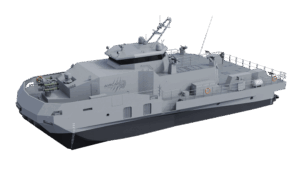
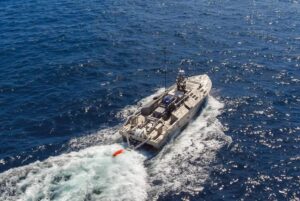
AIRCAT Panther by Eureka Naval Craft
USVs provide continuous monitoring of offshore energy infrastructure, pipelines, and platforms. They support pipeline monitoring and inspection while enhancing safety and reducing operational costs.
Intelligence Surveillance Reconnaissance Missions
USVs conduct ISR missions by gathering maritime intelligence, tracking vessels, and supporting naval reconnaissance operations. Integrated sensor and communication systems enable real-time data sharing.
Types of Maritime Domain Awareness USVs
Long Endurance USVs
Designed for extended deployments, these platforms use solar power systems, battery packs, and efficient propulsion systems to operate for weeks or months. They are ideal for ocean surveillance systems and wide-area monitoring.
High Speed Interceptor USVs
These USVs are optimized for rapid response, using powerful propulsion units and advanced navigation modules to intercept and track fast-moving targets. They are commonly used in maritime security and border protection.
Modular Payload USVs
Modular USVs allow flexible integration of sensor payloads, communication modules, and mission-specific equipment. This adaptability supports diverse applications such as ISR missions, environmental surveillance, and pipeline inspection.
Autonomous Surface Vehicles
Autonomous surface vehicles operate with minimal human intervention using advanced autopilot systems and AI processing units. These systems enable scalable and cost-effective maritime domain awareness operations.
Hybrid Propulsion USVs
Hybrid platforms combine electric propulsion systems with diesel engines to balance endurance and performance. These systems are suitable for long-duration missions requiring both efficiency and speed.
USVs for maritime domain awareness rely on a combination of sensing, processing, and communication technologies to deliver persistent and scalable surveillance capabilities. Edge computing platforms and onboard computers process data locally, reducing latency and enabling real-time threat detection and response.
AI processing units and advanced algorithms support automated target recognition, anomaly detection, and intelligence gathering. These capabilities are essential for monitoring high-traffic maritime zones, surveillance of exclusive economic zones, and protection of critical infrastructure.
Communication systems play a critical role in enabling beyond-line-of-sight operations. Satcom systems, RF communication systems, and integrated communication payloads ensure reliable connectivity for remote operations, data relay, and mission coordination.
Comparison With Manned Maritime Surveillance Systems
Compared to manned vessels, USVs for maritime domain awareness offer significant operational advantages in cost, endurance, and risk reduction. Unmanned surface vessels eliminate the need for onboard crew, enabling operations in hazardous or remote environments without risking personnel.
USVs provide persistent surveillance capabilities that exceed those of traditional platforms, particularly when equipped with solar panels and efficient battery systems. Their smaller size and lower operational footprint make them suitable for covert surveillance and intelligence gathering missions.
However, USVs may face limitations in payload capacity, onboard decision-making in complex scenarios, and dependence on communication systems for remote control. Advances in edge computing systems and AI processing units are addressing these challenges by enhancing autonomy and onboard intelligence.
Integration With Maritime Domain Awareness Systems
USVs are a critical component of broader maritime domain awareness systems, integrating with satellite networks, shore-based command centers, and other unmanned systems. Data from radar systems, AIS systems, and onboard sensors is fused to create a comprehensive operational picture.
Interoperability with existing naval and maritime surveillance systems enables coordinated operations across multiple domains. USVs can operate alongside aerial and subsea platforms to deliver multi-layered surveillance and reconnaissance capabilities.
Relevant Standards And Compliance
USVs deployed for maritime domain awareness and ISR missions must comply with a range of international and defense standards to ensure interoperability, safety, and reliability.
STANAG agreements provide guidelines for interoperability among allied forces, enabling seamless integration of USV systems into joint operations. These standards support communication, data exchange, and operational coordination across multinational missions.
In addition, compliance with maritime regulations, including automatic identification system requirements and navigation system standards, ensures safe operation within international waters and regulated zones.
Future Developments In Maritime Domain Awareness USVs
Advancements in autonomous surface vehicles, AI processing units, and edge computing platforms are driving the evolution of maritime domain awareness capabilities. Future USVs will feature increased autonomy, improved sensor fusion, and enhanced communication resilience.
Integration of advanced lidar sensors, infrared sensors, and next-generation radar systems will improve detection accuracy and operational effectiveness. Continued development of energy-efficient propulsion systems and solar power systems will extend mission endurance and reduce operational costs.
As maritime security challenges evolve, USVs will play an increasingly important role in enabling scalable, persistent, and intelligent maritime surveillance and reconnaissance operations.
The 2nd Annual Maritime Security Summit gathers defense leaders to explore emerging technology and strategic partnerships for national maritime dominance
Eureka Naval Craft is a leading U.S.-based developer of high-speed crewed and uncrewed vessels for naval defense, coast guard, and humanitarian operations, built on advanced Surface Effect Ship (SES) technology
Metal Shark has partnered with Tocaro Blue to embed radar processing and machine learning software into its high speed unmanned surface vessels for ISR operations
Red Cat Holdings has established Blue Ops to develop and deploy U.S.-built, battle-tested USV weapons systems, supporting multi-domain defense missions through autonomous technologies and veteran maritime leadership
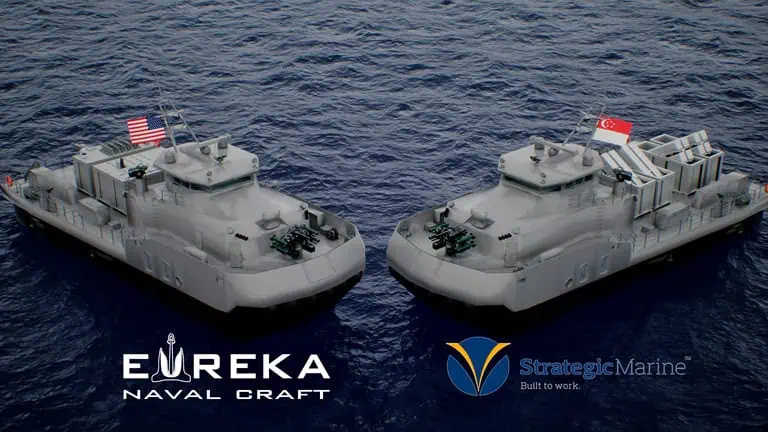
Eureka Naval Craft has partnered with Strategic Marine to expand production of the AIRCAT BENGAL MC, a versatile vessel designed for both naval and commercial applications
FLANQ’s new Q-RECON USV delivers agile, man-portable maritime surveillance and interdiction capabilities, purpose-built for special forces and operations in littoral environments
May 29, 2025
Advancing Defense Capability Through Strategic Collaboration
Defense Advancement works with major OEMs to foster collaboration and increase engagement with SMEs, to accelerate innovation and drive defense capabilities forward.