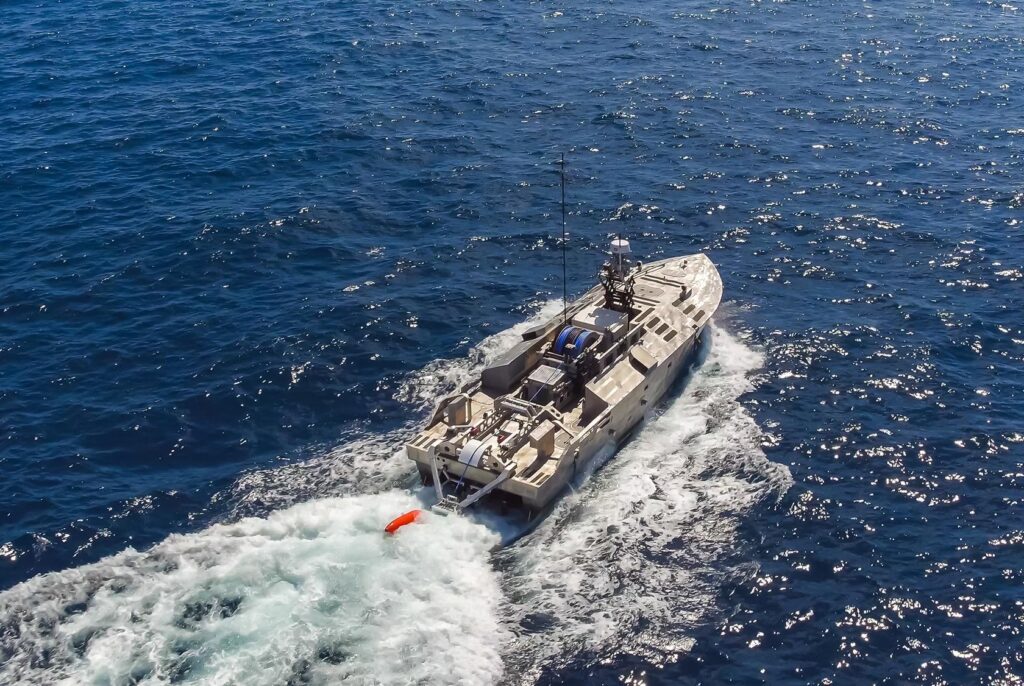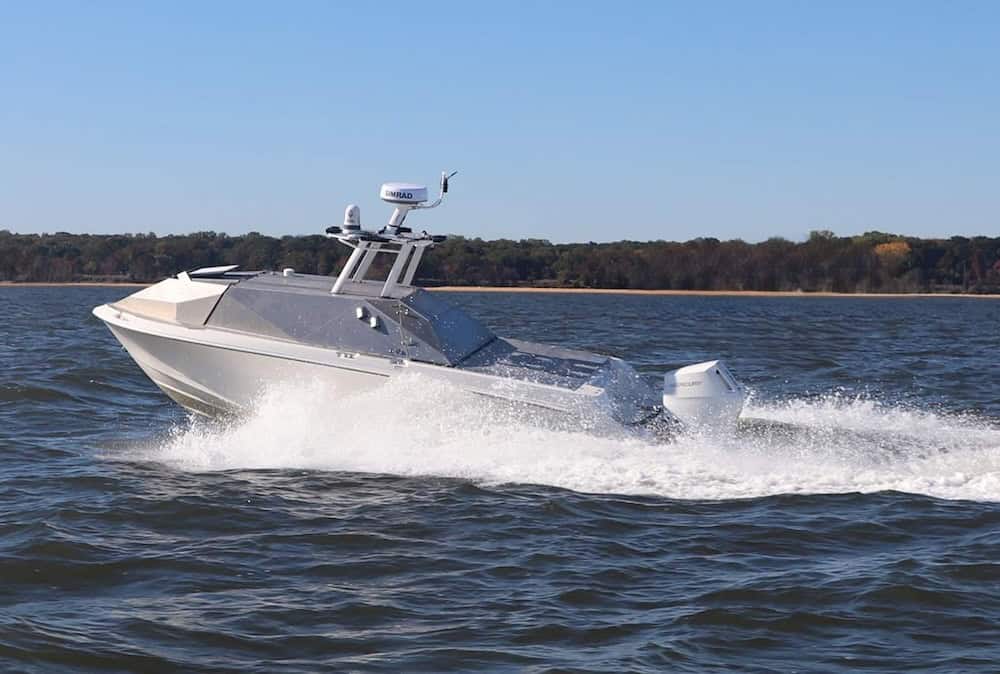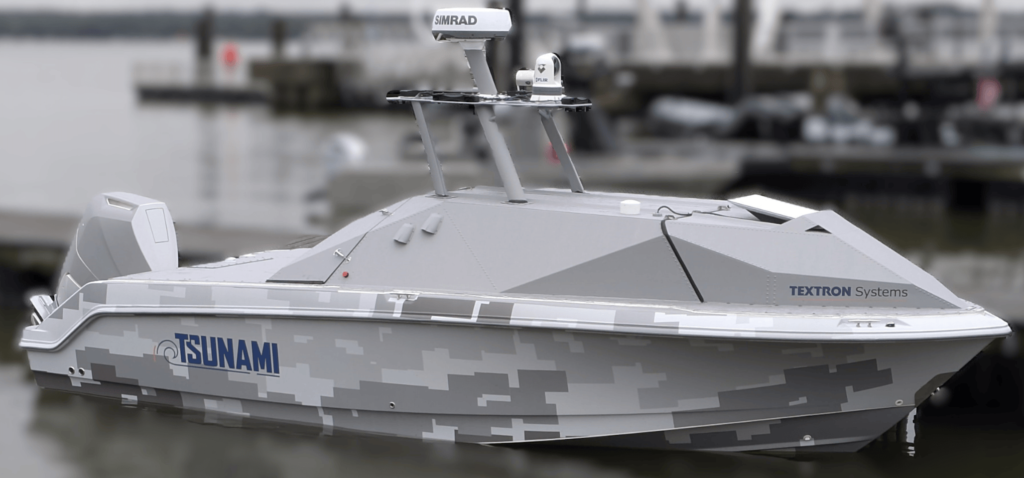



Textron Systems has introduced its fifth generation Multi Mission Uncrewed Surface Vessel (MMUSV) designed to expand the operational capacity and mission reach of the U.S. Navy.
The MMUSV builds upon the established maturity of the Common Unmanned Surface Vessel (CUSV) platform. Compared to previous iterations, the new craft features significantly increased fuel and payload capacity, capable of carrying up to 13,000 pounds. These enhancements allow for longer range and higher endurance during critical operations, including surface warfare, mine countermeasures, signals intelligence, and maritime surveillance.
The development follows a 2025 award through the Expeditionary Mission Consortium-Crane for a low-cost, large-scale unmanned maritime solution. Engineered for durability in challenging environments, the vessel is rated for survivability up to Sea State 5 and possesses a towing capacity exceeding 4,000 pounds. Textron Systems leverages over 40 years of experience in autonomous vehicle design to provide a platform that supports rapid production and deployment for the U.S. Navy and its international allies.
David Phillips, Senior Vice President Air, Land and Sea Systems, commented, “As an industry leader in USVs, Textron Systems has spent the last three decades at the forefront of autonomous system innovation. Our expertise in design, integration and fielding have consistently delivered unrivaled maritime strength to the Navy and its allies. The scalability of our systems ensures that the MMUSV, the next advancement in our lineup, provides enhanced mission capabilities rapidly and efficiently.”
As the original developer of the CUSV for the Navy’s Unmanned Influence Sweep System program, Textron Systems continues to play a central role in littoral combat ship mission packages. This includes ongoing fleet sustainment, engineering services, and the production of mine sweep payload delivery systems. The company is also currently engaged in a multi-year contract for the integration of MAGNUSS, a next-generation superconducting minesweeping payload, highlighting the platform’s adaptability for evolving technological requirements in the maritime domain.