Large Unmanned Surface Vessels For Defense, Security And Maritime Operations
Select large unmanned surface vessel (LUSV) platforms designed for defense, security, emergency services, and public safety operations. LUSVs deliver long-endurance autonomous maritime capability for missions including surveillance, border patrol, search and rescue, disaster response, and critical infrastructure protection. These large USVs combine autonomous navigation, advanced sensors, and flexible propulsion systems to support complex maritime operations.
If you design, build or supply Large Unmanned Surface Vessels (LUSV), create a profile to showcase your capabilities and connect with visitors who have an active requirement for your solutions.
Large Unmanned Surface Vessels For Defense, Security And Maritime Operations
Overview by
Olivia Hannam
Updated:
Large unmanned surface vessels (LUSVs) are floating maritime platforms designed for long-endurance defense, security, and public safety missions. Their larger size enables greater payload capacity, extended range, and integration of advanced sensors, communications systems, and propulsion technologies.
Maritime Surveillance and Maritime Domain Awareness
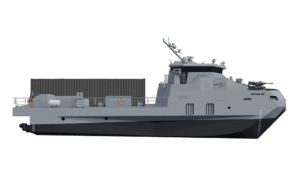
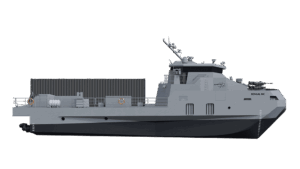
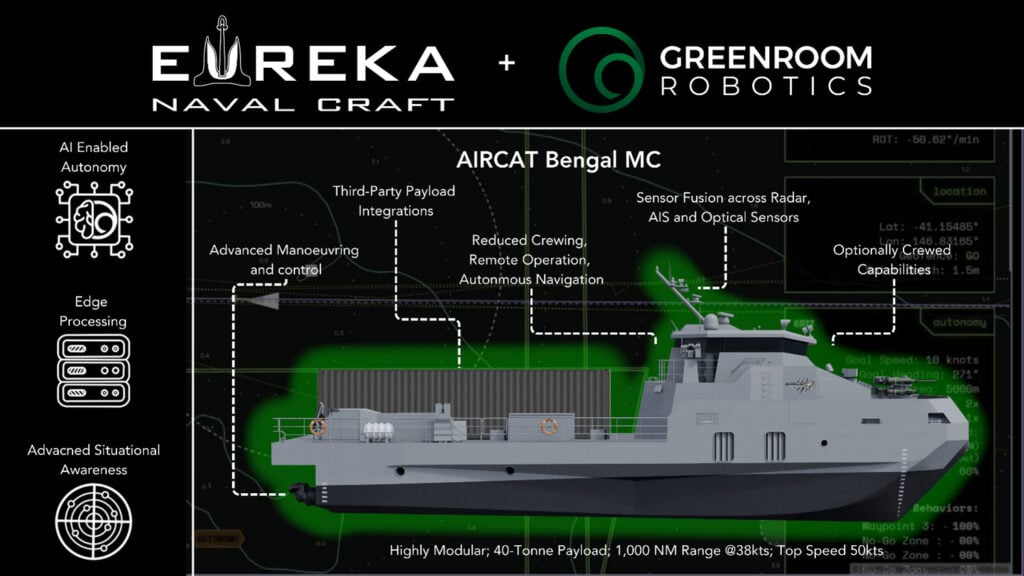
AIRCAT Bengal MC from Eureka Naval Crafts
Large USVs are widely used for maritime surveillance missions, providing persistent monitoring of vessel activity, maritime traffic, and coastal regions. Sensor payloads, including marine radar systems and EO IR payloads, support real-time situational awareness.
Border Patrol and Maritime Border Security
Autonomous surface vessels enable continuous border patrol operations across large maritime areas. These systems help detect illegal crossings, smuggling activity, and unauthorized vessel movements.
Search and Rescue Operations
Large USVs support search-and-rescue missions by deploying sensors and communications relay equipment to locate survivors or distressed vessels. Their long endurance allows extended SAR coverage in remote maritime environments.
Disaster Response and Emergency Support
Unmanned vessels can assist disaster response efforts following maritime accidents, storms, or environmental incidents. Platforms may support damage assessment, maritime monitoring, and coordination of emergency response activities.
Critical Infrastructure Protection
Large unmanned surface vessels conduct persistent monitoring of offshore infrastructure, including oil platforms, pipelines, and energy installations. Continuous surveillance helps detect threats and unauthorized vessel activity.
Mine Detection and Mine Clearance
LUSVs can support mine countermeasure missions using specialized sensors and autonomous survey systems. Deploying unmanned platforms reduces the risk to naval personnel during hazardous mine-clearing operations.
Maritime Interdiction and Coastal Patrol
High-endurance USVs can support maritime interdiction operations and coastal patrol missions. These platforms provide persistent monitoring and can relay intelligence to nearby patrol assets.
Signals Intelligence and Electronic Warfare Support
LUSVs equipped with antenna arrays can perform SIGINT gathering and electronic warfare support missions. These systems assist naval intelligence and maritime reconnaissance activities.
Long endurance platforms are designed for extended deployments lasting days or weeks. Hybrid propulsion systems, solar power systems, and advanced energy storage systems support persistent maritime monitoring missions.
High-Speed Large USVs
High-speed configurations support rapid response missions such as maritime interdiction, escort support, and coastal security patrol. Waterjet propulsion systems and advanced stabilization systems allow high performance in challenging sea states.
Modular Mission USVs
Modular large unmanned surface vessels support interchangeable payload systems for ISR, mine countermeasure, survey, and reconnaissance missions. Open architecture mission control systems enable rapid mission reconfiguration.
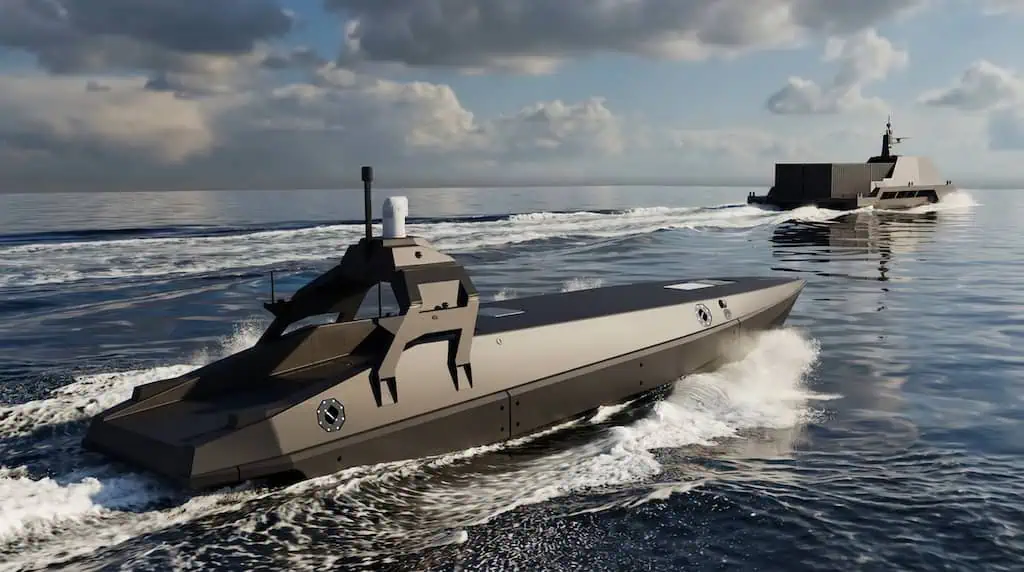
Stealth and Low Observable USVs
Stealth craft designs reduce radar and acoustic signatures to support covert naval reconnaissance and surveillance missions. These platforms are particularly useful for naval intelligence operations.
Hybrid-Powered Autonomous Vessels
Hybrid-powered USVs combine diesel and electric propulsion systems with battery energy storage. This configuration improves efficiency while enabling quiet operation during sensitive missions.
Monohull Large USVs
Monohull platforms provide efficient hydrodynamic performance and are often used for long-range patrol or surveillance missions. Their streamlined design supports high-endurance operations.
Catamaran and Trimaran USVs
Multi-hull configurations, such as catamarans and trimarans, provide enhanced stability, deck space, and payload capacity. These designs are commonly used for larger mission payloads and sensor integration.
Comparison With Medium and Small USVs
Large unmanned surface vessels provide greater payload capacity, endurance, and operational range than medium USVs (MUSVs) or smaller drone boats. Their larger size allows integration of advanced sensor suites, satellite communication systems, and complex mission payloads.
Medium USVs are often deployed for tactical operations closer to shore, while smaller unmanned boats may support short-range missions such as inspection or harbor security. In contrast, LUSVs are designed for long-duration offshore missions, including maritime monitoring, reconnaissance, and naval intelligence gathering.
In many operational environments, fleets combine large, medium, and small USVs (SUSVs) to create layered maritime autonomous systems. This approach enables persistent monitoring using long-endurance vessels supported by smaller agile platforms.
Relevant Military and Maritime Standards
Large unmanned surface vessels deployed in defense and security applications must comply with a range of maritime and military standards. These standards ensure safe vessel operation, interoperability, and reliable communications across naval networks.
Relevant standards may include NATO STANAG interoperability requirements as well as maritime communication protocols governing AIS transponders, satellite communication systems, and datalink systems. Autonomous navigation systems and collision avoidance systems must also comply with international maritime safety regulations such as the International Regulations for Preventing Collisions at Sea.
Defense systems may also be developed in accordance with MIL-STD specifications that cover electromagnetic compatibility, environmental resilience, and system ruggedization. Compliance with these standards ensures reliable performance in demanding maritime environments and supports integration with mission-critical naval and security operations.
Anduril Industries and Kraken Technology Group are collaborating to deliver scalable, mission-ready unmanned vessels designed to support the U.S. Navy’s transition toward a sophisticated and capable hybrid fleet
Eureka Naval Craft is a leading U.S.-based developer of high-speed crewed and uncrewed vessels for naval defense, coast guard, and humanitarian operations, built on advanced Surface Effect Ship (SES) technology
Following $50 million in development, the new autonomous vessel demonstrates resilience in Sea State 9 conditions and offers modular payload integration for contested environments
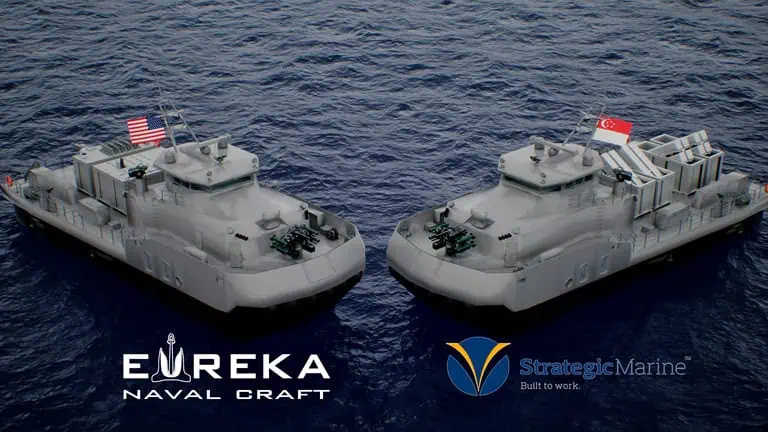
Eureka Naval Craft has partnered with Strategic Marine to expand production of the AIRCAT BENGAL MC, a versatile vessel designed for both naval and commercial applications
Eureka Naval Craft and Greenroom Robotics are unveiling an advanced autonomous naval vessel, combining high-speed, heavy payload capacity, and AI-driven mission versatility
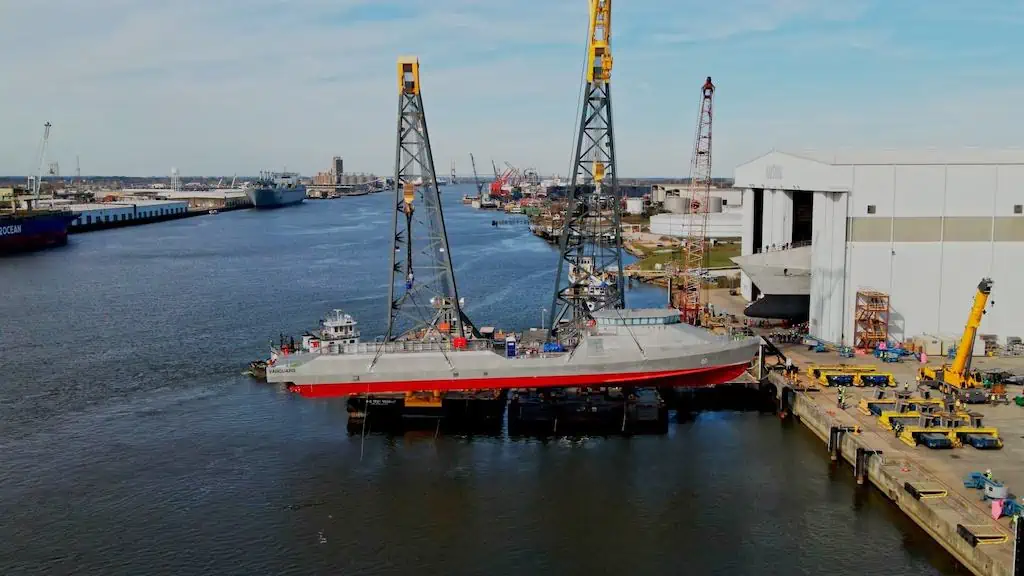
The Overlord program has played a critical role in jumpstarting the Navy’s experimentation with USVs and accelerating Fleet knowledge and experience in using USVs in operations
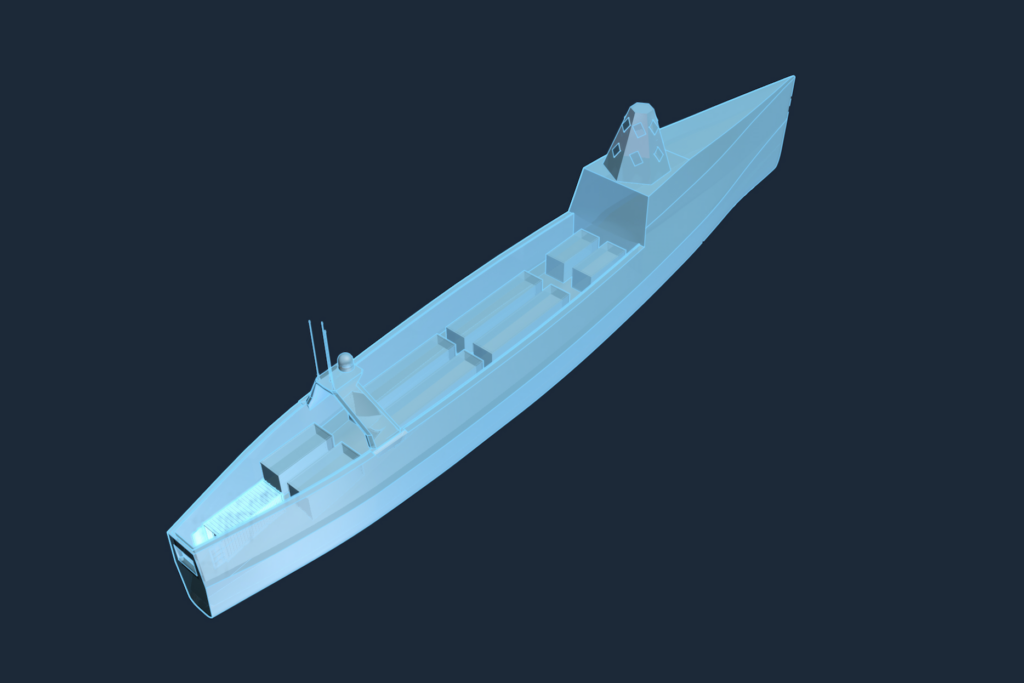
The Large Uncrewed Surface Vessel (LUSV) vision is an evolution of BMT's Highly Autonomous Warship Technologies (HAWT) programme launched at DSEI two years ago where the company created a vision of a safe and secure lean crewed warship
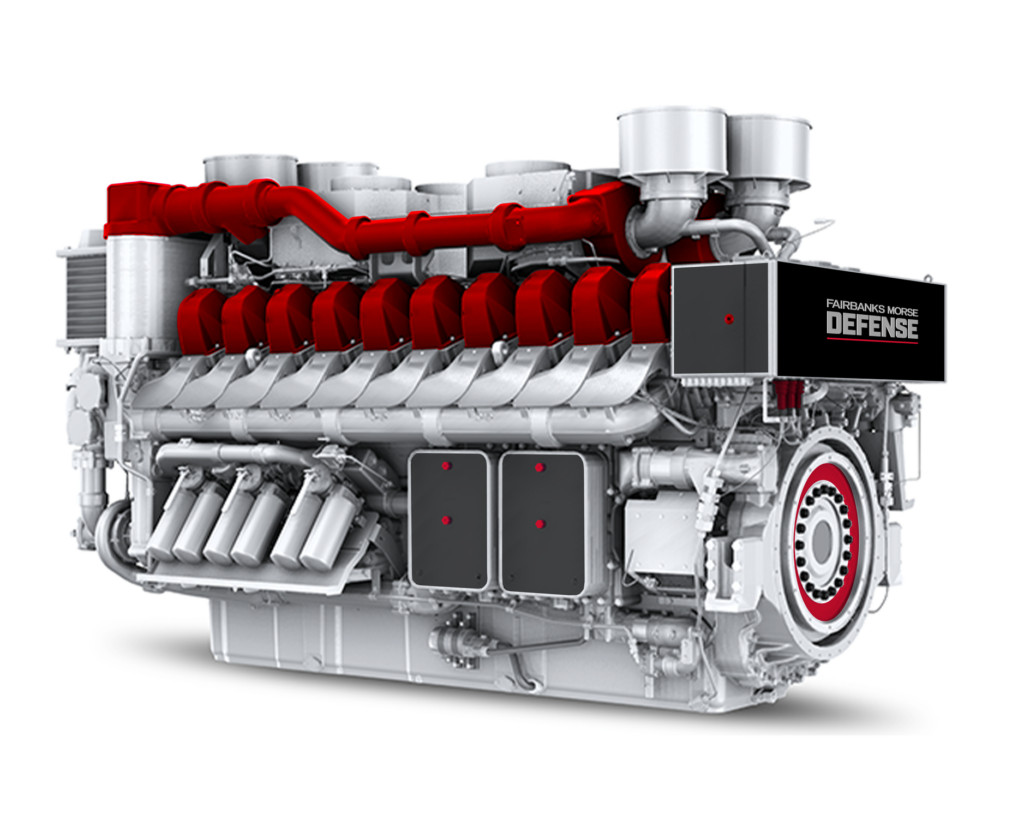
To qualify for the US Navy's LUSV platform, Fairbanks Morse Defense (FMD) nForcer high-speed engine will have to perform a minimum of 720 hours in a land-based test environment without human intervention
Apr 04, 2023
Advancing Defense Capability Through Strategic Collaboration
Defense Advancement works with major OEMs to foster collaboration and increase engagement with SMEs, to accelerate innovation and drive defense capabilities forward.