
Showcase your capabilities
If you design, build or supply Group 2 UAS, create a profile to showcase your capabilities and connect with visitors who have an active requirement for your solutions.




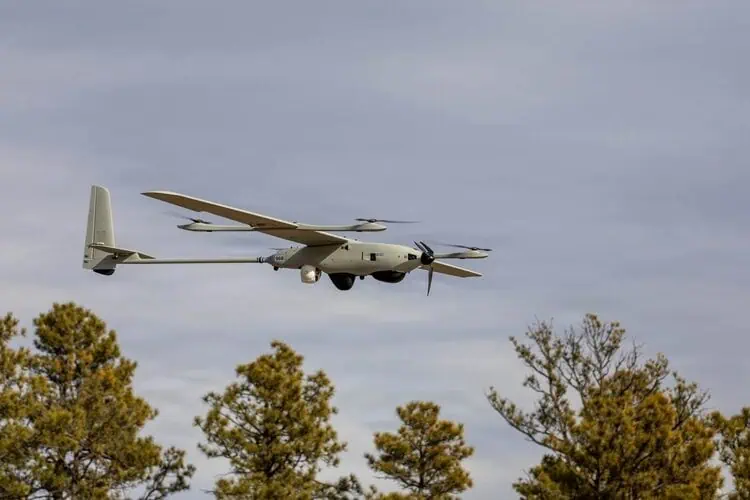
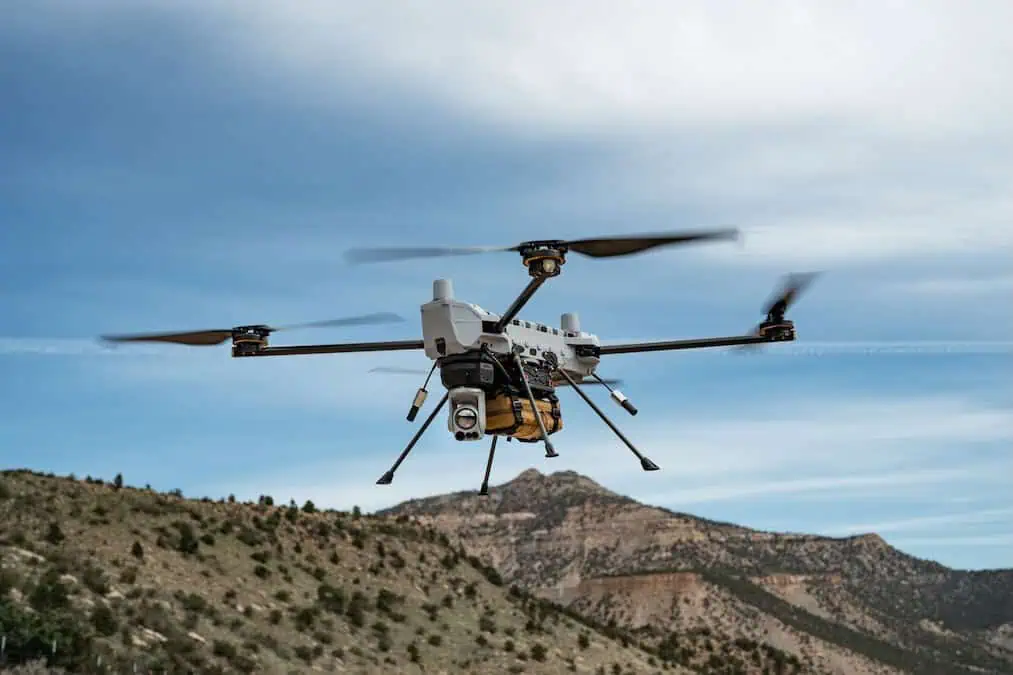
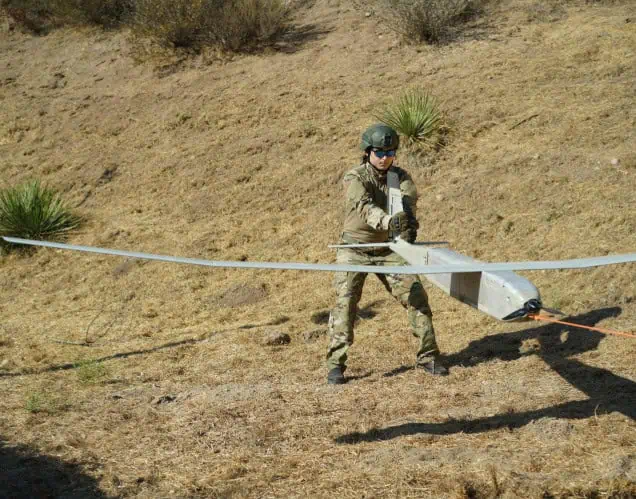
Group 2 unmanned aircraft systems (UAS) are airborne platforms for tactical intelligence, surveillance, and reconnaissance (ISR) in military operations. Designed to meet the demands of frontline forces, these systems bridge the gap between smaller hand-launched UAVs and larger Group 3–5 platforms, offering a balance of mobility, endurance, and sensor capability.
Read the Technology Overview
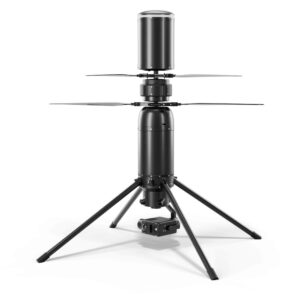
Compact UAS & Heavy-Lift Rotorcraft for Military ISR & Logistics Operations

If you design, build or supply Group 2 UAS, create a profile to showcase your capabilities and connect with visitors who have an active requirement for your solutions.

Designed for rapid deployment and versatile mission support, Group 2 UAS are employed across various defense, security, and civil applications.
They are routinely used in ISR, border patrol, environmental monitoring, disaster response, and perimeter security. These systems conform to U.S. Department of Defense (DoD) UAS group classifications and frequently comply with NATO STANAG interoperability standards and MIL-STD ruggedization requirements.
Operating within the 21–55 pound (9.5–25 kg) range and flying below 3,500 feet (1 km) above ground level (AGL) at speeds under 250 knots, Group 2 UAS are optimized for short- to mid-range missions in contested and permissive environments.
Group 2 UAS comprise several subsystems that work in unison to execute missions effectively:

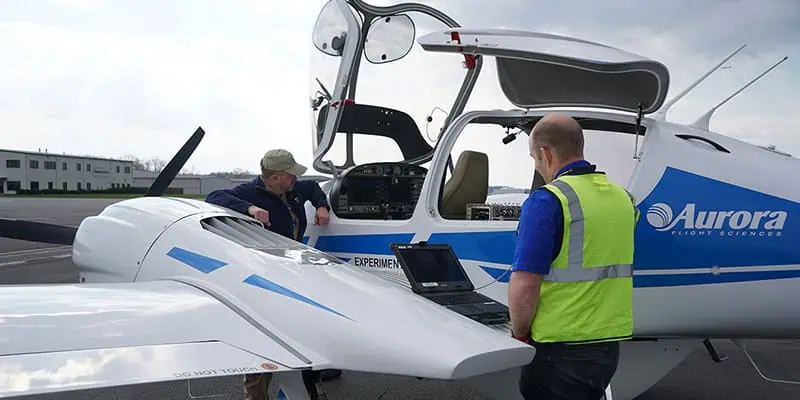
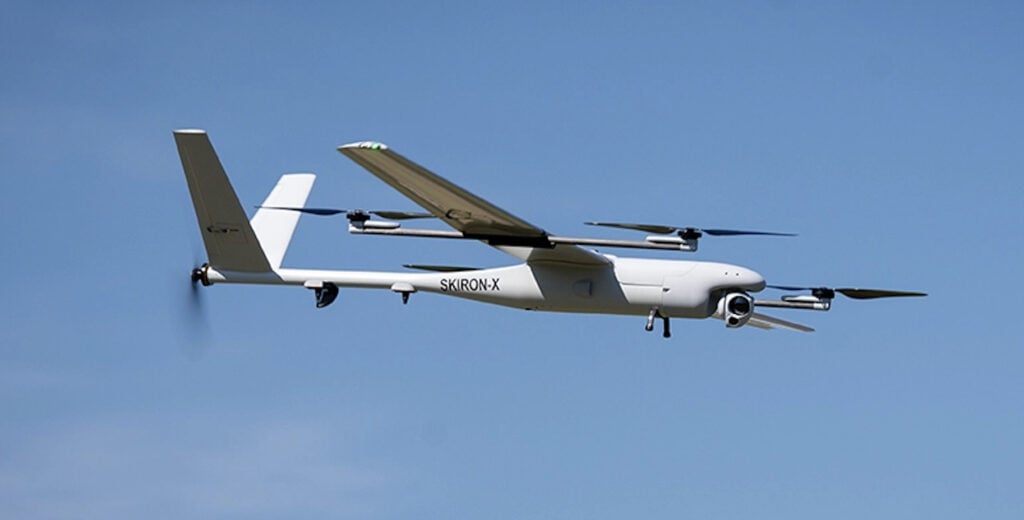
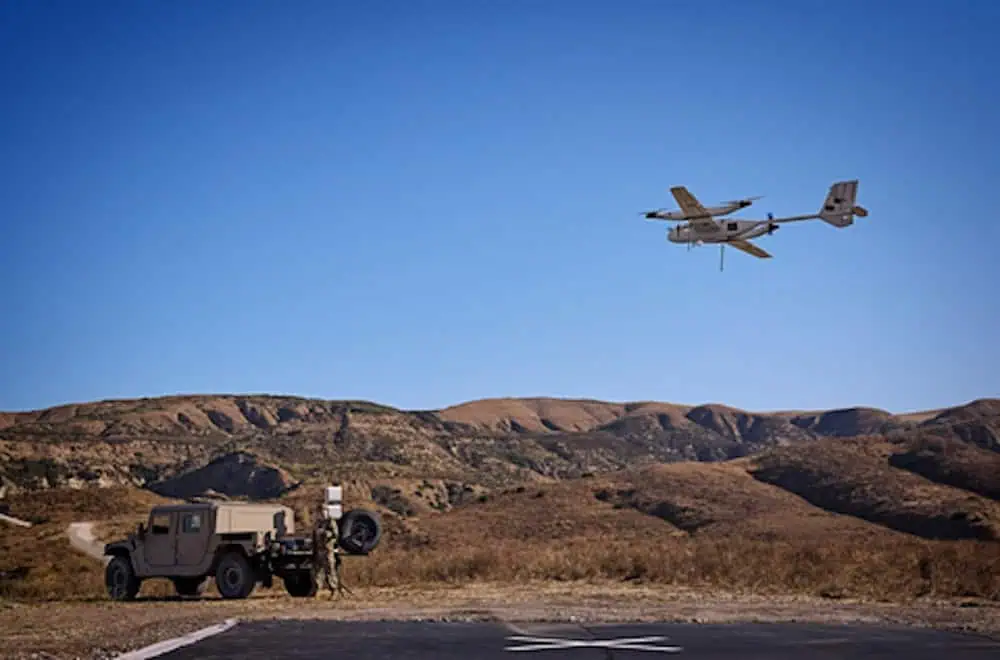
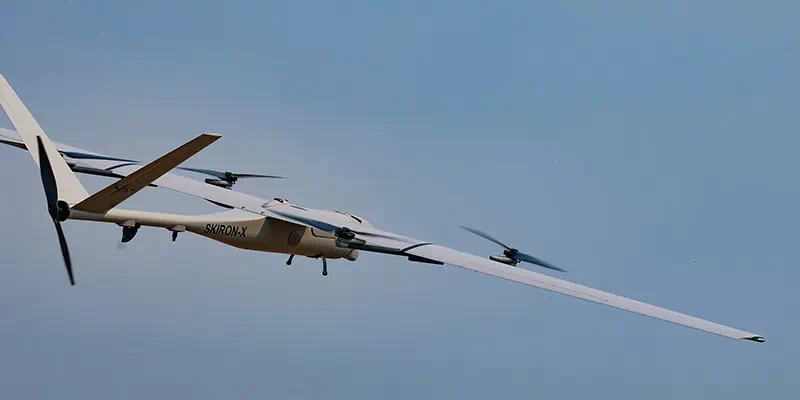
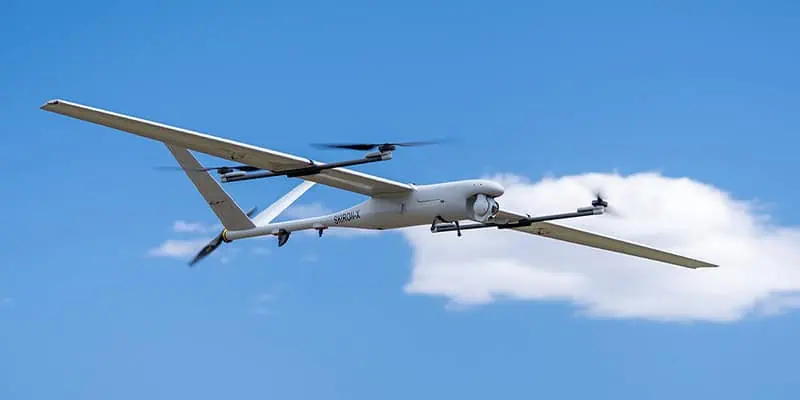
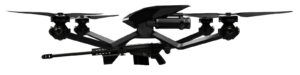
Group 2 UAS, SKIRON-X, from Aurora Flight Sciences.
Group 2 UAS are employed in numerous tactical and strategic scenarios:
Group 2 platforms offer specific operational benefits:
Group 2 UAS are defined by specific physical and performance parameters established by the DoD and FAA:
These systems are distinct from other categories in the UAS groups 1–5 framework:
Group 2 UAS often operate under FAA Part 107 exemptions for defense and public safety, with specialized permissions for BVLOS communication and high-altitude surveillance.
To ensure safe, reliable, and mission-ready deployment, Group 2 UAS adhere to a range of standards:
These standards facilitate joint operations, streamline procurement, and ensure compliance with tactical requirements across allied forces.
The Group 2 UAS segment continues to evolve with advances in:
As these systems become increasingly vital to C4ISR architectures, they are expected to play a growing role in perimeter patrol, logistics support, and collaborative manned-unmanned operations. Group 2 UAS will remain central to defense drone strategies, prioritizing agility, ISR capacity, and operational reach.


 Searching Companies & Products


 Subscribe to the Weekly eBrief
The latest engineering and technical developments straight to your inbox - join thousands of engineers who receive it.
Subscribe to the Weekly eBrief
The latest engineering and technical developments straight to your inbox - join thousands of engineers who receive it.