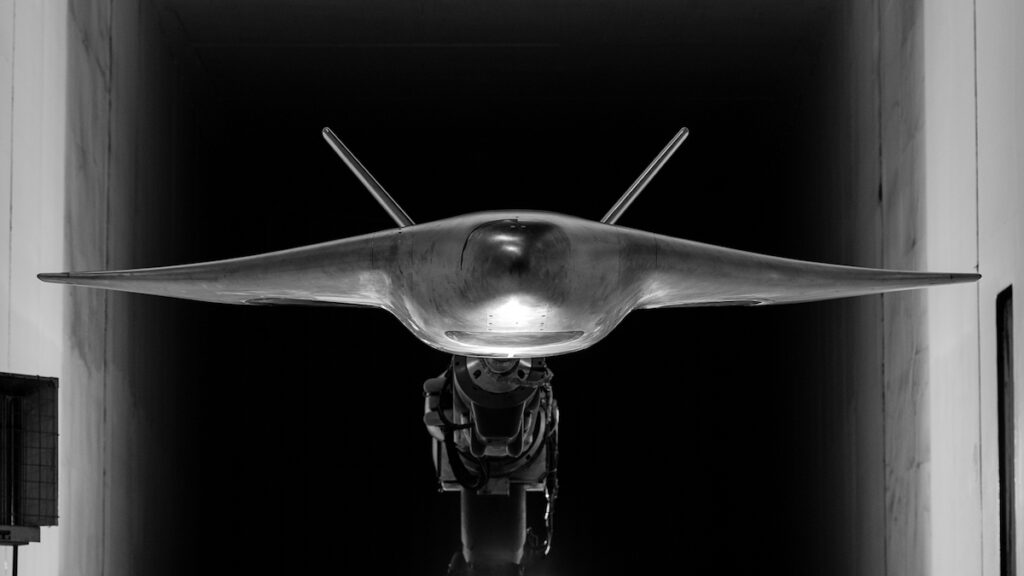


Aurora Flight Sciences is advancing autonomous flight through its Accelerated Testing of Live Autonomy Software (ATLAS) program. Learn more > >
Designed to streamline the path from written code to fully integrated mission capabilities, ATLAS provides a robust development and testing infrastructure that prioritizes rapid iteration and real-world validation.
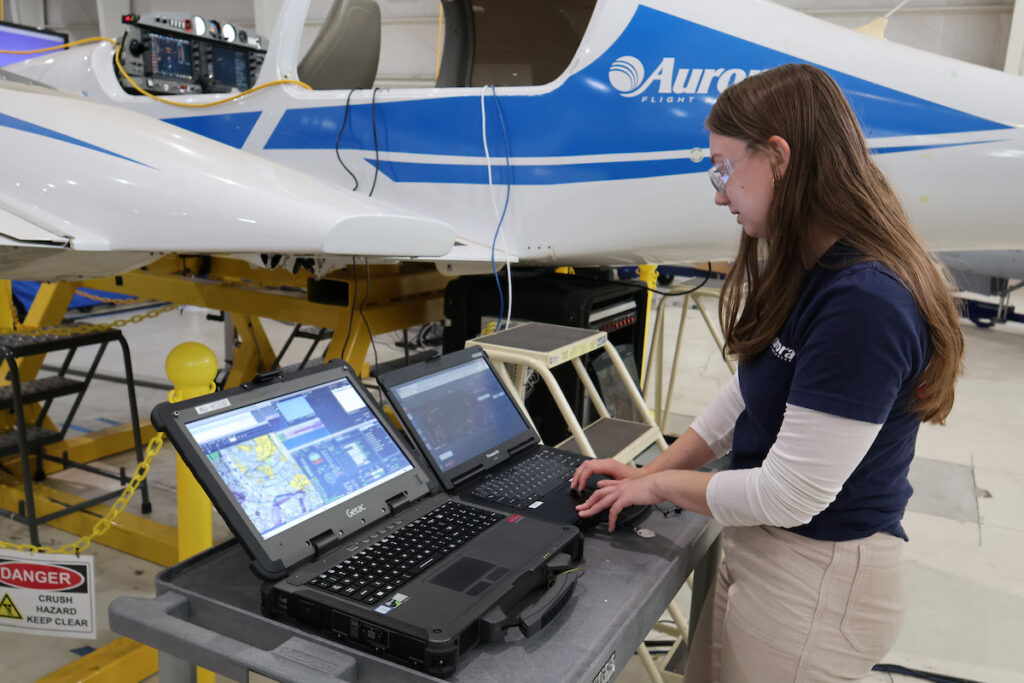
Central to ATLAS is the principle that effective autonomy must be tested beyond simulation. The program accelerates development through staged simulation, including software-in-the-loop, processor-in-the-loop, and hardware-in-the-loop environments. These phases culminate in high-frequency flight testing, typically conducted monthly, using a range of aircraft from small unmanned systems to larger, more complex platforms. This approach enables Aurora to increase mission complexity incrementally, reduce technical risk, and ensure a smooth transition from testbed to operational system.
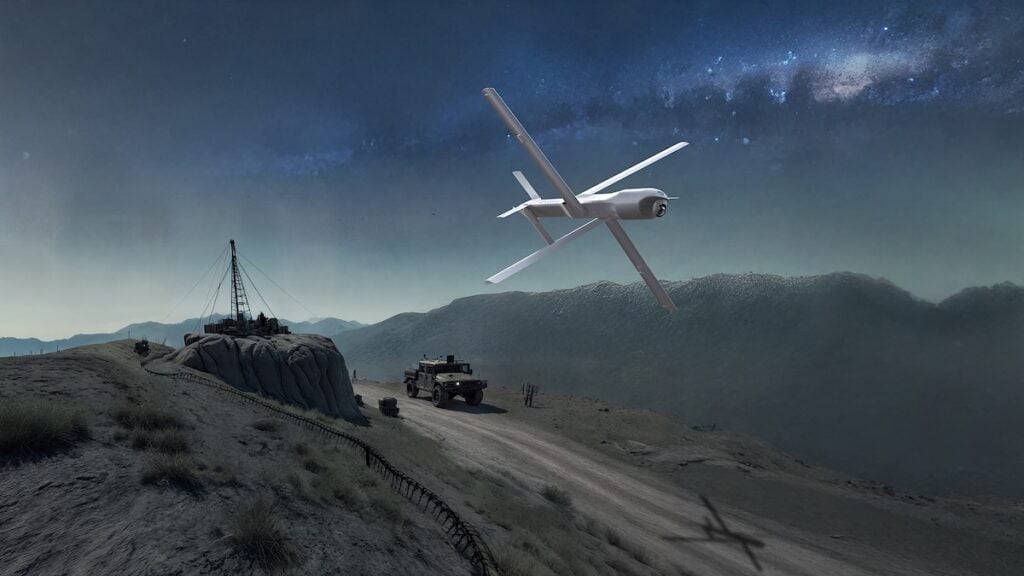
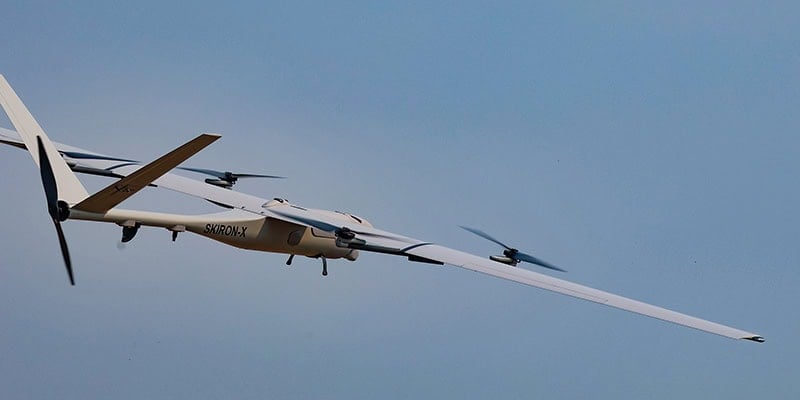
Aurora employs flexible, cost-effective testing options to validate autonomy in real-world conditions. Smaller Group 1 unmanned aircraft provide a low-cost, low-risk platform for early flight tests. Advanced flight testing is carried out on larger platforms, such as SKIRON-X and Centaur. SKIRON-X is a Group 2 UAS equipped with EO/IR gimbals and long-range radios, while Centaur is a twin-engine aircraft capable of uncrewed operation with an onboard safety pilot, allowing testing in the National Airspace System.
One recent ATLAS focus has been autonomous vehicle teaming for detect, identify, locate, and report missions. By combining physical and virtual assets in scalable test scenarios, ATLAS offers a powerful, cost-efficient pathway to field-ready autonomous systems.