





Suppliers: ISR Payloads

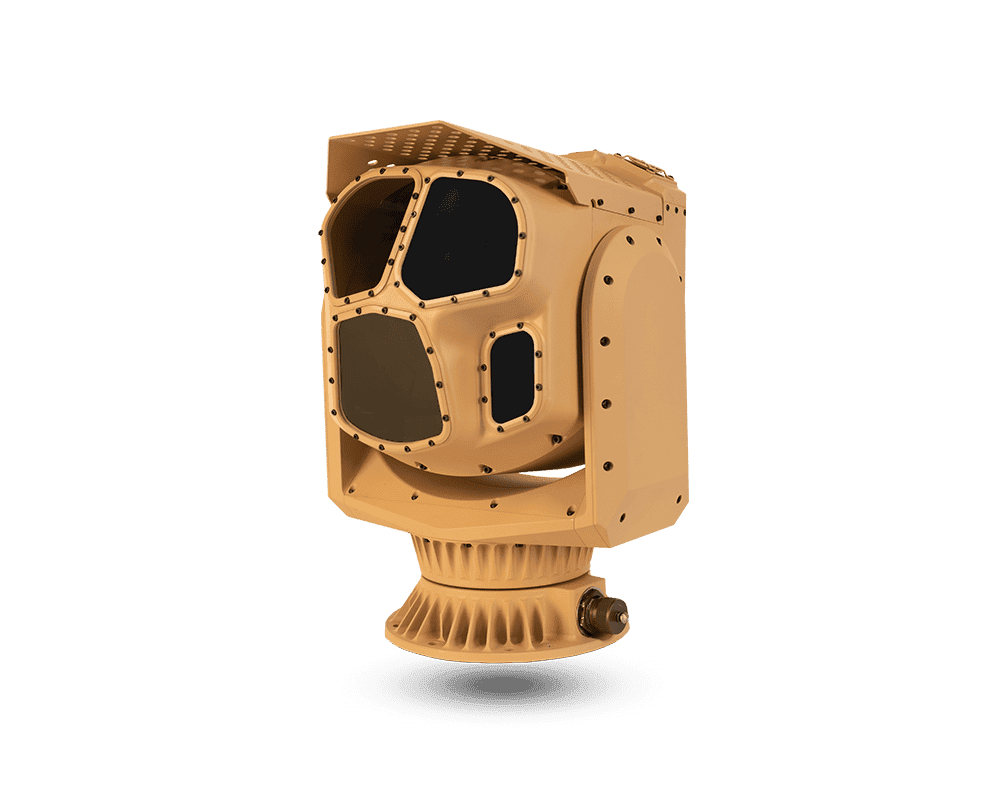
Trillium Engineering

Cutting-Edge Visible & Thermal Imaging Camera Gimbal Payloads for Mission-Critical Applications

CACI International

Gyro-Stabilized ISR Imaging Gimbal Systems for Tactical UAVs, Unmanned Systems, & Counter-UAS Platforms

CRFS

SIGINT Payloads & Software-Defined RF Sensing Technology for Military UxS

UXV Technologies

Low-SWaP EO/IR Gimbal Camera Payload Solution for UAVS

Overwatch Imaging

Advanced Imaging & Sensor Autonomy for Time-Critical Airborne Intelligence Missions

UAV Propulsion Tech

Stabilized ISR Imaging Gimbals for Tactical Unmanned Systems

Showcase your capabilities

If you design, build or supply ISR Payloads, create a profile to showcase your capabilities and connect with visitors who have an active requirement for your solutions.


Create Supplier Profile

Products

14 Cutting-edge Solutions
Add your solutions
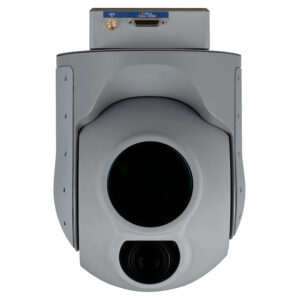
HD59

EO/IR imaging system for ISR, targeting & domain awareness

EO/IR imaging system for ISR, targeting & domain awareness
...-sensor gimbal system engineered for deployment on sUAS, mid-tier airframes, and launched effects....
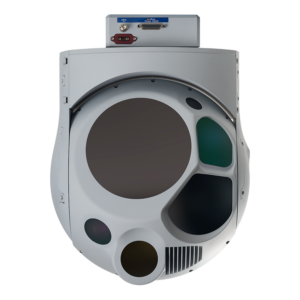
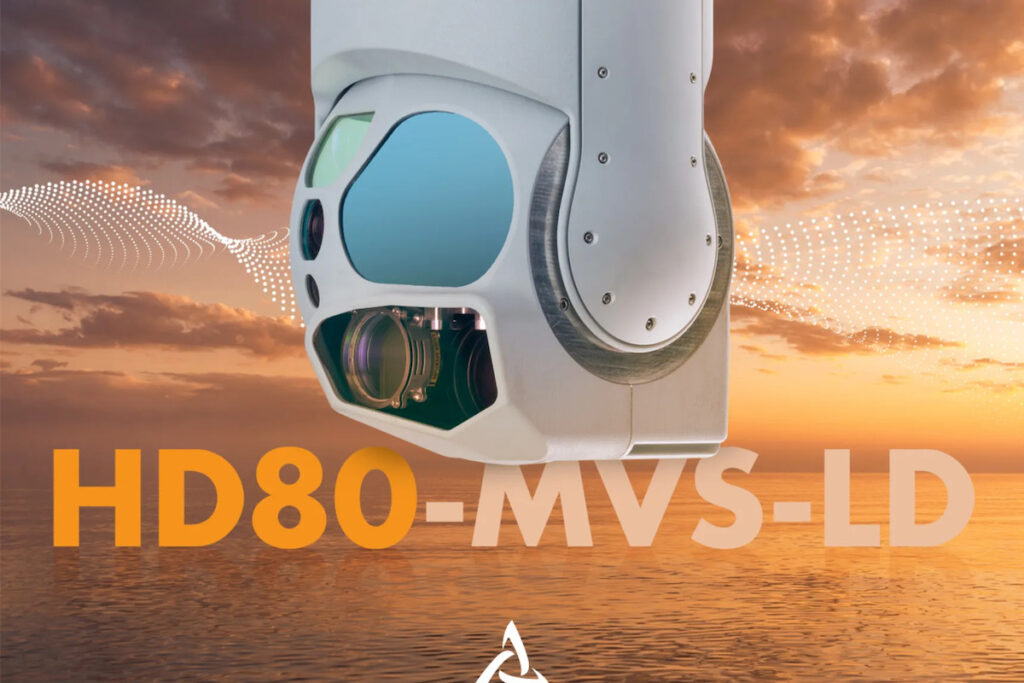
HD80

Large-format gimbal with LWIR and MWIR thermal imaging options

Large-format gimbal with LWIR and MWIR thermal imaging options
The HD80 is a powerful camera gimbal with best-in-class stability and a robust housing with environm...
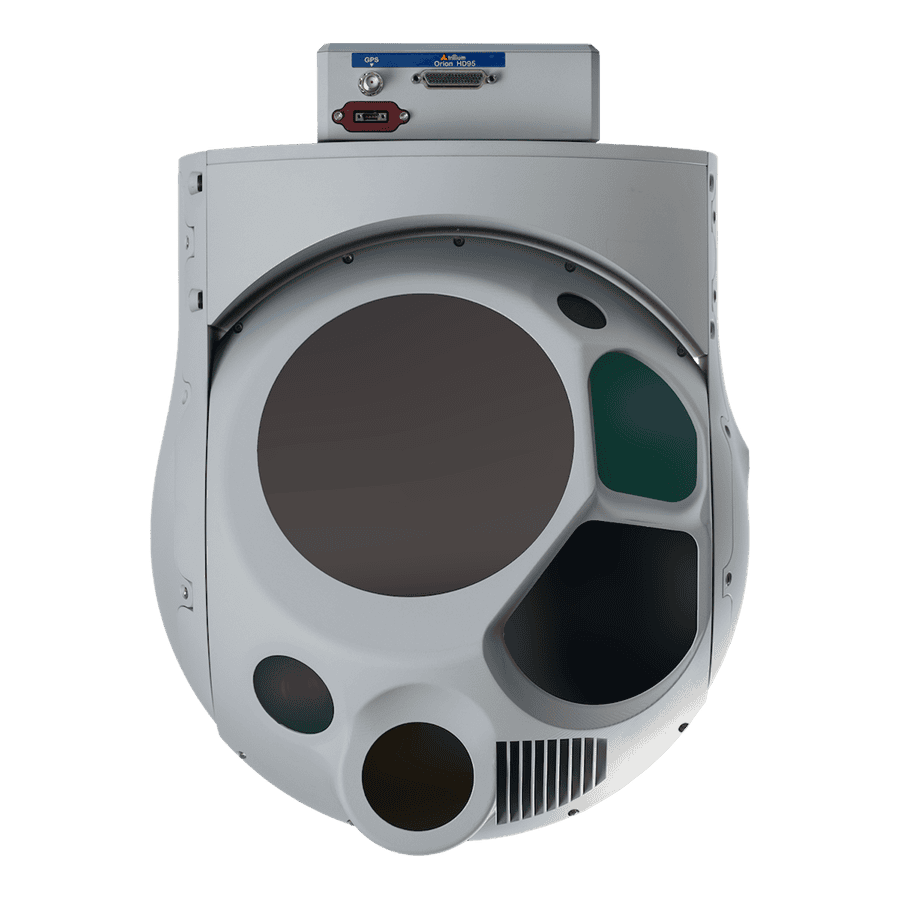
HD95

Advanced tactical EO/IR gimbal payload purpose-built for US Army

Advanced tactical EO/IR gimbal payload purpose-built for US Army
...satile imaging system also incorporates a night vision-compatible laser pointer, a laser...
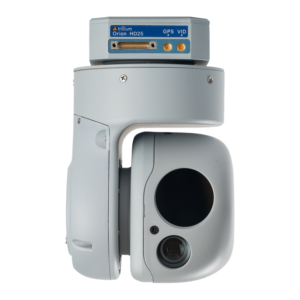
HD25

Low-SWaP EO or EO/IR gimbal with geopointing capabilities

Low-SWaP EO or EO/IR gimbal with geopointing capabilities
The HD25 is Trillium's smallest and lightest camera gimbal, housed in a machined magnesium enclosure...
CM234

Powerful multi-sensor daytime and night-time ISR gimbal for tactical UAS

Powerful multi-sensor daytime and night-time ISR gimbal for tactical UAS
... an innovative payload that combines two HD EO sensors, one MWIR sensor, one SWIR sensor, a laser...
CM262

Ground-based EO & IR imaging system for vehicles & counter-UAS platforms

Ground-based EO & IR imaging system for vehicles & counter-UAS platforms
...-based imaging system that has been optimized for on-the-move applications. With an HD EO sensor,...
CM102

Rugged EO & LWIR imaging payload for Group 1 & 2 UAS

Rugged EO & LWIR imaging payload for Group 1 & 2 UAS
...on, the rugged payload is ideal for airborne ISR, force protection and search and rescue, and is...
CM102 MR

Rugged EO & LWIR gimbal payload for land-based and marine applications

Rugged EO & LWIR gimbal payload for land-based and marine applications
...and land-based platforms operating in challenging and dynamic environments. With high-definition EO...
Optroxa GMB-450

Low-SWaP EO/IR gimbal payload with integrated laser rangefinder

Low-SWaP EO/IR gimbal payload with integrated laser rangefinder
...bilized camera payload features an RGB camera with up to 18× optical zoom and 10× digital zoom...
PT-8

LWIR & dual RGB imaging payload for wide-area search & detection

LWIR & dual RGB imaging payload for wide-area search & detection
...satile imaging system that is designed for wide-area search, object detection, ISR, and...
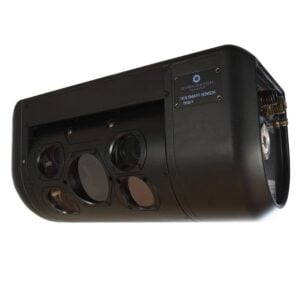
TK-7

Compact nadir-oriented smart imaging payload for small aircraft & UAS

Compact nadir-oriented smart imaging payload for small aircraft & UAS
... smart imaging payload designed to fill the gap between low-altitude tactical ISR and...
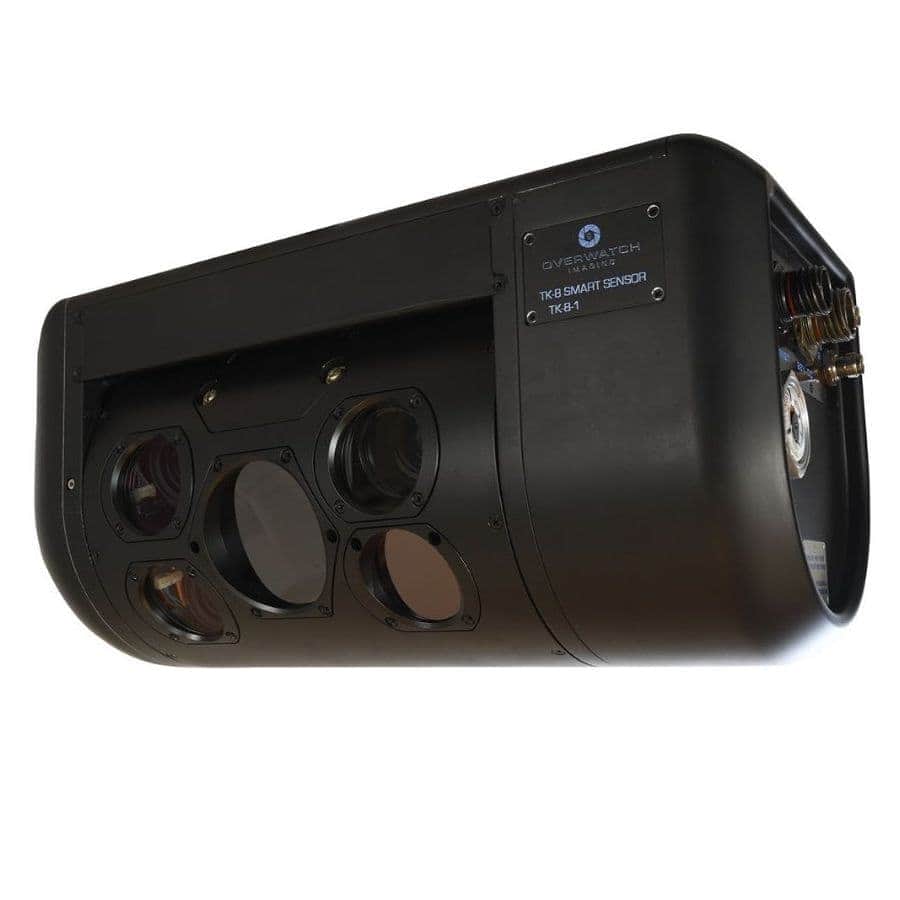
TK-8

High-resolution nadir-oriented multispectral imaging payload for ISR & mapping

High-resolution nadir-oriented multispectral imaging payload for ISR & mapping
... smart imaging payload that has been purpose-built for wide-area mapping and real-time ISR....
PT-6

Versatile low-SWaP LWIR & RGB imaging payload for ISR & tactical mapping

Versatile low-SWaP LWIR & RGB imaging payload for ISR & tactical mapping
...detection, and ISR (intelligence, surveillance and reconnaissance) in wide-area land and maritime...
Camera Gimbal Systems

Stabilized ISR imaging gimbals for tactical unmanned systems

Stabilized ISR imaging gimbals for tactical unmanned systems
...n military and defense operations. Designed with precision and performance in mind, Merio's TEMIS...

ISR Payload Systems and EO/IR Payloads for Defense Platforms

Summer James

Updated:

ISR payload systems collect, process, and transmit intelligence from deployed military platforms. Rather than operating as standalone sensors, these payloads integrate multiple sensing technologies with onboard computing, stabilization, power management, and secure communications. This integrated design enables coordinated data collection and sensor fusion, improving detection performance and situational awareness in complex operational environments.
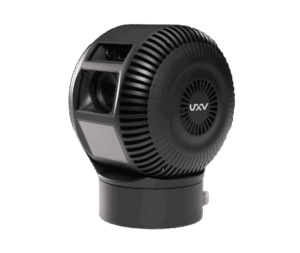
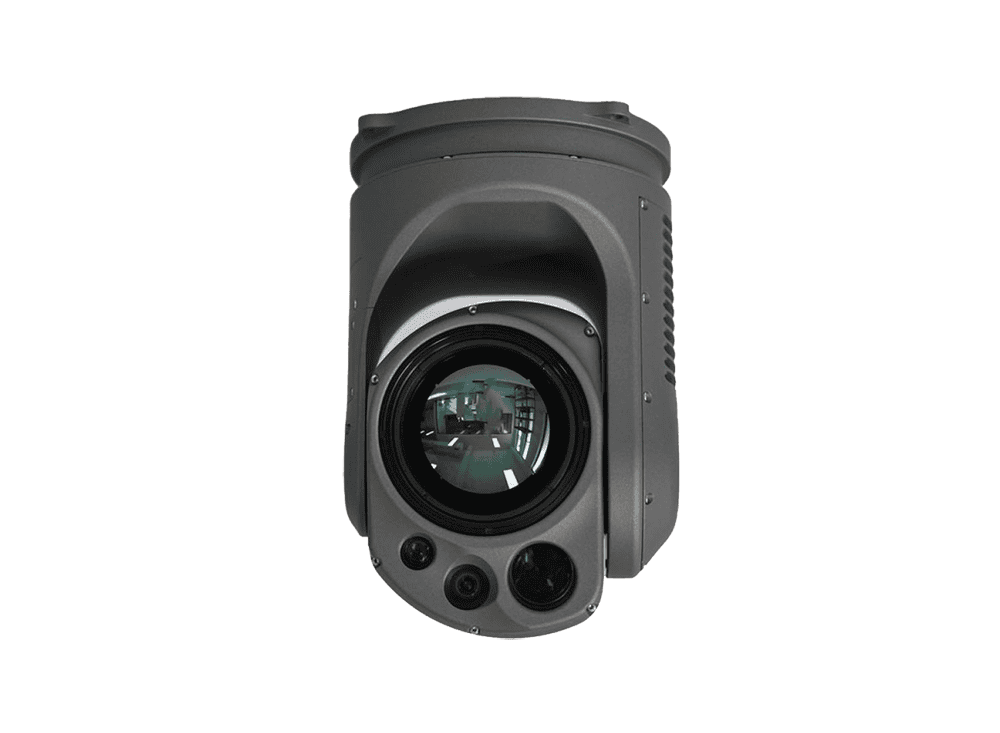
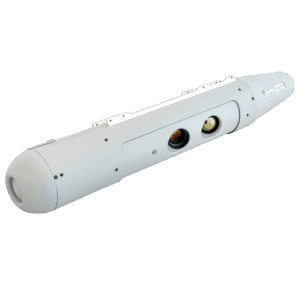
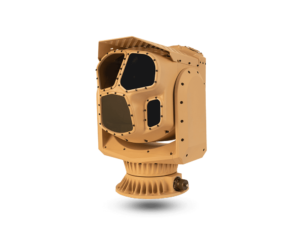
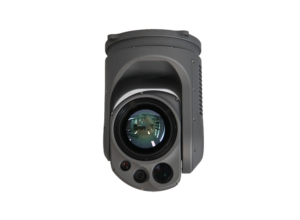
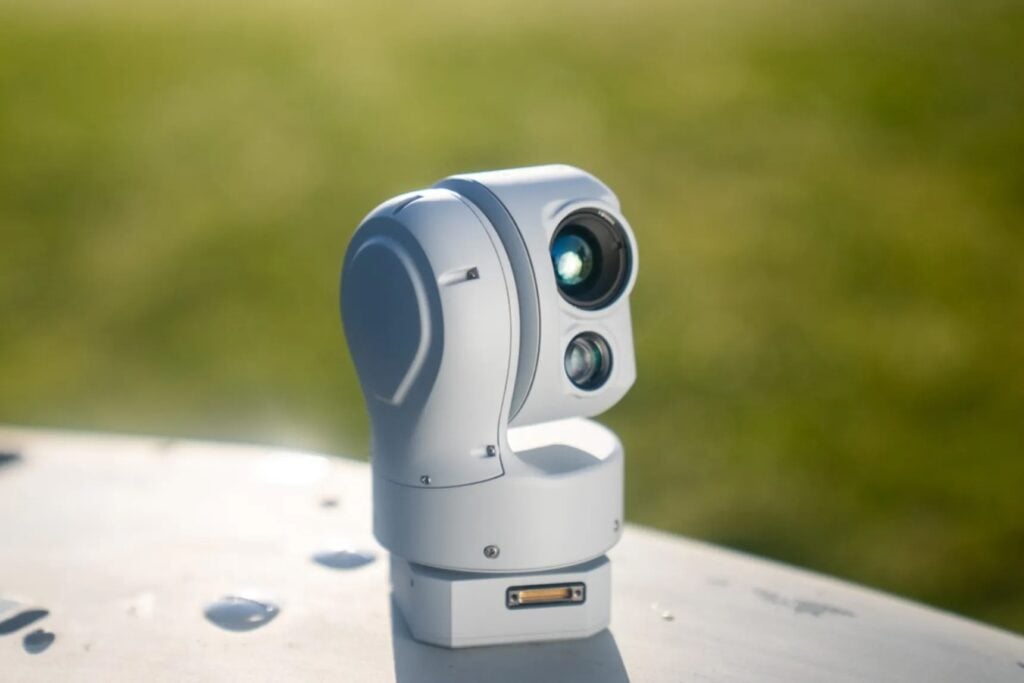
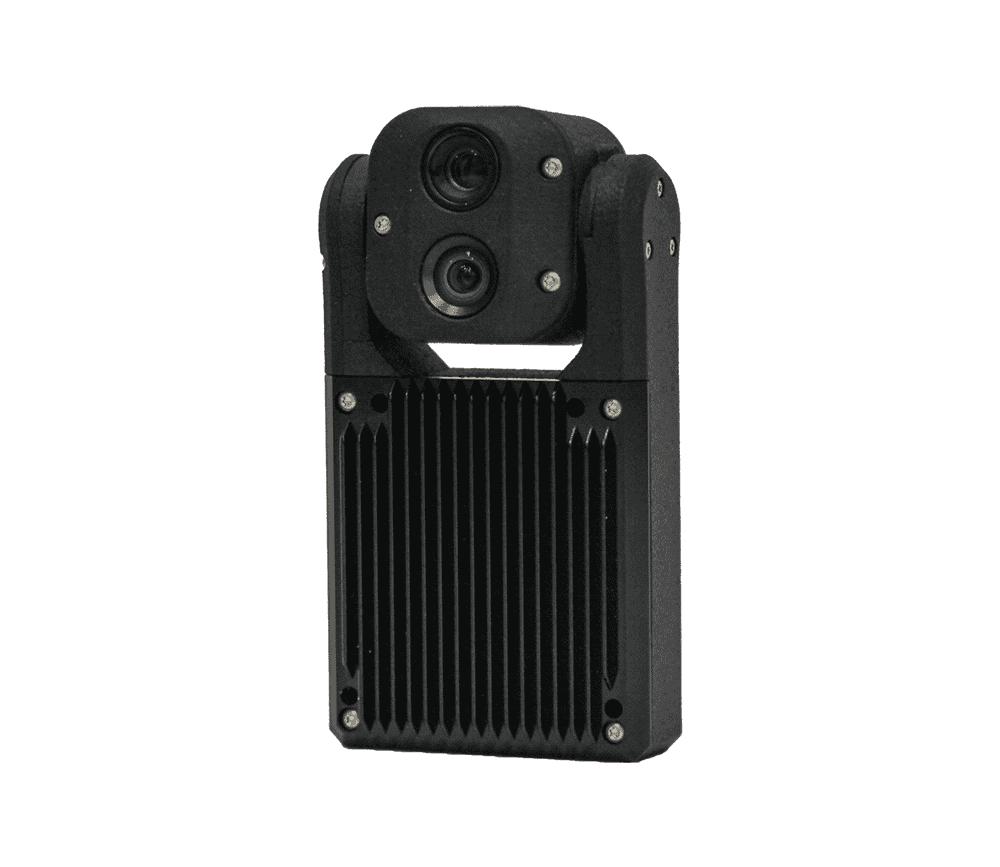
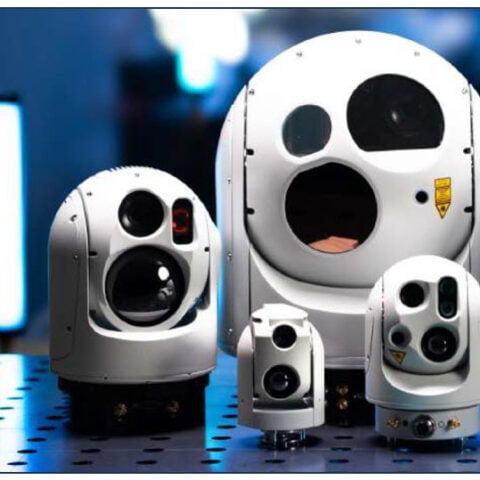
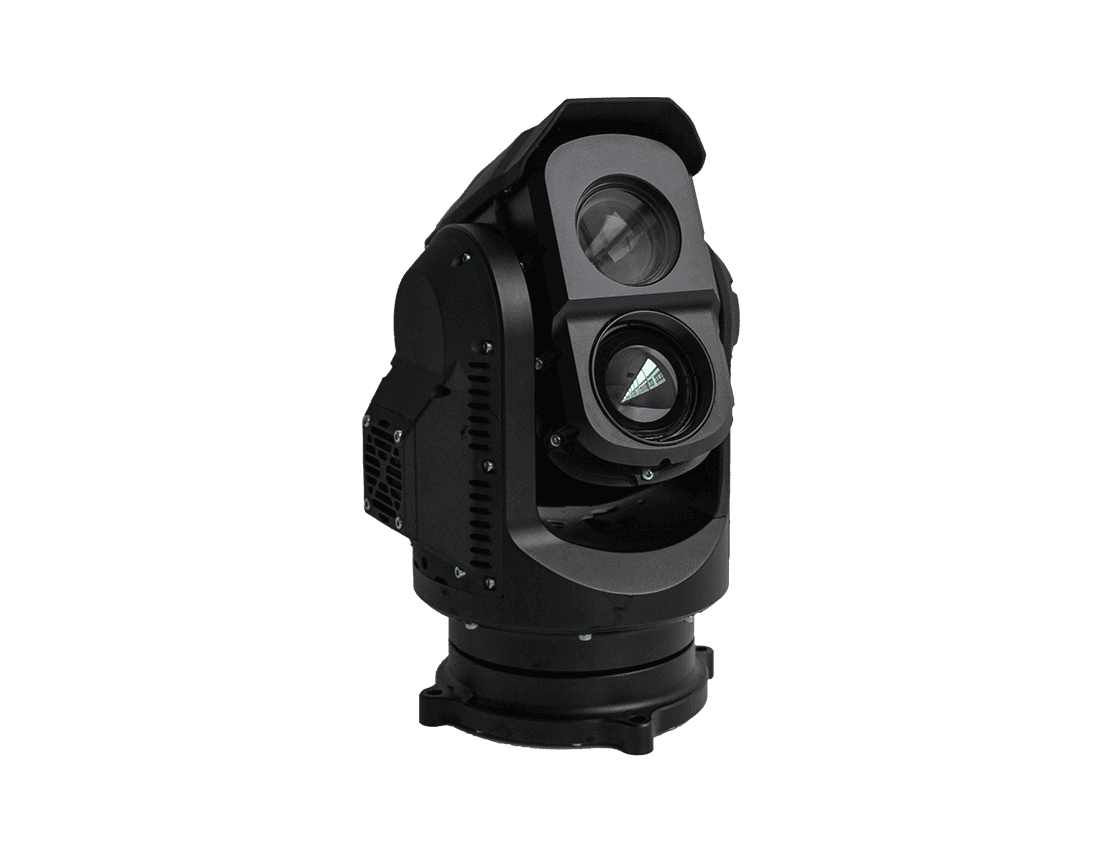
Thermal imager ISR system by UXV Technologies

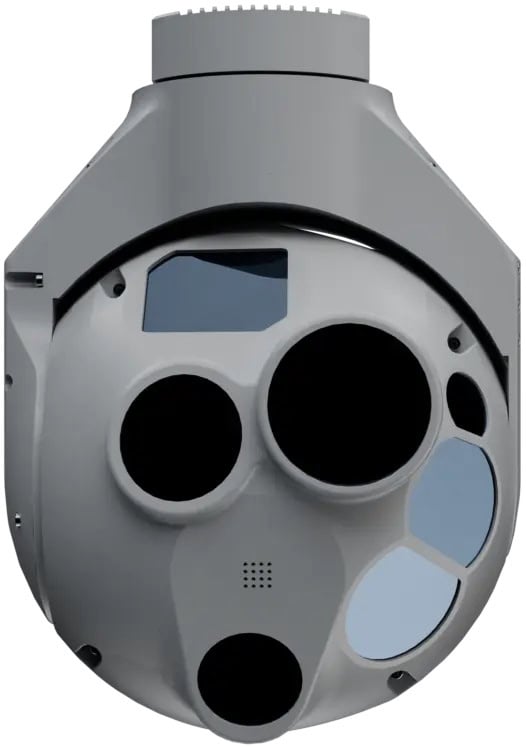
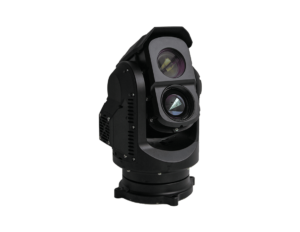
Optroxa GMB-450 by UXV Technologies

Typical ISR payloads combine electro-optical and infrared sensors for day and night imaging with synthetic aperture radar for all-weather surveillance. Inertial navigation systems and GNSS receivers provide accurate geolocation, while secure data links transmit intelligence products. Many payloads also include onboard processors, data recorders, and encryption modules to support autonomous or operator-assisted missions.

ISR Payload Applications

Airborne ISR Applications

  • Tactical reconnaissance for military UAVs and fixed-wing aircraft
  • Wide area surveillance over contested or denied environments
  • Ground moving target indicator operations for vehicle and personnel tracking
  • Threat detection, tracking, and battle damage assessment with reduced risk to personnel

Maritime ISR Applications

  • Maritime domain awareness and persistent maritime surveillance
  • Border security and coastal monitoring operations
  • Protection of critical sea lines of communication
  • Detection and classification of surface and low altitude threats using radar/SAR, infrared sensor payloads, and antenna array-enabled data links.

Ground and Vehicle-Based ISR Applications

  • Force protection and convoy security missions
  • Urban surveillance and perimeter monitoring
  • Continuous intelligence collection from moving platforms using stabilized gimbals
  • Persistent surveillance over high-value or high-risk areas of interest

ISR Payload Types and Configurations

Electro-Optical and Infrared ISR Payloads

  • Combined visible spectrum cameras, thermal imagers, and infrared sensors
  • Stabilized gimbal systems for target identification, tracking, and cueing
  • Optimized for day and night operations across varied environments
  • Commonly deployed on UAVs and rotary wing aircraft

Synthetic Aperture Radar ISR Payloads

  • High-resolution imaging independent of weather and lighting conditions
  • Wide area surveillance and terrain mapping capabilities
  • Ground moving target detection for land-based operations
  • Suitable for persistent surveillance in denied or degraded environments

Multi-Sensor ISR Payloads

  • Integrated radar, EO IR, signals intelligence, and navigation subsystems
  • Modular architectures supporting flexible mission configurations
  • Emphasis on sensor fusion for automated detection and classification
  • Sensor fusion to automate detection, classification, and cueing across multiple data sources.

Threat Detection and Target Acquisition

  • Threat detection workflows combining EO/IR, SAR, and sensor fusion outputs
  • Target acquisition support via stabilized EO/IR payload cueing and tracking
  • Wide area surveillance and ground moving target indicator modes for pattern-of-life and tracking
  • Mission planning integration for tasking, re-tasking, and sensor cueing across ISR platforms

Platform Integration Considerations

ISR payload integration is driven by size, weight, power, and cooling constraints. Power supply units, power modules, and thermal management systems must be matched to platform capabilities while supporting continuous operation of sensors and processors. Cooling systems are critical for thermal cameras, signal processors, and onboard computers operating in high-temperature environments.
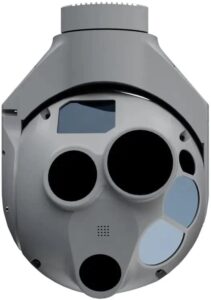
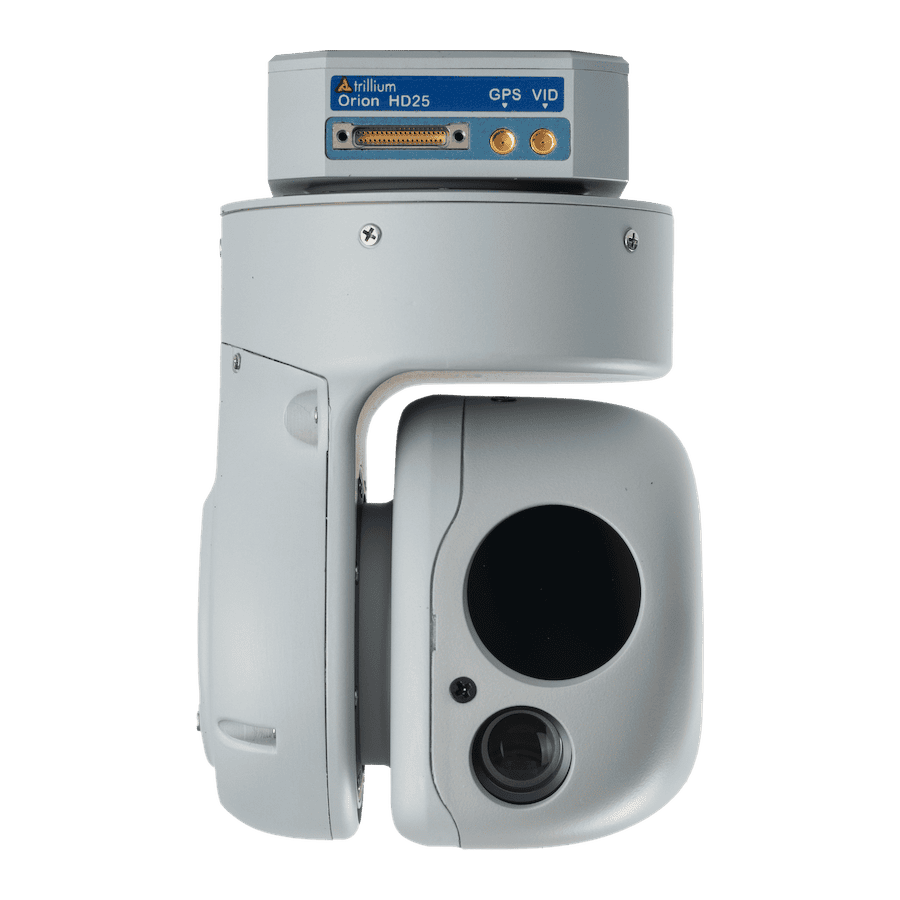
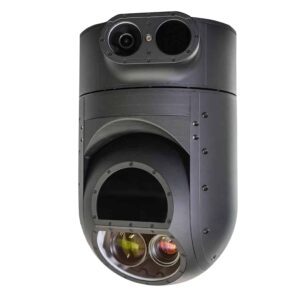
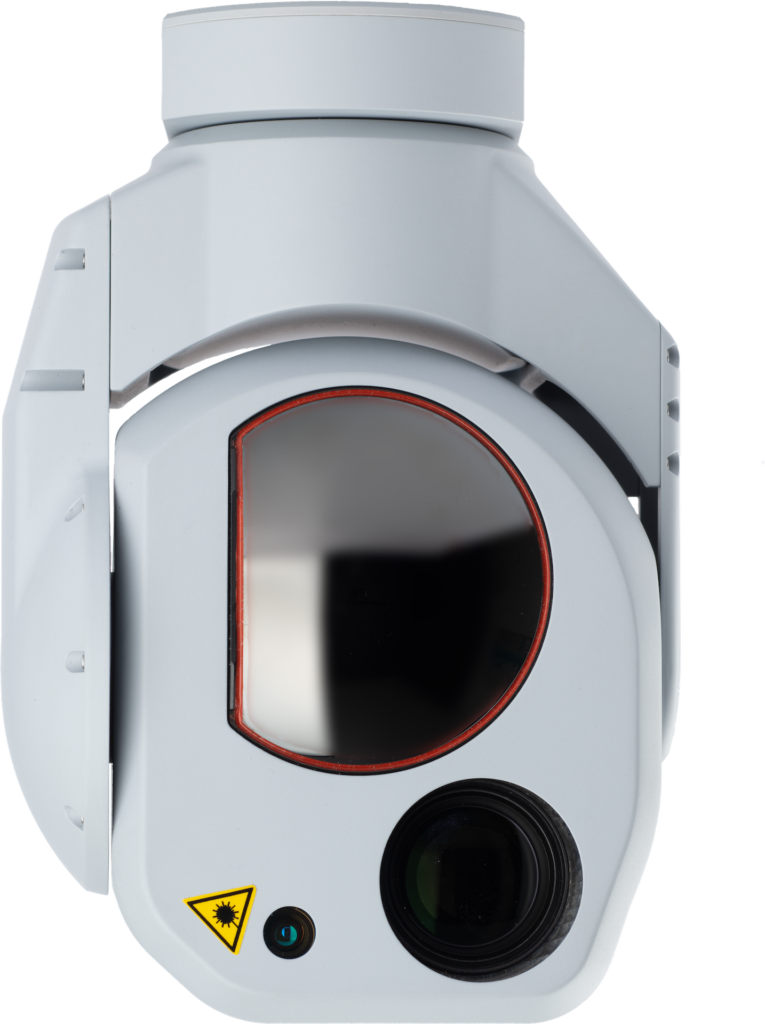
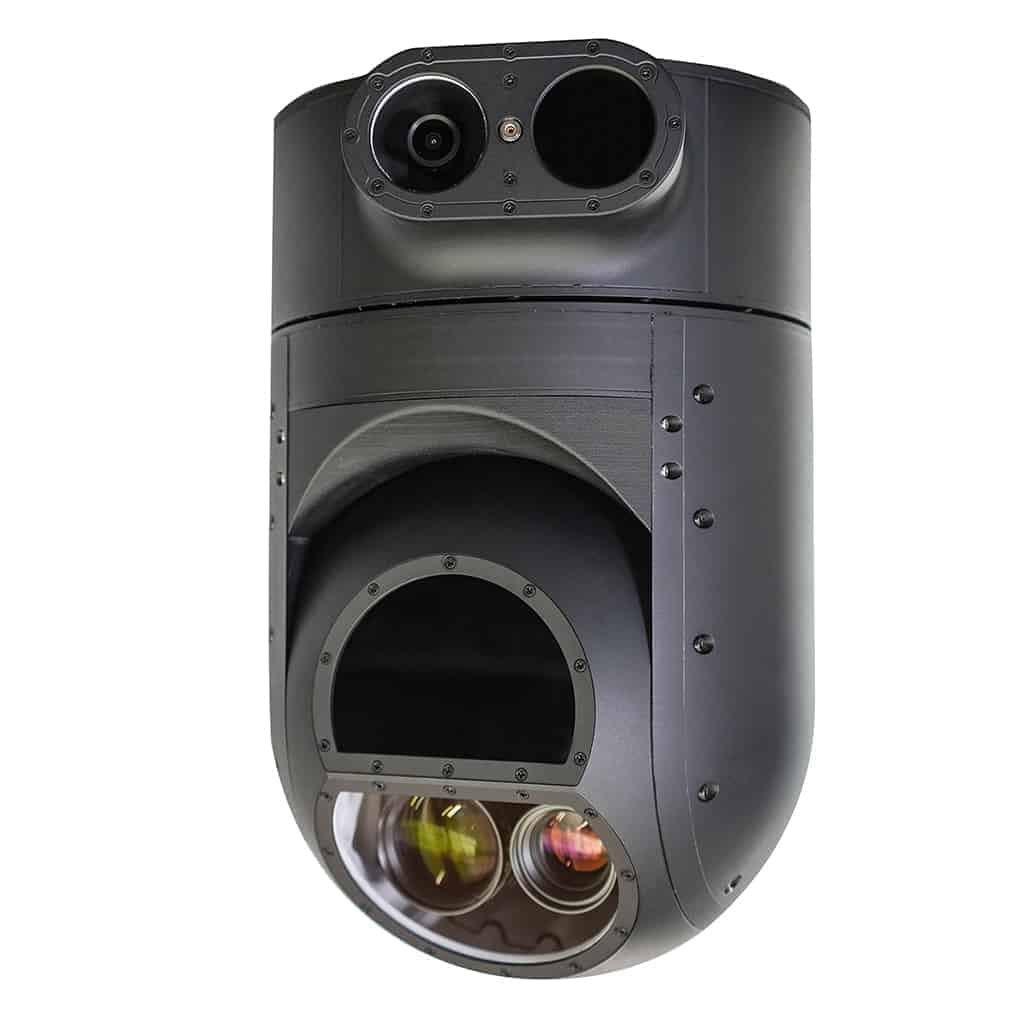
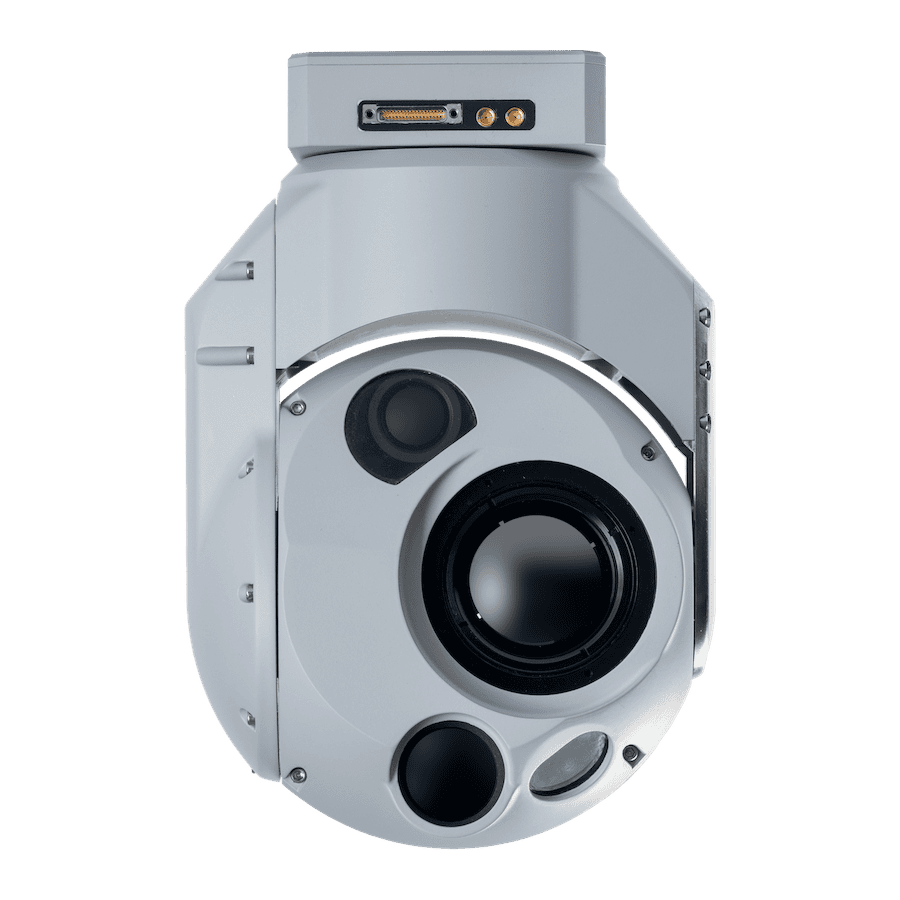
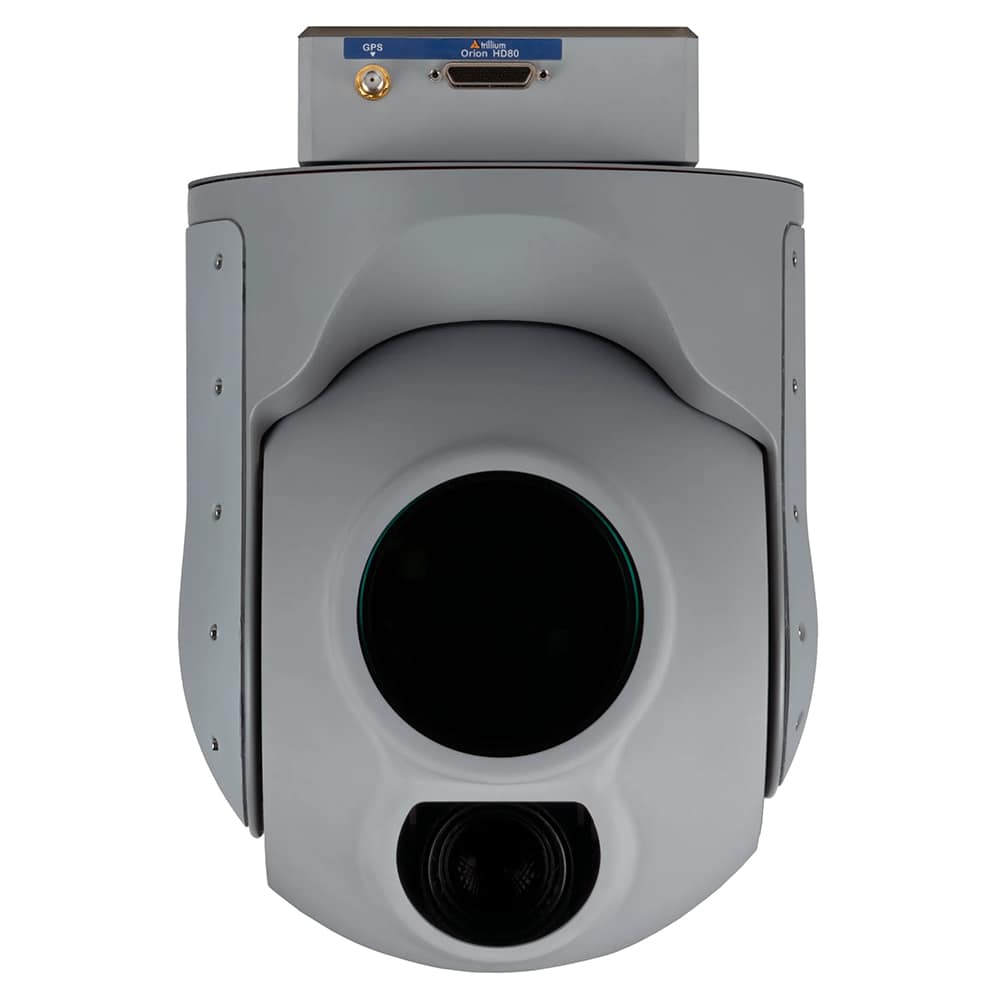
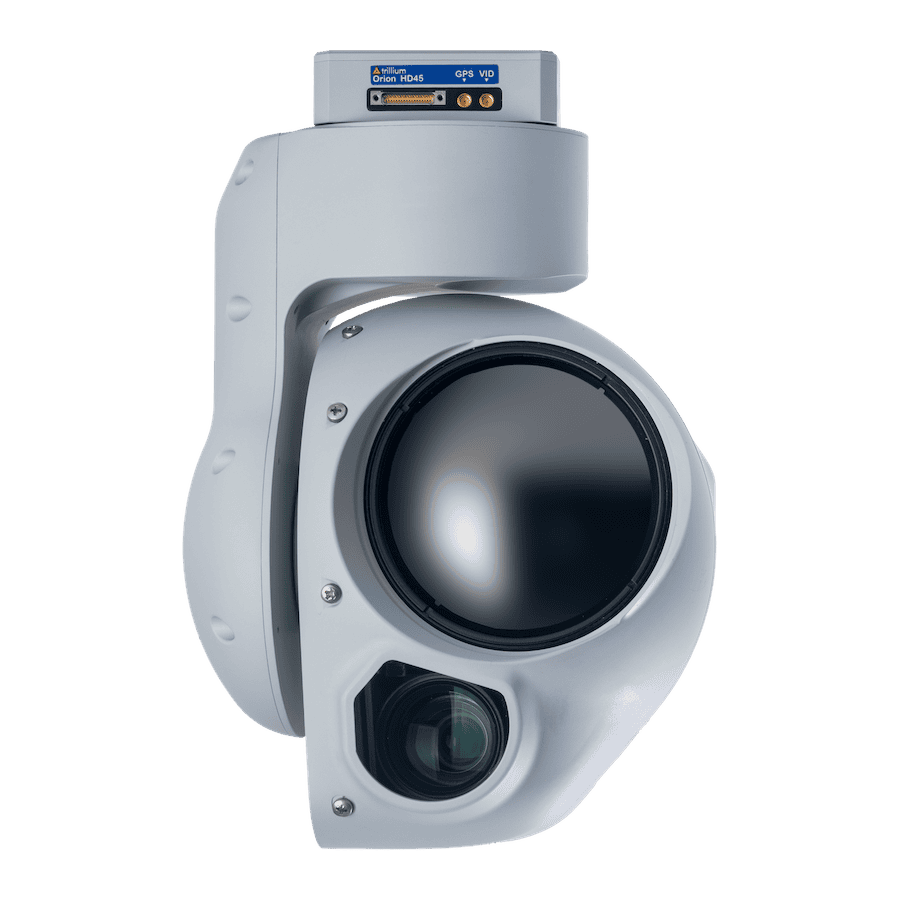
ISR payload for threat detection by Trillium Engineering

HD59 by Trillium Engineering

Mechanical integration includes gimbal assemblies, stabilization systems, and vibration isolation to maintain image quality during maneuvering. Antenna arrays and RF antennas must be positioned to support reliable data links and encrypted communications without interference.

Open architecture designs and modular payload interfaces simplify integration across ISR platforms, including UAVs, crewed aircraft, ground vehicles, and maritime assets. These approaches also support future upgrades as sensor and processing technologies evolve.

Accurate geolocation and track correlation depend on tightly integrated inertial navigation system and GPS receiver architectures. Time synchronization and metadata tagging enable intelligence gathering and downstream exploitation across surveillance systems. Sensor fusion enhances cueing precision while reducing operator workload.

Data Processing and Communications

Modern ISR payloads emphasize onboard data fusion and processing to reduce bandwidth requirements and enable real-time intelligence delivery. Signal processors and mission computers execute detection, tracking, and classification algorithms directly on the platform. Data storage units and data recorders support post-mission analysis and intelligence exploitation.

Secure data links and communications modules transmit ISR products to ground stations and command networks. Encryption modules and cryptographic components ensure compliance with military security requirements and protect sensitive intelligence during transmission.

Procurement teams typically assess latency to ground stations, the onboard vs. offboard processing split, the encryption approach, and bandwidth requirements against mission planning and force protection needs.

Standards and Compliance Requirements

Defense ISR payload systems are commonly designed to comply with military and allied standards governing environmental durability, electromagnetic compatibility, and interoperability. Relevant standards may include MIL STD environmental testing requirements, NATO STANAG interoperability frameworks, and platform-specific interface standards.

Compliance with these standards ensures payload survivability in harsh operational conditions and supports integration within joint and coalition ISR architectures. Procurement teams often prioritize systems that demonstrate alignment with established defense standards to reduce integration risk.

ISR Payload Comparisons and Selection Criteria

Selecting an ISR payload system involves evaluating sensor performance, integration complexity, and mission suitability. Key comparison factors include detection range, resolution, stabilization accuracy, data latency, and endurance. SWaP constraints and power availability are critical differentiators between payload classes.

Mission-specific requirements, such as maritime surveillance, border security, or tactical reconnaissance, influence sensor selection and configuration. Modular ISR payloads offer flexibility for evolving missions, while purpose-built systems may deliver optimized performance for specific operational roles.


Related Articles

Multi-Sensor EO/IR Gimbals for Defense & C-UAS Missions

Defense Advancement showcases CACI International's gyro-stabilized ISR imaging gimbal systems for tactical UAVs, unmanned systems, and C-UAS platforms

May 07, 2026
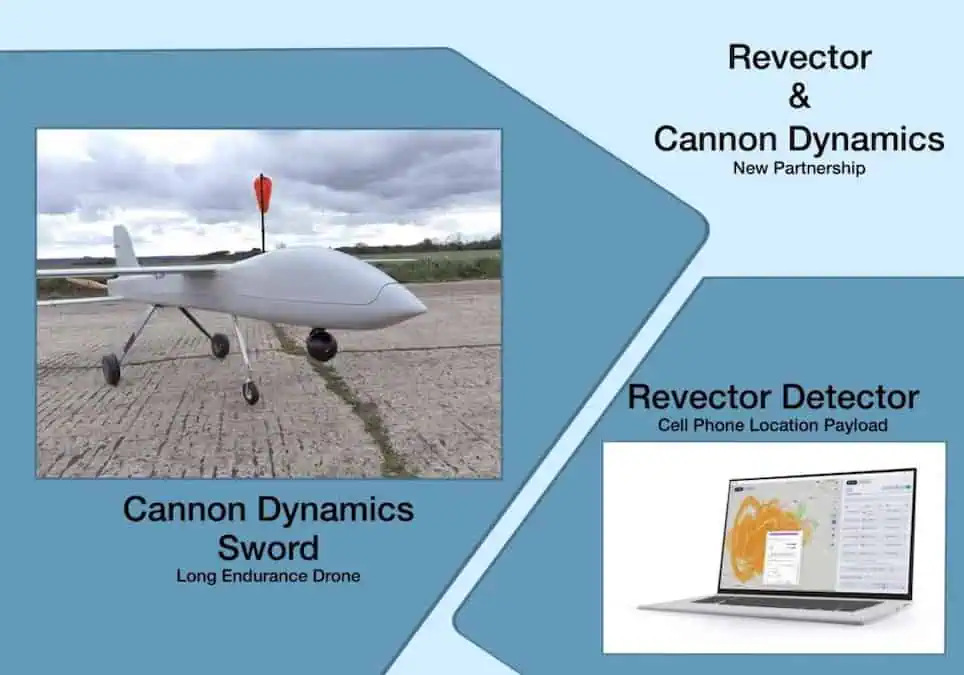
Revector Integrates IMSI Payload with Long-Endurance UAV for Anti-Poaching

Revector has integrated its IMSI detection payload with Cannon Dynamics’ Sword UAV, enabling the aerial detection and tracking of mobile devices to support anti-poaching operations across Africa

Apr 07, 2026
Arming Autonomous Vessels With Combat Payloads & Advanced Command Systems

Saildrone and Lockheed Martin partner to integrate missile launchers and advanced command systems onto long-endurance unmanned surface vehicles, advancing the US Navy’s vision for a lethal, distributed hybrid fleet

Jan 20, 2026
New Trillium EO/IR Gimbal Boosts Performance of Group 2 sUAS Platform

Trillium’s lightweight HD59-MLVS-LD Electro-Optical/Infrared (EO/IR) gimbal with laser designator is integrated on AeroVironment’s Puma LE, bringing precision targeting to portable Group 2 UAS

Oct 13, 2025
Trillium Unveils HD59 EO/IR Gimbals for Advanced UAS Missions

Trillium’s new HD59 EO/IR gimbal series delivers multi-spectral sensing, AI-enabled processing, and precision targeting in a lightweight, rugged package optimized for UAS, launched effects, and contested ISR operations

Sep 18, 2025
Trillium Launches Advanced Gimbal for Medium & Long Range Reconnaissance

Trillium Engineering’s new HD45 LV R delivers advanced imaging performance in an ultra-light gimbal, optimized for long range and medium range ISR missions

Jun 11, 2025
Trillium Gimbal Enhances Imaging for Launched Effects & Loitering Munitions

Trillium Engineering introduces the HD25-LV-C, a lightweight imaging system optimized for cost-constrained, expendable platforms like Launched Effects and loitering munitions

May 21, 2025
Trillium EO/IR Payload Integrated with Tactical UAS for Danish Military

Trillium Engineering is equipping AeroVironment’s JUMP 20 UAS with its HD80-MVS-LD gimbal, enhancing ISR operations for the Danish military

Mar 10, 2025
Trillium to Provide Gimbal Systems for Raytheon Loitering Munition

Trillium Engineering has been awarded a Phase One Production contract to supply HD25-LV gimbal systems, set to integrate with a Raytheon Loitering Munition

Feb 17, 2025